
News
5 Vital Considerations for Choosing Plywood Lamination Machine
Welcome to My Blog!
I’m so glad you’re here. Before we dive into the content, I’d love to connect with you beyond this page. On my social media, I regularly share industry insights, product updates, and behind-the-scenes moments — plus, it’s a great place for us to interact!
Follow us on Facebook: Shandong Chuangxin Automation Equipment Co., Ltd
Let’s grow together and stay connected. Now, let’s jump into the blog — I hope you find the content informative, engaging, and truly valuable.
Table of Contents
Introduction
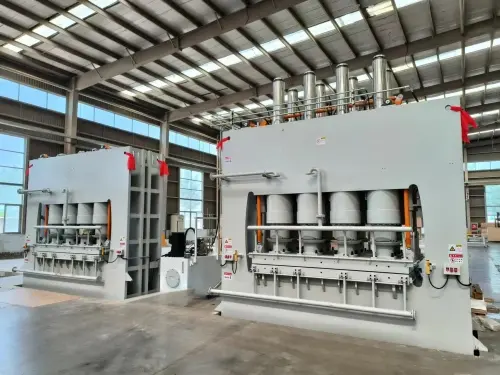
Plywood lamination machines are central to modern woodworking and furniture manufacturing. Choosing the right machine impacts productivity, quality, safety, and cost-efficiency. Many manufacturers struggle due to the wide variety of models and technologies available. This article provides detailed guidance on 5 vital considerations for choosing plywood lamination machine, incorporating case studies, installation tips, and practical operational advice.
1. Production Capacity and Sheet Size: Ensuring Your Plywood Lamination Machine Meets Needs
Real-World Case Study
A mid-sized furniture factory in Germany upgraded from a 50-sheet/hour low-end machine to a 300-sheet/hour mid-range plywood lamination machine. Production increased 5x, and waste was reduced by 30% due to uniform pressure and heating zones.
Detailed Considerations
- Sheet Thickness Compatibility: Machines handle 3–25mm sheets; high-end models can handle thicker plywood for specialized furniture.
- Production Volume: Estimate daily/weekly requirements to ensure throughput meets demand.
- Scalability: Plan for future growth; a scalable machine saves replacement costs and downtime.
2. Advanced Technology and Automation in Plywood Lamination Machine
Installation Tips
- Ensure hydraulic or pneumatic systems are properly aligned during installation to guarantee even pressure.
- Calibrate heating zones individually for consistent bonding across the plywood surface.
- CNC and automation integration require stable electrical supply and software updates.
Operational Insights
- Automated feeding reduces manual handling, decreasing errors and labor costs.
- Infrared heating systems improve glue penetration and reduce curing time.
- Advanced machines include sensors for pressure, temperature, and adhesive distribution.
Case Study
A workshop in China implemented a fully automated CNC plywood lamination machine. The system allowed real-time monitoring of glue spread and pressure, resulting in 98% defect-free panels and a 25% reduction in labor hours.
3. Energy Efficiency and Operational Costs
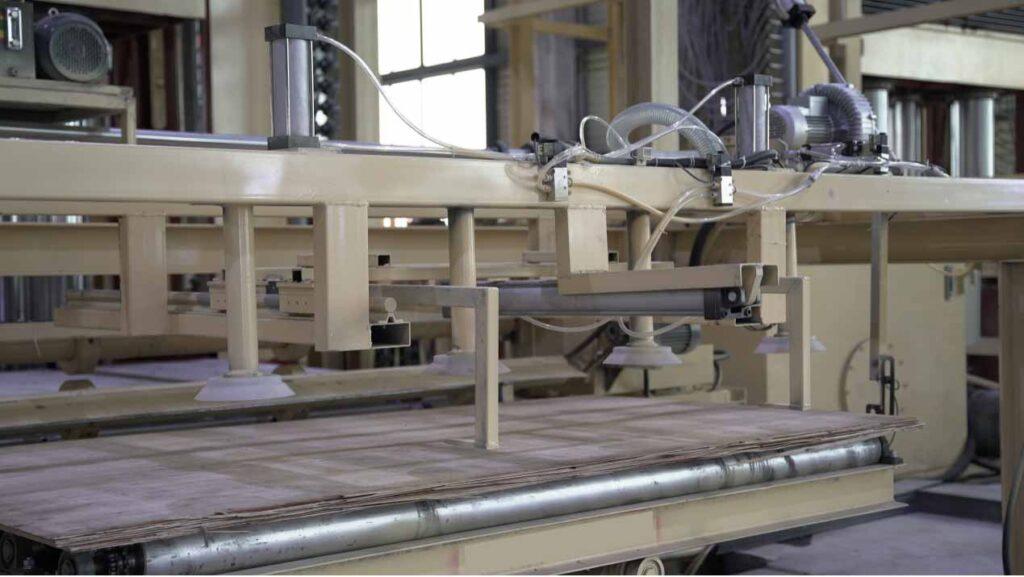
Practical Cost Analysis
- Electricity: Infrared + roller systems consume less energy than traditional hot-plate methods.
- Adhesive Usage: Modern machines with precision glue systems reduce waste by 15–20%.
- Labor: Automation reduces human errors and the need for manual labor in feeding and alignment.
Best Practices
- Schedule routine maintenance to keep rollers and heating elements efficient.
- Monitor energy consumption during peak and off-peak hours to optimize costs.
- Modular design allows replacing components without stopping production, reducing downtime costs.
4. Safety Features and Regulatory Compliance
Essential Safety Mechanisms
- Emergency stops at multiple points of the machine.
- Safety guards for moving parts and hydraulic pistons.
- Thermal and overpressure sensors to prevent accidents.
Installation Guidance
- Position the machine with adequate space around it for operators to move safely.
- Ensure grounding and power supply meet local electrical safety standards.
Case Study
A factory in Italy avoided a major hydraulic accident due to built-in automatic shutdown sensors during overpressure. This highlights the importance of safety-compliant plywood lamination machines.
Table: Comparison of Plywood Lamination Machine Models
| Feature | Low-End Model | Mid-Range Model | High-End Model | Notes |
|---|---|---|---|---|
| Sheet Thickness | 3-12 mm | 3-20 mm | 3-25+ mm | High-end models handle thick plywood |
| Heating System | Hot plate | Roller heating | Infrared & roller combo | Infrared ensures uniform bonding |
| Press Type | Manual | Hydraulic | Fully hydraulic | Hydraulic ensures even pressure |
| Automation | Basic | Semi-automatic | Fully automatic CNC | CNC reduces labor and error |
| Energy Efficiency | Low | Moderate | High | Advanced heating reduces electricity cost |
| Safety Features | Basic guards | Emergency stop | Sensors & auto shutdown | Operator safety improved |
| Production Capacity | 50-100 sheets/hr | 100-300 sheets/hr | 300-500+ sheets/hr | Scalable based on business size |
| Maintenance | Manual | Semi-automated | Modular & CNC-supported | Modular design reduces downtime |
| Cost Range | Low | Mid | High | Aligns with budget and production requirements |
5. Maintenance, Longevity, and Real-World Workflow of Plywood Lamination Machine
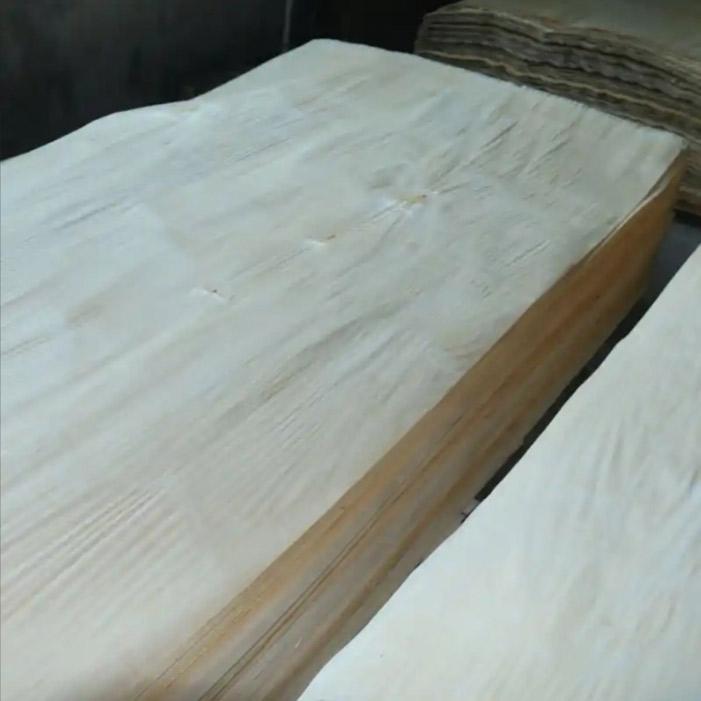
Maintenance Guidelines
- Lubricate all moving parts weekly.
- Inspect heating elements and rollers for wear or residue buildup.
- Replace adhesive rollers and hydraulic seals regularly.
Workflow Example
- Sheet Preparation: Sand and clean plywood sheets.
- Adhesive Application: Automatic or manual spread; check coverage.
- Feeding into Press: Automated systems align sheets for lamination.
- Pressing & Heating: Apply uniform pressure; monitor temperature.
- Cooling & Quality Check: Inspect panel bonding and thickness consistency.
Longevity
High-quality machines with proper maintenance can last 15+ years, providing consistent output and minimizing total cost of ownership.
Case Study
A furniture factory in Brazil reported zero major failures in 10 years after installing a high-end CNC plywood lamination machine with modular components and automated maintenance alerts.
Conclusion
Choosing the right plywood lamination machine requires careful consideration of production capacity, technology, energy efficiency, safety, and maintenance. By evaluating these five factors, manufacturers can ensure:
- Consistent high-quality panels
- Increased productivity
- Lower operational costs
- Enhanced worker safety
- Long-term investment value
A well-chosen plywood lamination machine is not just equipment—it is a strategic asset that supports business growth and efficiency.
FAQ
1. What is the optimal sheet thickness for most plywood lamination machines?
Typically 3–25 mm, but high-end models support thicker sheets for specialty applications.
2. How does CNC automation improve efficiency?
It controls adhesive spread, temperature, and pressing uniformly, reducing human error and labor costs.
3. Can low-end machines meet high-volume production needs?
Low-end models are suitable for small workshops; high-volume production requires mid- or high-range machines.
4. What safety features are critical in a plywood lamination machine?
Emergency stops, safety guards, overpressure sensors, and automatic shutdowns are essential.
5. How often should I maintain a plywood lamination machine?
Weekly lubrication, monthly inspection of heating and hydraulic systems, and scheduled component replacements ensure longevity.
 English
  Vietnamese
  Arabic