
News
Top Heating Press Machines for Wood Panel Production
Introduction
In the world of wood panel production, the role of a heating press machine cannot be overstated. Whether you are manufacturing plywood, MDF, or laminated wood panels, a high-quality heating press is essential to ensure consistent results, high efficiency, and superior product quality. But with so many models available, it can be overwhelming to choose the right one for your business needs.
In this article, we will explore the best heating press machines for wood panel production, their features, and the factors to consider when selecting the perfect model for your production line. Whether you’re a small workshop or a large-scale manufacturer, this guide will help you make an informed decision.
Welcome to My Blog!
Before we dive into the content, if you’re interested in our products or have any questions, please feel free to visit our Contact Us page on the website. Our team is ready to assist you with inquiries, orders, or any support you may need.
Now, let’s get started on our journey together. I hope you find the content here insightful, engaging, and valuable.
1. Understanding the Heating Press Machine
IT is used to apply both heat and pressure to wood-based panels, such as plywood and MDF, to bond the layers together. This process is crucial in creating a strong, durable, and high-quality product.
There are two main types of heating press systems in wood panel production:
- Hot Press Machines: These use heat to activate adhesives, ensuring that the wood layers bond together effectively.
- Cold Press Machines: While not as common in wood panel production, they are used for pressing materials at ambient temperatures.
In most wood panel production, hot pressing is the preferred method because it speeds up the bonding process and ensures a stronger bond.
2. Key Features to Look for in a Heating Press
When shopping for a heating press, there are several critical features to consider:
| Feature | Description | Why It Matters for Wood Panel Production |
|---|---|---|
| Platen Size | The dimensions of the press plates. | Ensure the platen size fits your panel size and allows for uniform pressure. |
| Tonnage Capacity | The amount of pressure the machine can apply. | Higher tonnage ensures stronger bonding and efficient production rates. |
| Heating System | Type of heating (electrical, steam, oil, or gas). | Consistent heating is crucial for uniform pressure and bond strength. |
| Cycle Time | How long the press takes to complete one cycle. | Faster cycle times improve overall efficiency, especially in high-volume production. |
| Temperature Control | The precision of temperature regulation. | Precise control ensures consistent results and avoids overheating. |
| Automation Features | Options like programmable controls, automated pressure, and temperature regulation. | Reduces labor costs and improves consistency in production. |
3. Best Heating Press Machines for Wood Panel Production
Here are some of the best heating press models for wood panel production, each tailored to different production needs.
- Chuangxin 4-Column Heating Press
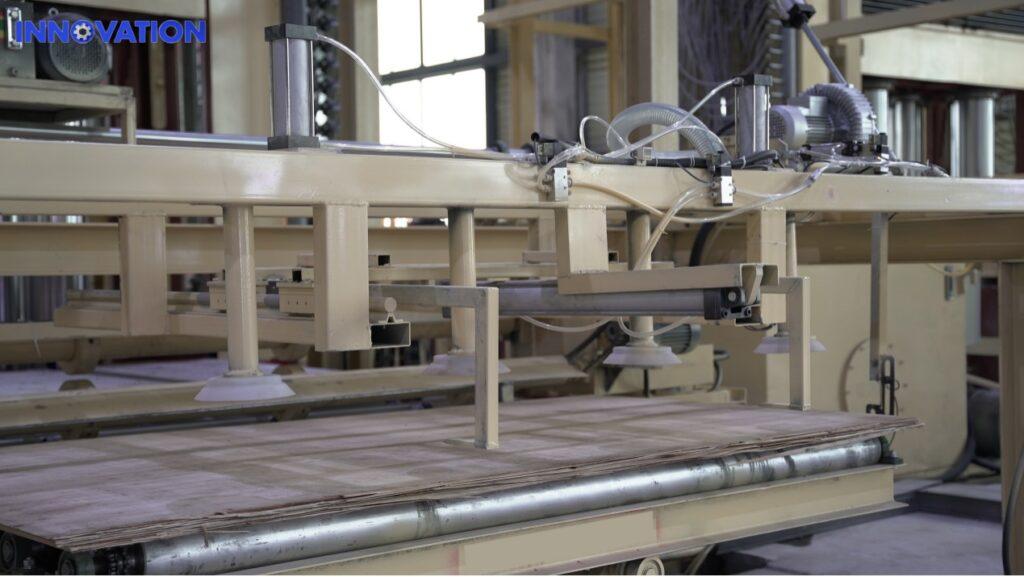
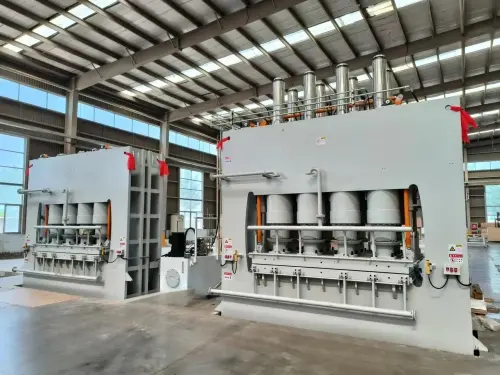
Ideal for large-scale wood panel production, this press offers high tonnage capacity and advanced temperature control systems, ensuring consistent pressure and heat for high-quality bonding. It’s a top choice for industrial use where large panels and high-volume production are required. - Chuangxin C-Frame Heating Press
Perfect for small to medium workshops, this model is compact yet powerful, offering a variable tonnage system that provides flexibility in producing panels of various sizes and thicknesses. Its smaller footprint makes it an excellent option for shops with limited space. - Hydraulic Hot Press for MDF
Specially designed for MDF panel production, this heating press utilizes oil-based heating systems that deliver uniform heat distribution across the entire panel surface. Ideal for businesses focused on producing high-quality MDF boards with precise thickness and surface quality. - Laminating Press Machine
This machine is optimized for laminated wood panel production, offering exceptional pressure consistency and fast cycle times. Its advanced PLC control systems allow for precise adjustments to both pressure and temperature, making it ideal for custom laminating jobs.
4. Why Invest in a High-Quality Heating Press?
Investing in a high-quality heating press is crucial for several reasons:
- Improved Efficiency: High-end presses reduce cycle times, allowing you to produce more panels in less time.
- Enhanced Product Quality: Consistent temperature and pressure ensure that every panel has uniform quality, which is critical for meeting industry standards.
- Cost-Effectiveness: A reliable press with energy-efficient heating systems can help lower operational costs in the long term.
- Long-Term Durability: Quality presses are designed to last for many years, reducing maintenance costs and downtime.
Choosing the right heating press can significantly impact your business’s bottom line. When selecting a model, always consider your production volume, material types, and desired output quality.
Conclusion
The heating press is a cornerstone piece of equipment for any wood panel production line. Whether you are pressing MDF, plywood, or laminated panels, the right heating press can improve the quality, efficiency, and cost-effectiveness of your production process. By focusing on key features like platen size, tonnage capacity, heating system, and automation, you can ensure that your press is perfectly suited to your business needs.
If you are looking for high-quality, reliable heating presses for your wood panel production, Chuangxin offers a range of models designed to meet the demands of both small and large-scale operations. Explore our solutions today and find the perfect press to take your production to the next level.
FAQ
Q1. What is the ideal tonnage for a heating press in wood panel production?
For wood panel production, a heating press with a tonnage between 200 tons and 1500 tons is ideal. Smaller operations may need lower tonnage, while large-scale manufacturers should invest in higher tonnage for efficiency.
Q2. How can I improve the cycle time of my heating press?
To improve cycle time, consider a press with advanced automation features, such as programmable controls and rapid heating systems. Reducing the press’s cooling time between cycles can also help speed up production.
Q3. Is a hydraulic heating press better than an electrical one?
It depends on your specific needs. Hydraulic presses offer more precise pressure control and are ideal for heavy-duty applications, while electric presses tend to be more energy-efficient and suitable for smaller-scale operations.
Q4. Can I use a heating press for both MDF and plywood?
Yes, many modern heating presses are versatile and can handle both MDF and plywood, though you may need to adjust the pressure and temperature settings for different materials.
Q5. How do I maintain my heating press?
Regular maintenance includes checking the hydraulic fluid, cleaning the heating elements, and inspecting the platen surface for wear. Be sure to follow the manufacturer’s recommendations for periodic maintenance to extend the lifespan of the press.
 English
  Vietnamese
  Arabic