
News
Plastic Staples vs Metal Staples: Which Wins?
Welcome to My Blog!
I’m so glad you’re here. Before we dive into the content, I’d love to connect with you beyond this page. On my social media, I regularly share industry insights, product updates, and behind-the-scenes moments — plus, it’s a great place for us to interact!
Follow us on Facebook: Shandong Chuangxin Automation Equipment Co., Ltd
Let’s grow together and stay connected. Now, let’s jump into the blog — I hope you find the content informative, engaging, and truly valuable.
Table of Contents
In modern manufacturing, small components often create the biggest performance differences. Fasteners—especially staples—play a critical role in structural stability, product appearance, safety compliance, and long-term durability. While metal staples have dominated the market for decades, Plastic Staples are rapidly gaining traction across woodworking, packaging, automotive interiors, electronics, and medical-related industries.
This article delivers a comprehensive, technical, and practical comparison to help manufacturers, engineers, and buyers understand when plastic staples outperform metal—and when they don’t.
Key Takeaways from This Guide
- Why plastic staples are increasingly replacing metal staples in industrial settings
- Material science behind plastic fastening solutions
- Performance data: strength, flexibility, corrosion resistance, and safety
- Industry-specific use cases and real-world applications
- Environmental and lifecycle cost considerations
- Expert opinions and manufacturing trends
- Clear decision-making framework for buyers
What Are Plastic Staples?

Plastic staples are engineered fastening components made from high-performance polymers rather than metal. They are designed to provide secure holding strength while eliminating corrosion, conductivity, and tool damage risks commonly associated with metal staples.
Unlike traditional fasteners, plastic staples are precision-molded to ensure uniform geometry, consistent feeding, and predictable mechanical behavior under load.
Core Design Concept
Plastic staples rely on material toughness and elastic deformation rather than pure rigidity. This allows them to absorb vibration, resist cracking, and maintain grip over time—especially in dynamic or moisture-rich environments.
Material Science Behind Plastic Staples
Common Polymer Materials Used
Plastic staples are not generic plastics; they are manufactured using engineering-grade polymers selected for strength, stability, and durability.
Nylon 6/6
- Tensile strength: 60–70 MPa
- Excellent heat resistance and fatigue strength
- Widely used in woodworking and automotive interiors
Polypropylene (PP)
- Lightweight and cost-efficient
- High chemical resistance
- Ideal for packaging and disposable applications
Polycarbonate (PC)
- High impact resistance
- Excellent dimensional stability
- Suitable for technical assemblies
Reinforced Engineering Plastics
- Glass fiber–reinforced polymers
- Improved stiffness and load-bearing capacity
- Used where higher mechanical demands exist
Plastic Staples vs Metal Staples: Core Performance Comparison
Corrosion Resistance
Plastic staples are inherently non-corrosive. They do not oxidize, stain surrounding materials, or degrade in humid, salty, or chemically aggressive environments.
Metal staples, even when galvanized or coated, remain susceptible to corrosion over time—especially in outdoor or marine conditions.
Electrical Safety
Plastic staples are electrically non-conductive, making them suitable for:
- Cable fixation
- Electronic housings
- Medical devices
- Insulated assemblies
Metal staples can conduct electricity and pose safety risks when used near live components.
Mechanical Performance Metrics
| Property | Plastic Staples | Metal Staples |
|---|---|---|
| Tensile Strength | 50–70 MPa | 70–90 MPa |
| Flexibility | High | Low |
| Vibration Resistance | Excellent | Moderate |
| Tool Damage Risk | None | High |
| Rust/Staining | None | Possible |
| Weight | Lightweight | Heavier |
While metal staples still offer higher ultimate strength, plastic staples provide better real-world performance in dynamic, moisture-prone, or post-processing environments.
Why Plastic Staples Protect Downstream Manufacturing
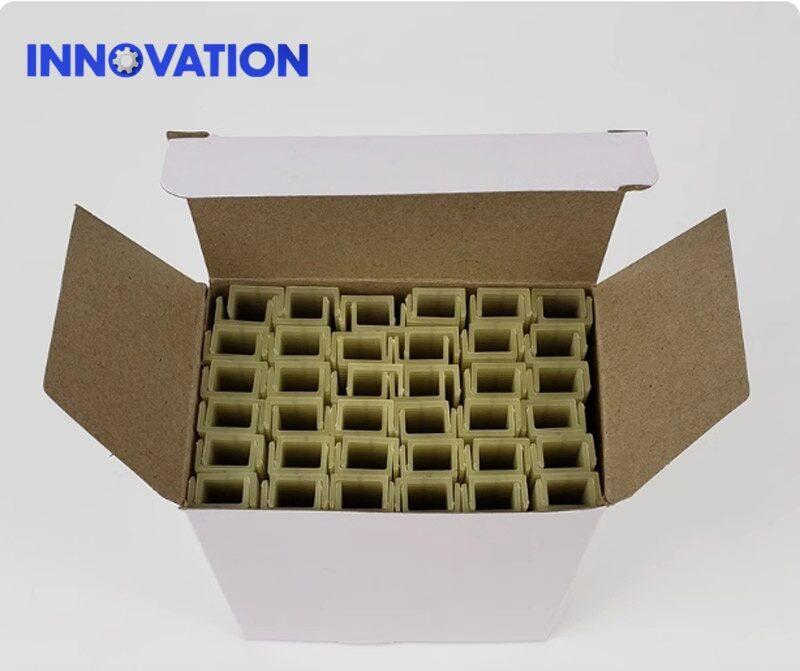
Tool Safety in Woodworking
One overlooked advantage of plastic staples is their compatibility with cutting and sanding operations.
When wood panels containing plastic staples are later:
- Sawed
- Sanded
- Routed
They do not damage blades, belts, or knives, significantly reducing tooling costs and downtime.
Metal staples frequently cause:
- Blade chipping
- Premature wear
- Production interruptions
Industry-Specific Applications
Plastic staples have moved far beyond niche fastening solutions and are now widely adopted across multiple industrial sectors. Their non-corrosive, lightweight, and non-conductive properties make them particularly suitable for environments where traditional metal fasteners introduce risks or limitations.
Woodworking and Furniture Manufacturing
In woodworking and furniture production, plastic staples are extensively used to fasten:
- Veneers and thin decorative laminates
- Upholstery fabrics and leather coverings
- Foam padding and cushioning layers
- Decorative panels and composite boards
Unlike metal staples, plastic staples do not rust, oxidize, or bleed through surface finishes over time. This is especially critical for visible surfaces such as cabinet exteriors, upholstered furniture frames, and premium interior panels. Additionally, plastic staples eliminate the risk of damaging saw blades, sanding belts, or CNC cutting tools during downstream processing, which can significantly reduce tooling costs and production downtime.
From a production standpoint, manufacturers also benefit from consistent staple feeding and reduced tool wear, improving line efficiency and product consistency.
Automotive Interiors
Modern automotive design increasingly prioritizes lightweight construction, corrosion resistance, and noise reduction. Plastic staples align well with these goals and are commonly applied in:
- Door panel assemblies
- Roof liners and headliners
- Sound insulation and vibration-damping layers
- Cable routing and wire harness fixation
Because plastic staples are inherently vibration-absorbing, they help reduce rattling and noise over the vehicle’s service life. Their non-metallic nature also prevents galvanic corrosion when used alongside aluminum or composite components—an issue that can occur with traditional metal fasteners. As a result, plastic staples contribute to improved long-term durability and lower warranty risks for automotive manufacturers.
Packaging and Logistics
In packaging and logistics, plastic staples offer unique advantages in both performance and compliance. Typical applications include:
- Securing plastic films and flexible packaging materials
- Reinforcing cartons and lightweight packaging structures
- Use in cold-chain and refrigerated logistics environments
Plastic staples maintain their mechanical strength and holding power in high-humidity or low-temperature conditions where metal fasteners may corrode or weaken. More importantly, they eliminate the risk of metal contamination, making them particularly suitable for food-adjacent packaging, pharmaceutical logistics, and clean distribution channels.
Their corrosion resistance and chemical stability also support longer storage periods and safer handling across international supply chains.al contamination must be avoided.
Electronics and Medical Fields
In highly regulated industries such as electronics and medical manufacturing, fastening solutions must meet strict safety and compliance standards. Plastic staples are often preferred where:
- Metal detection and traceability are required
- Electrical insulation is critical
- Clean-room compatibility is essential
The non-magnetic and non-conductive properties of plastic staples reduce the risk of electrical interference, short circuits, and equipment damage. In medical device assembly or electronics packaging, their clean, metal-free structure supports compliance with industry regulations related to contamination control, product safety, and quality assurance.
Environmental and Sustainability Considerations
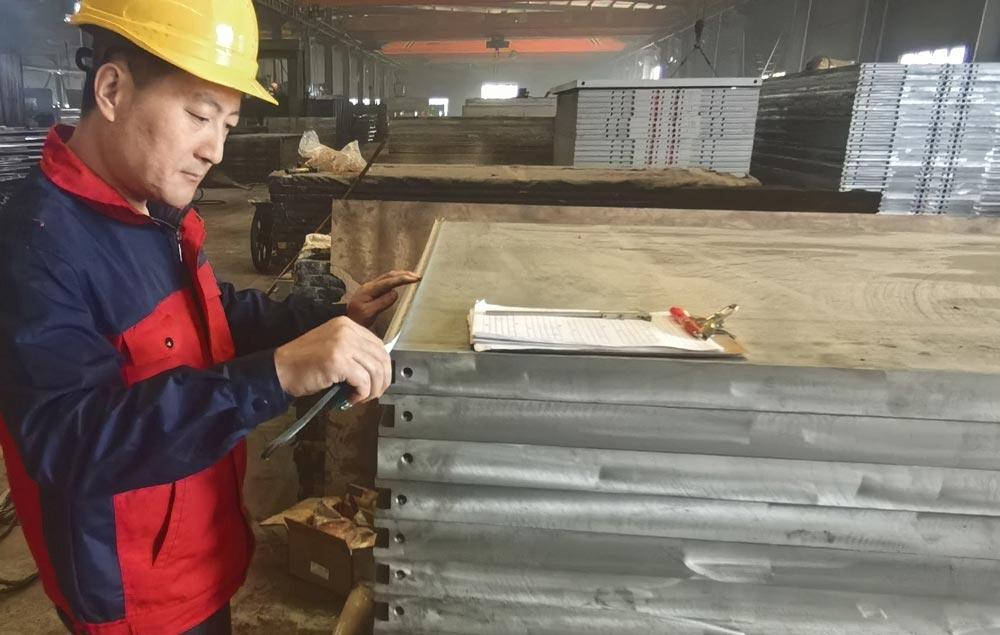
As sustainability becomes a core concern across manufacturing sectors, plastic staples offer several environmental advantages over traditional metal fasteners.
Material Efficiency
Plastic staples are typically produced through precision injection molding, a process known for its high material utilization rate. Excess material generated during molding can often be recycled directly back into production, minimizing waste and improving overall resource efficiency.
Recyclability
Most plastic staples are manufactured from thermoplastic materials such as nylon, polypropylene, or reinforced engineering plastics. These materials can be:
- Reprocessed into new plastic components
- Recycled through established industrial recycling systems
- Integrated into circular manufacturing models
This recyclability supports corporate sustainability goals and helps manufacturers reduce their environmental footprint without compromising fastening performance.
Lower Lifecycle Emissions
According to industry lifecycle assessments, plastic fasteners often generate lower total greenhouse gas emissions than metal alternatives when the full lifecycle is considered. Factors such as corrosion prevention treatments, surface coatings, frequent replacements, and higher energy consumption in metal processing all contribute to increased emissions. Plastic staples, by contrast, offer longer service life and require fewer secondary treatments, resulting in reduced overall environmental impact.
Cost Analysis: Plastic vs Metal Staples
Initial Cost vs Total Cost of Ownership
Metal staples may appear cheaper upfront, but plastic staples often deliver:
- Lower maintenance costs
- Reduced tool replacement expenses
- Fewer product rejects
- Longer service life
Over long production cycles, plastic staples frequently offer better ROI.
Expert Opinions and Industry Trends
Manufacturing Engineers’ Perspective
According to materials engineers from leading furniture and automotive suppliers, the shift toward plastic fasteners is driven by:
- Lightweight design strategies
- Corrosion-free assemblies
- Automation-friendly components
Market Trend Insight
Industry data shows the global plastic fastener market growing at over 5% CAGR, driven by:
- Automotive light weighting
- Electronics miniaturization
- Sustainable manufacturing goals
Plastic staples are a key contributor to this trend.
When Metal Staples Still Make Sense
Plastic staples are not a universal replacement. Metal staples remain suitable when:
- Extremely high static loads are required
- Structural rigidity is the top priority
- High-temperature exposure exceeds polymer limits
Understanding application boundaries ensures optimal fastening decisions.
Decision Guide: Which Staple Should You Choose?
Choose Plastic Staples When:
- Corrosion resistance matters
- Electrical insulation is required
- Post-processing involves cutting or sanding
- Appearance quality is critical
Choose Metal Staples When:
- Maximum load-bearing is essential
- Cost is the only priority
- The environment is dry and controlled
Final Thoughts
Plastic staples represent a mature, technically advanced fastening solution rather than a niche alternative. Through superior corrosion resistance, tool safety, electrical insulation, and environmental benefits, they outperform metal staples in many modern manufacturing scenarios.
As industries continue to prioritize durability, sustainability, and process efficiency, plastic staples are no longer just an option—they are increasingly the preferred fastening standard.
FAQ
Are plastic staples strong enough for industrial use?
Yes. Modern plastic staples offer high holding power and excellent fatigue resistance for most industrial and commercial applications.
Can plastic staples replace metal in furniture production?
In most furniture and upholstery applications, plastic staples are not only sufficient but preferred.
Do plastic staples work with standard staple guns?
Yes. They are compatible with manual, electric, and pneumatic plastic staple guns designed for polymer fasteners.
Are plastic staples safe for food-related environments?
Yes. Their non-metallic nature reduces contamination risks and supports hygiene standards.
How long do plastic staples last?
Under normal conditions, plastic staples can last decades without corrosion or degradation.
 English
  Vietnamese
  Arabic