
News
Hot Press Machine for Laminate Safety & Operation Guide
Welcome to My Blog!
I’m so glad you’re here. Before we dive into the content, I’d love to connect with you beyond this page. On my social media, I regularly share industry insights, product updates, and behind-the-scenes moments — plus, it’s a great place for us to interact!
Follow us on Facebook: Shandong Chuangxin Automation Equipment Co., Ltd
Let’s grow together and stay connected. Now, let’s jump into the blog — I hope you find the content informative, engaging, and truly valuable.
Table of Contents
Key Takeaways of This Blog
- Understand essential safety protocols for operating hot press machines for laminate
- Learn step-by-step operational procedures for optimal performance and quality
- Compare different types of hot press machines, including single-layer and high-layer presses
- Explore advanced automation features and their impact on workflow efficiency
- Access maintenance and energy efficiency best practices for industrial-scale production
- Review expert opinions and industry standards on hot press operation and laminate quality
- Consult the FAQ section for practical answers to common operational questions
Introduction
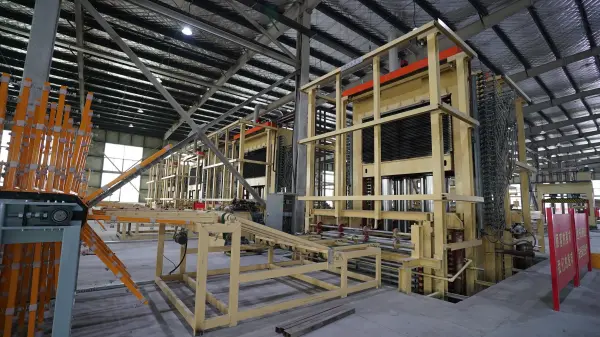
In today’s competitive laminate manufacturing industry, productivity and safety are paramount. The hot press machine for laminate plays a pivotal role in ensuring uniform adhesion, high-quality panels, and efficient workflow. According to Dr. Emily Zhang, Director of Industrial Machinery Research at the China Wood Industry Association, “Modern laminate production cannot afford inconsistencies. Properly operated hot press machines are the backbone of both efficiency and product reliability.”
The integration of advanced PLC controls, automated loading systems, and uniform hydraulic pressure distribution has transformed laminate pressing from a labor-intensive process to a highly automated and precise operation. For factories aiming to scale production without compromising quality, mastering both safety and operational guidelines is critical.
Understanding Hot Press Machine for Laminate
What is a Hot Press Machine for Laminate?
A hot press machine for laminate is specialized equipment designed to bond multiple layers of veneer, MDF, or plywood under controlled heat and pressure. It ensures consistent thickness, smooth surfaces, and strong adhesion, making it indispensable in wood panel and furniture manufacturing.
Concept Insight: Uniform heat and pressure across all layers prevent delamination and surface defects, key for premium-grade laminates
Types of Hot Press Machines
- Single-Layer Hot Press
Designed to press one panel at a time, suitable for small workshops or custom laminate production
- Pros: Lower initial cost, easy maintenance
- Cons: Limited production capacity, higher labor intensity
- High-Layer Hot Press
Capable of pressing 10–20+ layers simultaneously, ideal for industrial-scale operations
- Pros: High throughput, labor savings, uniform bonding
- Cons: Higher upfront cost, requires trained operators
Concept Insight: Selecting the appropriate press type depends on production volume, workforce availability, and budget constraints
Key Components of a Hot Press Machine for Laminate
- Hydraulic System: Maintains stable pressure across all plates, ensuring consistent bonding. High-performance vane pumps and precision hydraulic valves minimize pressure fluctuation
- Press Plates: Made from Q355B manganese steel or alloy, precision-machined to maintain flatness tolerance within 0.1 mm
- Control Systems: PLC-based digital panels monitor temperature, pressure, and pressing time in real-time
- Frame Structure: Welded, heavy-duty frames ensure stability, vibration resistance, and long-term durability
Operational Guidelines for Hot Press Machines
Pre-Operation Safety Checks
- Inspect hydraulic lines, cylinders, and oil quality
- Ensure emergency stops, interlocks, and safety barriers are functional
- Verify calibration of temperature and pressure sensors
- Check the alignment of press plates and ensure the absence of debris or adhesive residue
Expert Tip: According to Mr. Li Wei, Senior Mechanical Engineer at Shandong Laminates Co., Ltd., “Skipping pre-operation checks is one of the main causes of uneven bonding and plate wear. Always dedicate 15 minutes to thorough inspection before pressing”
Loading and Unloading Procedures
- Use automated conveyors or hoists whenever possible to reduce labor risks
- Place laminate layers evenly to avoid plate stress and uneven bonding
- Never exceed rated load to prevent hydraulic system damage
Pressing Operation Steps
- Set temperature according to material type (e.g., MDF: 140–160°C, veneer: 160–180°C)
- Adjust pressure according to layer count and thickness (typically 1.0–2.0 MPa per layer)
- Initiate press cycle and monitor parameters on the PLC panel
- Allow panels to cool slightly before unloading to avoid deformation
Post-Operation Safety Measures
- Release residual hydraulic pressure slowly
- Clean plates and machine surfaces to prevent resin or adhesive buildup
- Record cycle data for preventive maintenance and quality tracking
Comparing Hot Press Machines for Laminate
| Feature | Single-Layer Press | High-Layer Hot Press |
|---|---|---|
| Layers Pressed | 1 | 10–20+ |
| Production Output | 20–50 panels/day | 200–500 panels/day |
| Energy Consumption | Lower per cycle | Higher per cycle, but more energy-efficient overall |
| Labor Requirement | High | Low due to automation |
| Best Use Case | Small workshops, custom panels | Industrial-scale production |
| Average Pressing Time | 10–15 min per panel | 5–8 min per panel per layer |
Concept Insight: High-layer presses, despite higher energy use per cycle, drastically reduce labor costs and improve overall factory throughput, making them more suitable for large-scale production
Safety Features to Prioritize
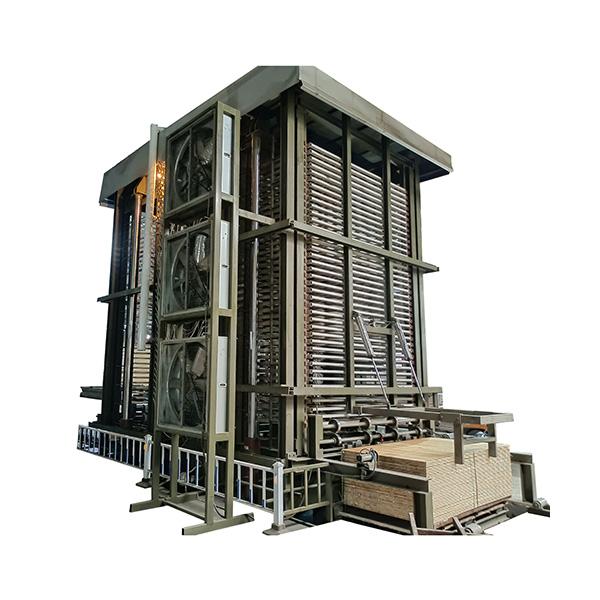
Emergency Stop and Interlock Systems
- Instantly halts operation to prevent accidents
- Critical for areas with manual intervention during loading/unloading
Temperature and Pressure Monitoring
- Continuous monitoring avoids overheating and over-pressurizing
- Maintains laminate quality and prolongs machine lifespan
Plate Alignment and Safety Bars
- Prevent misalignment and uneven bonding
- Safety bars protect operators from moving plates during cycles
Maintenance Tips for Optimal Performance
Routine Inspection
- Check hydraulic oil level and quality weekly
- Inspect press plates for scratches, warping, or surface wear
- Test PLC sensors for temperature and pressure accuracy
Preventive Maintenance
- Replace worn hydraulic seals proactively
- Lubricate moving components to prevent friction and wear
- Maintain a log of pressing cycles, energy consumption, and machine parameters for predictive maintenance
Energy Efficiency Practices
- Use thermal oil heating systems for uniform heat distribution
- Minimize idle time between cycles to reduce energy waste
- Calibrate sensors regularly to maintain consistent performance
Advanced Operational Concepts
Multi-Layer Pressing Efficiency
High-layer presses can handle 10–20 layers simultaneously. For example, a 500T 20-layer machine with 21 plates can process panels with flatness tolerance within 0.1 mm, ensuring uniform bonding
Automation and Workflow Optimization
- Automated loading/unloading reduces labor and risk of injury
- PLC control enables precise parameter adjustments in real-time, improving both efficiency and consistency
- Data logging allows factories to analyze energy consumption and optimize pressing cycles
Integration with Smart Manufacturing
- IoT sensors can monitor plate temperature, pressure, and cycle count remotely
- AI-driven predictive maintenance minimizes downtime and prevents hydraulic failures
- Enables integration with factory MES systems for full production visibility
Best Practices for Different Materials
MDF Panels
- Temperature: 140–160°C
- Pressure: 1.0–1.5 MPa per layer
- Pressing Time: 8–12 minutes depending on thickness
Hardwood Veneers
- Temperature: 160–180°C
- Pressure: 1.5–2.0 MPa per layer
- Pressing Time: 10–15 minutes
Concept Insight: Different laminate materials require precise adjustments in temperature, pressure, and time to ensure adhesion without damaging the surface
Common Operational Challenges and Solutions
Uneven Bonding
- Cause: Misaligned plates or inconsistent hydraulic pressure
- Solution: Inspect alignment before pressing and check cylinder performance
Plate Wear and Surface Scratches
- Cause: Adhesive residue, improper cleaning, or overloading
- Solution: Routine cleaning and adherence to load limits
Hydraulic Failures
- Cause: Oil contamination, worn seals, or pump issues
- Solution: Follow preventive maintenance schedules and use high-quality hydraulic oil
Energy Inefficiency
- Cause: Excess idle time or uneven heating
- Solution: Implement energy-efficient heating cycles and optimize press scheduling
Conclusion
Mastering the operation and safety of a hot press machine for laminate is essential for producing high-quality panels efficiently. By following the guidelines in this guide:
- Safety risks are minimized with emergency systems and proper checks
- Production efficiency is maximized with high-layer presses and automation
- Energy efficiency and maintenance practices prolong machine lifespan
- Advanced monitoring and IoT integration allow predictive maintenance and real-time workflow optimization
Expert Opinion: Dr. Emily Zhang emphasizes, “The combination of modern automation, precise hydraulic systems, and operator vigilance defines success in laminate pressing. Factories that implement these practices achieve superior quality and consistent output.”
Adhering to these principles ensures reliable laminate production, optimized workflow, and a safer, more sustainable manufacturing environment.
FAQ
How do I choose the right hot press machine for laminate?
Consider production volume, layer count, automation level, and factory space. High-layer presses suit mass production, while single-layer presses are ideal for smaller workshops
What safety precautions should I follow?
Check hydraulic systems, emergency stops, temperature and pressure sensors, and plate alignment before operation. Avoid exceeding load limits
How can I maintain uniform bonding quality?
Ensure precise temperature and pressure, clean plates, and maintain sensors regularly. Use automated systems for consistent layer placement
Can a single operator handle a high-layer hot press?
Yes, with automated loading/unloading and PLC controls, one operator can safely manage multiple layers simultaneously
What is the difference between thermal oil and steam heating?
Thermal oil offers uniform heat and high energy efficiency. Steam heats faster but may have minor fluctuations affecting layer consistency
How often should hydraulic oil be replaced?
Industry standard recommends replacement every 6–12 months depending on workload and oil quality to maintain consistent pressure and prevent system wear
Can AI-driven monitoring improve production efficiency?
Yes, AI can predict maintenance needs, detect abnormal temperature or pressure deviations, and optimize press cycles, reducing downtime and improving output
 English
  Vietnamese
  Arabic