
News
Edging Tool for Wood for Clean Edges: Achieving Perfect Precision in Modern Woodworking
Welcome to My Blog!
I’m so glad you’re here. Before we dive into the content, I’d love to connect with you beyond this page. On my social media, I regularly share industry insights, product updates, and behind-the-scenes moments — plus, it’s a great place for us to interact!
Follow us on Facebook: Shandong Chuangxin Automation Equipment Co., Ltd
Let’s grow together and stay connected. Now, let’s jump into the blog — I hope you find the content informative, engaging, and truly valuable.
Table of Contents
Key Takeaways of This Blog
- The importance of clean edges in woodworking
- Differences between manual, semi-automatic, and automatic edging tools
- Advantages of automated roller trimming machines
- Workflow and operational concepts of modern edging tools
- Economic impact and ROI of investing in modern equipment
- Expert insights and case studies from woodworking industry
- Selection guide for different wood types, panel dimensions, and workshop needs
- Frequently asked questions and practical tips for optimal results
Introduction
Imagine spending hours crafting a high-quality wooden cabinet, only to have its edges look uneven or rough. Edge quality is often the difference between a professional finish and an amateur-looking product. In today’s woodworking industry, precision is not a luxury—it’s a necessity. From large-scale MDF panel production to boutique furniture workshops, using the right edging tool for wood ensures clean, smooth, and consistent edges that enhance both appearance and structural integrity.
Industry surveys show that up to 35% of rework in panel production is caused by poor edge trimming. This directly increases labor costs, material waste, and delays in delivery, ultimately affecting customer satisfaction. Modern edging tools, particularly automated roller trimming machines, address these challenges efficiently while maintaining high productivity and reducing human error.
What is an Edging Tool for Wood?
Concept of Wood Edging
An edging tool for wood is a specialized device designed to trim, shape, and refine panel edges. Its purpose is to ensure panels are dimensionally accurate, aesthetically pleasing, and ready for further processes like lamination, painting, or assembly.
Why Edge Quality Matters
High-quality edges prevent common problems such as:
- Splintering during assembly
- Gaps between joined panels
- Uneven finishes on laminated or veneered surfaces
Proper edging also distributes stress evenly across panel edges, increasing the longevity of the finished product.
Types of Edging Tools for Wood
Manual Hand Edging Tools
Hand tools like planes, chisels, and scrapers are suitable for small-scale or intricate work.
- Precision: Allows for delicate adjustments on complex cuts.
- Limitations: Labor-intensive, slower, and inconsistent for large-scale production.
Semi-Automatic Edging Machines
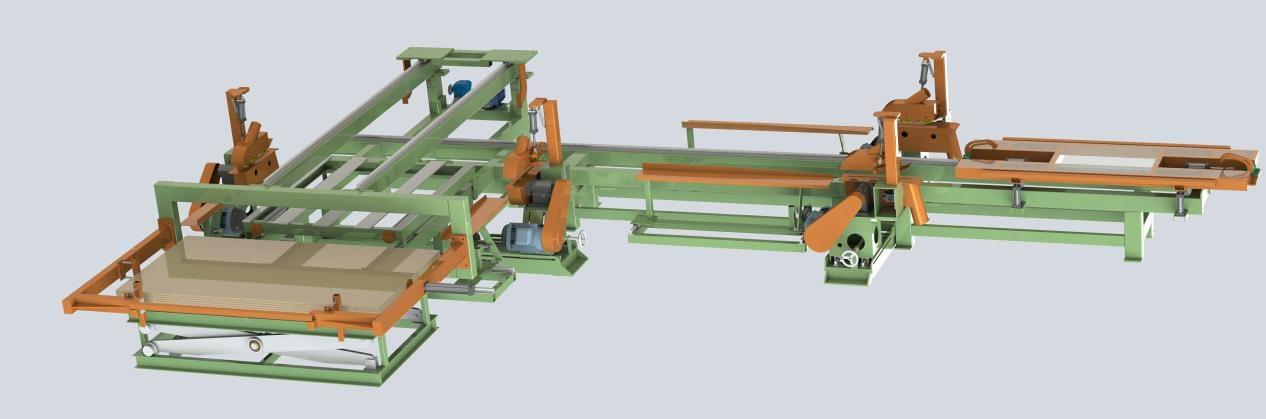
Semi-automatic tools combine manual adjustments with mechanized feed systems.
- Applications: Medium-volume production.
- Advantages: More consistent than manual tools while retaining some operator control.
Automatic Roller Edge Trimming Machines
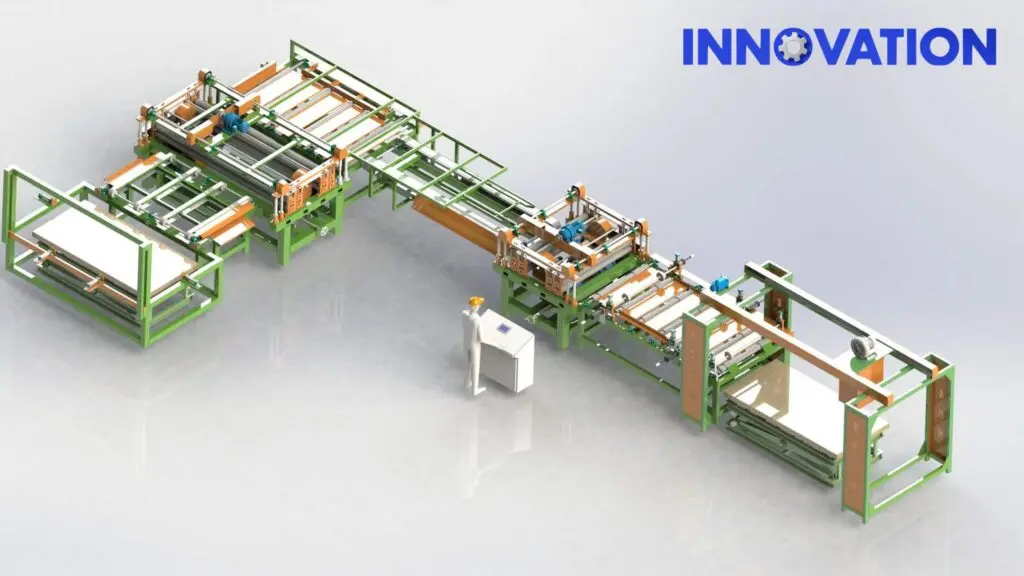
Automated roller machines are transforming large-scale panel processing:
- High Efficiency: Fast cutting speed combined with automatic feeding can double output compared to manual methods.
- Precision: Maintains uniform edges across multiple panels.
- Labor Reduction: Minimal operator intervention and reduced human error.
Workflow of Automatic Edging Machines
- Panels are placed on infeed rollers.
- Rollers guide panels through high-speed trimming blades.
- Excess material is precisely removed, producing clean and smooth edges.
- Finished panels exit via outfeed conveyors, ready for edge banding or finishing.
According to a 2024 survey by the Woodworking Machinery Institute, automated edging machines can reduce trimming defects by up to 60%, improving yield and consistency across production lines.
Key Features of Modern Edging Tools for Wood
High-Precision Cutting Mechanisms
Modern machines use sharp rotary blades and stabilized guide rollers to achieve exact cuts, often within tolerances of ±0.2 mm.
Adjustable Feed Speeds
Variable speed controls allow operators to process both soft and hardwood panels efficiently, minimizing tear-out and chipping.
Multi-Directional Trimming
Advanced models trim both longitudinal and transverse edges without additional setups, saving time and increasing productivity.
User-Friendly Control Systems
PLC touchscreens, digital readouts, and pre-set programs allow operators to achieve consistent results, even with varying panel sizes.
Comparison: Manual vs Semi-Automatic vs Automatic Edging Tools
| Feature | Manual Tools | Semi-Automatic Machines | Automatic Roller Machines |
|---|---|---|---|
| Edge Precision | Medium | High | Very High |
| Speed | Low | Medium | High |
| Labor Intensity | High | Medium | Low |
| Panel Size Capacity | Small | Medium | Small to Large |
| Consistency | Variable | Good | Excellent |
| Suitability for Workshops | Small | Medium | Large & Industrial |
Insight: For workshops producing 500+ panels per day, automatic machines significantly reduce production time and labor costs.
Materials and Applications
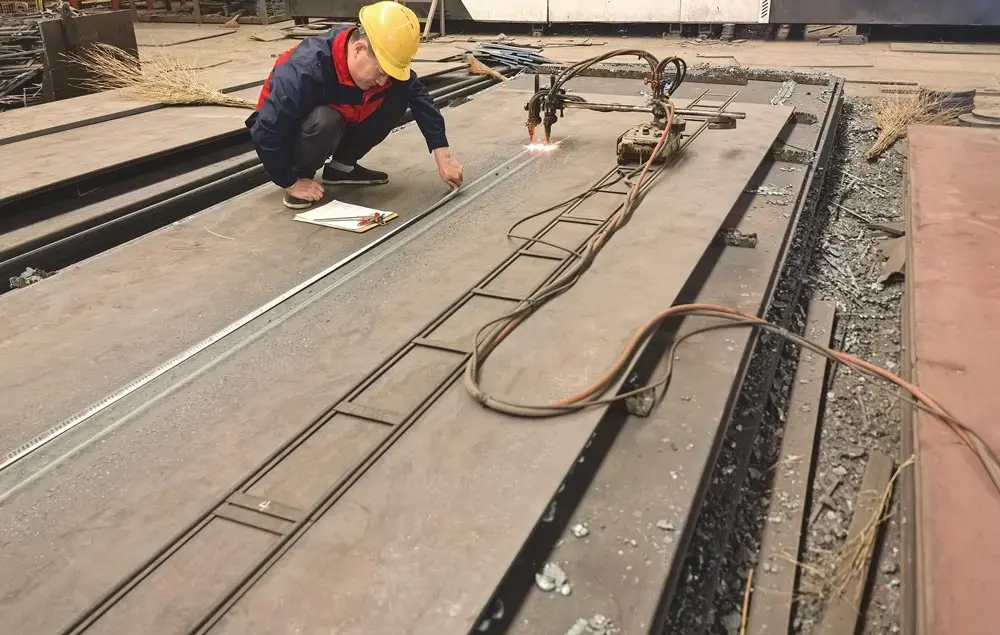
MDF and Particle Board
- Soft to medium-density boards require sharp blades and steady feed.
- Automated edging prevents splintering and ensures uniform finishes.
Plywood
- Multi-layered boards demand careful trimming to avoid veneer separation.
- Roller feed and speed adjustment reduce stress on thin veneers.
Laminated Panels
- Proper trimming prevents peeling or chipping of the laminate.
- Automated machines ensure smooth edges without damaging the surface.
Economic Benefits of Investing in Modern Edging Tools
ROI Analysis
While high-quality automated machines have higher upfront costs, they reduce labor, waste, and rework. Payback periods typically range from 12–18 months for medium-to-large workshops.
Labor Cost Reduction
Operators can supervise multiple machines simultaneously, reducing physical strain and enhancing workplace safety.
Material Efficiency
Consistent cuts reduce scrap panels. Optimized trimming can improve production yield by up to 20%.
Expert Insights
“Automation in edge trimming has fundamentally changed panel production. Consistent edges, reduced labor, and higher throughput make it essential for any modern workshop.”
– Dr. Alan Meyer, Senior Woodworking Engineer, American Panel Association
“For high-volume production, investing in roller edge trimming machines is no longer optional. It’s a strategic decision for quality and efficiency.”
– Prof. Li Wei, China Woodworking Machinery Research Center
Workflow Optimization: Tips for Maximum Efficiency
- Pre-inspect panels for warping or defects.
- Maintain blade sharpness regularly for consistent edge quality.
- Adjust feed speed according to material density.
- Calibrate rollers to maintain uniform pressure.
- Integrate edging with edge banding for streamlined workflow.
Future Trends in Edging Tools for Wood
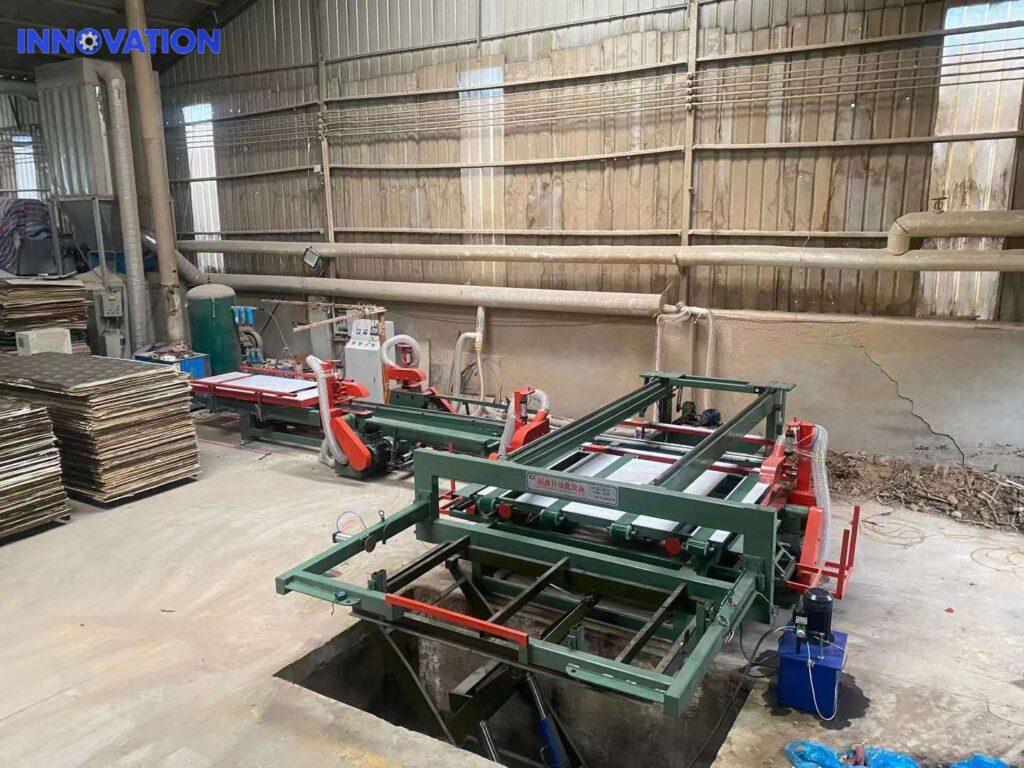
Digital and IoT Integration
Smart sensors monitor blade wear, feed consistency, and panel alignment in real time.
Remote Monitoring and Automation
Operators can supervise multiple machines from a single station, increasing efficiency and safety.
Environmental Sustainability
Optimized trimming reduces waste and energy consumption, supporting eco-friendly manufacturing.
Conclusion
Using the right edging tool for wood is crucial for achieving clean, precise, and durable edges. Manual tools may work for hobbyists, but automatic roller edge trimming machines are indispensable for professional workshops and large panel production. They increase efficiency, reduce labor costs, minimize waste, and ensure consistently high-quality output. Investing in modern edging tools is not just upgrading equipment—it is a strategic step to future-proof woodworking operations, improve productivity, and deliver superior products.
FAQ
What thickness of panels can edging tools handle?
Most modern machines can handle panels from 3 mm to 35 mm, with adjustable feed and blade height.
Are automatic edging machines suitable for small workshops?
Yes, compact versions exist that improve precision and efficiency without requiring large floor space.
How often should blades be replaced or sharpened?
High-quality blades typically last 500–1000 panels, depending on material density.
Can these tools handle laminated surfaces?
Yes, high-speed blades and guided rollers prevent peeling and ensure smooth edges.
How can I maintain consistent edge quality across large volumes?
Regular calibration, blade maintenance, and speed adjustment are essential.
 English
  Vietnamese
  Arabic