
News
How Cold Press Wood Is Made Step by Step: Modern Manufacturing
Welcome to My Blog!
I’m so glad you’re here. Before we dive into the content, I’d love to connect with you beyond this page. On my social media, I regularly share industry insights, product updates, and behind-the-scenes moments — plus, it’s a great place for us to interact!
Follow us on Facebook: Shandong Chuangxin Automation Equipment Co., Ltd
Let’s grow together and stay connected. Now, let’s jump into the blog — I hope you find the content informative, engaging, and truly valuable.
Table of Contents
Why This Guide Matters
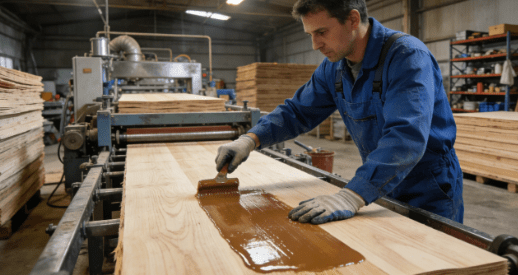
If you are a plywood manufacturer, furniture producer, or a buyer of engineered wood panels, you’ve probably heard about cold press wood. But do you know why cold pressing is the hidden secret behind high-quality plywood and stable panel production?
Cold press wood is not just a manufacturing step—it is the foundation of product reliability. It affects the final strength, flatness, moisture resistance, and even the appearance of the finished board. A single mistake in cold press production can cause delamination, warping, bubbling, or poor bonding, which directly leads to product failure.
In today’s competitive market, where energy costs and quality requirements are constantly rising, cold press wood has become the key to reducing production costs, improving yield, and ensuring consistent quality. This guide will take you through the process step by step, and provide the most professional, data-driven insights for engineers, buyers, and factory owners.
Key Points You Will Learn in This Article
- The full workflow of cold press wood production
- The science behind cold pressing and adhesive bonding
- Detailed cold press machine specifications and how they affect quality
- Step-by-step process with practical operation tips
- Common defects and how to avoid them
- A complete quality inspection checklist
- Comparison: cold press vs hot press vs other bonding methods
- Production optimization strategies and cost-saving tips
- How to choose the right cold press machine (buyer’s guide)
- Frequently asked questions with clear answers
- Industry insights and expert viewpoints
Understanding Cold Press Wood: The Concept and Science
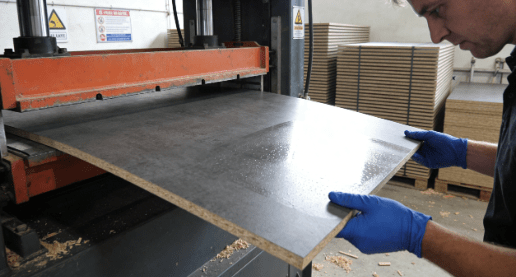
What Is Cold Press Wood?
Cold press wood refers to wood panels or veneers bonded under hydraulic pressure without heating. It is used primarily as a pre-press stage in plywood manufacturing. The cold press process ensures that glue is evenly distributed and the layers are stable before entering the hot press.
The Core Purpose of Cold Pressing
Cold press wood is designed to achieve:
- Preliminary bonding strength
- Air bubble removal
- Layer alignment
- Surface flatness
- Reduced internal stress
Why Cold Pressing Is Necessary
Cold pressing is not an optional step—it is essential for:
- Avoiding misalignment during hot pressing
- Reducing air pockets that lead to delamination
- Stabilizing glue distribution
- Ensuring consistent thickness
In modern production, cold press wood is considered a quality control step, not just a production step.
Cold Press Wood vs Hot Press: The Real Difference
| Feature | Cold Press | Hot Press |
|---|---|---|
| Temperature | No heat | High heat |
| Energy consumption | Low | High |
| Purpose | Pre-bonding | Final curing |
| Cycle time | Short | Long |
| Final strength | Medium | High |
| Common defects | Glue unevenness, bubbles | Overpressing, burn marks |
Cold press wood aims to pre-bond and stabilize, while hot press finalizes bonding strength and curing.
Cold Press Machine: The Heart of Cold Press Wood Production
What Is a Cold Press Machine?
A cold press machine is a hydraulic press that applies uniform pressure on a wood panel without heating. It ensures strong bonding, flat surfaces, and stable production.
Core Features of Cold Press Machines
Cold press machines typically have:
- Strong welded frame for stability
- Hydraulic cylinders for uniform pressure
- Automatic control systems for consistent cycles
- Low energy consumption due to no heating
- Fast production cycle for mass production
Industry Example: 400T Cold Press Machine
| Parameter | Specification |
|---|---|
| Total Pressure | 400T |
| Frame Structure | Welded frame with precision machining |
| Daylight Opening | 1800mm |
| Hydraulic Cylinder | 320×900mm, 26 MPa |
| Control System | Fully automatic |
| Motor Power | 7.5KW (fast pump), 5.5KW (high pressure) |
| Hydraulic Valves | Taiwan Jiugang |
Step-by-Step Process of Making Cold Press Wood
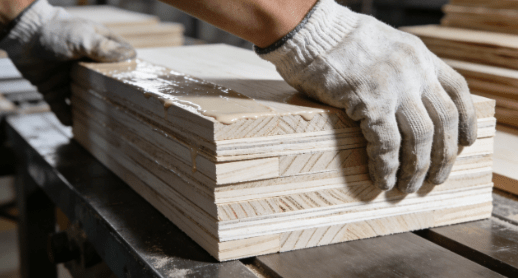
Step 1: Raw Material Selection
Veneer Selection
Veneer quality determines the final panel strength and surface finish.
Good veneers have:
- Uniform thickness
- Low moisture content (typically 8–12%)
- No cracks or warping
Glue Selection
Common adhesives used in cold press wood include:
- Phenolic resin: high strength, water resistance
- Urea-formaldehyde: economical, indoor use
- Melamine-urea: improved moisture resistance
Step 2: Glue Application
Glue Spreading Techniques
Glue must be spread evenly using a glue spreader to avoid:
- Over-gluing
- Air pockets
- Uneven bonding
Concept: Glue Coverage Rate
Glue coverage should be calculated based on panel size and glue type. Correct coverage ensures strong bonding and reduces waste.
Step 3: Veneer Assembly and Layering
Layering Order
Correct layering ensures:
- Balanced internal stress
- Uniform thickness
- Stronger panel structure
Concept: Grain Direction
Alternating grain direction improves stability and reduces warping.
Step 4: Panel Loading into Cold Press
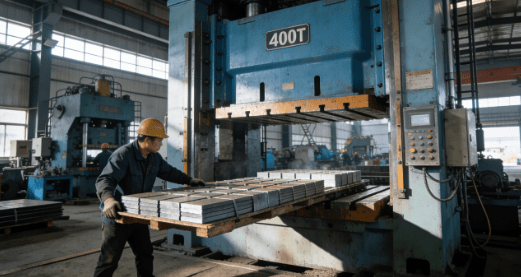
Proper Loading Techniques
Panels should be loaded carefully to avoid damage and ensure alignment. Using a forklift or hydraulic lift can improve efficiency and reduce labor.
Concept: Handling and Safety
Correct handling improves quality and reduces workplace accidents.
Step 5: Cold Pressing Operation
Pressure Application
The hydraulic system applies uniform pressure, typically 1–5 MPa, depending on panel type.
- Low pressure for thin panels
- High pressure for thick or high-density panels
Concept: Uniform Pressure Distribution
Uniform pressure ensures even bonding and prevents air pockets.
Step 6: Holding Time
Typical Pressing Time
Cold press time is usually 3–10 minutes.
Longer time improves stability but reduces production speed.
Concept: Partial Curing
Cold press aims for partial glue setting. The final curing happens in hot press.
Step 7: Platen Release and Panel Unloading
Automatic Release
The platen rises automatically after pressing.
The panel is removed and sent to hot press.
Concept: Pre-Press Stability
Cold press wood ensures the panel stays stable and flat before final curing.
Cold Press Wood Quality Checklist
| Quality Indicator | Inspection Method | Standard |
|---|---|---|
| Panel flatness | Visual + measuring | ≤ 1–2 mm deviation |
| Glue line uniformity | Visual inspection | No glue starved areas |
| Bonding strength | Pull test | Meets standard |
| Moisture content | Moisture meter | 8–12% |
| Surface defects | Visual inspection | No bubbles or cracks |
| Thickness tolerance | Caliper measurement | ±0.2 mm |
Common Defects and How to Fix Them
Air Bubbles
Cause: uneven glue, insufficient pressure
Solution: improve glue spread and increase pressure
Delamination
Cause: low glue coverage or incorrect pressing time
Solution: increase glue coverage and pressing time
Warping
Cause: uneven moisture or grain direction
Solution: control moisture and adjust layering
Production Optimization Strategies for Cold Press Wood
Reducing Defect Rate with Process Control
Quality control in cold press wood relies on:
- Accurate glue spreading
- Stable pressure control
- Consistent timing
- Strict material control
Data-Based Optimization
Some factories have implemented real-time monitoring systems. Data shows that stable pressure control reduces defects by up to 25%.
Energy Saving and Cost Reduction
Cold press wood is inherently energy-efficient, but further savings can be achieved by:
- Using low-energy hydraulic systems
- Reducing cycle time through automation
- Improving glue usage efficiency
Cold Press Wood in Different Applications

Plywood Production
Cold press wood is essential in multi-layer plywood production as a pre-press step. It ensures:
- Layer alignment
- Glue stability
- Flatness
Furniture Panels
Cold press wood is widely used in furniture production for:
- Laminated boards
- Decorative panels
- Door skins
Other Applications
Cold press wood can also be used in:
- Packaging boards
- Construction panels
- Industrial plywood
Cold Press Wood vs Other Bonding Methods
Cold Press vs Cold Glue Only
Cold press uses pressure, while cold glue only relies on drying.
Cold pressing provides:
- Better flatness
- Higher bonding strength
- Faster production cycles
Cold Press vs Hot Press
Cold press is pre-bonding; hot press is final curing.
Cold press reduces defects and improves yield, while hot press ensures final strength.
Buyer’s Guide: How to Choose the Right Cold Press Machine
Selecting the Right Pressure Capacity
Choose based on panel thickness and type:
- Thin panels: 1–3 MPa
- Heavy-duty panels: 4–5 MPa
Automation Level
Fully automatic systems improve efficiency and reduce labor.
Build Quality
A high-quality frame and hydraulic system ensure long-term stability.
Expert Insights and Industry Perspectives
Industry Expert Viewpoint
A senior engineer from a leading plywood factory said:
“Cold press wood is not a secondary step. It is the foundation of final quality. Good cold press control can reduce defects and improve production stability significantly.”
Industry Data
A factory using cold press technology reported:
- Defect rate reduced by 20–35%
- Yield improved by 10–15%
- Energy consumption reduced by 18–25%
Conclusion
Cold press wood is the foundation of modern plywood and panel manufacturing. By understanding the process step by step, optimizing production, and controlling quality, you can significantly reduce defects, improve yield, and ensure product stability. Cold press is not just a pre-press step—it is the key to building a competitive and efficient production line.
FAQ
What is cold press wood used for?
Cold press wood is used in plywood, laminates, and panel production as a pre-press step before hot pressing.
Is cold press wood as strong as hot press wood?
Cold press wood provides preliminary bonding. Final strength comes after hot pressing.
How long does cold press wood take?
Cold press time is typically 3–10 minutes depending on glue and panel thickness.
Can cold press wood be used without hot pressing?
It can be used in low-demand applications, but high-quality panels require hot pressing.
What pressure is required for cold press wood?
Pressure is usually 1–5 MPa, depending on the panel type.
What happens if pressure is too low?
Low pressure leads to weak bonding and delamination.
How do I know if my cold press machine is working properly?
Check pressure uniformity, platen alignment, and glue line consistency.
What is the difference between cold press and hot press?
Cold press uses pressure only for pre-bonding, while hot press uses pressure and heat for final curing.
How do I reduce air bubbles in cold press wood?
Ensure uniform glue spreading, increase pressure, and check material moisture.
How to control moisture in cold press wood production?
Use a moisture meter and store veneers in a controlled environment (8–12% moisture).
 English
  Vietnamese
  Arabic