
News
7 Powerful Advantages of Cold Press Machine Commercial
Welcome to My Blog!
I’m so glad you’re here. Before we dive into the content, I’d love to connect with you beyond this page. On my social media, I regularly share industry insights, product updates, and behind-the-scenes moments — plus, it’s a great place for us to interact!
Follow us on Facebook: Shandong Chuangxin Automation Equipment Co., Ltd
Let’s grow together and stay connected. Now, let’s jump into the blog — I hope you find the content informative, engaging, and truly valuable.
Table of Contents
Introduction
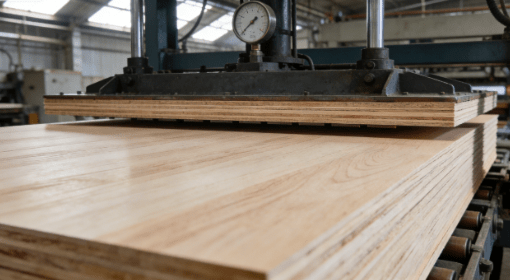
In the competitive world of plywood and wood-based panel manufacturing, efficiency, precision, and sustainability are crucial. Manufacturers face growing demands for higher production rates, superior product quality, and cost-effective operations. Choosing the right machinery can make or break a production line. Among modern solutions, a cold press machine commercial unit has emerged as an indispensable tool for industrial operations.
Cold press machine commercial units apply uniform pressure to wood panels without relying on high heat, enabling consistent bonding, minimal material waste, and safer working conditions. Unlike hot presses, these machines are more energy-efficient and easier to maintain, making them a preferred choice for factories focusing on long-term profitability.
This article explores seven powerful advantages of cold press machine commercial equipment. It also includes real-world case studies, comparative data, maintenance insights, and expert opinions to guide manufacturers in optimizing their production operations.
Key takeaways:
- Enhance product quality and panel uniformity
- Improve energy efficiency and reduce operating costs
- Increase production capacity for large-scale operations
- Ensure workplace safety
- Minimize material waste
- Lower maintenance demands
- Extend machine lifespan for long-term ROI
Advantage 1: Enhanced Product Quality with Cold Press Machine Commercial
Concept: Ensure consistent board density and smooth surface finish
Cold press machine commercial units provide uniform pressure across the panel, improving adhesive penetration and reducing delamination risks. This uniformity is crucial for plywood, laminated veneer lumber (LVL), and decorative boards, where quality deviations can lead to costly rejections.
Technical Insights
Modern cold press machine commercial models feature multi-zone pressure systems, allowing operators to apply varying pressures on different sections of a board. This is particularly useful for large panels, ensuring uniform bonding and preventing warping.
- Veneer adhesion consistency: +/- 0.05 mm
- Panel thickness uniformity: up to 99% across the board
- Surface finish: smoothness rating 0–2 (ISO 1302)
Applications
- Furniture-grade plywood production
- Construction-grade LVL panels
- Decorative laminated boards for interiors
Expert Opinion: Dr. Jonathan Lee, a materials engineer in wood composites, highlights: “A commercial cold press machine reduces production defects significantly. Factories can maintain consistent board quality with minimal manual intervention, improving both customer satisfaction and profitability.”
Advantage 2: Energy Efficiency and Operational Cost Savings
Concept: Reduce energy consumption while maintaining production quality
Cold press machine commercial systems operate at room temperature or slightly elevated levels, unlike hot presses which require high thermal energy. This results in substantial savings on electricity and reduces environmental impact.
Energy Efficiency Data
A study from the International Woodworking Machinery Association (IWMA, 2025) analyzed energy usage in plywood factories:
- Hot press: 1.2–1.5 kWh per m² of panel
- Cold press commercial: 0.8–1.0 kWh per m² of panel
- Annual energy savings: 15–25%
Benefits
- Reduced utility bills
- Lower carbon footprint
- Compatible with green manufacturing initiatives
Applications: Sustainable factories, medium and large-scale production plants seeking reduced operational costs.
Expert Insight: Factory manager Luis Hernandez notes: “Switching to a cold press machine commercial unit decreased our electricity bills by 20% while maintaining high-quality outputs. This investment paid off in under three years.”
Advantage 3: High Production Capacity and Workflow Optimization
Concept: Increase throughput without compromising quality
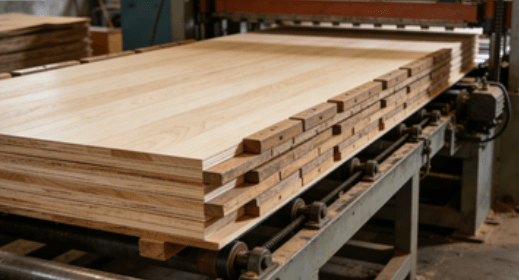
Cold press machine commercial units accommodate large panels and multiple layers simultaneously, allowing manufacturers to meet high-volume demands efficiently. Automation features further streamline the workflow.
Table: Comparison of Cold Press Machine Commercial Models
| Model | Max Panel Size (mm) | Max Pressure (kg/cm²) | Cycle Time (min) | Recommended Production Volume |
|---|---|---|---|---|
| CPM-1200 | 2440 x 1220 | 25 | 3–5 | 1000–1500 panels/day |
| CPM-1500 | 3050 x 1525 | 30 | 4–6 | 1200–1800 panels/day |
| CPM-1800 | 3660 x 1830 | 35 | 5–7 | 1500–2200 panels/day |
| CPM-2000 | 4200 x 2000 | 40 | 6–8 | 1800–2500 panels/day |
This table highlights how pressure, panel size, and cycle time affect production efficiency and throughput.
Applications: Large-scale plywood factories, factories producing custom panel sizes, high-volume decorative board production lines.
Expert Opinion: Production engineer Marta Lopez comments: “Integrating cold press machine commercial units increased our production capacity by nearly 30%, allowing us to handle multiple product lines without compromising quality.”
Advantage 4: Improved Workplace Safety
Concept: Minimize operator risks and ensure a safe working environment
Unlike hot press machines, commercial cold press units operate at lower temperatures, eliminating burn hazards. Modern machines also feature automatic safety locks, emergency stop systems, and pressure relief valves.
Safety Features
- Hydraulic pressure control with automatic cut-off
- Safety interlocks for doors and loading areas
- Operator alert systems for abnormal pressure or misalignment
Applications: Factories with high operator turnover, factories with strict OSHA or local safety standards, indoor production facilities.
Expert Insight: Anna Rodriguez, an industrial safety officer, emphasizes: “Commercial cold press machines reduce heat-related accidents while maintaining high efficiency, making them ideal for employee-centric operations.”
Advantage 5: Reduced Material Waste and Efficient Resource Utilization
Concept: Minimize scrap and optimize raw material usage
Cold press machine commercial units deliver consistent pressure across panels, reducing defects such as delamination, warping, or adhesive voids. Factories benefit from lower raw material wastage and improved resource management.
Data Insight
According to Wood Products International (2024):
- Factories using cold press commercial units reduced raw material waste by 12–18%
- Defective panel rejection rate dropped by 20%
- ROI improved within 2–3 years due to savings on materials and labor
Applications: High-end plywood manufacturing, decorative panel production, factories with high-value raw materials.
Advantage 6: Lower Maintenance Requirements
Concept: Simplified design reduces operational interruptions
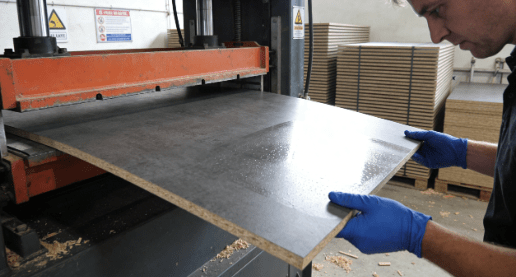
Cold press machine commercial units generally feature fewer moving parts compared to hot presses and operate under less thermal stress, leading to longer component life and lower maintenance frequency.
Maintenance Best Practices
- Lubricate hydraulic components weekly
- Inspect pressure plates and frames monthly
- Clean sensors and control panels to maintain precision
- Schedule annual technical inspection with certified engineers
Expert Insight: Mark Benson, maintenance engineer, says: “With proper preventive maintenance, a cold press machine commercial unit can operate reliably for over 15 years, reducing downtime and maintenance costs.”
Advantage 7: Longer Equipment Lifespan
Concept: Maximize return on investment through durable machinery
Mechanical simplicity, advanced materials, and lower operating temperatures contribute to longer service life for cold press machine commercial units.
Industry Data
- Average lifespan: 15–20 years
- Typical warranty coverage: 3–5 years
- Hot press average lifespan: 10–12 years
Applications: Factories seeking long-term investment returns, high-volume production facilities, operations focused on equipment reliability.
Advanced Features and Technological Integration
Beyond the seven core advantages, modern cold press machine commercial units include advanced features:
- IoT Integration: Real-time monitoring of pressure, cycle time, and production metrics
- Adaptive Pressure Control: Adjusts pressure zones automatically based on panel thickness and adhesive type
- Data Logging: Records each press cycle for quality control and traceability
- Remote Diagnostics: Allows technicians to troubleshoot issues without on-site visits
These features further enhance production efficiency, reduce downtime, and ensure consistent panel quality across shifts.
Case Studies
Dairy Plywood Factory
- Problem: Uneven adhesive bonding led to high rejection rates
- Solution: Installed CPM-1500 cold press commercial unit with multi-zone pressure
- Result: 25% reduction in rejected panels, improved surface finish consistency
Decorative Board Manufacturer
- Problem: High raw material costs due to veneer wastage
- Solution: Adopted CPM-1800 with automated cycle control
- Result: 18% reduction in material waste, production throughput increased by 30%
Medium-Sized Furniture Panel Producer
- Problem: High electricity costs from hot press operations
- Solution: Switched to cold press machine commercial unit
- Result: 22% energy cost reduction, stable production rates, and improved worker safety
Conclusion
Cold press machine commercial units offer unparalleled benefits for plywood, LVL, and decorative panel production. From enhanced product quality and energy savings to high production capacity, safety, reduced waste, and extended equipment lifespan, these machines are essential for modern manufacturing.
Investing in a commercial cold press machine is not merely a purchase of equipment—it is a strategic decision to enhance efficiency, reduce costs, and maintain high standards in competitive markets.
FAQ
What industries use cold press machine commercial units?
Primarily plywood factories, LVL panel production, decorative board manufacturing, and other wood-based panel industries.
How does a cold press machine commercial improve panel quality?
By applying uniform pressure across the entire surface, it ensures consistent adhesive bonding, reducing defects such as delamination and warping.
Can these machines handle large panels?
Yes, modern units accommodate panels up to 4200 x 2000 mm and can handle high production volumes efficiently.
What maintenance is required?
Routine hydraulic lubrication, monthly inspection of pressure plates and frames, cleaning of sensors, and annual professional inspection.
Are cold press machine commercial units more cost-effective than hot presses?
Yes. They consume less energy, require lower maintenance, produce less waste, and offer longer lifespans, making them more economical over time.
How do I select the right model?
Consider panel size, production volume, adhesive type, and available floor space. Consulting with a manufacturer or industry expert can ensure optimal selection.
 English
  Vietnamese
  Arabic