
News
Laminate Cold Press Machine for High-Quality Surface Finishes
Welcome to My Blog!
I’m so glad you’re here. Before we dive into the content, I’d love to connect with you beyond this page. On my social media, I regularly share industry insights, product updates, and behind-the-scenes moments — plus, it’s a great place for us to interact!
Follow us on Facebook: Shandong Chuangxin Automation Equipment Co., Ltd
Let’s grow together and stay connected. Now, let’s jump into the blog — I hope you find the content informative, engaging, and truly valuable.
Table of Contents
Blog Overview: What You Will Learn
- Core functions of a laminate cold press machine
- How cold pressing improves surface quality and adhesion
- Step-by-step workflow in plywood and laminate production
- Material and hydraulic specifications for optimal performance
- Maintenance, operational tips, and troubleshooting
- Comparison with hot press machines
- Industry applications in furniture, doors, and panels
- FAQ addressing common buyer and operator concerns
Introduction
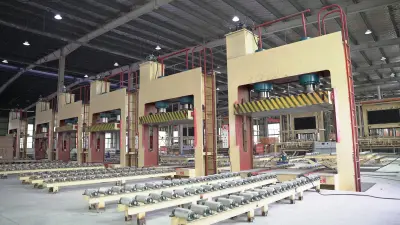
In modern furniture and panel manufacturing, achieving a perfectly flat, defect-free surface is critical. The laminate cold press machine is a game-changer in pre-pressing veneers, laminates, and wood panels. Unlike hot press machines, cold presses rely on uniform hydraulic pressure instead of heat, ensuring strong adhesion while minimizing energy consumption.
This guide is designed for engineers, buyers, and production managers seeking high-quality surface finishes while maximizing operational efficiency. By understanding the working principles, specifications, and practical applications, you can optimize production and reduce material defects.
Understanding the Laminate Cold Press Machine
Definition and Core Concept
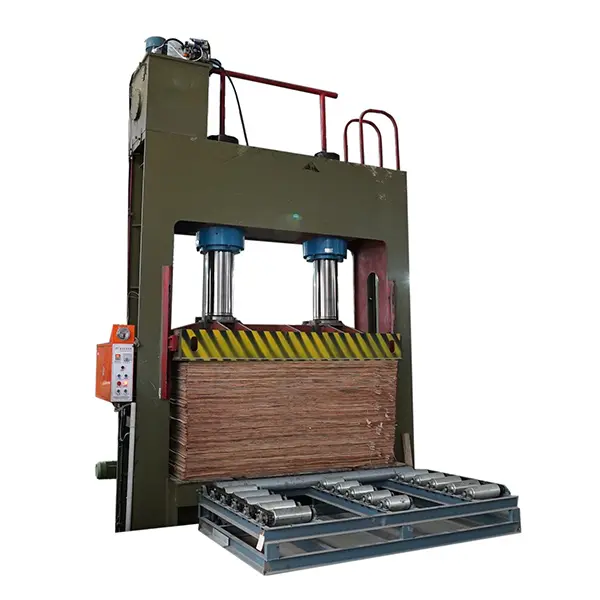
A laminate cold press machine applies hydraulic pressure to glued veneer or laminate layers without heat. This pre-pressing step stabilizes the panel, ensures layer alignment, and removes trapped air bubbles before final hot pressing.
- Hydraulic Uniformity: Even pressure distribution prevents surface warping.
- Energy Efficiency: Operates without electricity-intensive heating, saving power.
- Reduced Defects: Minimizes bubbles, wrinkles, and misaligned laminates.
Key Components
Hydraulic System
The hydraulic system provides consistent pressure across the panel. Key components include high-pressure cylinders, oil pumps, and precision valves.
Press Platen
- Upper and lower platens ensure even contact with the laminated surfaces.
- High-quality steel and surface finishing prevent scratching or wear.
Control System
Automated or semi-automated controls allow precise pressure adjustment and cycle timing, ensuring repeatable quality in mass production.
How Cold Pressing Improves Surface Quality
Pressure Distribution and Bonding
Even hydraulic pressure ensures that adhesive spreads uniformly across veneer layers, which improves bonding strength and reduces surface imperfections.
- Uniform pressing prevents localized bulging.
- Reduces the risk of delamination during hot pressing.
Pre-Setting the Glue
Cold pressing partially sets the adhesive, stabilizing the panel for downstream processing. This step:
- Minimizes air pockets.
- Ensures layers stay aligned during handling.
Surface Finish Quality
A laminate cold press machine ensures smooth, flat panels, critical for:
- Decorative laminates in furniture
- Door surfaces requiring precision finishing
- Panels for flooring or wall cladding
Workflow of a Laminate Cold Press Machine
Step 1: Glue Application
Veneers or laminate sheets are coated with adhesive using a spreader for even coverage.
Step 2: Layer Assembly
Sheets are stacked into panels of desired thickness, either manually or with automated feeders.
Step 3: Panel Loading
The assembled panel is placed onto the cold press platform, often via hydraulic or mechanical lifts.
Step 4: Pressing Operation
Hydraulic cylinders lower the upper platen, applying uniform pressure (1–5 MPa depending on material).
Step 5: Holding Time
Panels remain under pressure for 3–10 minutes to partially set adhesive and stabilize layers.
Step 6: Platen Release and Unloading
The press raises the upper platen, and panels are removed and sent to hot press machines for final curing.
Technical Specifications (Example Model)
| Specification | Parameter |
|---|---|
| Total Pressure | 400T |
| Upper Beam Width | 900 mm |
| Lower Beam Width | 900 mm |
| Middle Beam | 400 mm |
| Frame Steel Thickness | 30 mm |
| Hydraulic Cylinder | Cast steel, alloy plunger, 26 MPa rated pressure |
| Hydraulic System | Pollution-free standard hydraulic station with Jiugang valves |
| Motor | 7.5KW fast pump, 5.5KW high-pressure pump |
| Control System | Fully automatic with precision timing and pressure settings |
| Daylight Opening | 1800 mm |
Laminate Cold Press Machine vs Hot Press Machine
Key Differences
| Feature | Cold Press | Hot Press |
|---|---|---|
| Heat Requirement | None | Required |
| Energy Consumption | Low | High |
| Adhesive Setting | Partial | Full curing |
| Surface Finish | Stable, flat | Can vary if misaligned |
| Maintenance | Simple | Complex, heating elements |
Choosing Between Cold and Hot Press
- Use cold press for pre-bonding, energy efficiency, and layer stabilization.
- Hot press is for final curing and high-temperature adhesive bonding.
Applications in Industry
Furniture Manufacturing
Cold presses are essential for laminated furniture panels, improving efficiency and reducing warping.
Door and Panel Production
Pre-pressing ensures doors remain flat, minimizing sanding and finishing effort.
Plywood and Composite Panels
Essential for multi-layer plywood pre-pressing, maintaining panel uniformity and quality.
Maintenance and Operational Tips
Routine Inspection
- Check hydraulic oil levels and quality.
- Inspect cylinders and platen surfaces for wear.
Lubrication and Cleaning
- Keep moving parts lubricated.
- Clean panels and press surfaces to prevent adhesive buildup.
Troubleshooting Common Issues
- Uneven pressure: Adjust hydraulic system or recalibrate platen.
- Surface marks: Ensure platen surfaces are polished and free from debris.
- Hydraulic leaks: Regularly inspect hoses and seals.
Sustainability and Energy Efficiency
Cold pressing reduces energy consumption by eliminating heat requirements, supporting sustainable production. Recycling laminated panels post-use is also easier due to less cured adhesive at pre-pressing stage.
Conclusion
The laminate cold press machine is a vital tool for producing high-quality, flat, and defect-free panels. By stabilizing glued layers and partially setting adhesives, it ensures superior surface finish, reduces production defects, and improves efficiency in furniture, door, and plywood manufacturing.
Investing in the right cold press system allows manufacturers to optimize production, save energy, and maintain consistent quality. Understanding specifications, workflow, and maintenance practices ensures long-lasting performance and reliable panel finishing.
FAQ
Q1: Can a cold press machine handle thick plywood panels?
A1: Yes, machines with higher pressure ratings (e.g., 400T) can pre-press panels up to several inches thick.
Q2: How long should a panel stay under pressure?
A2: Typically 3–10 minutes depending on adhesive type and layer count.
Q3: Is cold pressing enough for final bonding?
A3: No, cold press is a pre-press step. Final curing usually requires a hot press.
Q4: How does cold pressing improve surface finish?
A4: Even pressure eliminates bubbles and ensures flat, aligned panels, reducing post-processing effort.
Q5: Can cold press machines be automated?
A5: Yes, modern machines feature fully automated hydraulic controls and panel handling systems.
 English
  Vietnamese
  Arabic