
News
Sustainable Options in Pressed Wood Boards
Welcome to My Blog!
I’m so glad you’re here. Before we dive into the content, I’d love to connect with you beyond this page. On my social media, I regularly share industry insights, product updates, and behind-the-scenes moments — plus, it’s a great place for us to interact!
Follow us on Facebook: Shandong Chuangxin Automation Equipment Co., Ltd
Let’s grow together and stay connected. Now, let’s jump into the blog — I hope you find the content informative, engaging, and truly valuable.
Table of Contents
Key Takeaways for This Article
- Understanding pressed wood boards and their environmental impact
- Sustainable materials and eco-friendly adhesives in pressed wood boards
- Benefits of using sustainable pressed wood boards in furniture and construction
- Comparison of pressed wood boards vs traditional solid wood in sustainability
- Key industry standards and certifications for eco-friendly panels
- Practical tips for sourcing and choosing sustainable pressed wood boards
- FAQ addressing common questions from buyers and manufacturers
Introduction
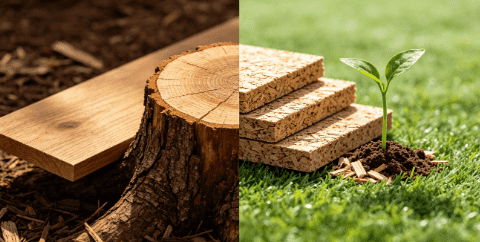
The demand for eco-friendly building materials has grown dramatically as industries and consumers prioritize sustainability. Pressed wood boards—engineered wood products made by bonding wood particles, veneers, or fibers under pressure—offer a sustainable alternative to traditional solid wood.
Sustainable pressed wood boards help reduce deforestation, minimize waste, and enable efficient use of raw materials. They are widely used in furniture, flooring, cabinetry, and construction panels.
This article explores the sustainable options available for pressed wood boards, from material selection to production practices, certifications, and practical applications in modern green building.
What Are Pressed Wood Boards?
Definition and Types
Pressed wood boards are engineered wood products made by compressing wood particles, fibers, or veneers with adhesives. Common types include:
- Particleboard: Made from wood chips and resin
- Medium-Density Fiberboard (MDF): Made from fine wood fibers
- Plywood: Made from layered veneers
These boards offer uniform thickness, stability, and versatility, making them ideal for sustainable building projects.
Environmental Benefits
- Efficient use of wood materials, including residues and offcuts
- Reduced demand for solid wood, helping conserve forests
- Lower production energy compared to traditional lumber
Sustainable Materials in Pressed Wood Boards
Recycled Wood Fibers and Particles
Using recycled wood fibers from sawmills or post-consumer wood reduces waste and lowers environmental impact.
Advantages:
- Reduces landfill waste
- Conserves virgin timber resources
- Maintains board performance and quality
Eco-Friendly Adhesives
Traditional pressed wood boards often use formaldehyde-based resins. Sustainable options include:
- Urea-formaldehyde with low emissions
- Soy-based adhesives
- Phenol-free resins
These adhesives reduce volatile organic compounds (VOCs) and improve indoor air quality.
Renewable and Certified Wood Sources
Boards made from FSC- or PEFC-certified wood ensure that raw materials are sourced responsibly. Using renewable wood supports sustainable forest management and reduces ecological footprint.
Advantages of Sustainable Pressed Wood Boards
Environmental Impact
- Lower carbon footprint: Less energy-intensive production
- Reduced waste: Uses by-products and recycled materials
- Forest conservation: Decreases need for virgin timber
Cost Efficiency
- Sustainable pressed wood boards often cost less than solid wood due to optimized material use
- Long-term durability reduces replacement and maintenance costs
Versatility in Applications
- Suitable for furniture, cabinetry, wall panels, and flooring
- Can be coated with eco-friendly laminates, veneers, or finishes
Pressed Wood Boards vs Solid Wood: Sustainability Comparison
| Feature | Pressed Wood Boards | Solid Wood |
|---|---|---|
| Material Efficiency | High, uses residues and recycled fibers | Low, uses whole logs |
| Deforestation Impact | Reduced | Higher |
| Cost | Moderate | High |
| VOC Emissions | Low with eco-adhesives | Minimal naturally |
| Consistency | Uniform | Variable |
| Application Flexibility | High | Moderate |
Observation: Pressed wood boards outperform solid wood in sustainability metrics while maintaining comparable performance for many applications.
Choosing Sustainable Pressed Wood Boards
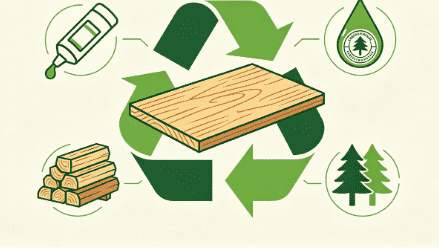
Certifications to Look For
- FSC (Forest Stewardship Council): Ensures wood comes from responsibly managed forests
- PEFC (Programme for the Endorsement of Forest Certification): Similar certification for sustainable forestry
- CARB Phase 2 Compliance: Limits formaldehyde emissions in panels
Production Practices
- Look for manufacturers using recycled content and low-emission adhesives
- Ensure that production processes minimize waste and energy use
Practical Tips
- Compare panel density and strength to meet project requirements
- Evaluate supplier transparency in sustainability claims
- Check for eco-labels and third-party certifications
Industry Trends and Innovations
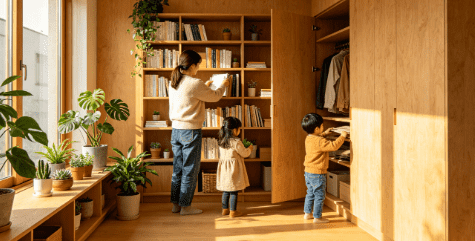
Green Building Standards
- Increasing integration of sustainable pressed wood boards in LEED-certified projects
- Adoption in commercial, residential, and modular construction
Technological Innovations
- Zero-VOC adhesives for safer indoor air quality
- High-recycled-content boards reaching up to 80% recycled material
- Automation in production to reduce energy consumption
Market Insights
- Global demand for sustainable wood panels is projected to grow by 6–8% annually
- Furniture and interior design sectors increasingly require certified eco-friendly materials
Case Study: Sustainable Panel Implementation
Example: A European furniture manufacturer switched to eco-certified MDF with soy-based adhesive for all cabinets.
- Resulted in 40% reduction in VOC emissions
- Maintained production costs while reducing environmental footprint
- Increased appeal to eco-conscious consumers
Conclusion
Sustainable pressed wood boards represent a practical, eco-friendly solution for modern furniture and construction industries. By using recycled materials, low-emission adhesives, and certified wood sources, manufacturers can reduce environmental impact while maintaining performance and cost efficiency.
Investing in sustainable pressed wood boards supports green building practices, forest conservation, and healthy indoor environments, aligning with global trends in eco-conscious construction and furniture production.
References:
- Forest Stewardship Council (FSC) Guidelines, 2023
- PEFC Certification Standards, 2023
- CARB Phase 2 Formaldehyde Emission Standards
- Wood Products Sustainability Forum, 2022 White Paper
FAQ
Are pressed wood boards eco-friendly?
Yes, especially when made from recycled fibers, low-VOC adhesives, and certified wood sources.
How do pressed wood boards compare to solid wood?
They are more material-efficient, produce less waste, and often have a lower carbon footprint while providing consistent quality.
Can I use pressed wood boards for furniture?
Absolutely. They are widely used for cabinetry, shelves, flooring, and paneling.
What certifications indicate sustainability?
Look for FSC, PEFC, CARB Phase 2, and eco-labels verifying recycled content and low emissions.
Are there differences in durability?
High-quality pressed wood boards are strong and stable, comparable to solid wood for most furniture and construction uses.
Do sustainable pressed wood boards cost more?
Costs are often comparable or lower than solid wood, with long-term savings in durability and material efficiency.
 English
  Vietnamese
  Arabic