
News
Cold Press for Wood Basics: Structure, Function, and Process
Table of Contents
Introduction
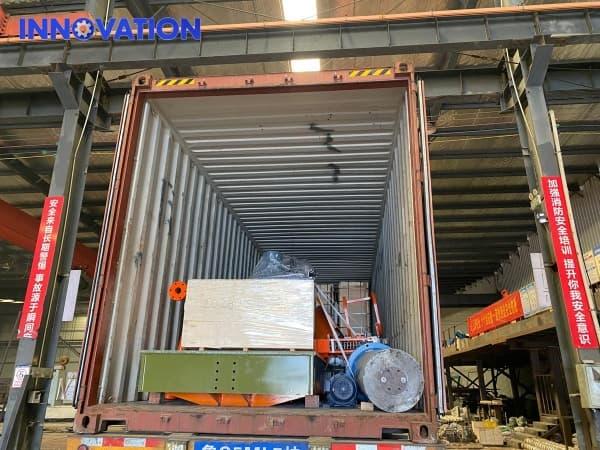
In modern woodworking and panel production, bonding quality directly determines product durability, surface stability, and long-term performance. Among various pressing technologies, the cold press for wood plays a fundamental role in ensuring strong adhesion between layered materials without the use of heat.
Unlike hot pressing systems, cold pressing relies entirely on mechanical pressure over a controlled time period to bond materials such as plywood, MDF, veneer boards, and composite panels. According to general woodworking production efficiency studies, cold pressing is widely used as a pre-pressing or primary bonding method in many industrial workflows because of its stability, simplicity, and cost efficiency.
This article explains the structure, working function, and production process of a cold press for wood, helping you understand why it remains an essential machine in modern manufacturing environments.
What Is a Cold Press for Wood?
A cold press for wood is an industrial machine designed to apply consistent pressure to wood-based panels to bond layers together using adhesive systems that cure under pressure and time.
It does not use heat. Instead, it relies on hydraulic or mechanical force to compress materials evenly, ensuring strong adhesion and dimensional stability.
Cold press systems are commonly used in:
- Furniture manufacturing
- Plywood production
- Decorative panel assembly
- Wood veneer lamination
- Pre-pressing before hot pressing
Its simplicity makes it highly reliable for both small-scale workshops and large industrial production lines.
Structure of a Cold Press for Wood Machine
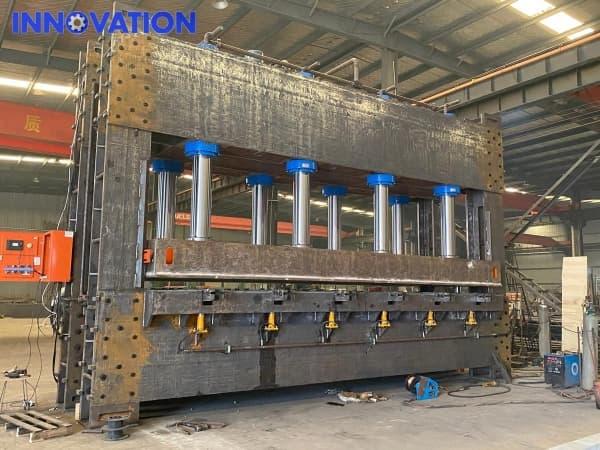
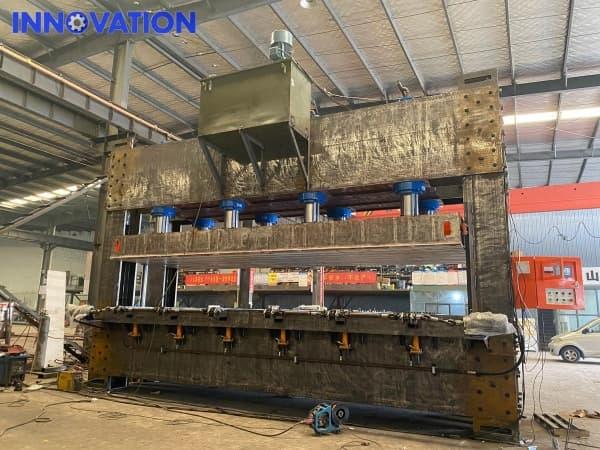
A cold press machine is designed with a robust mechanical structure to ensure uniform pressure distribution and long-term stability.
Key structural components include:
The frame system provides structural support and ensures that pressure is evenly distributed across the entire pressing surface.
The hydraulic system is responsible for generating controlled pressure. It is the core power source of the machine and determines pressing force consistency.
The pressing plates are the surfaces that directly contact the wood materials. They are engineered to remain flat and stable under high pressure.
The control system regulates pressure levels, timing, and cycle operation. In modern machines, this may include digital or semi-automatic controls.
The safety system includes emergency stops and overload protection to ensure safe operation during continuous industrial use.
Each structural element works together to maintain consistent pressure, which is essential for achieving strong bonding results.
Function of a Cold Press for Wood in Production
The main function of a cold press for wood is to stabilize and bond layered materials under controlled pressure.
During the pressing process, adhesive spreads evenly across the surface layers. The pressure applied ensures that air pockets are removed and materials are tightly bonded together.
One of the key advantages of cold pressing is its ability to maintain material integrity without thermal stress. This is particularly important for delicate wood veneers or engineered boards that may deform under heat.
Cold pressing is often used as an initial step before hot pressing in industrial production lines, helping to stabilize material structure before final curing.
How the Cold Press for Wood Process Works
The cold pressing process follows a structured sequence designed to ensure consistency and bonding quality.
First, the wood panels are prepared and coated with adhesive. Surface preparation is critical because dust or moisture can significantly affect bonding strength.
Next, the layered materials are carefully stacked and placed into the press machine.
Once positioned, the hydraulic system applies uniform pressure across the entire surface. This pressure is maintained for a specific duration depending on material type and adhesive properties.
During this time, the adhesive begins to cure naturally under pressure. Unlike hot pressing, no external heat is applied, so curing depends entirely on chemical bonding and time.
After the pressing cycle is complete, the material is removed and stored for further processing or final curing.
Key Benefits of Cold Press for Wood
Cold press technology offers several important advantages in woodworking and panel manufacturing.
One of the main benefits is material protection. Since no heat is involved, there is no risk of thermal deformation or surface damage.
Another advantage is energy efficiency. Cold press systems consume significantly less energy compared to heated pressing systems, making them cost-effective for long production cycles.
Cold pressing also provides stable bonding results when properly controlled. The uniform pressure ensures consistent adhesion across large surface areas.
In addition, cold press machines are easier to maintain due to their simpler mechanical structure compared to thermal systems.
Comparison Table: Cold Press vs Hot Press for Wood
| Feature | Cold Press for Wood | Hot Press Machine |
|---|---|---|
| Heat Usage | No heat applied | Heat and pressure combined |
| Energy Consumption | Low | High |
| Bonding Speed | Slower curing time | Faster production cycle |
| Material Protection | High (no thermal stress) | Medium (heat exposure) |
| Surface Finish | Stable and natural | Smooth and enhanced |
| Application Type | Pre-pressing, bonding support | Final lamination and finishing |
This comparison shows that cold pressing and hot pressing are not competing technologies but complementary processes in industrial production.
Industrial Applications of Cold Press for Wood
Cold press machines are widely used across multiple woodworking industries.
In furniture manufacturing, they are used to assemble panel layers before final finishing. This ensures structural stability and improves product durability.
In plywood production, cold pressing helps stabilize layers before hot pressing or final curing processes.
They are also used in decorative veneer applications where surface integrity is critical.
In modern production lines, cold press systems are often integrated into automated workflows, helping manufacturers maintain consistent output quality.
Factors Affecting Cold Press Performance
Several technical factors influence the performance of a cold press for wood.
Pressure consistency is one of the most important elements. Uneven pressure can lead to weak bonding or structural instability.
Adhesive quality also plays a major role. Different materials require different curing characteristics.
Pressing time must be carefully adjusted based on material thickness and adhesive type.
Surface preparation is equally important. Contaminants such as dust or oil can significantly reduce bonding strength.
Finally, machine calibration ensures that pressure distribution remains uniform across all production cycles.
Maintenance of Cold Press Machines
Proper maintenance is essential for long-term performance and stable output quality.
Regular inspection of hydraulic systems ensures that pressure levels remain accurate and consistent.
Cleaning pressing plates prevents contamination from affecting material surfaces.
Lubrication of mechanical components reduces wear and improves operational smoothness.
Routine calibration checks help maintain precision in pressure control systems.
With proper maintenance, cold press machines can maintain stable performance for long production cycles with minimal downtime.
Safety Considerations in Cold Press Operation
Although cold press machines are generally safer than heated systems, proper operation procedures are still necessary.
Operators should ensure that materials are correctly aligned before pressing begins.
Hydraulic pressure systems must be monitored to prevent overload conditions.
Safety locks and emergency stop functions should always be functional during operation.
Training operators on correct usage procedures reduces risk and improves production reliability.
Future Development Trends of Cold Press Technology
Cold press technology continues to evolve alongside modern manufacturing trends.
One key development is increased automation, where digital control systems allow precise pressure and timing adjustments.
Another trend is integration with smart production lines, enabling real-time monitoring of pressing conditions.
Energy-efficient hydraulic systems are also being developed to reduce operational costs.
These advancements are making cold press systems more efficient, intelligent, and adaptable to modern industrial requirements.
Conclusion
The cold press for wood remains a fundamental machine in woodworking and panel manufacturing industries. Its ability to provide stable pressure bonding without heat makes it essential for preserving material quality and structural integrity.
By understanding its structure, function, and process, manufacturers can better optimize production workflows and improve overall product quality.
While often used alongside hot pressing systems, cold press technology continues to play a vital role in ensuring efficient, cost-effective, and high-quality wood processing in modern industrial environments.
FAQ
What is a cold press for wood used for?
A cold press for wood is used to bond wood panels, veneers, MDF, and plywood using pressure without heat. It ensures strong adhesion, stable structure, and is commonly used in furniture and panel production industries.
How does a cold press for wood work?
It works by applying uniform hydraulic pressure to stacked wood materials coated with adhesive. The pressure holds layers together while the adhesive cures naturally over time, ensuring strong and stable bonding without heat.
What is the difference between cold press and hot press for wood?
Cold press uses only pressure and natural curing, while hot press uses both heat and pressure for faster bonding. Cold press is slower but safer for materials sensitive to heat and offers stable structural performance.
What materials can be processed in a cold press for wood?
It is commonly used for plywood, MDF, particle board, veneer panels, and other engineered wood products. It is suitable for layered materials that require stable bonding before final processing or finishing.
How to maintain a cold press machine?
Maintenance includes checking hydraulic pressure, cleaning pressing plates, lubricating moving parts, and ensuring system alignment. Regular inspection helps maintain stable performance and extends machine service life.
Need Help Choosing the Right Cold Press for Wood?
If you’re unsure which cold press machine is best for your production line, material type, or panel bonding requirements, our experts are here to help. Contact us today for a personalized consultation and get a tailored solution that improves bonding strength, production stability, and long-term machine performance. Don’t wait until production issues affect your output—get in touch now to optimize your woodworking process and enhance manufacturing efficiency!
 English
  Vietnamese
  Arabic