
أخبار
خمسة أخطاء شائعة عند اختيار مصنعي مكابس هيدروليكية
مرحباً بكم في مدونتي!
يسعدني جدًا وجودك هنا. قبل أن نتعمق في المحتوى، يسعدني التواصل معك عبر هذه الصفحة. أشارك بانتظام رؤىً حول الصناعة، وتحديثاتٍ حول المنتجات، ولحظاتٍ من وراء الكواليس على حساباتي على مواقع التواصل الاجتماعي، كما أنها منصةٌ رائعةٌ للتواصل!
تابعونا على الفيسبوك: شركة شاندونغ تشوانغشين لمعدات الأتمتة المحدودة
لننمو معًا ونبقى على تواصل. والآن، لننتقل إلى المدونة - آمل أن تجدوا محتواها غنيًا بالمعلومات، وجذابًا، وقيّمًا حقًا.
جدول المحتويات
اختيار الخيار الصحيح مصنعي الأحواض الهيدروليكية يمكن أن يُحدث اختيار الخشب الرقائقي فرقًا كبيرًا في نجاح أو فشل خط إنتاجك. سواء كنت مدير إنتاج متمرسًا، أو مهندس جودة، أو صاحب مصنع للخشب الرقائقي، فإن اختيارًا خاطئًا واحدًا قد يؤدي إلى تفاوت في قوة الترابط، وتوقفات مكلفة، ومشاكل في الربحية على المدى الطويل. في هذا الدليل الشامل، نتجاوز نصائح الشراء السطحية لنقدم لك... البيانات الفنية، ورؤى الصناعة، ونماذج المقارنة، وأطر التفكير الخبيرة سيساعدك ذلك على اتخاذ قرار اتخاذ قرارات مستنيرة واستراتيجية عند تقييم مصنعي مكابس الضغط الهيدروليكية لعمليات إنتاج الخشب الرقائقي الخاصة بك.
ستساعدك هذه المقالة على:
- فهم معايير ضغط الخشب الرقائقي الرئيسية ومعانيها
- تجنب أكثر الأخطاء ضررا عند اختيار مصنعي مكابس هيدروليكية
- تعرّف على كيفية مقارنة الآلات على المقاييس الفنية الصحيحة
- أدرك لماذا يمكن أن يفوق دعم ما بعد البيع فروق الأسعار الأولية
- تقييم شفافية الهندسة والموثوقية على المدى الطويل
دعونا نتعمق في تفاصيل سبب أهمية اختيار الشركات المصنعة المناسبة - وكيفية تجنب الفخاخ المكلفة التي يقع فيها معظم المشترين.
لماذا اختيار الخيار الصحيح مصنعي المكابس الهيدروليكية الأمور
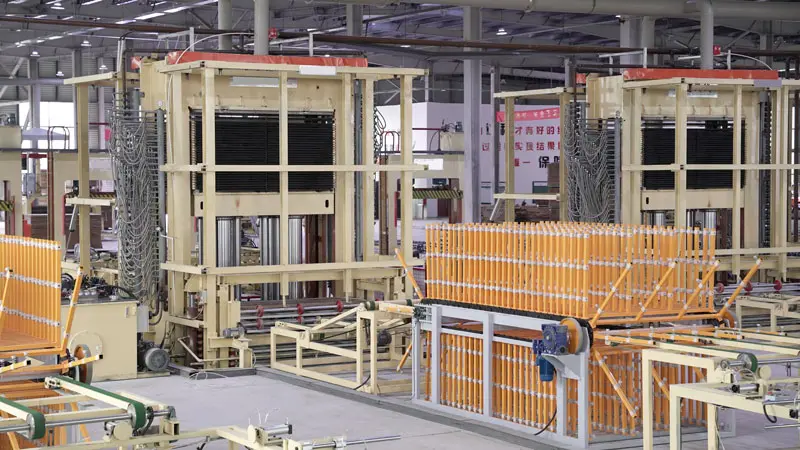
تُعد أنظمة الضغط الهيدروليكية قلب إنتاج الخشب الرقائقي— اللحظة الأخيرة التي تلتصق فيها طبقات القشرة معًا لتشكل ألواحًا متينة. تضمن مكبس عالي الجودة توزيعًا متساويًا للضغط، وتحكمًا دقيقًا، ومتانة تدوم طويلًا في ظل دورات متواصلة.
الدور الأساسي للمكابس الهيدروليكية في إنتاج الخشب الرقائقي
توفر المكابس الهيدروليكية للخشب الرقائقي عادةً ضغطًا يتراوح بين من 400 إلى 800 طن أو أكثر, وذلك حسب حجم اللوحة ومتطلبات الإنتاج. تُصنّف معظم أنظمة الضغط الهيدروليكي البارد المستخدمة في خطوط إنتاج الخشب الرقائقي عند ضغط اسمي يبلغ 400 طن، أو 500 طن، أو 600 طن، مع إمكانية التخصيص بناءً على حجم الإنتاج وحجم اللوح.
في عملية الكبس البارد، يضمن الضغط الموحد حتى هذه الأطنان اتصالًا جيدًا للقشرة وإزالة الهواء قبل الكبس الساخن - وتؤثر هذه المعايير بشكل مباشر على معالجة المادة اللاصقة وقوة اللوح النهائية.
الخطأ الأول: عدم تحديد متطلبات ضغط الخشب الرقائقي الحقيقي
لماذا تؤدي المتطلبات الغامضة إلى اختيارات سيئة للمعدات؟
يلجأ العديد من المشترين إلى مصنعي مكابس الضغط الهيدروليكية دون تحديد أهداف تشغيلية واضحة. هل تحتاجون إلى مكابس الضغط البارد فقط؟ هل تخططون للتوسع في إنتاج أنواع الخشب الرقائقي عالي الكثافة؟ تؤثر الإجابات على ما يلي:
- الحمولة الموصى بها
- حجم سطح اللوح
- ترتيب الأسطوانات الهيدروليكية
بدون تعريفات تشغيلية واضحة، قد يقترح المصنعون الآلات العامة تلك التي تبدو جيدة على جداول المواصفات ولكنها لا تؤدي أداءً جيدًا في تطبيقك الفعلي.
كيف تبدو "المتطلبات الجيدة"
ينبغي أن تتضمن مجموعة المتطلبات الملحة المفصلة ما يلي:
- نطاق حجم وسمك اللوح النهائي
- معدل الإنتاج اليومي المطلوب (ورقة/ساعة)
- نوع الغراء وطريقة معالجته
- توقعات وقت الدورة
عندما توضح هذه الأمور بوضوح قبل الاتصال بمصنعي مكابس الضغط الهيدروليكية، فإنك تهيئ الظروف للحصول على عروض أسعار أكثر دقة وتركيبات مناسبة للآلات.
الخطأ الثاني: الاختيار مصنعي المكابس الهيدروليكية بناءً على السعر فقط

المدخرات قصيرة الأجل مقابل القيمة طويلة الأجل
عند اختيار مصنعي مكابس هيدروليكية، فإن السعي وراء أقل سعر هو اقتصاد زائف. ينبغي أن ينظر تقييم التكلفة الحقيقية إلى التكلفة الإجمالية للملكية, ، بما في ذلك وقت التوقف عن العمل، وقطع الغيار، والمواد الاستهلاكية، وعمر الآلة.
إليكم مقارنة على مستوى الصناعة:
| فئات التكلفة | فائدة فورية | التأثير طويل الأمد |
|---|---|---|
| أقل سعر فقط | انخفاض تكلفة الاستحواذ | الصيانة المتكررة، مشاكل الجودة المحتملة |
| استثمار متوازن | أداء مستقر | انخفاض مخاطر التوقف عن العمل والندم |
| التركيز على المواصفات العالية | متانة فائقة | عائد استثمار متوقع على مدى سنوات |
من الأمثلة الصناعية، تتوفر بسهولة مكابس الضغط البارد بقدرة 500 طن، والقادرة على معالجة ألواح الخشب الرقائقي القياسية بأبعاد 4 × 8 أقدام؛ وغالبًا ما تتميز هذه المكابس بأنظمة هيدروليكية متينة ووحدة تحكم منطقية قابلة للبرمجة (PLC) لضمان تطبيق ضغط ثابت. أما الأنظمة التي تحاول خفض تكاليف المكونات الهيدروليكية أو الحفاظ على دقة قياسات دون المستوى المطلوب، فغالبًا ما تتعطل قبل الأوان مع الاستخدام المتواصل.
دراسة حالة عن أخطاء التكلفة: الضغط مقابل العمر الافتراضي
كثيراً ما يؤكد خبراء الصناعة أن فشل الأنظمة الهيدروليكية لا يكون بسبب نقص في الحمولة الاسمية، بل بسبب جودة مكونات رديئة—مثل استخدام موانع تسرب رديئة الجودة أو صمامات غير موثوقة. غالبًا ما يؤتي الاستثمار الأولي في وحدات الضخ والأسطوانات وصمامات التحكم عالية الجودة ثماره سريعًا من خلال تقليل الصيانة وإطالة فترات الخدمة.
الخطأ الثالث: تجاهل الشفافية التقنية من مصنعي المكابس الهيدروليكية
مؤشرات تحذيرية: التسويق على حساب الهندسة
يستخدم العديد من مصنعي مكابس الضغط الهيدروليكية لغة تسويقية تبدو مثيرة للإعجاب ولكنها تفتقر إلى الشفافية التقنية. على سبيل المثال:
- ادعاءات غامضة بشأن توزيع الضغط
- لا توجد منحنيات ضغط أو مخططات للنظام الهيدروليكي
- لا توجد بيانات حول قابلية التكرار ودقة التحكم
ينبغي أن يكون بإمكان الشركة المصنعة الموثوقة أن تشرح ما يلي:
- كيفية الحفاظ على الضغط وموازنته عبر جميع مناطق اللوح
- ما هي منطق نظام التحكم (على سبيل المثال، وحدة التحكم المنطقية القابلة للبرمجة مقابل التحكم اليدوي)
- كيف تؤثر الصيانة على الأداء المستقبلي
المفاهيم التقنية الأساسية التي يجب عليك فهمها
توحيد الضغط: تضمن الأنظمة الجيدة تطبيق القوة بالتساوي على كامل سطح اللوح، مما يتجنب ضعف الترابط أو عدم انتظام سمك اللوحة.
التحكم في قابلية التكرار: إن القدرة على تنفيذ نفس ملف تعريف الضغط عبر آلاف الدورات لا تقل أهمية عن تصنيف ذروة الضغط.
الخطأ الرابع: إغفال قدرات ما بعد البيع وهيكل الدعم
الخدمة: جزء أساسي من قيمة الآلة
تُعدّ المكابس الهيدروليكية أنظمة كهروميكانيكية معقدة. حتى أكثرها موثوقية تحتاج إلى:
- الصيانة الدورية
- تحديثات PLC
- استبدال قطع الغيار
قد يتخلى مصنعو مكابس الهيدروليك الذين لا يقدمون خدمة ما بعد البيع منظمة عنك عند ظهور المشاكل. ويشمل ذلك:
- استكشاف الأخطاء وإصلاحها عن بُعد
- أوقات استجابة مضمونة
- توافر قطع الغيار عالية الجودة
إن الشركة المصنعة التي توفر التدريب ودعم التركيب وآليات تصعيد واضحة تساعد على ضمان الحد الأدنى من تعطيل الإنتاج.
الخطأ الخامس: عدم مقارنة الشركات المصنعة وفقًا للمعايير الصحيحة
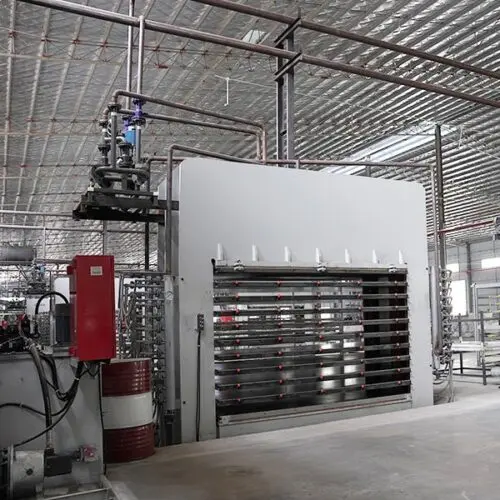
تجنب مقاييس المقارنة السطحية
من السهل بشكل خادع مقارنة الشركات المصنعة بناءً على:
- سعر
- أقصى حمولة
- حجم الطبق
هذه فقط سطحي مقاسات.
ما يهم حقاً في اختيار مكبس هيدروليكي للخشب الرقائقي:
- توحيد الضغط على مساحات اللوح الكبيرة
- الكفاءة الهيدروليكية والاستقرار
- دقة نظام التحكم في ظل ظروف الإنتاج المتغيرة
- تصميم معياري للتحديثات المستقبلية
إليك طريقة مقارنة أكثر فائدة:
| عامل التقييم | متري ضحل | المقاييس الذكية |
|---|---|---|
| اضغط على زر التشغيل | أقصى حمولة | ثبات الضغط بمرور الوقت |
| نظام التحكم | دليل / أساسيات وحدة التحكم المنطقية القابلة للبرمجة (PLC) | الدقة والتكرار |
| استقرار النظام | المواصفات الأساسية | الاستجابة لتقلبات الحمل |
يؤكد خبراء معالجة الأخشاب أنه من الأفضل الحصول على آلة متوازنة ذات منحنيات أداء يمكن التنبؤ بها بدلاً من السعي وراء أعلى تصنيف للحمولة. يساعد هذا المبدأ على الفصل بين الادعاءات التسويقية والواقع الهندسي.
بيانات عملية من قطاع الصناعة: معايير ومواصفات الطباعة النموذجية
تشير العديد من المصادر الصناعية إلى أن مكابس الخشب الرقائقي الهيدروليكية يمكن أن تتفاوت بشكل كبير في المواصفات:
المواصفات الشائعة للمكابس الهيدروليكية
| طلب | الضغط الاسمي | الاستخدام النموذجي |
|---|---|---|
| ضغط ألواح الأثاث الصغيرة | 50-100 طن | ألواح الإضاءة وألواح الأثاث (مضغوطة على البارد) |
| إنتاج الخشب الرقائقي القياسي | 400–800 طن | الضغط المسبق قبل الضغط الساخن (الضغط البارد) |
| خطوط إنتاج الخشب الرقائقي الصناعية الكبيرة | >800 طن | ألواح كبيرة أو ضغط متعدد الطبقات |
متطلبات الضغط حسب سمك الخشب الرقائقي
وفقًا للمراجع الهندسية، غالبًا ما يعتمد ضغط اللوحة المطلوب على سمكها:
- ألواح بسمك أقل من 10 مم: ~40–50 ميجا باسكال
- ألواح بسمك 10 مم: ~50–60 ميجا باسكال
يُعد هذا تقديرًا تقريبيًا مفيدًا عند مناقشة حجم النظام مع مصنعي المكابس الهيدروليكية.
دراسة حالة: الضغط البارد مقابل الضغط الساخن في خطوط إنتاج الخشب الرقائقي
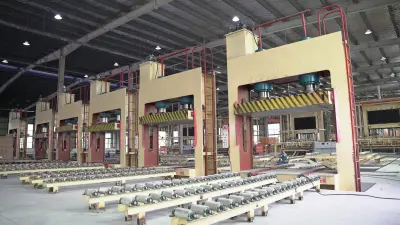
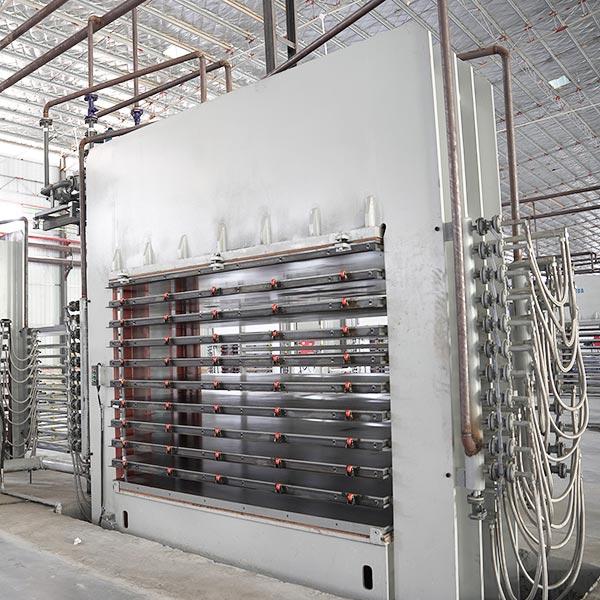
لتوضيح سبب اختيار الحق الأمر يتعلق بالشركات المصنعة، ويمكننا مقارنة نهجين ملحين:
مرحلة الضغط البارد
- الهدف الأساسي: إزالة فقاعات الهواء، وربط القشور مسبقًا
- نطاق الضغط: 400-800 طن
- تأثير المنتج النهائي: تحسين قوة الترابط النهائية وتقليل العيوب
مرحلة الضغط الساخن
- يطبق الحرارة والضغط لمعالجة الراتنج
- درجات الحرارة والضغوط المنسقة مع التركيب الكيميائي للمواد اللاصقة
- غالباً ما تتضمن أنظمة ضغط حراري متعددة الفتحات لإنتاجية عالية
يعتمد إنتاج الخشب الرقائقي الناجح عادةً على مزيج مثالي من مرحلتي الضغط. مصنعي المكابس الهيدروليكية الذين يفهمون كيمياء راتنج الخشب الرقائقي, انتقال الحرارة، و ملامح الضغط سوف نصمم أنظمة تعمل بشكل موثوق ومتزامن.
رؤى الخبراء الحقيقية ووجهات نظر الصناعة
وجهة نظر مشتركة لمهندسي الإنتاج:
“"إن التوزيع الموثوق للضغط وإمكانية تكرار التحكم فيه أكثر قيمة بكثير من مواصفات الحمولة القصوى المثيرة للإعجاب على الورق. فالمكبس الذي يوفر ضغطًا ثابتًا دورة تلو الأخرى يؤثر بشكل مباشر على جودة الورق المقوى ويقلل من هدر المواد الخام."”
يوصي المديرون الفنيون عادةً بما يلي:
اطلب دائمًا من الشركات المصنعة تزويدك بمنحنيات الضغط وبيانات التكرارية على مدى فترة دورة متوقعة تتراوح بين 6 و12 شهرًا. غالبًا ما تكون الخطط التي تفتقر إلى هذه البيانات أقل أداءً بعد تطبيقها الأولي.
تكشف استطلاعات الرأي في الصناعة أن المطابع التي التحكم المنطقي المبرمج (PLC) و التصوير التشخيصي تشهد عددًا أقل من التوقفات غير المجدولة وتتطلب صيانة تصحيحية أقل.
ما وراء الضغط: معايير الاختيار الرئيسية الأخرى
جودة تصميم النظام الهيدروليكي
اسأل عن:
- نوع المضخة وعلامتها التجارية
- منهجية إحكام إغلاق الأسطوانات
- التحكم في درجة حرارة الزيت والترشيح
تؤثر هذه العوامل بشكل مباشر على ثبات الأداء وعمر الجهاز.
صلابة الإطار الهيكلي
يُخفف الإطار القوي من التشوه تحت الأحمال العالية، مما:
- يحسن محاذاة اللوح
- يقلل من عدم انتظام الترابط عبر الألواح
- يعزز طول العمر
أفكار ختامية: القيام باستثمار ذكي
إن اختيار الشركات المصنعة المناسبة للمكابس الهيدروليكية ليس قرار شراء أحادي البعد. إنه خطوة استراتيجية لضمان جودة إنتاج الخشب الرقائقي، وعمر طويل للآلات، وإنتاج مستقر، وعائد استثمار قوي.
أهم النقاط التي يجب على المشترين مراعاتها:
- حدد احتياجاتك الإنتاجية الفعلية أولاً
- قارن الأداء على الأساسيات التقنية
- ضع في اعتبارك قدرة الخدمة والدعم
- استخدم البيانات، وليس مجرد أساليب البيع.
باتباع هذه المبادئ، ستتجنب الأخطاء الشائعة وتختار شريكًا يساعدك على النمو بدلاً من أن يعيق عملية إنتاج الخشب الرقائقي الخاصة بك.
التعليمات
ما هو الضغط الذي يجب أن أبحث عنه في مكبس هيدروليكي للخشب الرقائقي؟
تتراوح أسعار مكابس الضغط الهيدروليكية النموذجية لإنتاج الخشب الرقائقي من حوالي 50 طن لتطبيقات الألواح الضوئية إلى 400-800 طن أو أكثر لعمليات الضغط البارد القياسية.
هل يقوم مصنعو المكابس الهيدروليكية بتخصيص الآلات؟
نعم، يقدم العديد من المصنّعين الأكفاء خدمات التخصيص لـ حجم اللوح، ونطاق الضغط، وأنظمة التحكم إذا قدمت متطلبات الإنتاج التفصيلية الخاصة بك.
ما مدى أهمية دقة التحكم؟
مهم للغاية. يضمن التحكم الدقيق في الضغط جودة متسقة للخشب الرقائقي، وانخفاض معدلات الهدر، وتقليل المنتجات المعيبة.
يستطيع مكابس هيدروليكية هل سيتم ترقيته؟
في كثير من الحالات، نعم. يمكن إضافة وحدات هيدروليكية معيارية وأنظمة تحكم وملحقات استشعار لاحقًا لتوسيع نطاق استخدام الآلة.
لماذا لا تختار ببساطة الآلة ذات أعلى حمولة متوفرة؟
لأن توزيع الضغط والقوة الفعلية القابلة للاستخدام الأهم من الحمولة القصوى المعلن عنها. قد يتفوق نظام 500 طن مصمم جيدًا مع تحكم ممتاز على نظام 800 طن ذي تصميم هندسي رديء.
 Arabic
  English
  Vietnamese