
أخبار
6 أخطاء شائعة في آلات الضغط البارد للخشب الرقائقي التجارية
مرحباً بكم في مدونتي!
يسعدني جدًا وجودك هنا. قبل أن نتعمق في المحتوى، يسعدني التواصل معك عبر هذه الصفحة. أشارك بانتظام رؤىً حول الصناعة، وتحديثاتٍ حول المنتجات، ولحظاتٍ من وراء الكواليس على حساباتي على مواقع التواصل الاجتماعي، كما أنها منصةٌ رائعةٌ للتواصل!
👉 تابعونا على الفيسبوك: شركة شاندونغ تشوانغشين لمعدات الأتمتة المحدودة
لننمو معًا ونبقى على تواصل. والآن، لننتقل إلى المدونة - آمل أن تجدوا محتواها غنيًا بالمعلومات، وجذابًا، وقيّمًا حقًا.
جدول المحتويات
مقدمة

The plywood industry relies heavily on cold press machine commercial equipment for the initial bonding and pre-pressing of multi-layer veneers. These machines are critical in ensuring panel uniformity, strong adhesive bonding, and reducing defects before the hot pressing stage. Despite their importance, many manufacturers encounter common pitfalls that affect productivity, product quality, and operational efficiency. Understanding these pitfalls allows B2B buyers, production managers, and technical teams to make informed decisions, optimize workflows, and avoid costly mistakes when selecting or operating a cold press machine. This guide delves into six of the most common issues, explores their causes, and provides actionable insights for mitigating them.
Pitfall 1: Selecting the Wrong Machine Size for Production Needs
One of the most frequent errors in choosing a cold press machine commercial is selecting a machine that is either too small or unnecessarily large for production requirements. A machine with inadequate platen size or insufficient pressure capacity can lead to uneven bonding across plywood sheets. Choosing a machine that exceeds your current production scale may result in higher upfront investment, increased maintenance, and underutilized resources. Assessing the typical panel dimensions, layer thickness, and production volume is essential for optimal sizing.
Factors to Consider
Veneer sheet width and length, maximum panel thickness and number of layers, and daily production capacity and batch sizes. A machine correctly sized to your production ensures consistent panel quality and minimizes energy waste.
Pitfall 2: Overlooking Pressure Uniformity Issues
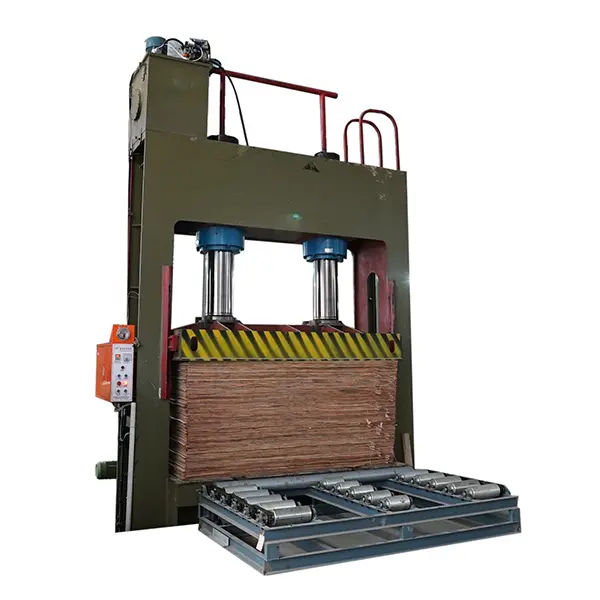
The key advantage of a cold press machine commercial lies in its ability to apply uniform hydraulic pressure across the veneer layers. Many operators overlook uneven pressure distribution, which can result in inconsistent glue bonding, warping or delamination during hot pressing, and surface irregularities in finished panels. Modern cold press machines incorporate hydraulic systems with precision cylinders and solid quenched structures, designed to distribute pressure evenly. Evaluating cylinder alignment, platen flatness, and frame rigidity is critical before installation.
Pitfall 3: Ignoring Material Compatibility
Material compatibility is a common challenge that directly impacts production efficiency and product quality. Plywood cold press machines must handle various wood species, veneer thicknesses, and glue types. Ignoring this can lead to glue not setting properly, excessive waste from misaligned layers, and reduced adhesion strength. Before purchasing, check manufacturer specifications regarding compatible veneers, adhesive types, and maximum board thickness. Machines designed for flexibility provide better return on investment by accommodating multiple product lines.
Pitfall 4: Neglecting Automation and Control Features
Automation and control systems significantly enhance the operational efficiency of a cold press machine commercial. Skipping features like PLC control, touchscreen interfaces, or automated pressure adjustments can result in inconsistent pressing cycles, increased labor dependency, and higher error rates during pre-pressing. Modern machines often include fully automatic workflows, allowing operators to control pressing time, pressure, and platen movement reliably. Investing in such features ensures repeatable quality and reduces human error.
Pitfall 5: Underestimating Maintenance and Longevity
Maintenance and durability are often overlooked when selecting a plywood cold press machine commercial. Common mistakes include ignoring the importance of routine hydraulic system inspection, frame and platen alignment checks, and replacement schedules for wear parts. Neglecting maintenance can cause costly downtime, reduced panel quality, and shortened machine life. Selecting machines with durable welded frames, wear-resistant cylinder materials, and comprehensive support can extend operational lifespan.
Pitfall 6: Misjudging Energy Consumption and Operational Costs
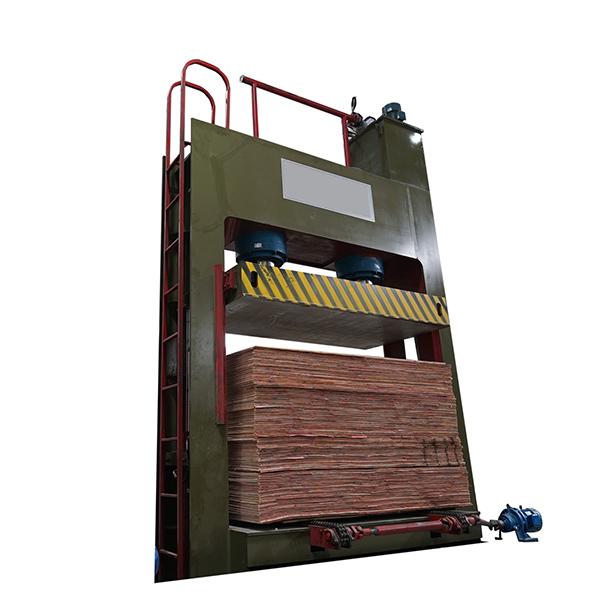
Though cold press machines are energy-efficient compared to hot presses, improper assessment of power requirements and operational efficiency can increase costs. Pitfalls include choosing machines with oversized motors leading to unnecessary power consumption, failing to optimize cycle times for load size, and ignoring energy recovery or efficient hydraulic systems. Properly evaluating energy consumption ensures long-term cost-effectiveness and reduces environmental impact.
Technical Comparison Table of Common آلة الضغط البارد التجارية سمات
| ميزة | Typical Range | Effect on Production | ملحوظات |
|---|---|---|---|
| حجم الأسطوانة | 1800–2400 mm width | Larger size accommodates bigger sheets | Must match factory panel requirements |
| Maximum Pressure | 10–26 MPa | Ensures strong initial bonding | Higher pressure improves adhesion but may stress veneers |
| وقت الدورة | 3–10 min | Affects daily output | Depends on glue type and board layers |
| النظام الهيدروليكي | Standard or Advanced | Controls pressure uniformity | Advanced systems reduce uneven bonding |
| Load Capacity | 1–5 tons | Determines number of sheets per cycle | Heavy-duty systems needed for multi-layer plywood |
| Automation Level | Manual to Fully Automatic | Reduces human error | Fully automatic systems improve consistency |
| استهلاك الطاقة | 5–15 kW per cycle | Impacts operational cost | Optimized machines save energy |
This table provides a practical reference for buyers comparing machines based on production needs, technical specifications, and operational efficiency.
Real-World Case Studies
Case Study 1: Medium-Scale Furniture Manufacturer
A furniture manufacturer initially purchased a cold press machine without considering pressure uniformity. Veneer layers were unevenly pressed, causing frequent delamination during hot pressing. After upgrading to a machine with precision hydraulic cylinders and fully automatic controls, product defects dropped by 45%, and daily output increased by 30%.
Case Study 2: Multi-Layer Panel Production Facility
A facility producing 5-layer plywood panels selected a machine with insufficient platen width. This resulted in uneven bonding at the sheet edges. By switching to a cold press machine commercial with a wider platen and higher maximum pressure, the company achieved consistent edge quality and reduced scrap rates.
Case Study 3: Cost Optimization in High-Volume Operations
A high-volume panel plant underestimated operational costs and purchased an oversized machine. Energy consumption was excessive, and ROI was delayed. Adjusting cycle times and integrating energy-efficient hydraulics reduced power costs by 20% while maintaining throughput.
Selection Tips for B2B Buyers
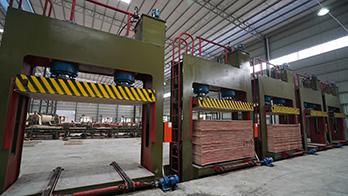
Choose the Right Size for Your Panels
Evaluate veneer width, length, and layer count. Oversized machines increase costs; undersized machines reduce efficiency.
Ensure Compatibility With Your Materials
Confirm that the machine supports the types of wood and glue you use. Multi-purpose machines offer better flexibility.
Prioritize Automation and Safety Features
Fully automatic controls, emergency stops, and safety interlocks reduce human error and enhance operator safety.
Consider Total Cost of Ownership
Include energy consumption, maintenance, spare parts availability, and potential downtime in your calculations.
خاتمة
Choosing and operating a plywood cold press machine commercial involves more than simply purchasing equipment. By understanding common pitfalls—such as incorrect sizing, pressure uniformity issues, material compatibility, lack of automation, inadequate maintenance, and underestimated energy consumption—B2B buyers can make informed decisions, reduce defects, and optimize production efficiency. Investing in a machine with proper specifications, automation features, and durable components ensures high-quality panel production, lowers operational costs, and provides long-term reliability. Manufacturers who evaluate these factors systematically gain a competitive advantage in the high-demand plywood and furniture markets.
If you need expert guidance to select the right cold press machine commercial for your facility, consult with our engineering team. We can help assess your production needs, recommend the optimal machine, and provide technical support for installation, training, and maintenance.
التعليمات
Q1: What thickness of plywood can a commercial cold press handle?
Most machines can handle panels from 6 mm up to 50 mm, depending on the platen size and hydraulic capacity.
Q2: Can I use different types of glue in the same machine?
Yes, but check manufacturer specifications. Some machines are optimized for specific adhesive viscosities.
Q3: How long does a cold press cycle typically take?
Cycle times range from 3 to 10 minutes, depending on board thickness, number of layers, and glue type.
Q4: Is automation necessary for small production?
While manual machines work, automation improves consistency, reduces labor, and minimizes errors in medium to high-volume operations.
Q5: How often should hydraulic components be maintained?
Hydraulic systems should be inspected weekly, with full maintenance every 6–12 months depending on usage.
Q6: Are cold press machines energy-efficient?
Yes, they operate without heat, reducing power consumption compared to hot presses, but efficiency depends on machine design and cycle optimization.
Q7: Can a single machine handle multiple board types?
Modern machines often accommodate various wood species and layer counts, but always confirm compatibility.
 Arabic
  English
  Vietnamese