
أخبار
7 مشاكل شائعة في آلة الضغط البارد للخشب وحلولها
مرحباً بكم في مدونتي!
يسعدني جدًا وجودك هنا. قبل أن نتعمق في المحتوى، يسعدني التواصل معك عبر هذه الصفحة. أشارك بانتظام رؤىً حول الصناعة، وتحديثاتٍ حول المنتجات، ولحظاتٍ من وراء الكواليس على حساباتي على مواقع التواصل الاجتماعي، كما أنها منصةٌ رائعةٌ للتواصل!
تابعونا على الفيسبوك: شركة شاندونغ تشوانغشين لمعدات الأتمتة المحدودة
لننمو معًا ونبقى على تواصل. والآن، لننتقل إلى المدونة - آمل أن تجدوا محتواها غنيًا بالمعلومات، وجذابًا، وقيّمًا حقًا.
جدول المحتويات
مقدمة
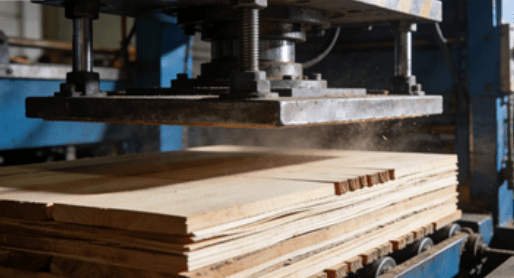
آلات الضغط على البارد بالخشب هي أدوات أساسية في صناعة النجارة وتصنيع الأثاث. فهي تسمح بالضغط الدقيق للألواح الخشبية والصفائح والقشرة والمواد المركبة دون استخدام الحرارة. إن قدرتها على الحفاظ على ضغط ثابت مع تجنب الضرر الحراري تجعلها المعدات المفضلة لإنتاج ألواح عالية الجودة. على الرغم من موثوقيتها، يمكن أن تواجه هذه الآلات مشكلات تقلل من الكفاءة وتؤثر على جودة المنتج وتزيد من تكاليف الصيانة. يعد فهم المشكلات الشائعة وحلولها أمرًا حيويًا للمشغلين وموظفي الصيانة والمصنعين لضمان التشغيل السلس.
المشكلة 1: توزيع الضغط غير المتكافئ
واحدة من القضايا الأكثر شيوعا وضارة التي تواجه أ آلة ضغط الخشب البارد هو توزيع الضغط غير متساو. يحدث الضغط غير المتساوي عندما تمارس أجزاء معينة من المكبس قوة أكبر من غيرها، مما قد يؤدي إلى التزييف أو التصفيح أو الجيوب الهوائية في الأسطح المصفحة أو قوة الترابط غير المتسقة. وهذا لا يؤثر فقط على الجودة الجمالية للألواح الخشبية ولكنه يضر أيضًا بالسلامة الهيكلية، خاصة بالنسبة للمواد عالية الكثافة مثل الخشب الرقائقي أو MDF.
أسباب الضغط غير المتساوي
هناك عدة عوامل تساهم في الضغط غير المتكافئ
- الأسطوانات الهيدروليكية البالية: مع مرور الوقت، قد تفقد الأسطوانات كفاءتها، مما يتسبب في تطبيق قوة غير متساوية.
- لوحات الضغط غير المحاذاة: يمكن أن يؤدي الإعداد غير الصحيح أثناء التثبيت أو التحولات الناتجة عن الاستخدام المتكرر إلى اختلال محاذاة اللوحات.
- وضع تحميل غير متساوي: يمكن للألواح الموضوعة بشكل غير متماثل أن تخلق خللاً في الضغط.
- التشوه الميكانيكي: يمكن أن يؤدي التزييف أو الترهل الطفيف لألواح الضغط إلى تضخيم الضغط غير المتساوي.
إصلاح للضغط غير المتساوي
- المعايرة والمحاذاة: قم بقياس تسطيح اللوحة ومحاذاة الأسطوانات الهيدروليكية بانتظام وفقًا لمواصفات الشركة المصنعة.
- استخدم مقاييس الضغط: يساعد تركيب أجهزة القياس الرقمية أو التناظرية في نقاط متعددة على مراقبة توزيع الضغط في الوقت الفعلي.
- إدارة الأحمال: يجب على المشغلين توزيع الألواح بالتساوي وتجنب تكديس الألواح السميكة بشكل مفرط بما يتجاوز سعة الماكينة.
- التفتيش الوقائي: تمنع الفحوصات البصرية لعلامات التآكل أو الانحناء في الألواح والأسطوانات حدوث ضرر طويل الأمد.
نصيحة الخبراء
وفقا لدراسة في مجلة علوم الخشب, تمثل أعطال الضغط بسبب الضغط غير المتساوي أكثر من 40% من عيوب التصفيح في مصانع الألواح متوسطة الحجم. يمكن أن يؤدي استخدام مراقبة الضغط متعدد النقاط إلى تقليل هذه العيوب بما يصل إلى 60%.
المشكلة 2: تسرب النظام الهيدروليكي
تعد التسربات الهيدروليكية مشكلة متكررة يمكن أن تؤثر بشدة على أداء آلة الضغط البارد على الخشب. يعمل النظام الهيدروليكي المتسرب على تقليل الضغط، ويضر بكفاءة الضغط، ويشكل مخاطر بيئية ومخاطر تتعلق بالسلامة بسبب انسكاب السوائل.
الأسباب الشائعة
- الأختام البالية أو المتدهورة: تتدهور الأختام بمرور الوقت بسبب الاحتكاك وتدهور السوائل.
- التركيبات والموصلات السائبة: التثبيت أو الاهتزازات غير الصحيحة يمكن أن تؤدي إلى تخفيف الاتصالات.
- الخراطيم أو الأنابيب التالفة: يمكن أن تؤدي التأثيرات الميكانيكية أو التفاعلات الكيميائية مع السائل الهيدروليكي إلى إضعاف الخراطيم.
إصلاح التسربات الهيدروليكية
- التفتيش المنتظم: تضمن الفحوصات اليومية أو الأسبوعية للخراطيم والتجهيزات والأختام الكشف المبكر عن التسربات.
- استبدال المكونات: يجب استبدال الخراطيم والأختام البالية أو التالفة على الفور.
- إدارة جودة السوائل: إن استخدام السوائل الهيدروليكية عالية الجودة الموصى بها من قبل الشركة المصنعة يقلل من التآكل ويطيل عمر الختم.
- الاختبار الهيدروليكي: يمكن لاختبارات الضغط تحديد نقاط الضعف في النظام قبل حدوث الفشل.
رؤية احترافية
تحليل من قبل الجمعية الأمريكية للمهندسين الميكانيكيين يؤكد على أن الصيانة الهيدروليكية الاستباقية يمكن أن تطيل عمر الماكينة بمقدار 25 بوصة 30% وتمنع التوقف المفاجئ عن الإنتاج.
المشكلة 3: وقت دورة الضغط البطيء
يمكن أن يكون لأوقات الدورات البطيئة تأثير مباشر على كفاءة الإنتاج، وزيادة المهل الزمنية والتكاليف التشغيلية. قد تساهم عدة عوامل في تباطؤ دورات الضغط في آلات الضغط على الخشب البارد.
أسباب بطء دورة الزمن
- عدم كفاية الضغط الهيدروليكي: إذا كانت المضخات معطلة أو ضعيفة الطاقة، فقد تستغرق الألواح وقتًا أطول للوصول إلى الضغط المطلوب.
- المقاومة الميكانيكية: يمكن أن يؤدي الاحتكاك بين المكونات المتحركة أو الصدأ أو تراكم الحطام إلى إبطاء الضغط.
- أخطاء المشغل: يمكن أن يؤدي التحميل غير الصحيح أو وضع اللوحة غير المتساوي أو إجراءات التحرير غير الصحيحة إلى إضافة الوقت.
إصلاح وقت الدورة البطيئة
- صيانة المضخة: تأكد من أن المضخات الهيدروليكية توفر ضغطًا مقدرًا ويتم تشحيمها بشكل مناسب.
- التشحيم الميكانيكي: يجب تشحيم المحامل والأدلة والأسطح المنزلقة بانتظام لتقليل الاحتكاك.
- تدريب المشغلين: تعمل الإرشادات الواضحة لوضع الحمولة وإجراءات الدورة على تقليل التأخير وضغط الماكينة.
- خيارات الأتمتة: يمكن أن يؤدي دمج أجهزة الاستشعار للكشف عن ملامسة اللوحة والضغط الهيدروليكي إلى تحسين الدورات تلقائيًا.
مثال في العالم الحقيقي
في مصنع أثاث متوسط الحجم في ألمانيا، أدى تطبيق أجهزة استشعار الضغط الآلية إلى تقليل متوسط وقت الدورة من 12 دقيقة إلى 8 دقائق، وهو تحسن بنسبة 33% في الإنتاجية.
المشكلة 4: اختلال لوحات الضغط
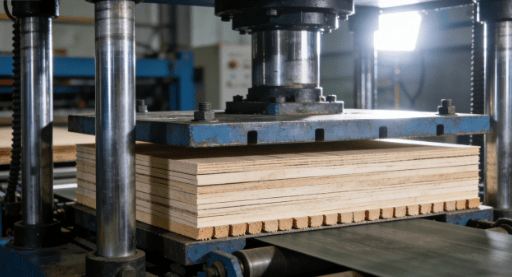
يمكن أن تؤدي لوحات الضغط غير المحاذاة إلى الإضرار بجودة اللوحة، مما يؤدي إلى ترابط غير متساوٍ أو عيوب سطحية. غالبًا ما يكون عدم المحاذاة دقيقًا، مما يجعل الاكتشاف المبكر أمرًا صعبًا دون فحص دقيق.
الأسباب
- التآكل الميكانيكي لأدلة اللوحة أو الأعمدة
- تجميع أو تثبيت غير صحيح
- التحولات العرضية أثناء عمليات التحميل العالي
- التمدد الحراري وانكماش المكونات المعدنية
إصلاح اختلال اللوحة
- أدوات المعايرة: استخدم ليزر المحاذاة أو أجهزة القياس الميكانيكية لقياس توازي اللوحة.
- السحابات الآمنة: تحقق بانتظام من البراغي والدبابيس ونقاط التثبيت.
- حشوات قابلة للتعديل: يمكن لألواح الضبط الدقيق ذات الحشوات أو الفواصل استعادة المحاذاة.
- التفتيش المقرر: يوصى بإجراء عمليات تفتيش شهرية للعمليات عالية التردد.
توصية الخبراء
يوصي الدكتور مارك سفينسون، وهو مهندس ميكانيكي متخصص في معدات النجارة، بالتحقق من المحاذاة من ثلاث نقاط بعد أي صيانة كبيرة أو استبدال اللوحة لمنع الأخطاء التراكمية.
المشكلة 5: التآكل المفرط للمكونات
بمرور الوقت، قد تتآكل المكونات المهمة مثل ألواح الضغط والأسطوانات الهيدروليكية والمحامل، مما يقلل من كفاءة الضغط ويزيد من تردد الصيانة.
الأسباب
- الأحمال التشغيلية العالية
- تشحيم غير كاف
- المواد الكاشطة المستخدمة في الألواح
- قطع غيار ذات نوعية رديئة
إصلاح لارتداء المكونات
- تنفيذ برنامج الصيانة الوقائية المجدولة
- استخدم أجزاء بجودة OEM أو ما يعادلها عالي الجودة
- مراقبة التآكل مع عمليات الفحص البصري أو أجهزة الاستشعار
- قم بتدوير لوحات الضغط إن أمكن لتوزيع التآكل بالتساوي
رؤية الصناعة
دراسة في آلات النجارة الدولية ذكرت أن المصانع تحل محل هيدراو
المشكلة 6: أعطال التحكم الكهربائي
حديث آلات الضغط على البارد بالخشب تضمين أنظمة كهربائية متطورة للأتمتة ومراقبة الدورة وأقفال الأمان. يمكن أن تتسبب الأعطال الكهربائية في توقفات غير متوقعة وتوقف مكلف.
الأسباب الشائعة
- الأسلاك أو الموصلات التالفة
- أجهزة استشعار أو مفاتيح معيبة
- البرامج أو البرامج الثابتة القديمة
إصلاح الأعطال الكهربائية
- إجراء عمليات التفتيش الكهربائية الروتينية
- استبدال أو إصلاح المكونات التالفة على الفور
- تأكد من تحديث برنامج التحكم
- تدريب المشغلين على استكشاف الأخطاء وإصلاحها الأساسية لمنع عمليات إيقاف التشغيل لفترات طويلة
نصيحة عملية
يمكن أن يؤدي دمج أجهزة الاستشعار الزائدة عن الحاجة ونظام الإنذار إلى تنبيه المشغلين قبل حدوث فشل كامل في النظام، مما يمنع فقدان الإنتاج ويقلل تكاليف الإصلاح.
المشكلة 7: ارتفاع درجة حرارة النظام الهيدروليكي
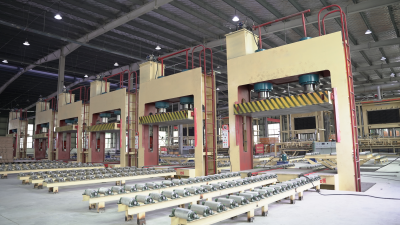
على الرغم من أن آلات الضغط البارد الخشبية لا تولد حرارة للضغط، إلا أن المكونات الهيدروليكية يمكن أن ترتفع درجة حرارتها بسبب التشغيل المستمر أو الحمل الزائد أو عدم كفاية السوائل.
الأسباب
- دورات التحميل العالي المستمرة
- سائل هيدروليكي منخفض أو متحلل
- عدم كفاية نظام التبريد أو التهوية
إصلاح لارتفاع درجة الحرارة الهيدروليكية
- قم بتركيب أجهزة استشعار لدرجة الحرارة لمراقبة مستويات السوائل في الوقت الفعلي
- استخدم السائل الهيدروليكي الموصى به من قبل الشركة المصنعة مع اللزوجة المناسبة
- السماح بفترات راحة بين الدورات تحت الحمل الثقيل
- الحفاظ على أنظمة التبريد أو إضافة مبادلات حرارية خارجية إذا لزم الأمر
رؤية احترافية
بحسب المجلة الدولية لتكنولوجيا التصنيع, يمثل ارتفاع درجة الحرارة ما يقرب من 20% من الأعطال الهيدروليكية في آلات الضغط البارد الخشبية متوسطة الخدمة، مما يؤكد الحاجة إلى مراقبة درجة الحرارة.
جدول المقارنة للمشكلات والإصلاحات الشائعة
| مشكلة | سبب | الأعراض | يثبت | تكرار الصيانة |
|---|---|---|---|---|
| توزيع الضغط غير المتساوي | لوحات غير محاذية، واسطوانات مهترئة | تزييفها، التصفيح | محاذاة اللوحات، ومعايرة النظام | أسبوعي |
| تسرب النظام الهيدروليكي | الأختام البالية والخراطيم التالفة | فقدان الضغط، وتسرب السوائل | استبدال الأختام/الخرطوم، وفحص التوصيلات | شهريا |
| دورة الضغط البطيئة | انخفاض الضغط الهيدروليكي والاحتكاك | التأخير في الإنتاج | قم بتشحيم الأجزاء، وفحص الضغط | أسبوعي |
| اختلال اللوحات | التآكل الميكانيكي، الإعداد غير السليم | الضغط غير المتساوي، وتلف السطح | المعايرة، شد البراغي | أسبوعي |
| التآكل المفرط على المكونات | الاستخدام العالي وسوء الصيانة | انخفاض الكفاءة، وسوء الجودة | استبدال الأجزاء البالية | شهريا |
| أعطال التحكم الكهربائي | الأسلاك معيبة، وأخطاء الاستشعار | توقف الآلة، أخطاء | فحص وإصلاح الالكترونيات | شهريا |
| ارتفاع درجة الحرارة الهيدروليكية | الحمل المستمر، وتدهور السوائل | انخفاض الضغط، وتلف السوائل | مراقبة درجة الحرارة، ودورات الراحة، واستخدام السوائل المناسبة | يوميًا |
التدابير الوقائية لآلة الضغط على الخشب البارد
تضمن الصيانة الوقائية المناسبة طول عمر وموثوقية آلة الضغط البارد الخشبية. تشمل التدابير الرئيسية عمليات التفتيش المنتظمة، والالتزام بإرشادات الشركة المصنعة، والتدريب المناسب للمشغل، والحفاظ على السائل الهيدروليكي النظيف والمكونات الميكانيكية. تقلل الاستراتيجيات الوقائية من وقت التوقف عن العمل، وتحسن السلامة، وتحافظ على جودة المنتج المتسقة.
تعزيز الكفاءة مع التكنولوجيا الحديثة
حديث آلات الضغط على البارد بالخشب غالبًا ما يتم دمج أنظمة الأتمتة وأجهزة الاستشعار وأنظمة PLC لتحسين الدقة وتقليل الأخطاء البشرية وتعزيز إنتاجية الإنتاج. يمكن للأتمتة تحسين الضغط الهيدروليكي ومراقبة أوقات الدورات واكتشاف المحاذاة غير الصحيحة في الوقت الفعلي، مما يضمن إنتاجية أعلى وعمليات أكثر أمانًا.
اعتبارات السلامة في التشغيل
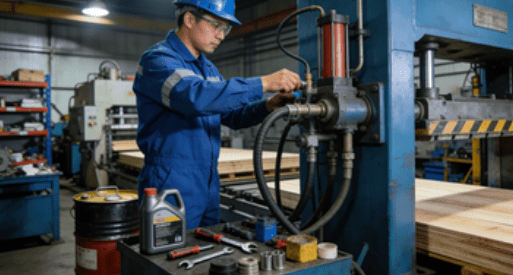
يجب على المشغلين اتباع إرشادات السلامة لمنع وقوع الحوادث أثناء تشغيل آلة الضغط على الخشب البارد. تشمل تدابير السلامة الرئيسية ارتداء معدات الحماية، وتجنب التحميل الزائد، وتأمين المواد بشكل صحيح، والفحص المنتظم للأنظمة الهيدروليكية والكهربائية. يعد التدريب على السلامة ضروريًا لجميع الموظفين الذين يتعاملون مع هذه الآلات.
خاتمة
فهم المشاكل المشتركة آلات الضغط على البارد بالخشب وحلولها ضرورية للمشغلين وفرق الصيانة. تضمن الصيانة الدورية واستبدال المكونات في الوقت المناسب وتدريب المشغلين واعتماد التقنيات الحديثة الموثوقية على المدى الطويل والأداء الأمثل والإنتاج عالي الجودة.
التعليمات
س1: كم مرة ينبغي أ آلة ضغط الخشب البارد يتم فحصها؟
ج1: يوصى بإجراء عمليات فحص روتينية أسبوعيًا للأجزاء الميكانيكية ويوميًا لمستويات السوائل الهيدروليكية، اعتمادًا على كثافة الاستخدام.
س2: هل يمكن أن يؤدي اختلال المحاذاة إلى إتلاف المادة الخشبية؟
ج2: نعم، يمكن أن يسبب عدم المحاذاة تزييفًا وعيوبًا سطحية وترابطًا غير متساوٍ.
س3: ما هو نوع السائل الهيدروليكي الأفضل لآلات الضغط البارد؟
A3: استخدم السائل الموصى به من قبل الشركة المصنعة، مع اللزوجة المناسبة وخصائص مضادة للأكسدة.
س 4: كيف يمكن للأتمتة أن تساعد في تقليل المشكلات الشائعة؟
ج4: تعمل الأتمتة على تحسين الضغط ومراقبة الدورات واكتشاف الأخطاء مبكرًا وتقليل التآكل وأخطاء المشغل.
س5: هل آلات الضغط على البارد الخشبية مناسبة لجميع أنواع الخشب؟
A5: إنها مثالية للقشرة والخشب الرقائقي والصفائح والألواح المركبة ولكنها قد تتطلب تعديلات على الأخشاب شديدة الصلابة أو السميكة.
 Arabic
  English
  Vietnamese