
أخبار
7 عوامل رئيسية تؤثر على تصنيع رقائق الميلامين
مرحباً بكم في مدونتي!
يسعدني جدًا وجودك هنا. قبل أن نتعمق في المحتوى، يسعدني التواصل معك عبر هذه الصفحة. أشارك بانتظام رؤىً حول الصناعة، وتحديثاتٍ حول المنتجات، ولحظاتٍ من وراء الكواليس على حساباتي على مواقع التواصل الاجتماعي، كما أنها منصةٌ رائعةٌ للتواصل!
تابعونا على الفيسبوك: شركة شاندونغ تشوانغشين لمعدات الأتمتة المحدودة
لننمو معًا ونبقى على تواصل. والآن، لننتقل إلى المدونة - آمل أن تجدوا محتواها غنيًا بالمعلومات، وجذابًا، وقيّمًا حقًا.
جدول المحتويات
مقدمة
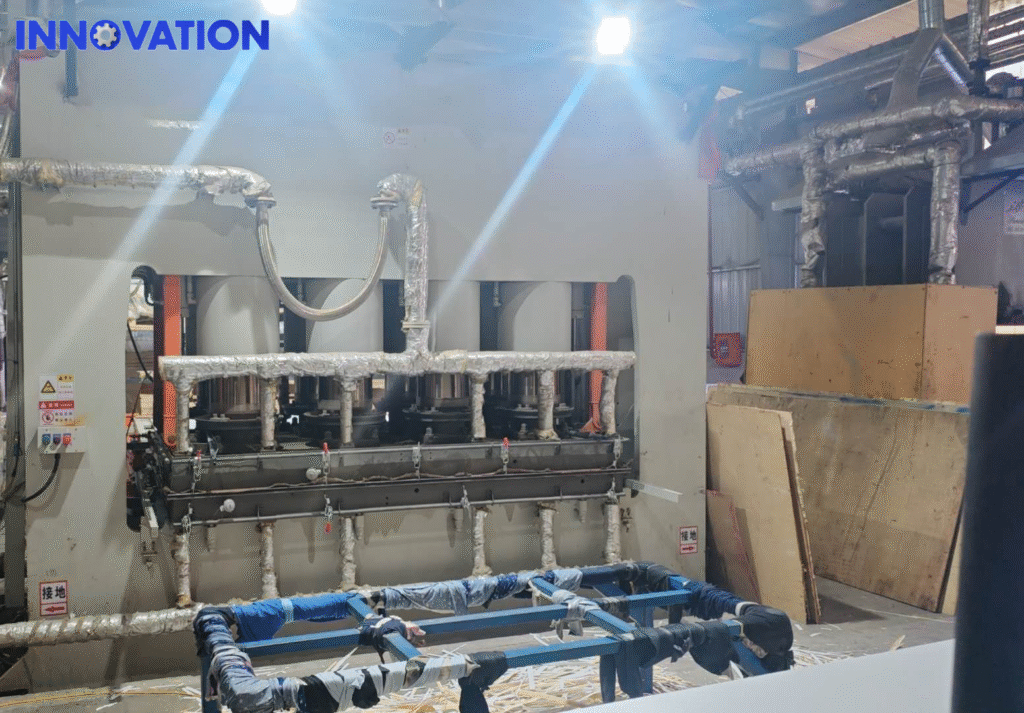
في أسواق الأثاث والتصميم الداخلي التنافسية اليوم، يعد إنتاج ألواح زخرفية عالية الجودة أمرًا بالغ الأهمية. من بين المواد السطحية الأكثر استخدامًا،, صفح الميلامين تتميز بمتانتها وتعدد استخداماتها الجمالية وفعاليتها من حيث التكلفة. من المطابخ السكنية إلى المكاتب التجارية، يتم اختيار ألواح الميلامين الصفائحية لمقاومتها للخدش، وثباتها الكيميائي، وتنوع التشطيبات.
ومع ذلك، فإن إنتاج صفائح الميلامين التي تلبي معايير الجودة الصارمة ليس بالأمر السهل على الإطلاق. حتى الانحرافات الصغيرة في المواد الخام أو ظروف التصفيح أو تشطيب السطح يمكن أن تؤدي إلى التصفيح أو الفقاعات أو التزييف أو مشاكل الألوان غير المتسقة التي يمكن أن تقلل بشكل كبير من قيمة المنتج. وفقًا للدكتور لي وي، أحد كبار الباحثين في تكنولوجيا الألواح الخشبية في الأكاديمية الصينية للغابات، “، يعتمد نجاح تصنيع صفائح الميلامين على الدقة في كل خطوة بدءًا من إعداد الركيزة وحتى الضغط الساخن عالي الضغط وتشطيب السطح. الأتمتة وحدها لا يمكن أن تضمن الجودة؛ التحكم في العمليات وخبرة المشغل لهما نفس القدر من الأهمية.”
تستكشف هذه المقالة سبعة عوامل رئيسية تؤثر على تصنيع صفائح الميلامين, ، الخوض في اختيار المواد، وتشريب الراتنج، والتصفيح، والتلوين، والتشطيب، والآلات، والظروف البيئية، ومراقبة الجودة. بالإضافة إلى ذلك، نحن نقدم رؤى تعتمد على البيانات ومواصفات الآلات وأفضل الممارسات لمساعدة الشركات المصنعة على تحسين الكفاءة وجودة المخرجات.
1. اختيار المواد ل رقائق الميلامين
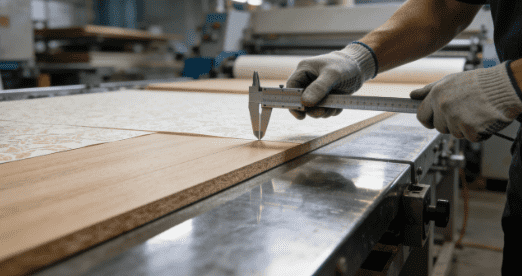
اختيار الركيزة الصحيحة
الركيزة هي أساس صفح الميلامين. تشمل الخيارات الشائعة ما يلي:
- الألواح الليفية متوسطة الكثافة (MDF): الكثافة 700.800 كجم/م3، محتوى الرطوبة 6.5%، السمك 12.525 مم.
- لوح حبيبي: الكثافة 650.750 كجم/م3، السمك 12. يؤثر توزيع حجم الجسيمات على النعومة والتصاق السطح.
إن استخدام ركائز موحدة وعالية الجودة يقلل من خطر التزييف والتصفيح أثناء التصفيح. يمكن أن تسبب الاختلافات في محتوى رطوبة اللوحة الأكبر من ±2% ضغوطًا داخلية، مما يؤدي إلى فقاعات سطحية أو تقشير.
إعداد المواد الأساسية
قبل التصفيح، يجب أن تكون الركائز:
- نظيف: إزالة الغبار والألياف والملوثات.
- تم صنفرة: استخدام 150 بوصة 200 ماكينة صنفرة للحصى للحصول على النعومة.
- قطع للحجم: التفاوتات المسموح بها ±1 مم تضمن المحاذاة الصحيحة مع ورق الزينة.
غالبًا ما تستخدم المصانع المتطورة مناشير لوحة CNC مدمجة مع أجهزة استشعار الرطوبة لضمان جودة اللوحة المتسقة.
جودة الورق الزخرفي
توفر الأوراق الزخرفية المشربة براتنج الميلامين اللون والتصميم وخصائص الحماية. وتشمل العوامل الهامة ما يلي:
- سمك الورق: 70 بوصة 150 جرامًا للمتر المربع للطبقات العليا؛ 120 بوصة 150 جرامًا للمتر المربع للطبقات الداعمة.
- محتوى الراتنج: 35.545% الميلامين بالوزن يضمن الصلابة والمقاومة الكيميائية.
- جودة الطباعة: تعد كثافة الحبر ودقة المحاذاة أمرًا بالغ الأهمية لتجنب الأنماط غير المتطابقة بعد الضغط.
2. تشريب الراتنج وإعداد الورق
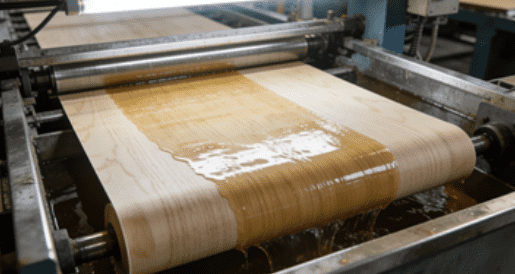
معالجة راتنجات الميلامين
راتنج الميلامين فورمالدهايد هو مفتاح المتانة. يتطلب التشريب المناسب ما يلي
- وقت النقع: 2.5 دقيقة حسب لزوجة الراتنج.
- درجة حرارة التجفيف: 120 بوصة 150° مئوية للطبقات العليا؛ 110 بوصة 130° مئوية للطبقات الداعمة.
- التحكم في اللزوجة: 40.60 ثانية (باستخدام كوب فورد #4) يضمن امتصاصًا سلسًا.
تكييف الورق الأساسي
ورق الكرافت الأساسي، المشرب بالراتنج الفينولي، يعزز الثبات ومقاومة الرطوبة. تشمل المعلمات:
- محتوى الرطوبة: 4 CHORY6% بعد التجفيف.
- سمك الورقة: 0.18 بوصة 0.22 ملم.
- درجة حرارة: 120 درجة مئوية 140° مئوية للتجفيف المسبق.
تشير دراسة أجراها مختبر منتجات الغابات (الولايات المتحدة الأمريكية) إلى أن الورق الأساسي المجفف بشكل غير صحيح يمكن أن يزيد معدلات التصفيح بما يصل إلى 15%.
3. عملية التصفيح وتكنولوجيا الضغط الساخن
التصفيح الحراري قصير الدورة

ال التصفيح بالضغط الساخن لدورة قصيرة أمر أساسي لإنتاج صفائح الميلامين. المواصفات الرئيسية للمكابس عالية الكفاءة:
- درجة حرارة الضغط: 150 درجة مئوية220° مئوية
- الضغط الهيدروليكي: 50.100 كجم/سم²
- زمن الدورة: 8.30 ثانية
- توافق حجم اللوحة: 2440 × 1220 مم قياسي
مكونات آلات الضغط الساخن:
- نظام التحميل: يغذي MDF أو الحبيبي تلقائيًا في المطبعة.
- وحدة تغذية ورق الغراء: يحاذي بدقة ورق الزينة المشرب بالميلامين.
- لوحة الضغط: فولاذ عالي القوة مع توزيع موحد للضغط.
- النظام الهيدروليكي: يحافظ على قوة مستقرة وقابلة للتعديل 50 بوصة و100 كجم/سم².
- شاشة تعمل باللمس PLC: يراقب درجة الحرارة والضغط وأوقات الدورة.
- نظام التفريغ والتكديس: يقلل من العمالة ويمنع تلف اللوحة.
يمكن للأتمتة في أنظمة الضغط الساخن أن تقلل من عيوب الإنتاج بمقدار 20 prect0%، وفقًا لتقرير صادر عن اتحاد اللوحات الأوروبي (EPF).
خطوات سير العمل
تغذية المجلس الخام
في المرحلة الأولى من رقائق الميلامين تتم تغذية عملية الإنتاج وألواح الركيزة الخام بشكل غير عادي MDF أو الحبيبي DRIC في الخط من خلال نظام ناقل آلي. وهذا يضمن تدفق الإنتاج المستمر، ويقلل من أخطاء المعالجة اليدوية، ويحافظ على تباعد ثابت بين الألواح من أجل المعالجة النهائية المثلى. تساعد وحدات التغذية عالية الدقة أيضًا على تقليل هدر المواد وتحسين كفاءة الإنتاج الإجمالية.
تحديد موضع الورق
يتم وضع الأوراق الزخرفية وأوراق الكرافت باستخدام أجهزة استشعار بصرية متقدمة وبكرات توجيه. هذه الخطوة ضرورية لضمان محاذاة كل ورقة بشكل مثالي مع الركيزة. تمنع المحاذاة الصحيحة تحولات النمط، وعدم محاذاة الحواف، والعيوب البصرية. تستخدم الأنظمة الحديثة بكرات يتم التحكم فيها مؤازرًا للحفاظ على الدقة في حدود ±0.5 مم، مما يضمن مظهرًا موحدًا ويقلل معدلات الرفض.
محاذاة الطبقة
قبل الضغط، يتم تكديس الطبقات المختلفة بما في ذلك التراكب والورق المزخرف والركيزة بدقة. تضمن محاذاة الطبقة الصحيحة سمكًا موحدًا عبر اللوحة وتحافظ على اتجاه الحبوب أو الملمس المقصود. تستخدم المصانع المتطورة آلات التراص الآلية للحفاظ على اتساق الطبقة ضمن تفاوتات الصناعة، مما يعزز بشكل كبير استقرار المنتج والجودة البصرية.
اضغط على التحميل
بعد المحاذاة، يتم نقل مجموعات اللوحة إلى المكبس الساخن عبر أنظمة التحميل الآلية. وهذا يقلل من كثافة العمالة ويزيد من سرعة الإنتاج. تضمن الأتمتة دخول كل مكدس إلى المكبس في المنتصف بدقة، مما يمنع عدم توازن الضغط أو عيوب السطح أو التوزيع غير المتساوي للراتنج. تعمل اللوادر الآلية أيضًا على تحسين السلامة عن طريق تقليل اتصال العمال بالمعدات ذات درجة الحرارة العالية.
التدفئة والضغط
هذه هي المرحلة الأساسية لتصفيح الميلامين. تحت درجات حرارة 150–220 درجة مئوية وتتراوح مستويات الضغط عادة من 20.30 ميجا باسكال, ، يذوب راتنج الميلامين الموجود في ورق الزينة، ويتدفق، ويرتبط كيميائيًا بالركيزة. يختلف وقت الضغط من 8–30 ثانية اعتمادا على نوع اللوحة وسمكها وتركيبة الراتنج. تضمن دورة الضغط الحراري التي يتم التحكم فيها التصاقًا قويًا ومقاومة للتآكل وتشطيبًا أملسًا للسطح.
تبريد
بمجرد اكتمال الضغط، تخضع الألواح لمرحلة تبريد داخل المكبس أو على حامل تبريد مخصص. تسمح هذه الخطوة للراتنج بالتصلب بشكل صحيح، مما يضمن استقرار الأبعاد. التبريد المتحكم فيه يمنع التزييف والفقاعات والتصفيح وعدم انتظام السطح. تستخدم المحطات عالية السعة تبريد الهواء القسري أو الألواح المبردة لتسريع هذه المرحلة مع الحفاظ على السلامة الهيكلية.
تفريغ
يتم تفريغ ألواح الميلامين النهائية تلقائيًا ونقلها إلى منطقة الفحص. هنا، يقوم المشغلون أو أنظمة المسح الضوئي بالتحقق من وجود عيوب مثل اختلاف اللون أو الفقاعات أو تقطيع الحواف أو عدم تناسق النسيج. يضمن التفريغ والفحص المناسب أن الألواح التي تستوفي معايير الجودة فقط هي التي تنتقل إلى التشذيب أو التعبئة أو المعالجة الإضافية.
التحكم في الضغط ودرجة الحرارة
الضغط ودرجة الحرارة المتسقة أمر بالغ الأهمية. قد يسبب الضغط غير المتساوي التقشر, ، في حين أن ارتفاع درجات الحرارة يمكن أن يحرق الأنماط الزخرفية. تستخدم المطابع الحديثة التدفئة متعددة المناطق والتنظيم الهيدروليكي للحصول على نتائج موحدة.
تحسين وقت الدورة
يمكن للمكابس ذات الدورة القصيرة معالجة 80 لوحة في الساعة لكل خط. يؤدي تحسين أوقات الدورة إلى موازنة السرعة وجودة الالتصاق.
4. التلوين وتشطيب السطح
تطبيق طبقات اللون
يتم تطبيق اللون والنمط من خلال أوراق زخرفية مشربة بالميلامين. الاعتبارات الرئيسية:
- كثافة الحبر: 1.2 بوصة 1.5 جم/سم² لتغطية موحدة.
- التجفيف: التجفيف بالضغط المسبق عند درجة حرارة 120 درجة مئوية 150° مئوية يمنع التلطخ.
- المحاذاة: تضمن المستشعرات مطابقة الأنماط عبر لوحات متعددة.
ملمس السطح واللمعان
قد تكون القوام السطحي غير لامع أو لامع أو منقوش. تشمل الطرق:
- بكرات النقش مدمج في الصحافة الساخنة.
- آلات التقويم للأسطح الناعمة المصقولة.
- طلاء الأشعة فوق البنفسجية لتعزيز الخدش والمقاومة الكيميائية.
وجدت دراسة أجرتها الرابطة الدولية للمنتجات الخشبية عام 2021 أن التشطيبات المنقوشة حسنت مقاومة التآكل بمقدار 18 بوصة 25% مقارنة بالأسطح المسطحة.
5. المعدات والآلات اللازمة للإنتاج الفعال
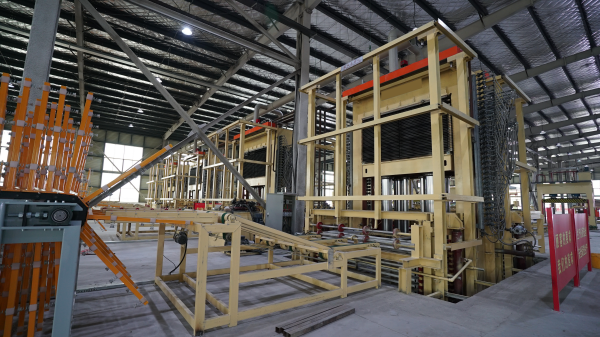
آلات الضغط الساخن
تعتبر المكابس الساخنة للتصفيح ذات الدورة القصيرة العمود الفقري لتصنيع صفائح الميلامين. المميزات:
- الصحافة الهيدروليكية: ضغط مستقر 50 بوصة 100 كجم/سم².
- شاشة تعمل باللمس PLC: مراقبة درجة الحرارة والضغط في الوقت الحقيقي.
- أتمتة التحميل/التفريغ: يزيد الكفاءة بمقدار 30%.
المعدات المساعدة
- مغذيات الورق: محاذاة الأوراق الزخرفية بدقة ±1 مم.
- المجففات الصناعية: التحكم في محتوى الرطوبة من الركيزة والورق.
- آلات تشذيب الحواف: تقليم الألواح مع التسامح ± 0.5 مم.
مزايا الأتمتة
تعمل الأنظمة الآلية على تقليل تكاليف العمالة بما يصل إلى 40% والعيوب بحلول عام 20%، وفقًا لتقارير الإنتاج الصادرة عن مصانع الصفائح الرائدة في ألمانيا.
صيانة الآلات
الفحص المنتظم للأنظمة الهيدروليكية وألواح التسخين ومحاذاة الأسطوانة يمنع التوقف عن العمل ويضمن جودة اللوحة المتسقة. يمكن لأجهزة استشعار الصيانة التنبؤية تنبيه المشغلين إلى عدم المحاذاة أو انحراف الضغط قبل حدوث العيوب.
6. مراقبة الجودة والتفتيش
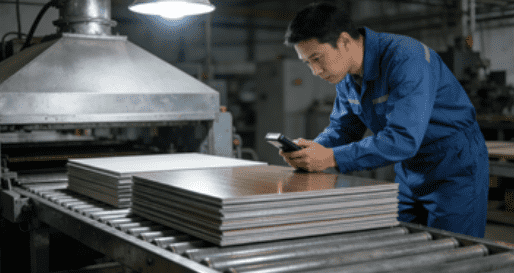
فحص السطح
تركز مراقبة الجودة على:
- اختبار الالتصاق: اختبارات التقشير لضمان ربط الصفائح بالكامل.
- التسطيح: استخدام الماسحات الضوئية المسطرة أو الليزر.
- محاذاة النمط: الفحص البصري للتأكد من دقة الزخرفة.
اختبار الخواص الميكانيكية
- مقاومة الخدش: صلابة قلم الرصاص أو اختبار تابر للتآكل.
- مقاومة الرطوبة: غمرت الألواح لمدة 24 ساعة و48 ساعة للتحقق من التورم.
- مقاومة التأثير: إسقاط اختبار الوزن على لوحات العينات.
حلقة ردود الفعل المستمرة
تُعلم نتائج الفحص التعديلات في الوقت الفعلي لدرجة حرارة الضغط أو الضغط أو محتوى الراتنج، مما يؤدي إلى تحسين الإنتاج وتقليل معدلات الخردة.
7. عوامل البيئة والسلامة
التحكم في درجة الحرارة والرطوبة
الظروف البيئية المستقرة أمر بالغ الأهمية. يمكن أن تؤدي الانحرافات في الرطوبة ±5°C أو ±10% إلى معالجة أو تزييف غير متساوٍ.
إدارة النفايات
يجب إدارة الأوراق الخردة والألواح المعيبة والقطع بكفاءة. تعمل أنظمة إعادة التدوير والتخلص السليم على تحسين الاستدامة وخفض التكاليف. توفر المصانع التي تستخدم إعادة تدوير الورق ذو الحلقة المغلقة ما يصل إلى 15% من المواد الخام.
سلامة المشغل
تتطلب المكابس ذات درجة الحرارة العالية والراتنجات الكيميائية ما يلي
- معدات الوقاية الشخصية (القفازات والنظارات الواقية والأقنعة)
- أنظمة التهوية لأبخرة الفورمالديهايد
- تدريب المشغلين على العمليات الصحفية وبروتوكولات الطوارئ
ويؤكد الدكتور لي وي، أنه حتى أفضل الآلات لا يمكنها منع وقوع الحوادث دون وجود مشغلين مدربين. السلامة والجودة يسيران جنبا إلى جنب.“
8. تحسين العمليات المتقدمة
المراقبة الرقمية وتكامل إنترنت الأشياء
تستخدم مصانع الصفائح الحديثة أجهزة استشعار إنترنت الأشياء من أجل:
- مراقبة درجة الحرارة والضغط في الوقت الحقيقي
- تتبع لزوجة الراتنج
- تسجيل الإنتاج الآلي
وهذا يقلل من الخطأ البشري ويسمح بجدولة الصيانة التنبؤية.
مبادئ التصنيع العجاف
تطبيق مبادئ التصنيع الخالي من الهدر يمكن أن يقلل الخردة بمقدار 10 stri0% بواسطة:
- تسلسل الإنتاج لمطابقة أحجام اللوحة
- توحيد دورات الصحافة
- تقليل وقت التوقف عن العمل أثناء تغييرات القالب
9. الجدول: مقارنة المعدات والعوامل الرئيسية في رقائق الميلامين تصنيع
| عامل | وصف | مثال المعدات | التأثير على الجودة |
|---|---|---|---|
| اختيار الركيزة | MDF أو لوح حبيبي ذو كثافة مستقرة | مناشير لوحة CNC والناقلات | يقلل من التزييف/التصفيح |
| جودة الورق الزخرفي | ورق مشرب بالميلامين، دقة النمط | بكرات ورقية، حمام راتنج | يضمن صلابة السطح وجمالياته |
| الصحافة التصفيح | ضغط ساخن لدورة قصيرة مع تحكم PLC | التصفيح الحراري قصير الدورة | التصاق موحد، إنتاج أسرع |
| الضغط على المعلمات | درجة الحرارة والضغط وزمن الدورة | الأنظمة الهيدروليكية، PLC | يمنع الفقاعات والتقشير |
| تلوين السطح وملمسه | امتصاص الحبر أو النقش أو الصقل | بكرات النقش وآلات الصقل | يحدد المظهر النهائي |
| التجفيف والتحكم في الرطوبة | رطوبة ثابتة للورق والكرتون | المجففات الصناعية | يتجنب التصفيح |
| فحص الجودة | الالتصاق، التسطيح، محاذاة النمط | الماسحات الضوئية، أدوات الفحص اليدوي | يحافظ على معايير المنتج |
| الأتمتة والمراقبة | أجهزة استشعار إنترنت الأشياء، PLC، الصيانة التنبؤية | أنظمة الضغط الساخن المتكاملة PLC + IoT | يقلل الخردة، ويزيد من وقت التشغيل |
| العوامل البيئية | درجة الحرارة والرطوبة وسلامة المشغل | التدفئة والتهوية وتكييف الهواء والتهوية ومعدات الوقاية الشخصية | يضمن استقرار العملية وسلامتها |
خاتمة
جودة عالية صفح الميلامين التصنيع عملية معقدة تتطلب الدقة في كل مرحلة. بدءًا من اختيار الركيزة المناسبة وورق الزخرفة وحتى التحكم في تشريب الراتنج والتصفيح وتشطيب الأسطح وتشغيل الآلات والظروف البيئية، تؤثر كل خطوة على متانة الألواح النهائية ومظهرها وأدائها.
يمكن للأتمتة الحديثة والمراقبة الرقمية وتكامل إنترنت الأشياء تحسين الاتساق بشكل كبير وتقليل النفايات وتحسين كفاءة العمل. ومع ذلك، يظل المشغلون المهرة، وفحص الجودة الصارم، والضوابط البيئية المناسبة غير قابلة للاستبدال لإنتاج ألواح صفائحية خالية من العيوب. ومن خلال التركيز على العوامل الرئيسية السبعة التي تمت مناقشتها، يمكن للمصنعين تحقيق إنتاجية فائقة، وتقليل العيوب، وتلبية المعايير العالية التي تتطلبها صناعات الأثاث والتصميم الداخلي في جميع أنحاء العالم.
التعليمات
س1: ما هو صفح الميلامين?
ج: صفائح الميلامين هي مادة سطحية زخرفية مصنوعة عن طريق ربط الورق المشرب بالميلامين بـ MDF أو اللوح الحبيبي تحت الحرارة والضغط، مما يوفر المتانة ومقاومة الخدش والجاذبية الجمالية.
س2: ما هي الآلات الضرورية لإنتاج صفائح الميلامين؟
ج: تعتبر المكابس الساخنة للتصفيح ذات الدورة القصيرة، ومغذيات الورق، والمجففات الصناعية، والناقلات، وآلات القطع/التشذيب من المعدات الأساسية.
س 3: كيف يمكن للمصنعين تقليل العيوب في صفائح الميلامين؟
ج: من خلال التحكم في جودة الركيزة، ومحتوى الراتنج، ومعلمات الضغط، وتشطيب السطح، والظروف البيئية.
س 4: ما هي التحديات المشتركة في صفح الميلامين تصنيع؟
ج: تشمل المشكلات التزييف والتقشير والفقاعات واللون غير المتناسق وعيوب نسيج السطح.
س5: كيف يمكن للأتمتة تحسين إنتاج صفائح الميلامين؟
ج: يعمل التحكم PLC وأجهزة استشعار إنترنت الأشياء والصيانة التنبؤية على تقليل الأخطاء البشرية والخردة ووقت التوقف عن العمل مع ضمان جودة اللوحة المتسقة.
س6: ما مدى أهمية تدريب المشغلين على تصنيع الصفائح؟
ج: حرجة؛ حتى الآلات المتقدمة تتطلب مشغلين ماهرين لإدارة دورات الضغط والتعامل مع المواد وضمان السلامة.
 Arabic
  English
  Vietnamese