
أخبار
آلة الضغط الهيدروليكية لإنتاج الخشب الرقائقي بالضغط البارد
مقدمة
في صناعة الخشب الرقائقي، تؤثر كل خطوة من خطوات العملية على جودة اللوح النهائي وكفاءة الإنتاج. ومن أهم المراحل التي يتم تجاهلها على الرغم من أهميتها البالغة هي... عملية الضغط البارد, يتم ذلك قبل الكبس الساخن. وهنا يتم... آلة ضغط هيدروليكية يلعب دورًا حيويًا - ضمان ترابط الطبقات بشكل صحيح، وانتشار المادة اللاصقة بالتساوي، وتقليل العيوب إلى الحد الأدنى.
إذا كنت تخطط لتحديث أو إنشاء خط إنتاج للخشب الرقائقي، فإن فهم كيفية عمل مكبس الضغط الهيدروليكي البارد وكيفية اختيار النموذج المناسب يمكن أن يحدث فرقًا كبيرًا في إنتاجيتك وتكاليفك واتساق الإنتاج.
تُفصّل هذه المقالة الأساسيات - بدءًا من كيفية عملها وصولًا إلى المواصفات الرئيسية ونصائح الاختيار والصيانة - وتقدم رؤى حقيقية قائمة على الخبرة في آلات الضغط الهيدروليكية لإنتاج الخشب الرقائقي بالضغط البارد.
مرحباً بكم في مدونتي!
قبل أن نتعمق في المحتوى، إذا كنت مهتمًا بمنتجاتنا أو لديك أي أسئلة، فلا تتردد في زيارة موقعنا اتصل بنا صفحة على موقعنا الإلكتروني. فريقنا جاهز لمساعدتك في أي استفسارات أو طلبات أو أي دعم قد تحتاجه.
لنبدأ رحلتنا معًا. آمل أن تجدوا هذا المحتوى ثريًا وجذابًا وقيّمًا.
1. كيف تعمل آلة الضغط الهيدروليكية
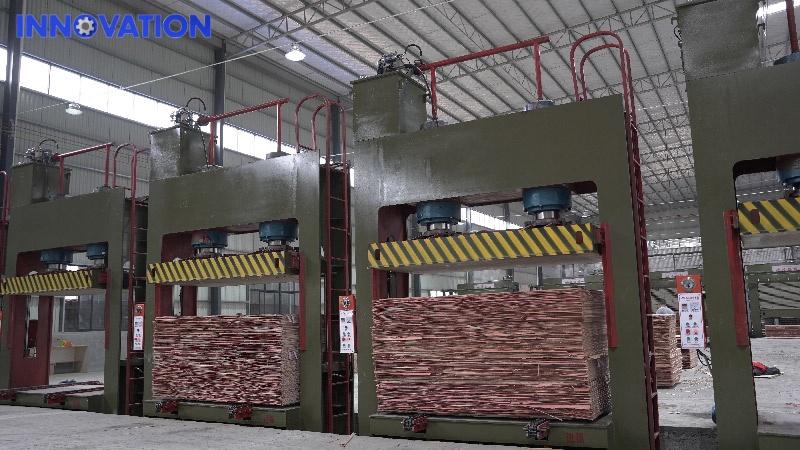
تستخدم آلة الضغط البارد الهيدروليكية ضغطًا هيدروليكيًا مضبوطًا لربط طبقات القشرة مسبقًا قبل مرحلة الضغط الساخن. تتضمن العملية تحميل أكوام القشرة المطلية بمادة لاصقة في المكبس، وتطبيق ضغط محدد (عادةً ما بين 200 و500 طن)، والحفاظ عليه لمدة تتراوح بين 3 و10 دقائق.
تساعد هذه الخطوة التحضيرية على توزيع المادة اللاصقة بشكل متساوٍ، وتقليل الهواء المحتبس، ومحاذاة القشرة بدقة. ونتيجة لذلك، يمكن للمكبس الحراري أن يعمل بشكل أسرع وأكثر كفاءة، مما يوفر الطاقة والوقت.
2. أهمية العصر البارد في إنتاج الخشب الرقائقي
قد يؤدي إهمال مرحلة الضغط البارد أو تنفيذها بشكل غير صحيح إلى خطوط لصق غير متساوية، وانفصال الطبقات، وانحناء الألواح. مع إعداد جيد للضغط البارد، ستحصل على:
- جودة ربط أفضل
- انخفاض حالات الرفض والعيوب
- دورات ضغط ساخن أقصر
- انخفاض استهلاك الغراء
إنه استثمار بسيط يحسن بشكل كبير من اتساق المنتج بشكل عام ويقلل من تكاليف الإنتاج.
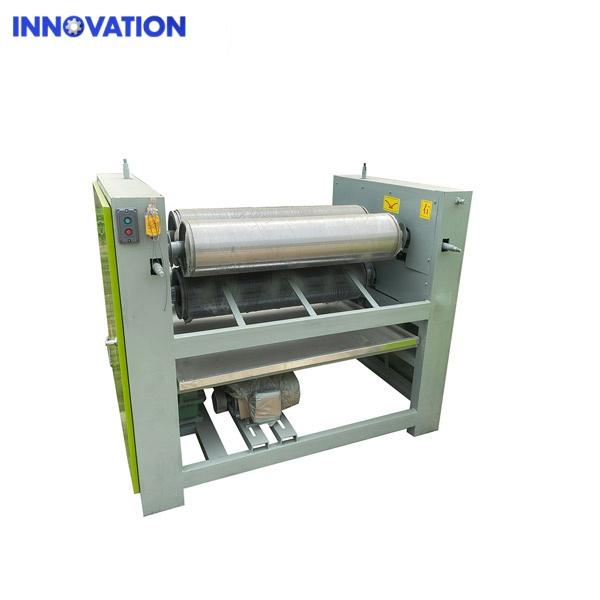
3. المواصفات الرئيسية التي يجب تقييمها قبل الشراء
عند مقارنة آلات الضغط الهيدروليكية، ركز على هذه المعايير الفنية - فهي تحدد مدى جودة اندماج المكبس في خط إنتاج الخشب الرقائقي الخاص بك:
| المعلمة | وصف | النطاق النموذجي / مثال |
|---|---|---|
| سعة الضغط (بالأطنان) | يحدد قوة الضغط لطبقات القشرة | 200 طن - 800 طن |
| حجم اللوحة (مم) | يحدد حجم اللوحة المتاحة | 1250×2500 مم، 1500×3000 مم |
| شوط الفتح (مم) | يؤثر على سمك الطبقة وسهولة التغذية | 1000 – 1800 مم |
| قطر الأسطوانة | يؤثر على انتظام الضغط | Φ200 – Φ360 مم |
| نظام التحكم | خيارات التحكم المنطقي القابل للبرمجة (PLC) أو يدوي | وحدة تحكم منطقية قابلة للبرمجة (PLC) + واجهة مستخدم رسومية (HMI) للتحكم الآلي |
| وقت الدورة | متوسط مدة الضغط | 3 - 10 دقائق |
| قدرة المحرك (كيلوواط) | يتعلق الأمر بالكفاءة والسرعة | 11 – 22 كيلوواط |
4. اختيار الحمولة المناسبة وحجم اللوح
يحدد حجم إنتاجك قدرة مكبس الضغط لديك. تستخدم المصانع الصغيرة والمتوسطة عادةً مكابس ضغط باردة بقدرة 400 إلى 500 طن للخشب الرقائقي بأبعاد 4×8 قدم، بينما قد تحتاج العمليات واسعة النطاق إلى مكابس ضغط باردة بقدرة 600 إلى 800 طن للألواح السميكة أو متعددة الطبقات.
إذا كنت تخطط لإنتاج أحجام مختلفة من الألواح، فابحث عن أبعاد قابلة للتعديل أو تصميمات معيارية يمكن تكييفها مع منتجات مختلفة.
5. أنظمة الأتمتة والتحكم الذكي
تتميز المكابس الهيدروليكية الحديثة الآن أنظمة تعتمد على وحدات التحكم المنطقية القابلة للبرمجة (PLC) بفضل نظام تنظيم الضغط التلقائي، والمؤقتات الرقمية، والمراقبة عن بُعد. تقلل هذه الميزات من أخطاء المشغل وتحافظ على دورات ضغط ثابتة.
تستخدم بعض الأنظمة المتقدمة أيضًا أجهزة استشعار إنترنت الأشياء لتتبع درجة حرارة الزيت، ومنحنيات الضغط، وبيانات الدورة - رؤى قيمة للصيانة التنبؤية والتحسين المستمر.
6. نصائح حول كفاءة الطاقة والصيانة
لا يقتصر دور النظام الهيدروليكي الذي تتم صيانته بشكل جيد على توفير الطاقة فحسب، بل يساهم أيضاً في إطالة عمر الآلة. اتبع هذه الخطوات العملية:
- حافظ على نظافة زيت الهيدروليك واستبدل الفلاتر بانتظام.
- افحص الخراطيم والصمامات أسبوعياً للتأكد من عدم وجود تسريب.
- راقب دقة مقياس الضغط وأعد معايرته حسب الحاجة.
- قم بإيقاف تشغيل الجهاز بشكل صحيح لتجنب تراكم الحرارة في المضخات.
ويمكن أيضًا تحسين كفاءة الطاقة باستخدام محركات التردد المتغير (VFDs), مما يقلل من استهلاك طاقة المحرك أثناء دورات الخمول.
7. الأخطاء الشائعة وكيفية تجنبها
تتضمن بعض المشكلات الشائعة في عملية الضغط البارد ما يلي:
- ضغط غير متساوٍ بسبب عدم توازن الأسطوانة
- سرعة ضغط بطيئة ناتجة عن تآكل المضخة
- ارتفاع درجة حرارة الزيت بشكل مفرط
- فقاعات هواء في خط الهيدروليك
يمكن أن يساعد الفحص المنتظم واستخدام قطع الغيار الأصلية وتغيير الزيت في مواعيد محددة على منع فترات التوقف المكلفة.
8. التكامل مع خط إنتاج كامل للخشب الرقائقي
يجب أن تتناسب سعة آلة الضغط البارد مع سعة آلة فرد الغراء، وآلة الضغط الساخن، وآلة التشذيب. على سبيل المثال، إذا كانت آلة الضغط الساخن تعالج 15 لوحًا في الدورة الواحدة، فيجب أن تقوم آلة الضغط البارد بالضغط المسبق لكمية مماثلة على الأقل أو كمية أكبر قليلاً للحفاظ على استمرارية التدفق.
يؤدي التكامل السلس للخطوط إلى تقليل وقت مناولة المواد وتحسين اتساق الإنتاج - وهو أمر يقدره المشترون ومدققو الجودة بشكل متزايد.
9. مقارنة الضغط البارد مقابل الضغط الساخن
على الرغم من أن كليهما يستخدم الضغط لربط الطبقات، إلا أن أدوارهما تختلف:
- الضغط البارد: يقوم بمحاذاة الطبقات وربطها مسبقًا قبل المعالجة الحرارية.
- الضغط الساخن: يتم تنشيط عملية معالجة المواد اللاصقة بالحرارة والضغط العالي.
يضمن استخدام كليهما استقرار الأبعاد، والأسطح الملساء، ووصلات الغراء طويلة الأمد - وهو أمر ضروري للخشب الرقائقي عالي الجودة، وألواح الأثاث، والألواح الزخرفية.
10. الاتجاهات المستقبلية في آلات الضغط الهيدروليكية
تتجه صناعة الخشب الرقائقي نحو إنتاج أكثر ذكاءً واستدامة. ومن المرجح أن تتميز آلات الضغط البارد المستقبلية بما يلي:
- نظام هيدروليكي يعمل بمحركات مؤازرة للتحكم الدقيق
- روبوتات التغذية/التفريغ الأوتوماتيكية بالكامل
- تحليلات البيانات في الوقت الفعلي لتحسين معايير الدورة
- دوائر هيدروليكية موفرة للطاقة ومواد تشحيم صديقة للبيئة
سيحافظ المصنعون الذين يتبنون هذه التوجهات مبكراً على قدرتهم التنافسية مع ازدياد صرامة معايير الاستدامة على مستوى العالم.
خاتمة
أ آلة ضغط هيدروليكية إنها ليست مجرد قطعة من المعدات، بل هي العمود الفقري لإنتاج الخشب الرقائقي المضغوط على البارد بكفاءة عالية. باختيار المواصفات المناسبة، وصيانة النظام بشكل صحيح، ودمج أنظمة التشغيل الآلي، يمكنك تحسين جودة المنتج وكفاءة التشغيل بشكل ملحوظ.
إذا كان هدفك هو توسيع الطاقة الإنتاجية أو تقليل هدر الغراء، فإن الاستثمار في منتج موثوق به آلة الضغط البارد الهيدروليكية إنها خطوة ذكية وطويلة الأمد لعملك.
التعليمات
س1: ما هو الضغط المثالي للضغط البارد للخشب الرقائقي؟
عادة بين 200-500 طن, ، وذلك حسب سمك الخشب الرقائقي ونوع المادة اللاصقة.
س2: كم من الوقت يجب أن تستغرق دورة الضغط البارد؟
عادة 3 - 10 دقائق لكل دفعة؛ دورات أقصر للألواح الرقيقة.
س٣: هل يمكنني استخدام مكبس واحد لأحجام ألواح مختلفة؟
نعم، إذا كانت الآلة توفر حجمًا قابلًا للتعديل للوحة الضغط أو تصميمًا معياريًا للضغط.
س4: كم مرة يجب عليّ تغيير زيت الهيدروليك؟
كل 6 – 12 شهرًا, ، وذلك حسب كثافة الاستخدام وبيئة التشغيل.
س5: ما هي الشهادات التي يجب أن أبحث عنها؟
للتصدير: علامة CE, ISO 9001, وعلامات الامتثال للسلامة المحلية.
 Arabic
  English
  Vietnamese