
أخبار
دليل السلامة والتشغيل لماكينة الضغط الحراري للرقائق
مرحباً بكم في مدونتي!
يسعدني جدًا وجودك هنا. قبل أن نتعمق في المحتوى، يسعدني التواصل معك عبر هذه الصفحة. أشارك بانتظام رؤىً حول الصناعة، وتحديثاتٍ حول المنتجات، ولحظاتٍ من وراء الكواليس على حساباتي على مواقع التواصل الاجتماعي، كما أنها منصةٌ رائعةٌ للتواصل!
تابعونا على الفيسبوك: شركة شاندونغ تشوانغشين لمعدات الأتمتة المحدودة
لننمو معًا ونبقى على تواصل. والآن، لننتقل إلى المدونة - آمل أن تجدوا محتواها غنيًا بالمعلومات، وجذابًا، وقيّمًا حقًا.
جدول المحتويات
أهم النقاط الرئيسية لهذه المدونة
- فهم بروتوكولات السلامة الأساسية لتشغيل آلات الضغط الساخن للصفائح
- تعلم الإجراءات التشغيلية خطوة بخطوة للحصول على الأداء والجودة الأمثل
- قارن بين الأنواع المختلفة لآلات الضغط الساخن، بما في ذلك المكابس أحادية الطبقة وعالية الطبقة
- استكشف ميزات الأتمتة المتقدمة وتأثيرها على كفاءة سير العمل
- أفضل ممارسات صيانة الوصول وكفاءة الطاقة للإنتاج على نطاق صناعي
- قم بمراجعة آراء الخبراء ومعايير الصناعة بشأن تشغيل الضغط الساخن وجودة الصفائح
- راجع قسم الأسئلة الشائعة للحصول على إجابات عملية للأسئلة التشغيلية الشائعة
مقدمة
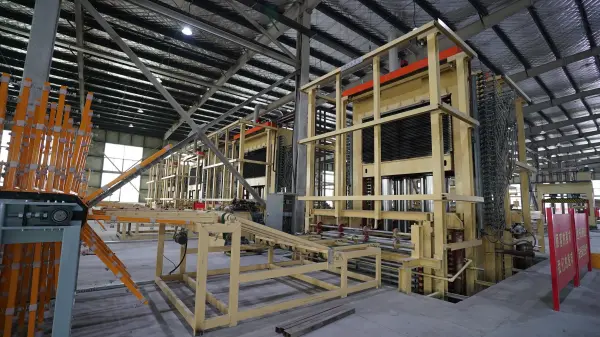
في صناعة تصنيع الصفائح التنافسية اليوم، تعد الإنتاجية والسلامة أمرًا بالغ الأهمية. ال آلة الضغط الساخن للصفائح يلعب دورًا محوريًا في ضمان الالتصاق الموحد والألواح عالية الجودة وسير العمل الفعال. وفقا ل الدكتورة إميلي تشانغ، مديرة أبحاث الآلات الصناعية في جمعية صناعة الأخشاب الصينية, “لا يمكن لإنتاج الصفائح الحديثة تحمل التناقضات. تعد آلات الضغط الساخن التي يتم تشغيلها بشكل صحيح العمود الفقري لكل من الكفاءة وموثوقية المنتج.”
أدى دمج أدوات التحكم PLC المتقدمة وأنظمة التحميل الآلية والتوزيع الموحد للضغط الهيدروليكي إلى تحويل ضغط الصفائح من عملية كثيفة العمالة إلى عملية آلية ودقيقة للغاية. بالنسبة للمصانع التي تهدف إلى توسيع نطاق الإنتاج دون المساس بالجودة، يعد إتقان إرشادات السلامة والتشغيل أمرًا بالغ الأهمية.
فهم مكبس حراري للرقائق
ما هي آلة الضغط الساخن للصفائح؟
أ آلة الضغط الساخن للصفائح هي معدات متخصصة مصممة لربط طبقات متعددة من القشرة أو MDF أو الخشب الرقائقي تحت حرارة وضغط يمكن التحكم فيهما. فهو يضمن سمكًا ثابتًا وأسطح ناعمة والتصاقًا قويًا، مما يجعله لا غنى عنه في تصنيع الألواح الخشبية والأثاث.
فكرة المفهوم: تمنع الحرارة والضغط الموحدان عبر جميع الطبقات التصفيح وعيوب السطح، وهو أمر أساسي للشرائح عالية الجودة
أنواع آلات الضغط الساخن
- الصحافة الساخنة طبقة واحدة
مصممة للضغط على لوحة واحدة في كل مرة، وهي مناسبة لورش العمل الصغيرة أو إنتاج الصفائح المخصصة
- الإيجابيات: تكلفة أولية أقل، سهولة الصيانة
- السلبيات: قدرة إنتاجية محدودة، كثافة عمالة أعلى
- مكبس ساخن عالي الطبقات
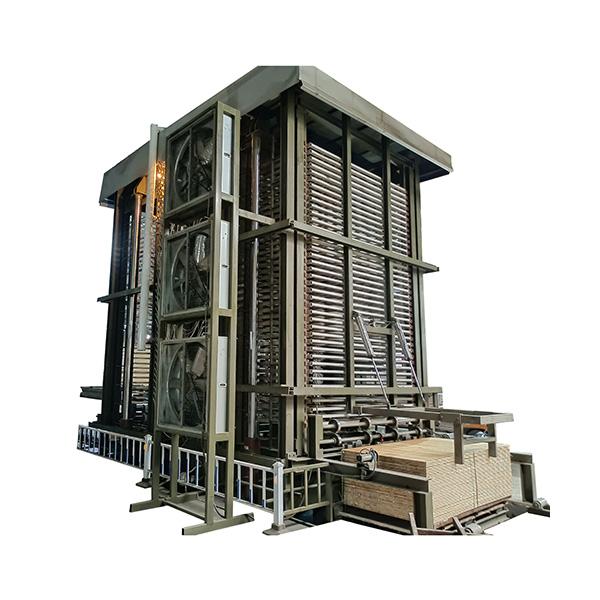
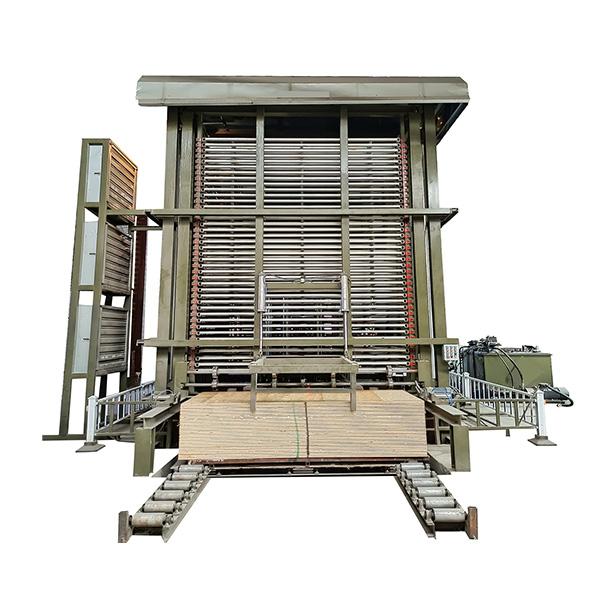
قادرة على الضغط على 10 طبقات من نوع 20+ في وقت واحد، وهي مثالية للعمليات على نطاق صناعي
- الإيجابيات: إنتاجية عالية، توفير العمالة، الترابط الموحد
- السلبيات: تكلفة مقدمة أعلى، تتطلب مشغلين مدربين
فكرة المفهوم: يعتمد اختيار نوع الصحافة المناسب على حجم الإنتاج وتوافر القوى العاملة وقيود الميزانية
المكونات الرئيسية ل مكبس حراري للرقائق
- النظام الهيدروليكي: يحافظ على ضغط ثابت عبر جميع الألواح، مما يضمن الترابط المتسق. تعمل مضخات الريشة عالية الأداء والصمامات الهيدروليكية الدقيقة على تقليل تقلبات الضغط
- لوحات الضغط: مصنوع من فولاذ أو سبيكة منجنيز Q355B، مُصمم بدقة للحفاظ على تحمل التسطيح في حدود 0.1 مم
- أنظمة التحكم: تقوم اللوحات الرقمية المعتمدة على PLC بمراقبة درجة الحرارة والضغط ووقت الضغط في الوقت الفعلي
- هيكل الإطار: تضمن الإطارات الملحومة شديدة التحمل الثبات ومقاومة الاهتزاز والمتانة على المدى الطويل
المبادئ التوجيهية التشغيلية ل آلات الضغط الساخن
فحوصات السلامة قبل التشغيل
- فحص الخطوط الهيدروليكية والأسطوانات وجودة الزيت
- تأكد من تشغيل نقاط التوقف والتشابك وحواجز الأمان في حالات الطوارئ
- التحقق من معايرة أجهزة استشعار درجة الحرارة والضغط
- تحقق من محاذاة لوحات الضغط وتأكد من عدم وجود حطام أو بقايا لاصقة
نصيحة الخبراء: وفق السيد لي وي، مهندس ميكانيكي أول في شركة Shandong Laminates Co. Ltd., “ييعد تخطي فحوصات ما قبل العملية أحد الأسباب الرئيسية للترابط غير المتساوي وتآكل اللوحة. خصص دائمًا 15 دقيقة للفحص الشامل قبل الضغط على”
إجراءات التحميل والتفريغ
- استخدم الناقلات أو الرافعات الآلية كلما أمكن ذلك لتقليل مخاطر العمل
- ضع طبقات صفائحية بالتساوي لتجنب إجهاد اللوحة والترابط غير المتساوي
- لا تتجاوز أبدًا الحمل المقدر لمنع تلف النظام الهيدروليكي
خطوات عملية الضغط
- ضبط درجة الحرارة حسب نوع المادة (على سبيل المثال، MDF: 140 درجة مئوية 160 درجة مئوية، القشرة: 160 درجة مئوية 180 درجة مئوية)
- اضبط الضغط وفقًا لعدد الطبقات وسمكها (عادةً 1.0 بوصة 2.0 ميجا باسكال لكل طبقة)
- ابدأ دورة الضغط وراقب المعلمات على لوحة PLC
- اسمح للألواح بالتبريد قليلاً قبل التفريغ لتجنب التشوه
تدابير السلامة بعد العملية
- تحرير الضغط الهيدروليكي المتبقي ببطء
- تنظيف الألواح وأسطح الماكينات لمنع تراكم الراتنج أو المواد اللاصقة
- سجل بيانات الدورة للصيانة الوقائية وتتبع الجودة
مقارنة آلات الضغط الساخن للصفائح
| ميزة | الصحافة ذات الطبقة الواحدة | مكبس ساخن عالي الطبقات |
|---|---|---|
| طبقات مضغوطة | 1 | 1020+ |
| مخرجات الإنتاج | 20 بوصة 50 لوحة/يوم | 200 بوصة 500 لوحة/يوم |
| استهلاك الطاقة | أقل لكل دورة | أعلى لكل دورة، ولكن أكثر كفاءة في استخدام الطاقة بشكل عام |
| متطلبات العمالة | عالي | منخفض بسبب الأتمتة |
| أفضل حالة استخدام | ورش عمل صغيرة ولوحات مخصصة | الإنتاج على نطاق صناعي |
| متوسط وقت الضغط | 10 anest15 دقيقة لكل لوحة | 5 · 8 دقائق لكل لوحة لكل طبقة |
فكرة المفهوم: تعمل المكابس عالية الطبقة، على الرغم من زيادة استخدام الطاقة لكل دورة، على تقليل تكاليف العمالة بشكل كبير وتحسين الإنتاجية الإجمالية للمصنع، مما يجعلها أكثر ملاءمة للإنتاج على نطاق واسع
ميزات السلامة لتحديد الأولويات
أنظمة التوقف والتشابك في حالات الطوارئ
- يوقف التشغيل على الفور لمنع وقوع الحوادث
- أمر بالغ الأهمية للمناطق ذات التدخل اليدوي أثناء التحميل/التفريغ
مراقبة درجة الحرارة والضغط
- المراقبة المستمرة تتجنب ارتفاع درجة الحرارة والضغط الزائد
- يحافظ على جودة الصفائح ويطيل عمر الماكينة
محاذاة اللوحة وقضبان الأمان
- منع اختلال المحاذاة والترابط غير المتساوي
- تحمي قضبان الأمان المشغلين من تحريك اللوحات أثناء الدورات
نصائح الصيانة للأداء الأمثل
التفتيش الروتيني
- تحقق من مستوى الزيت الهيدروليكي وجودته أسبوعيًا
- افحص لوحات الضغط بحثًا عن الخدوش أو التزييف أو تآكل السطح
- اختبار أجهزة استشعار PLC لدقة درجة الحرارة والضغط
الصيانة الوقائية
- استبدل الأختام الهيدروليكية البالية بشكل استباقي
- قم بتشحيم المكونات المتحركة لمنع الاحتكاك والتآكل
- احتفظ بسجل لدورات الضغط واستهلاك الطاقة ومعلمات الماكينة للصيانة التنبؤية
ممارسات كفاءة الطاقة
- استخدم أنظمة تسخين الزيت الحراري لتوزيع الحرارة بشكل موحد
- تقليل وقت الخمول بين الدورات لتقليل هدر الطاقة
- معايرة أجهزة الاستشعار بانتظام للحفاظ على الأداء المتسق
المفاهيم التشغيلية المتقدمة
كفاءة الضغط متعدد الطبقات
يمكن للمكابس عالية الطبقة التعامل مع 10 طبقات 20 في وقت واحد. على سبيل المثال، أ ماكينة 500T 20 طبقة مع 21 لوحة يمكن معالجة الألواح بتسامح التسطيح في حدود 0.1 مم، مما يضمن ترابطًا موحدًا
الأتمتة وتحسين سير العمل
- التحميل/التفريغ الآلي يقلل من العمالة وخطر الإصابة
- يتيح التحكم PLC إجراء تعديلات دقيقة على المعلمات في الوقت الفعلي، مما يحسن الكفاءة والاتساق
- يسمح تسجيل البيانات للمصانع بتحليل استهلاك الطاقة وتحسين دورات الضغط
التكامل مع التصنيع الذكي
- يمكن لأجهزة استشعار إنترنت الأشياء مراقبة درجة حرارة اللوحة والضغط وعدد الدورات عن بعد
- تعمل الصيانة التنبؤية المعتمدة على الذكاء الاصطناعي على تقليل وقت التوقف عن العمل وتمنع الأعطال الهيدروليكية
- يتيح التكامل مع أنظمة MES الخاصة بالمصنع للحصول على رؤية كاملة للإنتاج
أفضل الممارسات للمواد المختلفة
لوحات MDF
- درجة الحرارة: 140 درجة مئوية160° مئوية
- الضغط: 1.0 درجة حرارة 1.5 ميجا باسكال لكل طبقة
- وقت الضغط: 8-12 دقيقة حسب السُمك
قشور الخشب الصلب
- درجة الحرارة: 160 درجة مئوية180°
- الضغط: 1.5 2.0 ميجا باسكال لكل طبقة
- وقت الضغط: 10-15 دقيقة
فكرة المفهوم: تتطلب المواد الصفائحية المختلفة تعديلات دقيقة في درجة الحرارة والضغط والوقت لضمان الالتصاق دون الإضرار بالسطح
التحديات والحلول التشغيلية المشتركة
الترابط غير المتكافئ
- السبب: لوحات غير محاذية أو ضغط هيدروليكي غير متناسق
- الحل: فحص المحاذاة قبل الضغط والتحقق من أداء الأسطوانة
تآكل اللوحة والخدوش السطحية
- السبب: بقايا لاصقة، تنظيف غير مناسب، أو التحميل الزائد
- الحل: التنظيف الروتيني والالتزام بحدود التحميل
الأعطال الهيدروليكية
- السبب: تلوث الزيت، أو الأختام البالية، أو مشاكل المضخة
- الحل: اتبع جداول الصيانة الوقائية واستخدم زيتًا هيدروليكيًا عالي الجودة
عدم كفاءة الطاقة
- السبب: وقت الخمول الزائد أو التسخين غير المتساوي
- الحل: تنفيذ دورات تسخين موفرة للطاقة وتحسين جدولة الضغط
خاتمة
إتقان تشغيل وسلامة أ آلة الضغط الساخن للصفائح ضروري لإنتاج لوحات عالية الجودة بكفاءة. باتباع الإرشادات الواردة في هذا الدليل:
- يتم تقليل مخاطر السلامة إلى الحد الأدنى من خلال أنظمة الطوارئ والفحوصات المناسبة
- يتم تعظيم كفاءة الإنتاج من خلال المكابس عالية الطبقة والأتمتة
- تعمل ممارسات كفاءة الطاقة وصيانتها على إطالة عمر الماكينة
- تسمح المراقبة المتقدمة وتكامل إنترنت الأشياء بالصيانة التنبؤية وتحسين سير العمل في الوقت الفعلي
رأي الخبراء: تؤكد الدكتورة إميلي تشانغ على أن الجمع بين الأتمتة الحديثة والأنظمة الهيدروليكية الدقيقة ويقظة المشغل يحدد النجاح في ضغط الصفائح. تحقق المصانع التي تنفذ هذه الممارسات جودة فائقة وإنتاجًا ثابتًا.“
يضمن الالتزام بهذه المبادئ إنتاج صفائح موثوق به، وسير عمل محسّن، وبيئة تصنيع أكثر أمانًا واستدامة.
التعليمات
كيف أختار الحق آلة الضغط الساخن للصفائح?
خذ بعين الاعتبار حجم الإنتاج وعدد الطبقات ومستوى الأتمتة ومساحة المصنع. تناسب المكابس عالية الطبقة الإنتاج الضخم، في حين أن المكابس أحادية الطبقة مثالية لورش العمل الصغيرة
ما هي احتياطات السلامة التي يجب أن أتبعها
تحقق من الأنظمة الهيدروليكية، ومحطات التوقف في حالات الطوارئ، وأجهزة استشعار درجة الحرارة والضغط، ومحاذاة اللوحة قبل التشغيل. تجنب تجاوز حدود الحمل
كيف يمكنني الحفاظ على جودة الترابط الموحدة؟
ضمان درجة الحرارة والضغط الدقيقين، وتنظيف الألواح، وصيانة أجهزة الاستشعار بانتظام. استخدم الأنظمة الآلية لوضع طبقة متسقة
هل يمكن لمشغل واحد التعامل مع مكبس ساخن عالي الطبقة؟
نعم، مع التحميل/التفريغ الآلي وعناصر التحكم PLC، يمكن لمشغل واحد إدارة طبقات متعددة بأمان في وقت واحد
ما الفرق بين تسخين الزيت الحراري والبخار؟
يوفر الزيت الحراري حرارة موحدة وكفاءة عالية في استخدام الطاقة. يسخن البخار بشكل أسرع ولكن قد يكون له تقلبات طفيفة تؤثر على اتساق الطبقة
كم مرة يجب استبدال الزيت الهيدروليكي؟
توصي معايير الصناعة بالاستبدال كل 6 أشهر إلى 12 شهرًا اعتمادًا على عبء العمل وجودة الزيت للحفاظ على الضغط المستمر ومنع تآكل النظام
هل يمكن للمراقبة المعتمدة على الذكاء الاصطناعي تحسين كفاءة الإنتاج؟
نعم، يمكن للذكاء الاصطناعي التنبؤ باحتياجات الصيانة، واكتشاف انحرافات درجة الحرارة أو الضغط غير الطبيعية، وتحسين دورات الضغط، وتقليل وقت التوقف عن العمل وتحسين الإخراج
 Arabic
  English
  Vietnamese