
أخبار
6 عمليات لوحة الضغط للألواح الخالية من العيوب
مرحباً بكم في مدونتي!
يسعدني جدًا وجودك هنا. قبل أن نتعمق في المحتوى، يسعدني التواصل معك عبر هذه الصفحة. أشارك بانتظام رؤىً حول الصناعة، وتحديثاتٍ حول المنتجات، ولحظاتٍ من وراء الكواليس على حساباتي على مواقع التواصل الاجتماعي، كما أنها منصةٌ رائعةٌ للتواصل!
تابعونا على الفيسبوك: شركة شاندونغ تشوانغشين لمعدات الأتمتة المحدودة
لننمو معًا ونبقى على تواصل. والآن، لننتقل إلى المدونة - آمل أن تجدوا محتواها غنيًا بالمعلومات، وجذابًا، وقيّمًا حقًا.
جدول المحتويات
أهم النقاط
- فهم كامل لوحة الضغط سير العمل من المواد الخام إلى اللوحة النهائية
- تعرف على العمليات الأساسية الست التي تحدد جودة اللوحة
- احصل على رؤى أعمق حول التحكم في العمليات والآلات ومعلمات الإنتاج
- قارن أنظمة الضغط واختر أفضل طريقة لمنتجك
- استكشف بيانات العالم الحقيقي والمتطلبات القياسية وطرق مراقبة الجودة
- تعرف على كيفية تقليل العيوب وتحسين الإنتاجية من خلال تحسين العملية
مقدمة
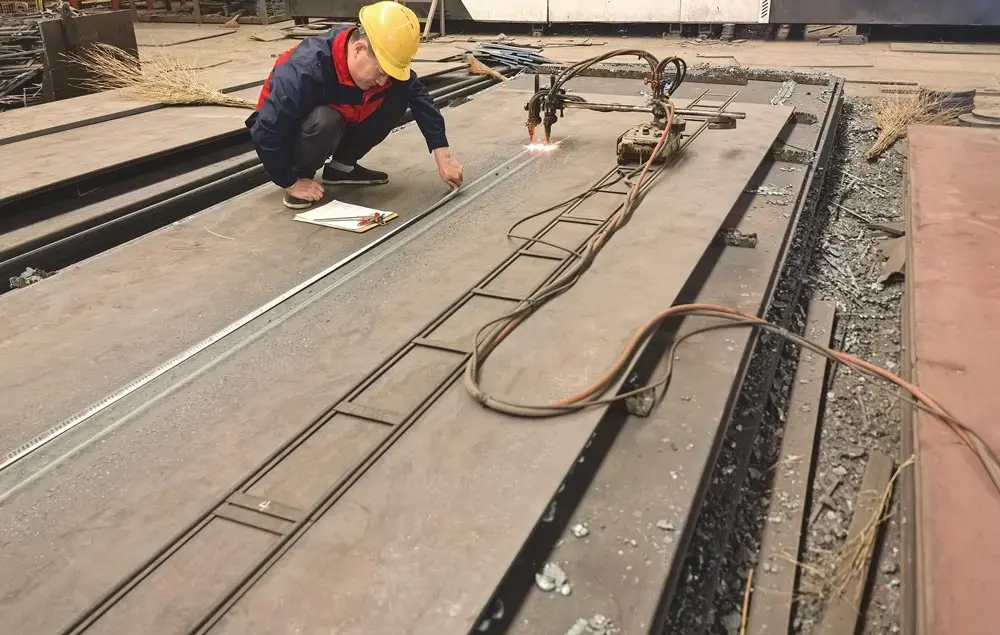
في تصنيع الألواح الحديثة, ، ال لوحة الضغط العملية ليست مجرد خطوة، فهي قلب الإنتاج. سواء كنت تصنع MDF، أو الخشب الرقائقي، أو لوح الميلامين، أو اللوح الحبيبي، فإن مرحلة الضغط تحدد قوة اللوحة، وتسطيحها، وكثافتها، وجودة سطحها.
يمكن أن يؤدي الانحراف البسيط في درجة الحرارة أو الضغط أو الوقت إلى التزييف أو التصفيح أو الفقاعات أو الكثافة غير المتسقة. هذه العيوب لا تقلل من قيمة المنتج فحسب، بل تزيد أيضًا من النفايات وتكاليف التشغيل. في العديد من المصانع، تمثل العيوب المرتبطة بالضغط أكثر من ذلك 20% من إجمالي خسارة الإنتاج, ، جعل التحكم في عملية لوحة الضغط أولوية قصوى.
وفقا لبيانات الصناعة،, عيوب اللوحة الناتجة عن أخطاء الضغط هي من بين أهم أسباب شكاوى العملاء وإعادة العمل والخردة. ولهذا السبب تتعمق هذه المقالة في عمليات لوحة الضغط الستة وتشرح كيفية التحكم في كل مرحلة ببيانات دقيقة وأساليب عملية.
عملية الضغط على اللوحة 1: تحضير المواد الخام
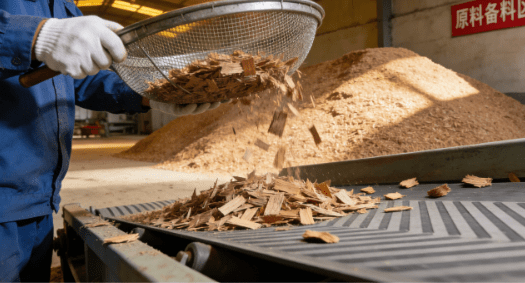
ما يتضمنه تحضير المواد الخام
يعد تحضير المواد الخام الخطوة الأولى في سير عمل لوحة الضغط. ويشمل التجفيف والتحجيم وتنقية الألياف ومزج المواد الخام مثل ألياف الخشب والراتنج والمواد المضافة.
لماذا يؤثر على الجودة النهائية
تعتمد جودة اللوحة بشكل كبير على محتوى الرطوبة في المادة الخام، وتوزيع حجم الجسيمات، والتصاق الراتنج. يؤدي التحضير غير السليم إلى ضغط غير متساوٍ، وضعف الترابط، والفراغات الداخلية.
المفهوم الرئيسي: التحكم في الرطوبة
محتوى الرطوبة أمر بالغ الأهمية. إذا كانت الرطوبة عالية جدًا، فسوف يتولد البخار داخل الحصيرة أثناء الضغط، مما يؤدي إلى ظهور فقاعات أو تصفيح. إذا كان منخفضًا جدًا، فلن يتمكن الراتينج من المعالجة بشكل صحيح، مما يؤدي إلى ضعف الترابط.
بيانات الصناعة:
- يتطلب إنتاج MDF عادةً محتوى الرطوبة بين 6% و9%.
- يتطلب Particleboard 6% 8%.
- تزيد الرطوبة التي تزيد عن 10% من خطر الفقاعات الداخلية بأكثر من 30%.
الأدوات والآلات العملية
- المجففات الدوارة لتجفيف الألياف
- مطاحن المطرقة لتحجيم الجسيمات
- الخلاطات لخلط الراتنج الموحد
- محللات الرطوبة للمراقبة في الوقت الحقيقي
عملية لوحة الضغط 2: تطبيق الراتنج والمواد اللاصقة
كيف تعمل المواد اللاصقة في لوحة الضغط
تطبيق الراتنج هو قلب ربط الألواح. يعمل الراتنج بمثابة الغراء الذي يربط الألياف أو الطبقات معًا تحت الحرارة والضغط.
المفهوم الرئيسي: توزيع الراتنج
التوزيع الموحد للراتنج ضروري. يسبب الراتنج غير المتساوي نقاط ضعف، مما يؤدي إلى تقشير السطح أو التصفيح الداخلي.
أنواع الراتنج وآثارها
- UF (اليوريا فورمالدهايد): الأكثر شيوعًا بالنسبة لـ MDF، فهو فعال من حيث التكلفة، وقوة ربط عالية، ولكنه ليس مقاومًا للماء.
- PF (الراتنج الفينولي): مقاومة أعلى للماء ومقاومة للحرارة، تستخدم في الألواح الخارجية.
- MUF (الميلامين واليوريا والفورمالدهيد): مقاومة متوازنة للماء والتكلفة، شائعة الاستخدام للألواح الداخلية ذات القدرة العالية على تحمل الرطوبة.
البيانات الرئيسية
- عادة ما يتم علاج راتنج UF عند 140 درجة مئوية160° مئوية تحت الضغط.
- يتطلب راتنج PF 160 درجة مئوية180° مئوية ولكنه يوفر مقاومة أفضل للماء.
- نسبة الراتنج النموذجية لـ MDF هي 10% ناصب12%, ، في حين يستخدم الحبيبي في كثير من الأحيان 8% ناصب10%.
الآلات والتحكم
- أنظمة جرعات الراتنج ضمان التطبيق المتسق
- فوهات الرش والخلاطات تحسين التوزيع
- مراقبة تركيز الراتنج في الوقت الحقيقي يقلل من النفايات ويحسن الترابط
عملية لوحة الضغط 3: تشكيل الحصيرة وطبقاتها
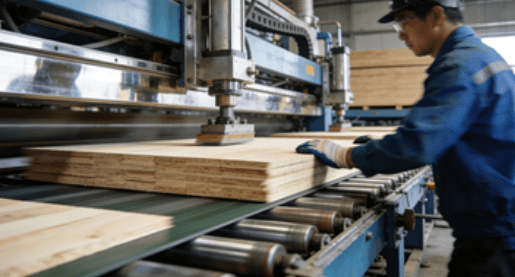
ماذا يعني تشكيل حصيرة
يشير تكوين الحصيرة إلى ترتيب المادة الخام في حصيرة قبل الضغط عليها. ل الخشب الرقائقي, ، وهذا ينطوي على طبقات القشرة. بالنسبة لـ MDF، فإنه يتضمن تشكيل حصيرة من الألياف.
المفهوم الرئيسي: كثافة الطبقة
تؤثر كثافة الطبقة على الضغط والبنية الداخلية. حصيرة جيدة التكوين تمنع الفراغات وتضمن الضغط المستمر.
لماذا هذا مهم
يؤثر تكوين الحصيرة بشكل مباشر على دقة سمك اللوحة وتسطيحها. يؤدي التوزيع غير المتساوي للحصيرة إلى سمك غير متساوٍ وتشويه.
معلمات العملية
- التحكم في سمك الحصيرة: ضمان ارتفاع الطبقة بشكل ثابت
- توحيد الطبقة: تقليل عيوب الحافة
- حصيرة الضغط المسبق: قم بتثبيت السجادة قبل الضغط النهائي
آلات
- آلات التشكيل
- أنظمة ما قبل الطباعة
- ناقلات حصيرة
عملية الضغط على اللوحة 4: الضغط الساخن والتحكم في درجة الحرارة
ما يفعله الضغط الساخن
الضغط الساخن هو المرحلة الأساسية للوحة الضغط. يتم تطبيق الحرارة والضغط لمعالجة الراتنج وضغط الحصيرة في لوحة صلبة.
المفهوم الرئيسي: تدرج درجة الحرارة
يضمن التدرج المناسب لدرجة الحرارة معالجة الراتينج بالتساوي من السطح إلى القلب. إذا ظل القلب باردًا، فلن يعالج الراتينج بشكل صحيح، مما يسبب ضعف الترابط.
البيانات الرئيسية
- فرق درجة الحرارة أعلاه 15 درجة مئوية20° مئوية بين السطح والقلب غالبا ما يسبب معالجة غير كاملة.
- بالنسبة لـ MDF، درجة حرارة الضغط النموذجية هي 160 درجة مئوية180° مئوية.
- يعتمد وقت الضغط على سمك اللوحة: حوالي 30-60 ثانية لكل ملليمتر.
الضغط الضاغط
- يتطلب MDF عادة 2.5 بوصة 3.5 ميجا باسكال ضغط.
- يتطلب Particleboard 2.0 "3.0 ميجا باسكال".
- الضغط المرتفع جدًا يمكن أن يسبب ضغطًا زائدًا ويقلل الترابط الداخلي، بينما الضغط المنخفض جدًا يسبب ضعف الكثافة وضعف القوة.
أنواع الصحافة الساخنة

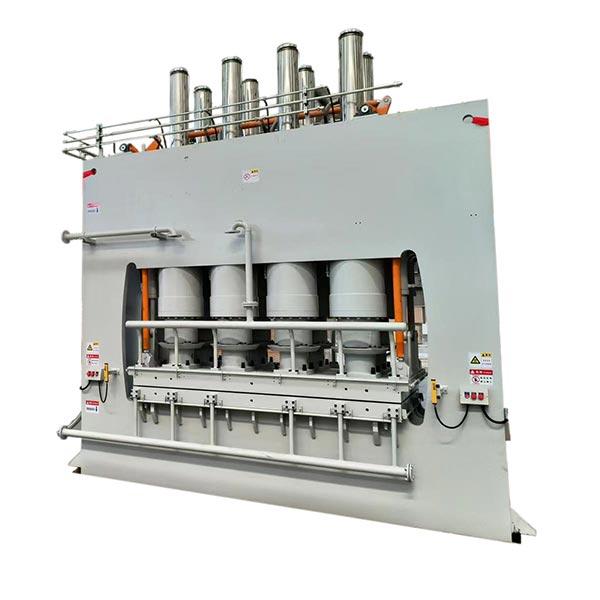
- الصحافة الافتتاحية واحدة: بسيطة وفعالة من حيث التكلفة
- الصحافة متعددة الافتتاح: مخرجات أعلى، اتساق أفضل
- الصحافة المستمرة: الأفضل للإنتاج على نطاق واسع
بيانات العالم الحقيقي
وجدت دراسة أجريت في التصنيع الصناعي أن تحسين درجة حرارة الضغط والضغط يمكن أن يقلل من معدل رفض اللوحة عن طريق 18% وتحسين القوة الميكانيكية من خلال 12%.
عملية الضغط على اللوحة 5: التبريد والتثبيت
لماذا التبريد ضروري
بعد الضغط، يجب أن تبرد اللوحة تدريجيًا لتثبيت هيكلها. التبريد السريع يسبب الإجهاد الداخلي والتزييف.
المفهوم الرئيسي: تخفيف التوتر
يسمح التبريد بتحرير الضغوط الداخلية، مما يمنع تشوه ما بعد الإنتاج.
طرق التبريد
- تبريد الهواء الطبيعي
- التبريد القسري
- أنفاق التبريد
بيانات عملية
التبريد المتحكم فيه يمكن أن يقلل من التزييف عن طريق 20 تش30% مقارنة بتبريد الهواء. في الإنتاج المتطور، يتم استخدام أنفاق التبريد لتثبيت هيكل اللوحة ومنع التشوه.
عملية الضغط على اللوحة 6: التشذيب وتشطيب السطح
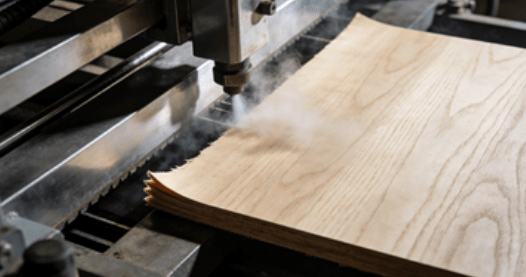
اللمسات النهائية للألواح الخالية من العيوب
تتضمن الخطوة الأخيرة التشذيب والصنفرة وتشطيب السطح. تحدد هذه المرحلة المظهر النهائي للوحة ودقة الأبعاد.
المفهوم الرئيسي: نعومة السطح
نعومة السطح ضرورية للتصفيح أو الطلاء أو تطبيق القشرة.
طرق التشطيب الشائعة
- صنفرة متعددة المراحل
- تسوية السطح
- التصفيح
مثال في العالم الحقيقي
غالبًا ما يستخدم مصنعو ألواح الأثاث الراقية الصنفرة ثلاثية المراحل لتحقيق سطح أملس. وهذا يقلل من علامات الصنفرة ويحسن التصاق التصفيح.
المقارنة: أنظمة الضغط وإيجابياتها وسلبياتها
الصحافة المفتوحة مقابل الصحافة المغلقة
أنظمة الضغط المختلفة تنتج نتائج مختلفة. يعتمد اختيار النظام المناسب على أهدافك ومواد الإنتاج الخاصة بك.
افتح الصحافة
- مناسبة للدفعات الصغيرة
- إعداد أسرع
- توزيع ضغط أقل اتساقا
- انخفاض الاستثمار
الصحافة المغلقة
- مناسبة للإنتاج على نطاق واسع
- ضغط ودرجة حرارة مستقرة
- اتساق أعلى
- تكلفة أعلى
الصحافة المستمرة مقابل الصحافة المجمعة
تعتبر المكبس المستمر مثاليًا للإنتاج بكميات كبيرة، بينما يوفر الضغط الدفعي المرونة.
مراقبة الجودة والامتثال للمعايير
معايير الصناعة الرئيسية
لضمان جودة المنتج المتسقة، تتبع العديد من المصانع معايير مثل:
- إن 622-5/إن 622-6 لMDF والجسيمات
- ISO 9001 لإدارة الجودة
- أستم D1037 لاختبار قوة اللوحة
معلمات الجودة النموذجية
- كثافة
- قوة الرابطة الداخلية
- معامل التمزق (MOR)
- تورم سمك
- انبعاث الفورمالديهايد
مثال البيانات
بالنسبة لـ MDF، قوة الرابطة الداخلية النموذجية هي 0.6 0.8 ميجا باسكال, ، وينبغي أن يكون تورم سمك بعد 24 ساعة <12% (حسب الدرجة).
دراسة حالة في العالم الحقيقي: كيف أدى التحكم في العمليات إلى تقليل العيوب
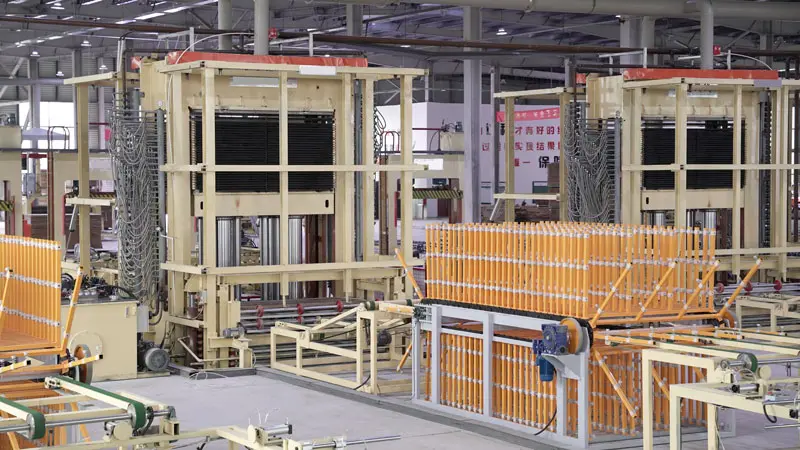
واجه مصنع MDF متوسط الحجم في الصين معدلات عالية من الالتواء والتصفيح. وبعد تطبيق رقابة صارمة على العمليات في سير عمل لوحة الضغط، كانت النتائج:
- تم تخفيض معدل الخلل بمقدار 28%
- ارتفع إنتاج الإنتاج بمقدار 14%
- انخفض استهلاك الطاقة بمقدار 9%
- تم تخفيض شكاوى العملاء بمقدار 35%
ما غيروه
- تحسين التحكم في الرطوبة في المواد الخام
- نظام جرعات الراتنج مطور
- درجة حرارة ووقت الضغط الأمثل
- تمت إضافة نفق تبريد متحكم فيه
قائمة مراجعة عملية لوحة الضغط (الجدول)
| مرحلة العملية | التركيز الرئيسي | قضية مشتركة | التحكم الموصى به |
|---|---|---|---|
| تحضير المواد الخام | جودة الرطوبة والألياف | رطوبة عالية | استخدم التحكم في التجفيف |
| تطبيق الراتنج | حتى التوزيع | الترابط غير المتكافئ | استخدم جرعات دقيقة |
| تشكيل حصيرة | توحيد الطبقة | الفراغات | استخدم خط حصيرة متحكم فيه |
| الضغط الساخن | درجة الحرارة والضغط | تزييفها | مراقبة التدرج |
| تبريد | تخفيف التوتر | تشوه | استخدم التبريد المرحلي |
| التشذيب والتشطيب | نعومة | العيوب السطحية | صنفرة متعددة المراحل |
خاتمة
تتطلب اللوحة الخالية من العيوب عملية لوحة ضغط متسقة ومتحكم فيها. من إعداد المواد الخام إلى التشطيب النهائي، تؤثر كل خطوة على المنتج النهائي. من خلال فهم عمليات لوحة الضغط الست وتنفيذ ضوابط دقيقة، يمكن للمصنعين تقليل العيوب وتحسين الاتساق وزيادة الإنتاجية.
التعليمات
ما هو لوحة الضغط عملية؟
عملية لوح الضغط هي سير عمل تصنيعي يستخدم الحرارة والضغط لتشكيل المواد الخام في ألواح هندسية مثل MDF أو الألواح الحبيبية أو الخشب الرقائقي.
لماذا تعتبر عملية لوحة الضغط مهمة؟
تحدد عملية لوحة الضغط قوة اللوحة وجودة السطح واستقرار الأبعاد. يؤدي ضعف التحكم إلى التزييف والتصفيح والعيوب.
ما الفرق بين الضغط الساخن والضغط البارد؟
يستخدم الضغط الساخن الحرارة والضغط لمعالجة الراتنج، بينما يستخدم الضغط البارد الضغط فقط. يعد الضغط الساخن أمرًا شائعًا للألواح عالية القوة، بينما يتم استخدام الضغط البارد لبعض الألواح المركبة.
ما هي عيوب لوحة الضغط الشائعة؟
تشمل العيوب الشائعة التصفيح، والتزييف، والفقاعات، والكثافة غير المتسقة، وخشونة السطح.
كيف أختار طريقة الضغط الصحيحة؟
خذ بعين الاعتبار نوع المنتج وحجم الإنتاج ومتطلبات الجودة والميزانية. تناسب المطابع المستمرة الإنتاج على نطاق واسع، في حين أن المطابع الدفعية مرنة وفعالة من حيث التكلفة.
ما هي أكبر أسباب عيوب لوحة الضغط؟
تأتي معظم العيوب من الرطوبة غير المتساوية، وسوء توزيع الراتنج، ودرجة الحرارة غير الصحيحة، والتبريد السريع. تسبب هذه المشكلات التزييف والتصفيح والفقاعات.
كيف أعرف إذا كان بلدي لوحة الضغط العملية مستقرة؟
التحقق من اتساق المنتج، وتوحيد الكثافة، ومعدل الخلل. تُظهر العملية المستقرة عادةً سمكًا ثابتًا وكثافة ثابتة ومعدل خردة منخفض.
ما هي أفضل درجة حرارة ضغط لـ MDF؟
بشكل عام، درجة حرارة الضغط MDF هي 160 درجة مئوية180° مئوية, ، لكن الإعدادات الدقيقة تعتمد على نوع الراتنج وسمك اللوحة وسرعة الإنتاج.
هل يمكنني تحسين جودة الضغط دون تغيير المعدات؟
نعم. يمكنك تحسين التحكم في المواد الخام، وتحسين جرعات الراتنج، وضبط معلمات الضغط، وإضافة تبريد أفضل وفحص الجودة.
 Arabic
  English
  Vietnamese