
أخبار
5 آلات مصنع الخشب الرقائقي الأساسية
مرحباً بكم في مدونتي!
يسعدني جدًا وجودك هنا. قبل أن نتعمق في المحتوى، يسعدني التواصل معك عبر هذه الصفحة. أشارك بانتظام رؤىً حول الصناعة، وتحديثاتٍ حول المنتجات، ولحظاتٍ من وراء الكواليس على حساباتي على مواقع التواصل الاجتماعي، كما أنها منصةٌ رائعةٌ للتواصل!
تابعونا على الفيسبوك: شركة شاندونغ تشوانغشين لمعدات الأتمتة المحدودة
لننمو معًا ونبقى على تواصل. والآن، لننتقل إلى المدونة - آمل أن تجدوا محتواها غنيًا بالمعلومات، وجذابًا، وقيّمًا حقًا.
جدول المحتويات
مقدمة
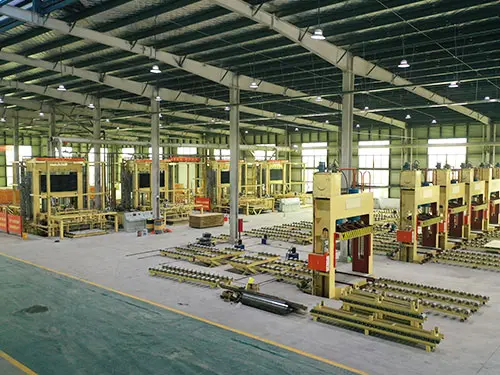
تشغيل أ مصنع الخشب الرقائقي تذهب بكفاءة إلى ما هو أبعد من العمالة والمواد الخام. تحدد الآلات المستخدمة في كل مرحلة، بدءًا من تقشير جذوع الأشجار وحتى تشطيب صفائح الخشب الرقائقي، سرعة الإنتاج وجودته وسلامته. تتمتع المصانع التي تستثمر في الآلات المتقدمة التي تتم صيانتها جيدًا بإنتاج أعلى وتقليل النفايات واتساق أفضل للمنتج.
تظهر تقارير الصناعة أن المصانع التي تحتوي على خطوط تقشير وتجفيف وضغط آلية يمكنها زيادة الإنتاجية بمقدار 30 woretay40% مع تقليل الصفائح المعيبة بمقدار 20 doric25%. يعد فهم وظيفة ومواصفات آلات مصانع الخشب الرقائقي الأساسية أمرًا بالغ الأهمية لكل من العمليات الجديدة والراسخة.
آلات تقشير السجل: أساس الجودة
ما هي آلة تقشير السجل؟
تقوم آلة تقشير جذوع الأشجار بتحويل جذوع الأشجار الخام إلى قشرة رقيقة، وهي المادة الأساسية للخشب الرقائقي. سمك القشرة الموحد والأسطح الملساء تمنع العيوب في المراحل اللاحقة مثل الضغط والتشطيب.
أنواع آلات تقشير السجل
مخارط القشرة الدوارة التعامل مع جذوع الأشجار الكبيرة بكفاءة وإنتاج قشور مستمرة. آلات تقطيع القشرة قم بإنتاج صفائح زخرفية دقيقة بأنماط حبيبية محددة، مناسبة للخشب الرقائقي المخصص للأثاث.
الاعتبارات التشغيلية
تعد المحاذاة الصحيحة للسجل وحدة الشفرة أمرًا بالغ الأهمية. تواجه المصانع التي تنفذ عمليات الفحص والصيانة الروتينية هدرًا أقل للقشرة وتقليل عدد الأوراق المعيبة.
رؤية الصناعة
يلاحظ الدكتور جون ميلر، مستشار معالجة الأخشاب: “ تحدد مرحلة التقشير خط الأساس للجودة لجميع إنتاج الخشب الرقائقي. الدقة هنا تمنع العيوب المكلفة في اتجاه مجرى النهر.”
مجففات القشرة: تحقيق رطوبة ثابتة
فهم التحكم في الرطوبة
بعد التقشير، قد تحتوي القشرة على ما يصل إلى 60 درجة رطوبة من نوع 70%. يعد التحكم في ذلك من خلال مجففات القشرة أمرًا حيويًا لمنع الالتواء والشقوق وضعف الترابط اللاصق.
أنواع المجففات
تقليدي مجففات البخار أبطأ وتستهلك الكثير من الطاقة، في حين أنها حديثة مجففات الهواء الساخن توفير تقليل موحد للرطوبة وإنتاجية أسرع.
المعايير الفنية
تقوم مجففات الهواء الساخن النموذجية بمعالجة 500 إلى 1000 متر مربع من القشرة يوميًا، مع الحفاظ على درجة حرارة ثابتة وتدفق هواء لتجفيف موحد.
دراسة حالة
قام مصنع في إندونيسيا بتخفيض عيوب التصفيح بمقدار 30% بعد الترقية إلى نظام مجفف الهواء الساخن المستمر، مما يدل على تأثير التحكم الدقيق في الرطوبة.
آلات الضغط الساخن: إنشاء خشب رقائقي قوي
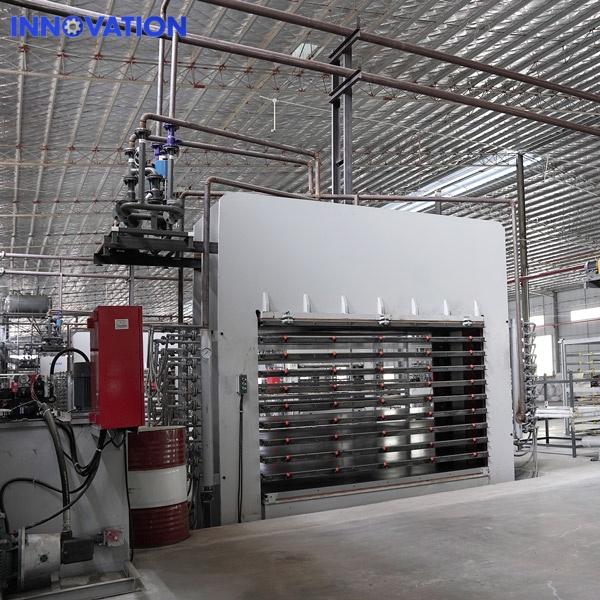
وظيفة آلات الضغط الساخن
تجمع المكابس الساخنة بين الحرارة والضغط لربط القشرة، وتشكيل صفائح من الخشب الرقائقي عالي القوة. يؤثر التحكم في درجة الحرارة والضغط بشكل مباشر على معالجة المواد اللاصقة والسلامة الهيكلية.
مقارنة أنواع الصحافة الساخنة
تعتبر المكابس ذات الألواح المفردة مناسبة للعمليات صغيرة الحجم، بينما تعمل المكابس متعددة الألواح على زيادة الإنتاجية للمصانع الكبيرة. توفر الأنظمة الآلية اتساقًا أفضل وتقلل من أخطاء المشغل.
السلامة والصيانة
تعد الفحوصات المنتظمة للأنظمة الهيدروليكية وأجهزة استشعار الضغط وألواح التسخين ضرورية لمنع الحوادث والحفاظ على جودة المنتج.
نصيحة الخبراء
تؤكد لورا تشين، مستشارة تكنولوجيا الأخشاب، على أن مكابس “Hot هي المكان الذي يتم فيه تحديد الجودة. يمكن أن تؤدي الانحرافات الطفيفة في درجة الحرارة أو الضغط إلى الإضرار بالسلامة الهيكلية.”
آلات القطع والتشذيب: مسائل الدقة
الغرض والأهمية
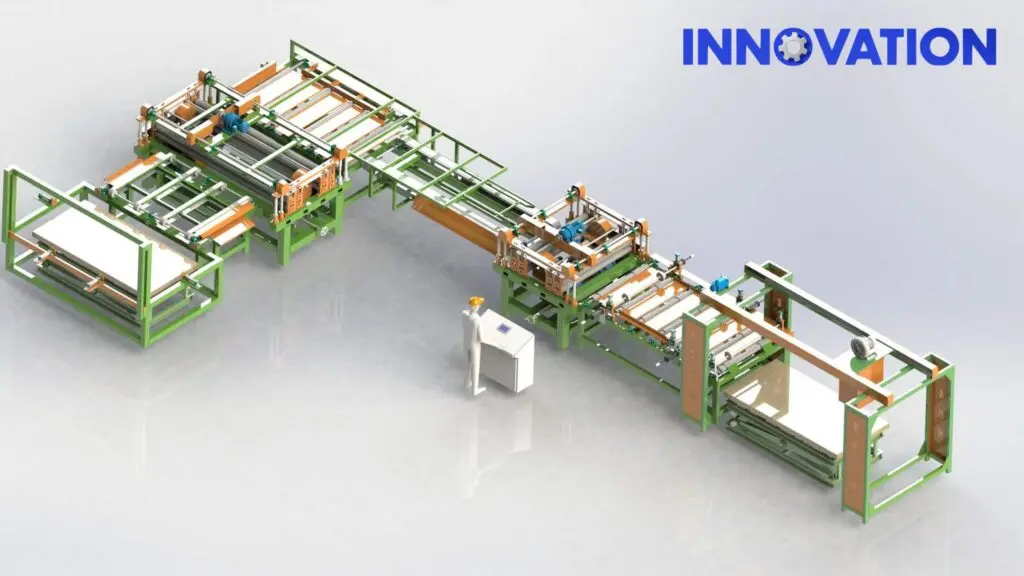
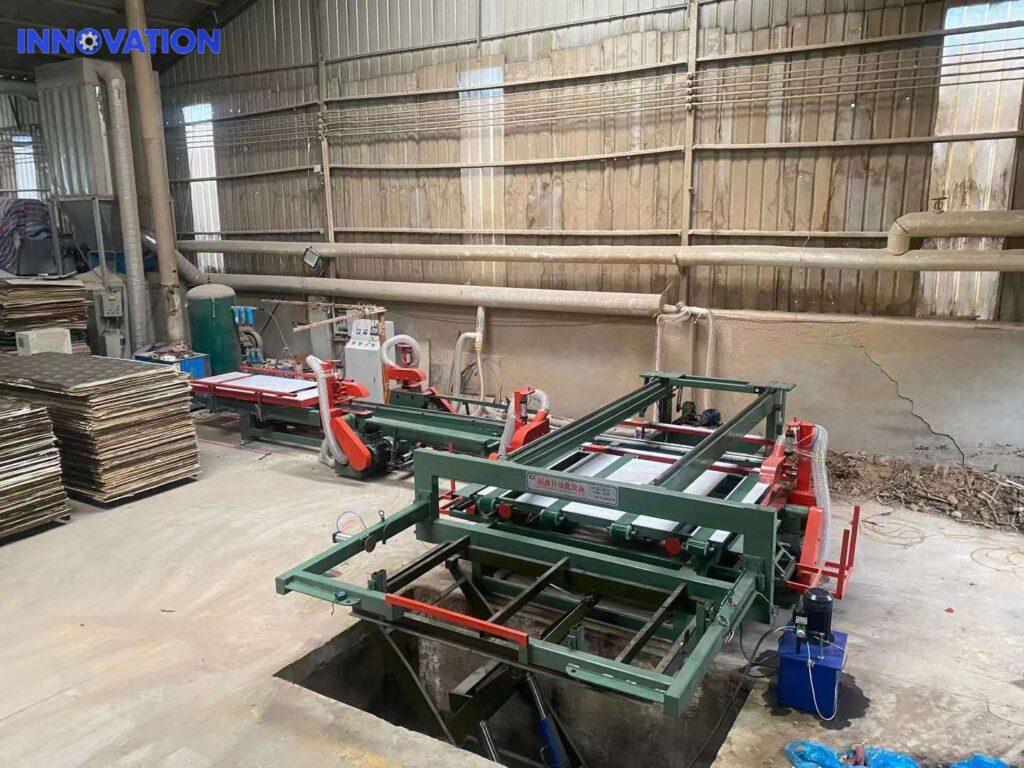
بعد الضغط، يجب قطع صفائح الخشب الرقائقي إلى الأبعاد القياسية. تضمن آلات القطع والتشذيب الدقة وتقليل هدر المواد.
أنواع الآلات
توفر القواطع الأوتوماتيكية دقة أعلى ومعالجة أسرع من المناشير اليدوية، مما يحسن الإنتاجية ويقلل إعادة العمل.
نصائح تشغيلية
يمنع الاختيار الصحيح للشفرة وفحوصات المحاذاة التقطيع أو الحواف غير المستوية، وهو أمر ضروري لتطبيقات الخشب الرقائقي والتصفيح المزخرف.
مقارنة الأداء
| ميزة | منشار يدوي | القاطع التلقائي | حاجة المصنع المثالية |
|---|---|---|---|
| دقة | واسطة | عالي | عالي |
| سرعة | معتدل | سريع | سريع |
| تَعَب | عالي | قليل | قليل |
| نفايات | أعلى | أقل | قليل |
آلات الصنفرة: ضمان تشطيب احترافي
دور آلات الصنفرة
يعمل الصنفرة على تنعيم أسطح الخشب الرقائقي، وإعدادها للتصفيح أو الطلاء أو الاستخدام المباشر. تعتبر الأسطح الناعمة الخالية من العيوب أمرًا بالغ الأهمية للجماليات وجودة التشطيب.
المواصفات الفنية
يمكن لآلات الصنفرة الحديثة معالجة 200 ورقة 300 ورقة في الساعة، باستخدام أحزمة متعددة وأنظمة متكاملة لاستخراج الغبار.
نصائح تشغيلية
يضمن الاستبدال المنتظم للحزام وصيانة نظام الغبار جودة سطح متسقة وإطالة عمر الماكينة.
مثال
قام مصنع صيني للخشب الرقائقي بتحسين جودة السطح ورضا العملاء من خلال تركيب خط صنفرة آلي مع جمع الغبار.
مصنع الخشب الرقائقي جدول مواصفات الآلات
| آلة | وظيفة | الطاقة الإنتاجية | الميزة الرئيسية | صيانة |
|---|---|---|---|---|
| تقشير السجل | تحضير القشرة | 4 سجلات · 6 سجلات/ساعة | الروتاري/الشريحة | شحذ الشفرة، والتشحيم |
| مجفف القشرة الخشبية | تقليل الرطوبة | 500 م1000 متر مربع/يوم | الهواء الساخن/البخار | تنظيف عنصر التسخين |
| مكبس ساخن | الغراء والضغط | 50.100 ورقة/ساعة | ضغط/درجة حرارة قابلة للتعديل | الفحص الهيدروليكي، تنظيف اللوحة |
| القطع/التشذيب | الأبعاد | 100.250 ورقة/ساعة | شفرات قابلة للتعديل | محاذاة الشفرة، التشحيم |
| الصنفرة | تشطيب السطح | 200.300 ورقة/ساعة | صنفرة متعددة الأحزمة، وجمع الغبار | استبدال الحزام، صيانة نظام الغبار |
اعتبارات متقدمة لإعداد مصنع الخشب الرقائقي
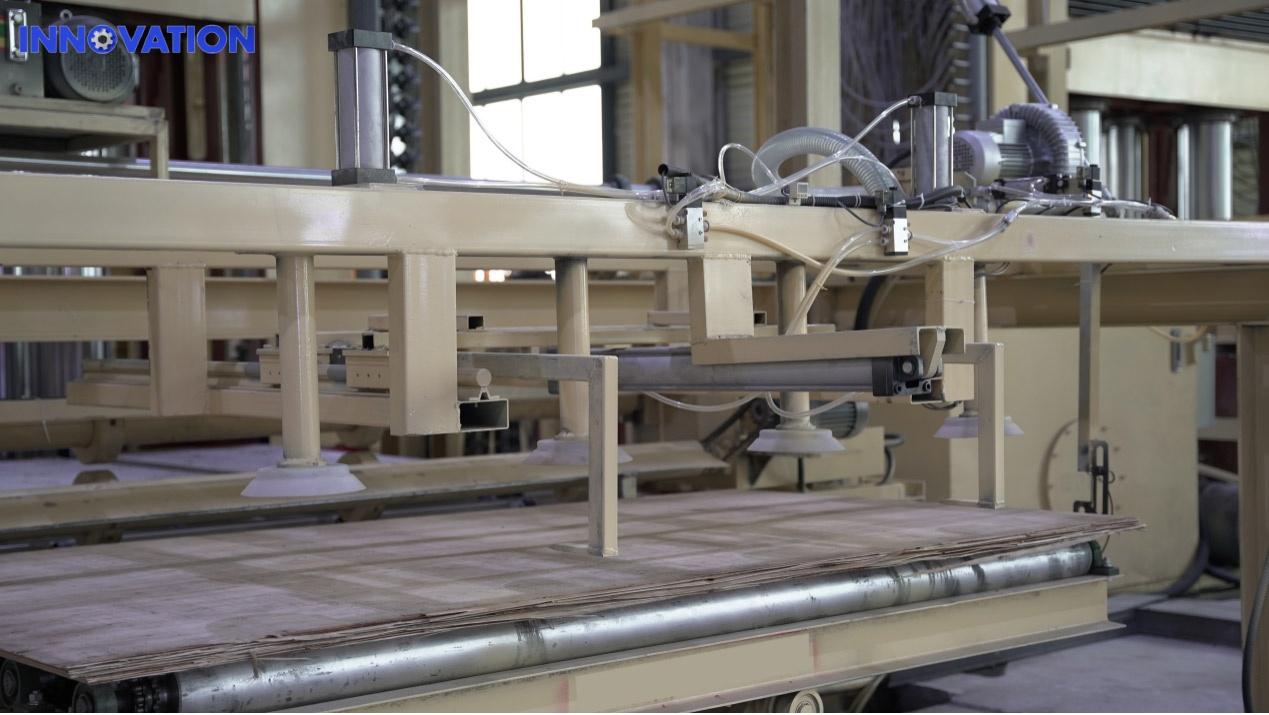
تحسين تخطيط المصنع
يعمل الترتيب الفعال على تقليل وقت النقل بين الآلات، وتحسين سير العمل، ويتيح مساحة للصيانة والوصول إلى السلامة.
كفاءة الطاقة والاستدامة
إن تنفيذ المحركات الموفرة للطاقة، وأنظمة استعادة الحرارة، وإدارة الغبار يمكن أن يقلل من تكاليف التشغيل والأثر البيئي.
تدريب القوى العاملة
حتى الآلات الآلية تتطلب مشغلين ماهرين. يعد التدريب الشامل على إعداد الماكينة والصيانة الوقائية وبروتوكولات السلامة أمرًا ضروريًا.
أنظمة مراقبة الجودة
تضمن المراقبة المستمرة لسمك القشرة ومحتوى الرطوبة وقوة الخشب الرقائقي النهائية جودة متسقة وتقلل من العيوب.
التحديات والحلول المشتركة
تقلب المواد الخام
تختلف السجلات في الحجم والرطوبة والكثافة. يساعد الفرز المسبق والتجفيف الموحد في الحفاظ على جودة إنتاج متسقة.
توقف المعدات
تعمل الصيانة الوقائية وعمليات التفتيش الروتينية وإدارة قطع الغيار على تقليل حالات التوقف غير المخطط لها.
العوامل البيئية
يمكن أن تؤثر درجة الحرارة والرطوبة والغبار على أداء القشرة والمواد اللاصقة. التهوية المناسبة والتحكم في المناخ أمر بالغ الأهمية.
خاتمة
المزيج الصحيح من الآلات في أ مصنع الخشب الرقائقي يضمن الكفاءة التشغيلية واتساق المنتج والسلامة في مكان العمل. من تقشير جذوع الأشجار إلى صنفرة الألواح النهائية، تلعب كل آلة دورًا محددًا في إنتاج الخشب الرقائقي عالي الجودة. إن الاستثمار في الآلات المتينة والحديثة والتي يتم صيانتها جيدًا ليس اختياريًا ولكنه ضروري للقدرة التنافسية على المدى الطويل في صناعة الخشب الرقائقي.
التعليمات
ما هي الآلات الخمس الأساسية؟
آلة تقشير جذوع الأشجار، ومجفف القشرة، وآلة الضغط الساخن، وآلة القطع/التشذيب، وآلة الصنفرة.
كيفية اختيار الجهاز المناسب؟
ضع في اعتبارك حجم الإنتاج ونوع المادة الخام والمساحة ومتطلبات جودة المنتج.
هل تستطيع هذه الآلات التعامل مع جميع أنواع الخشب؟
معظم الآلات الحديثة متعددة الاستخدامات، ولكنها تتحقق من مواصفات صلابة الخشب وسمكه ومحتوى الرطوبة.
كم مرة يجب صيانة الآلات؟
يوصى بإجراء عمليات فحص يومية وتنظيف أسبوعي وصيانة وقائية شهرية.
هل الآلات الآلية أفضل من اليدوية؟
تعمل الأتمتة على تحسين الاتساق، وتقليل العمالة، وتقليل الأخطاء البشرية، على الرغم من أن التكاليف الأولية أعلى.
 Arabic
  English
  Vietnamese