
أخبار
ما هو الأكثر كفاءة: مكبس الصفائح أم معدات الربط التقليدية؟
جدول المحتويات
مقدمة

في صناعات تصنيع الألواح والنجارة الحديثة، ترتبط كفاءة الإنتاج ارتباطًا مباشرًا بجودة المنتج والتكلفة التشغيلية وقابلية التوسع في التصنيع. مع استمرار نمو الطلب على الألواح الزخرفية والألواح المصفحة والمنتجات الخشبية الهندسية، يقوم المصنعون بشكل متزايد بتقييم ما إذا كانت أنظمة ضغط الصفائح المتقدمة توفر كفاءة أفضل من معدات الربط التقليدية.
لقد تم استخدام طرق الربط التقليدية لعقود من الزمن ولا تزال شائعة في ورش العمل الصغيرة وبيئات الإنتاج ذات الحجم المنخفض. ومع ذلك، فقد أحدثت تكنولوجيا ضغط الصفائح تحولًا في التصنيع الصناعي من خلال تحسين اتساق الترابط، وتقليل وقت الإنتاج، ودعم سير العمل الآلي.
وفقًا لدراسات تحسين الإنتاج الصناعي، يمكن لأنظمة الضغط الآلية تحسين الإنتاجية بشكل كبير وتقليل هدر المواد مقارنة بطرق الربط اليدوية التقليدية.
تقارن هذه المقالة أنظمة الضغط الصفائحي ومعدات الربط التقليدية من حيث الكفاءة والإنتاجية والتحكم في التكلفة واتساق الجودة والتطبيق الصناعي.
ما هي الصحافة صفح؟
آلة ضغط التصفيح هي آلة صناعية مصممة لربط الأسطح الزخرفية أو الصفائح أو القشرة أو الأفلام على ركائز مثل MDF والخشب الرقائقي وHDF وألواح الجسيمات.
يستخدم النظام ضغطًا متحكمًا فيه، وفي كثير من الحالات حرارة، لضمان ترابط مستقر ودائم بين الطبقات.
تُستخدم أنظمة آلات ضغط الترقق بشكل شائع في:
- تصنيع الأثاث
- إنتاج الألواح الزخرفية
- معالجة الأخشاب الهندسية
- إنتاج الأرضيات المصفحة
- تشطيب السطح الداخلي
غالبًا ما يتم دمج آلة ضغط التصفيح الحديثة في خطوط الإنتاج الآلية للتصنيع بكميات كبيرة.
ما هي معدات الربط التقليدية؟
تشير معدات الربط التقليدية إلى أنظمة الربط اليدوية أو شبه الأوتوماتيكية التي تعتمد على الضغط الميكانيكي وتطبيق المادة اللاصقة والتحكم في المشغل.
تشمل الأمثلة:
- أنظمة ربط الأسطوانة اليدوية
- معدات نشر الغراء التقليدية
- المكابس الميكانيكية الأساسية
- أدوات الربط التي تعمل باليد
عادةً ما تكون هذه الطرق مناسبة للإنتاج على نطاق صغير أو لعمليات التصفيح الأقل تعقيدًا.
على الرغم من أن المعدات التقليدية تتطلب استثمارًا أوليًا أقل، إلا أنها غالبًا ما تعتمد بشكل كبير على مهارة المشغل وإدارة سير العمل اليدوي.
الاختلافات الرئيسية في كفاءة الإنتاج
مستوى الأتمتة
واحدة من أكبر الاختلافات بين أنظمة آلات ضغط التصفيح ومعدات الربط التقليدية هي الأتمتة.
غالبًا ما تتضمن أنظمة الضغط الصفائحية ما يلي:
- التحكم الآلي في الضغط
- تنظيم درجة الحرارة
- تكامل الناقل
- مراقبة العمليات الرقمية
تتطلب معدات الربط التقليدية عادةً المزيد من التشغيل اليدوي، مما يزيد من الاعتماد على العمالة ويقلل من اتساق سير العمل.
سرعة الإنتاج
تم تصميم أنظمة آلات ضغط التصفيح للإنتاج المستمر وعالي السرعة. يسمح التحكم الآلي في الدورة للمصنعين بمعالجة كميات كبيرة من اللوحات بكفاءة.
تعمل معدات الربط التقليدية عمومًا بسرعات أبطأ لأنه يجب على المشغلين التعامل يدويًا مع تحديد المواقع وتعديل الضغط ونقل المواد.
اتساق الترابط
توفر آلة ضغط التصفيح توزيعًا ثابتًا للضغط عبر سطح اللوحة بالكامل، مما يحسن أداء اللصق ويقلل العيوب.
قد تنتج الطرق التقليدية ترابطًا غير متساوٍ بسبب تطبيق الضغط غير المتسق أو أخطاء المعالجة اليدوية.
استخدام المواد
يساعد التحكم الدقيق في الضغط والعملية على تقليل أنظمة آلات ضغط التصفيح من النفايات اللاصقة وتقليل المنتجات المعيبة.
قد تؤدي طرق الربط التقليدية إلى زيادة هدر المواد بسبب متطلبات التطبيق وإعادة العمل غير المتسقة.
جدول المقارنة: مكبس الصفائح مقابل معدات الربط التقليدية
| ميزة | الصحافة صفح | معدات الربط التقليدية |
|---|---|---|
| سرعة الإنتاج | عالي | معتدل إلى منخفض |
| مستوى الأتمتة | عالي | قليل |
| متطلبات العمالة | أقل | أعلى |
| اتساق الترابط | مستقرة وموحدة | يعتمد المشغل |
| النفايات المادية | أقل | أعلى |
| جودة السطح | متسق | عامل |
| قابلية التوسع | ممتاز للإنتاج الضخم | قابلية التوسع محدودة |
| تعقيد الصيانة | معتدل | بسيط |
تسلط هذه المقارنة الضوء على سبب تفضيل أنظمة الضغط الصفائحي على نطاق واسع في بيئات الإنتاج على نطاق صناعي.
كيف تعمل أنظمة الصحافة الصفائحية على تحسين الكفاءة
دورات إنتاج أسرع
تعمل آلة ضغط التصفيح الحديثة على تقليل وقت المعالجة من خلال إدارة الدورة الآلية والتحكم الأمثل في الضغط.
تحسين جودة المنتج
يعمل الضغط ودرجة الحرارة المستقران على تحسين قوة الترابط واتساق السطح، مما يقلل من شكاوى العملاء ومعدلات رفض المنتج.
تكامل أفضل لسير العمل
يمكن لآلة ضغط التصفيح الاتصال مباشرة بأنظمة التحميل والتفريغ والناقل لإنشاء خطوط إنتاج سلسة.
مزايا معدات الربط التقليدية
على الرغم من انخفاض الكفاءة، لا تزال معدات الربط التقليدية تتمتع بمزايا عملية في مواقف معينة.
انخفاض الاستثمار الأولي
قد تفضل الورش الصغيرة المعدات التقليدية لأنها تتطلب استثمارًا رأسماليًا أقل.
صيانة أبسط
تحتوي الأنظمة اليدوية عمومًا على مكونات معقدة أقل وأسهل في الإصلاح.
المرونة لإنتاج الدفعات الصغيرة
يمكن أن تكون طرق الربط التقليدية مناسبة للإنتاج المخصص أو منخفض الحجم حيث تكون الأتمتة الكاملة غير ضرورية.
التطبيقات الصناعية لأنظمة الصحافة الصفائحية
تُستخدم أنظمة آلات ضغط الترقق على نطاق واسع في الصناعات التي تتطلب معالجة أسطح زخرفية عالية الجودة.
صناعة الأثاث
يتم استخدامها لإنتاج ألواح أثاث مزخرفة ذات جودة سطحية ثابتة وترابط متين.
إنتاج الألواح الزخرفية
يستخدم المصنعون آلة ضغط التصفيح لألواح الميلامين والألواح المصفحة ومواد الديكور الداخلي.
صناعة الأرضيات
يتطلب إنتاج الأرضيات المصفحة تحكمًا دقيقًا في الضغط ودرجة الحرارة لضمان مقاومة التآكل والمتانة.
معالجة الأخشاب الهندسية
تعمل مكابس الصفائح على تحسين الكفاءة في عمليات تشطيب الأسطح MDF وHDF والخشب الرقائقي.
العوامل التي تؤثر على كفاءة الإنتاج
تؤثر العديد من العوامل التشغيلية على أداء كل من أنظمة آلات ضغط التصفيح ومعدات الربط التقليدية.
جودة لاصقة
يمكن أن يؤدي اختيار المادة اللاصقة الضعيفة إلى تقليل قوة الترابط بغض النظر عن نوع المعدات.
التحكم في درجة الحرارة والضغط
تعتبر معلمات العملية المتسقة أمرًا بالغ الأهمية لجودة التصفيح المستقرة.
مهارة المشغل
تعتمد الأنظمة التقليدية بشكل كبير على خبرة المشغل ودقته.
صيانة الآلة
تضمن الصيانة المناسبة استقرار الأداء على المدى الطويل وتقلل من وقت التوقف عن العمل.
تحضير المواد
يؤثر تسطيح اللوحة والنظافة ومحتوى الرطوبة على جودة الترابط النهائية.
الاتجاهات المستقبلية في تكنولوجيا الصحافة الصفائحية
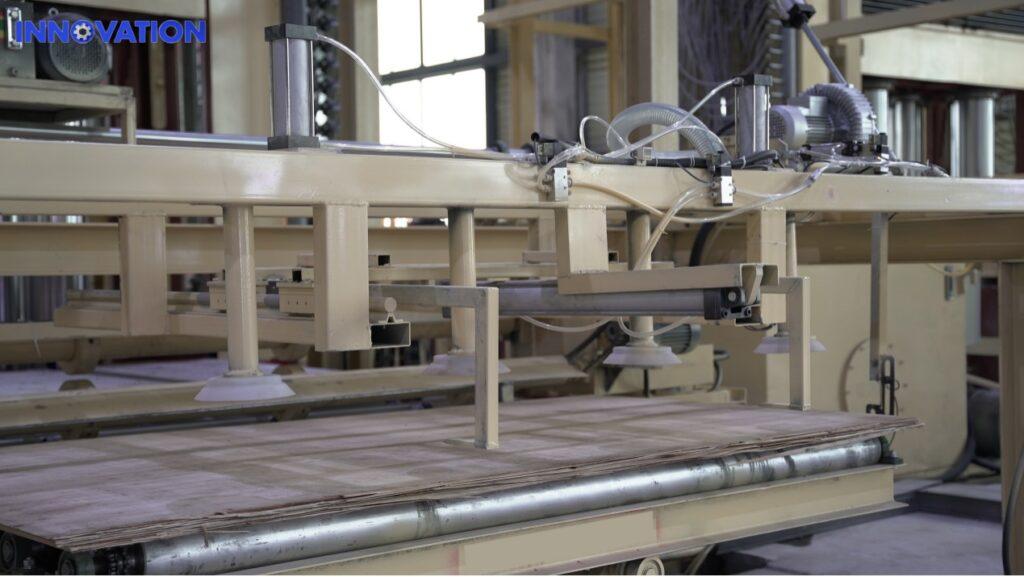

تستمر أنظمة آلات ضغط التصفيح الحديثة في التطور نحو قدر أكبر من الأتمتة والتصنيع الذكي.
مراقبة الإنتاج الذكي
توفر الأنظمة الرقمية الآن مراقبة في الوقت الفعلي لدرجة الحرارة والضغط وكفاءة الإنتاج.
أنظمة التدفئة الموفرة للطاقة
تساعد تقنيات التدفئة المتقدمة على تقليل استهلاك الطاقة مع الحفاظ على أداء الإنتاج.
خطوط إنتاج مؤتمتة بالكامل
يقوم المصنعون بشكل متزايد بدمج مكابس الصفائح مع أنظمة التحميل الآلية والتكديس الآلي.
الصناعة 4.0 التكامل
يمكن الآن ربط بيانات الإنتاج بأنظمة إدارة المصنع المركزية للصيانة التنبؤية وتحسين العمليات.
خاتمة
عند مقارنة أنظمة مكابس الصفائح بمعدات الربط التقليدية، توفر مكابس الصفائح بوضوح كفاءة أعلى واتساقًا أفضل وقابلية توسع أقوى للتصنيع الصناعي الحديث.
في حين أن طرق الربط التقليدية تظل مفيدة للعمليات الصغيرة أو الإنتاج المخصص، فإن أنظمة الضغط الصفائحي توفر مزايا كبيرة في البيئات ذات الحجم الكبير حيث تكون السرعة والجودة والأتمتة ضرورية.
بالنسبة للمصنعين الذين يهدفون إلى تحسين الإنتاجية وتقليل النفايات والحفاظ على جودة المنتج المتسقة، غالبًا ما يكون الاستثمار في تكنولوجيا ضغط الصفائح المتقدمة هو الحل الأكثر كفاءة على المدى الطويل.
التعليمات
ما هو الصحافة صفح تستخدم ل؟
يتم استخدام مكبس الصفائح لربط الشرائح أو القشرة أو الأفلام الزخرفية على MDF والخشب الرقائقي وألواح الجسيمات والألواح الأخرى. فهو يحسن متانة السطح والمظهر واتساق الترابط في التصنيع الصناعي.
كيف تعمل الصحافة صفح؟
تطبق مكبس الصفائح ضغطًا متحكمًا، وأحيانًا حرارة، لربط المواد السطحية على ركائز الألواح. تضمن العملية التصاقًا قويًا وتشطيبًا سلسًا وجودة منتج مستقرة أثناء الإنتاج.
ما هي مزايا الصحافة الصفائحية؟
توفر المكابس المصفحة كفاءة إنتاج أعلى، وجودة سطح متسقة، وتقليل هدر المواد، وأتمتة أفضل مقارنة بطرق الربط التقليدية. فهي مثالية لبيئات التصنيع واسعة النطاق.
ما هي المواد التي يمكن معالجتها باستخدام مكبس الصفائح؟
تُستخدم المكابس الصفائحية بشكل شائع في MDF، والخشب الرقائقي، وHDF، وألواح الجسيمات، والقشرة، والصفائح الزخرفية، والألواح الخشبية الهندسية في إنتاج الأثاث والديكور الداخلي.
كيفية الحفاظ على آلة ضغط الصفائح؟
تشمل الصيانة الدورية فحص الأنظمة الهيدروليكية، وتنظيف ألواح الضغط، ومراقبة إعدادات درجة الحرارة والضغط، وتشحيم المكونات المتحركة. تساعد الصيانة المناسبة على ضمان الأداء المستقر وعمر الماكينة الأطول.
هل تحتاج إلى مساعدة في اختيار مكبس الصفائح المناسب؟
إذا لم تكن متأكدًا من مكبس الصفائح الأفضل لخط الإنتاج أو مواد الألواح أو متطلبات ربط الأسطح، فإن خبرائنا موجودون هنا للمساعدة. اتصل بنا اليوم للحصول على استشارة شخصية والحصول على حل مخصص يعمل على تحسين كفاءة الإنتاج وجودة السطح والأداء التشغيلي على المدى الطويل. لا تنتظر حتى تؤثر أوجه القصور في الإنتاج على إنتاجك، انسحب الآن لتحسين عملية التصنيع وتعزيز ميزتك التنافسية!
 Arabic
  English
  Vietnamese