
أخبار
الألواح الخشبية المصفحة في التطبيقات الصناعية: دليل فني كامل
مرحباً بكم في مدونتي!
يسعدني جدًا وجودك هنا. قبل أن نتعمق في المحتوى، يسعدني التواصل معك عبر هذه الصفحة. أشارك بانتظام رؤىً حول الصناعة، وتحديثاتٍ حول المنتجات، ولحظاتٍ من وراء الكواليس على حساباتي على مواقع التواصل الاجتماعي، كما أنها منصةٌ رائعةٌ للتواصل!
تابعونا على الفيسبوك: شركة شاندونغ تشوانغشين لمعدات الأتمتة المحدودة
لننمو معًا ونبقى على تواصل. والآن، لننتقل إلى المدونة - آمل أن تجدوا محتواها غنيًا بالمعلومات، وجذابًا، وقيّمًا حقًا.
جدول المحتويات
الوجبات الرئيسية لهذه المادة
- ماذا ألواح خشبية مغلفة هي ولماذا تهيمن على أسواق الأخشاب الحديثة الهندسية
- أنظمة التصنيع الصناعية وسير العمل الإنتاجي
- المعايير الفنية والشهادات ومتطلبات الامتثال
- مقارنة الأداء مع الخشب الصلب والمواد الهندسية الأخرى
- حالات الاستخدام الصناعي الحقيقي وبيانات الكفاءة
- معايير الاختيار لتطبيقات المشتريات والهندسة
- استراتيجيات الصيانة لإطالة عمر الخدمة
- اتجاهات السوق ورؤى الاستدامة وتوقعات الطلب العالمي
- الأسئلة الشائعة بناءً على سلوك البحث الحقيقي للمشتري
مقدمة
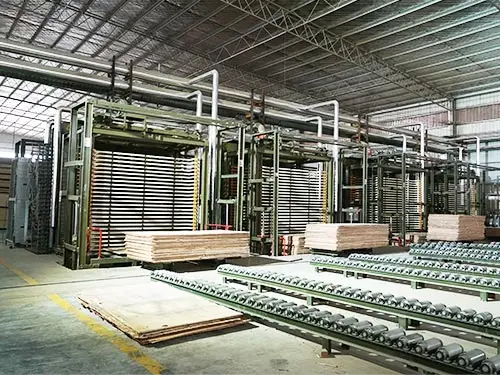
في النظام البيئي للأعمال الخشبية والبناء الصناعي اليوم،, ألواح خشبية مغلفة لم تعد مجرد مادة بديلة لأنها أصبحت المعيار العالمي للإنتاج الخشبي القابل للتطوير والمستقر والفعال من حيث التكلفة. من الأنظمة الداخلية الشاهقة في أوروبا إلى تصنيع الأثاث المعياري في آسيا، تحل الألواح المصفحة الهندسية محل الخشب الصلب التقليدي بوتيرة متسارعة.
وفقًا لتقرير سوق الأخشاب الهندسي العالمي لعام 2025، تمثل المنتجات الخشبية المصفحة أكثر من ذلك 62% من استخدام الألواح الخشبية الصناعية في جميع أنحاء العالم, مدفوعة بثلاث قوى رئيسية: كفاءة المواد، وأنظمة الاستدامة، والأتمتة في خطوط الإنتاج.
على عكس الخشب الصلب الطبيعي،, ألواح خشبية مغلفة تم تصميمها في ظل ظروف صناعية خاضعة للرقابة باستخدام تقنية الربط متعدد الطبقات. وهذا يسمح للمصنعين بالتحكم بدقة في الكثافة ومقاومة الرطوبة والقوة الهيكلية وعوامل جودة تشطيب السطح في سلاسل التوريد الصناعية الحديثة.
يوفر هذا الدليل تحليلاً تقنيًا وتجاريًا عميقًا للألواح الخشبية المصفحة، بما في ذلك أنظمة الإنتاج والمبادئ الهندسية والمعايير الدولية وبيانات التطبيقات الواقعية.
التعريف الصناعي والهيكل الهندسي للألواح الخشبية المصفحة
المفهوم الهندسي للهيكل الرقائقي
الألواح الخشبية المصفحة عبارة عن ألواح هندسية مركبة تم إنشاؤها عن طريق ربط طبقات متعددة من القشرة الخشبية أو الألياف أو الجزيئات باستخدام مواد لاصقة صناعية تحت ضغط متحكم فيه.
تتحسن هذه البنية ذات الطبقات:
- استقرار الأبعاد
- توزيع الحمل الهيكلي
- مقاومة التشقق والتشوه
منطق التصنيع الصناعي
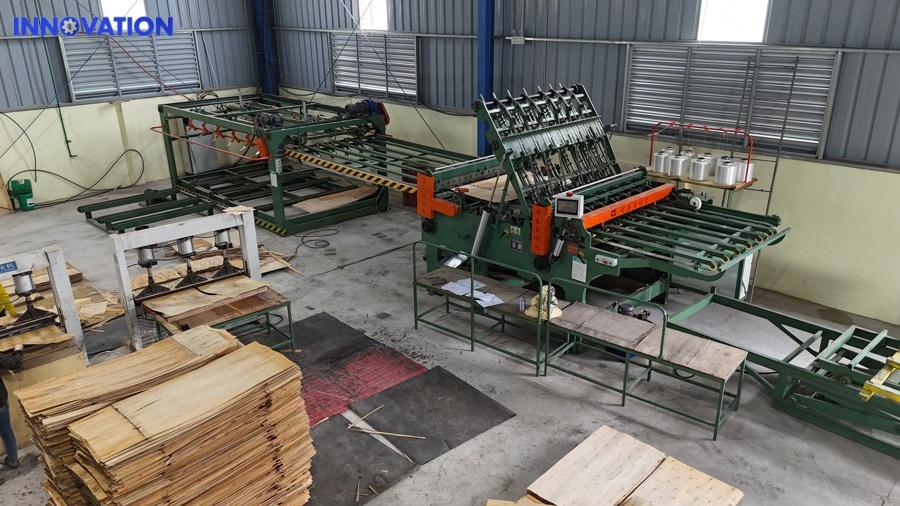
في الإنتاج الصناعي، لا يتم تجميع الألواح الخشبية المصفحة يدويًا، بل يتم إنتاجها من خلال أنظمة الضغط الآلية.
تتحكم هذه الأنظمة في درجة الحرارة والضغط ونسبة الالتصاق ووقت المعالجة بدقة.
تكوين طبقة المواد
تشمل الألواح الصناعية المصفحة النموذجية ما يلي:
- طبقة القشرة السطحية (زخرفية أو واقية)
- الطبقة الأساسية (MDF، الحبيبي، أو الخشب الرقائقي المتقاطع)
- طبقة التوازن (تعزيز الاستقرار)
- طبقة ربط لاصقة صناعية
تخدم كل طبقة غرضًا هندسيًا وظيفيًا وليس قيمة جمالية بحتة.
عملية التصنيع الصناعي للألواح الخشبية الرقائقية
التحكم في معالجة القشرة وتجفيفها
يتم تقطيع قشور الخشب باستخدام آلات دوارة أو تقطيع وتجفيفها إلى نسبة رطوبة تبلغ 6% ناصب10%.
يعد هذا النطاق أمرًا بالغ الأهمية لمنع التصفيح المستقبلي وعدم الاستقرار الهيكلي.
أنظمة التطبيقات اللاصقة
المواد اللاصقة الصناعية مثل:
- اليوريا فورمالدهايد (UF)
- خلات البولي فينيل (PVAc)
- البولي يوريثين (PU)
يتم تطبيقها باستخدام أنظمة طلاء الأسطوانة مع التحكم الدقيق في معدل انتشار الغراء 120 بوصة 180 جم/م².
تقنية الضغط (أنظمة الضغط البارد والساخن)
ألواح خشبية مغلفة تتشكل تحت نظامين صناعيين رئيسيين:
- الضغط البارد (طاقة منخفضة، جودة سطح عالية)
- الضغط الساخن (معالجة عالية السرعة، كفاءة الإنتاج الضخم)
يتراوح ضغط الضغط عادة من 0.8 ميجا باسكال إلى 2.5 ميجا باسكال, ، اعتمادا على كثافة اللوحة وسمكها.
مرحلة المعايرة والتشطيب
بعد الضغط، تكون الألواح هي:
- تم تشذيبه إلى التسامح الأبعاد ±0.2 مم
- تم صقلها باستخدام آلات الصنفرة المعايرة متعددة الرؤوس
- تم فحص عيوب الترابط وتوحيد السطح
المعايير الصناعية العالمية للألواح الخشبية المصفحة
EN 13986 (معيار الألواح الخشبية الأوروبية)
يحدد هذا المعيار:
- متطلبات القوة الميكانيكية
- تصنيف مقاومة الرطوبة
- حدود انبعاث الفورمالديهايد
يجب أن تمتثل اللوحات المستخدمة في التطبيقات الداخلية درجات الانبعاثات E1 أو E0.
ASTM D1037 (معيار الاختبار الأمريكي)
الأغطية:
- معامل المرونة (MOE)
- قوة الترابط الداخلي
- معدل امتصاص الماء
اختبار انبعاث الفورمالديهايد ISO 12460
يحد من مستويات الانبعاثات لضمان السلامة البيئية في التطبيقات السكنية.
الامتثال للمرحلة الثانية من CARB (معيار كاليفورنيا)
واحدة من أكثر اللوائح العالمية صرامة التي تتحكم في انبعاثات الفورمالديهايد في المنتجات الخشبية الهندسية.
التطبيقات الصناعية للألواح الخشبية المصفحة
صناعة الأثاث
تستخدم في:
- أنظمة مجلس الوزراء
- أثاث المكاتب
- رفوف وحدات
تظهر بيانات الصناعة أن الألواح المصفحة تقلل من تكلفة المواد بنسبة 18.32% مقارنة بإنتاج الأثاث الخشبي الصلب.
البناء والهندسة المعمارية
تشمل التطبيقات:
- أنظمة تكسية الجدران
- هياكل السقف
- لوحات التقسيم الداخلية
استقرارها يجعلها مناسبة للديكورات الداخلية للمباني الشاهقة حيث يجب أن تكون تغييرات الأبعاد في حدها الأدنى.
أنظمة الأرضيات والألواح الهيكلية
تستخدم الألواح المصفحة الهندسية على نطاق واسع في:
- نوى الأرضيات المصفحة
- طبقات التعزيز تحت الأرضية
- ألواح البناء الجاهزة
الألواح الخشبية المصفحة مقابل المواد البديلة
جدول مقارنة الأداء الكامل
| ملكية | ألواح خشبية مغلفة | خشب صلب | ألواح فولاذية | ألواح بلاستيكية |
|---|---|---|---|---|
| استقرار الأبعاد | عالي | منخفض ومتوسط | مرتفع جداً | عالي |
| كفاءة التكلفة | عالي | قليل | واسطة | واسطة |
| الاستدامة | عالية (استخدام فعال للخشب) | واسطة | قليل | قليل |
| وزن | واسطة | متوسط-عالي | عالي | قليل |
| مرونة المعالجة | عالي | واسطة | قليل | عالي |
| الملاءمة الصناعية | مرتفع جداً | قليل | عالي | واسطة |
التفسير الفني
ميزة التحسين الهندسي
ألواح خشبية مغلفة هي مواد هندسية محسنة لكفاءة الإنتاج الصناعي.
أنها تقلل من استهلاك الخشب الخام بما يصل إلى 50% مقارنة بصناعة الأخشاب الصلبة.
حدود المواد الطبيعية
الخشب الصلب محدود بتقلب الحبوب الطبيعية وحساسية الرطوبة.
وهذا يؤدي إلى أداء صناعي غير متسق.
هندسة أداء الألواح الخشبية المصفحة
هندسة توزيع الأحمال
تقوم الهياكل متعددة الطبقات بتوزيع الضغط عبر اتجاهات الحبوب المختلفة.
وهذا يقلل من التوتر الداخلي ويحسن المتانة على المدى الطويل.
آلية استقرار الرطوبة
تمنع الحواجز اللاصقة امتصاص الماء في الطبقات الأساسية.
وهذا يقلل من معدلات التورم إلى أقل من ذلك 8% في بيئات الرطوبة الخاضعة للرقابة.
مبدأ التعزيز الهيكلي
يعمل الاتجاه عبر الطبقات على تحسين مقاومة الانحناء بما يصل إلى 40% مقارنة باللوحات أحادية الطبقة.
ورقة المواصفات الصناعية للألواح الخشبية الرقائقية
| المعلمة | النطاق الصناعي | وظيفة |
|---|---|---|
| سمك | 3 ملم 50 ملم | تنوع التطبيق |
| كثافة | 550 بوصة 750 كجم/م3 | القوة الهيكلية |
| محتوى الرطوبة | 6% 21% | التحكم في الاستقرار |
| قوة الترابط | ≥0.7 ميجا باسكال | السلامة الهيكلية |
| انبعاث الفورمالديهايد | معيار E0/E1 | الامتثال البيئي |
| التسامح السطحي | ±0.2 مم | متطلبات الدقة |
دراسات الحالة الصناعية الحقيقية
دراسة الحالة 1: الشركة المصنعة للأثاث الأوروبي
- الموقع: ألمانيا
- الإخراج: 12000 لوحة/يوم
- المواد: ألواح خشبية مغلفة MDF
- النتيجة: تقليل 27% في نفايات الإنتاج، 19% دورة تجميع أسرع
دراسة الحالة 2: مشروع البناء المعياري الآسيوي
- الموقع: فيتنام
- التطبيق: أنظمة الجدران الداخلية
- النتيجة: تقليل وقت التثبيت بمقدار 35% مقارنة بألواح الخشب الصلب
دراسة الحالة 3: سلسلة أثاث التجزئة في أمريكا الشمالية
- تحول المواد من الخشب الصلب → الألواح المصفحة
- تخفيض التكلفة: 22% لكل خط إنتاج
- تحسين اتساق الجودة: +31%
كفاءة التصنيع ورؤى بيانات الصناعة
أبرز مميزات الورق الأبيض الخشبي المصمم هندسيًا لعام 2024:
- نمو الطلب العالمي على الألواح الخشبية الرقائقية: 6.8% CAGR
- حصة الإنتاج في منطقة آسيا والمحيط الهادئ: أكثر من 45% من الإنتاج العالمي
- استهلاك قطاع الأثاث: أكبر مستخدم المصب (38%)
- ميزة الحد من النفايات: ما يصل إلى تحسين كفاءة الخشب الخام 50.60%
تؤكد هذه الإحصائيات التحول من الخشب الطبيعي إلى الأنظمة المصفحة الهندسية باعتباره اتجاهًا عالميًا للتصنيع.
الاستدامة والأثر البيئي
الاستخدام الفعال للخشب
تعمل الألواح الخشبية المصفحة على زيادة كفاءة استخدام السجل.
حتى الخشب منخفض الجودة يمكن تحويله إلى ألواح هندسية عالية القيمة.
تقليل البصمة الكربونية
بالمقارنة مع البدائل الفولاذية أو البلاستيكية، فإن الألواح المصفحة تقلل بشكل كبير من انبعاثات ثاني أكسيد الكربون في الإنتاج.
تقنيات التحكم بالفورمالدهيد
تعمل أنظمة اللصق الحديثة على تقليل الانبعاثات إلى مستويات E0 قريبة من الصفر.
يؤدي ذلك إلى تحسين الامتثال لجودة الهواء الداخلي للتطبيقات السكنية.
دليل الاختيار الصناعي ل ألواح خشبية مغلفة
بناءً على تحميل التطبيق
تتطلب الهياكل ذات الحمولة الثقيلة ألواحًا عالية الكثافة تزيد عن 700 كجم/م3.
يمكن لتطبيقات الأثاث الخفيف استخدام ألواح منخفضة الكثافة.
على أساس الظروف البيئية
تتطلب البيئات المعرضة للرطوبة مواد لاصقة تعتمد على البولي يوريثان.
يمكن للبيئات الداخلية الجافة استخدام الأنظمة المعتمدة على UF.
بناءً على متطلبات السطح
تتطلب الأسطح الزخرفية هياكل مغلفة بالقشرة.
تعطي اللوحات الوظيفية الأولوية للقوة الأساسية على الجماليات.
هندسة الصيانة ودورة الحياة
استراتيجية حماية السطح
حماية الأسطح المصفحة بالطلاءات أو الصفائح.
يؤدي هذا إلى إطالة العمر عن طريق تقليل أضرار التآكل.
المراقبة الهيكلية
فحص التصفيح أو تورم الحافة بشكل دوري.
الاكتشاف المبكر يمنع الفشل الهيكلي.
تحسين التخزين
قم بتخزين الألواح في بيئات يمكن التحكم في الرطوبة فيها (40 porchity60% RH).
تجنب ضغط التراص غير المتساوي.
اتجاهات السوق وتوقعات الصناعة
تكامل التصنيع الذكي
المصانع تتكامل:
- أنظمة مراقبة إنترنت الأشياء
- الكشف عن العيوب على أساس الذكاء الاصطناعي
- التحكم الآلي في الضغط
نمو البناء المعياري
يتزايد الطلب على الألواح الخشبية المصفحة في أنظمة الإسكان الجاهزة.
الطلب على شهادة المباني الخضراء
تقود شهادات LEED وBREEAM إلى اعتماد المواد الخشبية الهندسية.
التعليمات
ما هي ألواح خشبية مغلفة تستخدم أساسا ل؟
يتم استخدامها على نطاق واسع في تصنيع الأثاث والديكورات الداخلية للبناء وأنظمة الأرضيات والهياكل المعيارية.
هل الألواح الخشبية المصفحة أقوى من الخشب الصلب؟
نعم، نظرًا للهندسة عبر الطبقات، فإنها توفر أداءً ميكانيكيًا أكثر استقرارًا في التطبيقات الصناعية.
هل الألواح الخشبية المصفحة مقاومة للماء؟
إنها مقاومة للرطوبة، ولكنها ليست مقاومة للماء تمامًا ما لم تتم معالجتها خصيصًا بطبقات من البولي يوريثان أو الراتنج.
كم من الوقت تدوم الألواح الخشبية المصفحة؟
تستمر الألواح الصناعية عادةً لمدة 10 سنوات ونصف اعتمادًا على ظروف الاستخدام والصيانة.
ما هي الصناعات التي تستخدم الألواح الخشبية المصفحة أكثر من غيرها؟
الأثاث والبناء والتصميم الداخلي وصناعات الإسكان الجاهزة هم المستخدمون الأساسيون.
هل تلبي الألواح الخشبية الرقائقية المعايير البيئية؟
نعم، تتوافق معظم المنتجات الصناعية مع لوائح الانبعاثات EN وASTM وISO وCARB.
خاتمة
ألواح خشبية مغلفة أصبحت مادة أساسية في التصنيع الصناعي العالمي بسبب قوتها الهندسية، وكفاءة التكلفة، والمزايا البيئية. بالمقارنة مع الخشب الصلب التقليدي، فإنها توفر اتساقًا فائقًا وقابلية للتوسع والامتثال لمعايير الاستدامة الحديثة.
مع زيادة الأتمتة، واللوائح البيئية الأكثر صرامة، وزيادة الطلب على أنظمة البناء والأثاث المعيارية، ستستمر الألواح الخشبية المصفحة في السيطرة على سوق الأخشاب الهندسية في المستقبل المنظور.
 Arabic
  English
  Vietnamese