
أخبار
آلة الخشب الرقائقي بالضغط البارد لتحسين الجودة: دليل صناعي كامل
مرحباً بكم في مدونتي!
يسعدني جدًا وجودك هنا. قبل أن نتعمق في المحتوى، يسعدني التواصل معك عبر هذه الصفحة. أشارك بانتظام رؤىً حول الصناعة، وتحديثاتٍ حول المنتجات، ولحظاتٍ من وراء الكواليس على حساباتي على مواقع التواصل الاجتماعي، كما أنها منصةٌ رائعةٌ للتواصل!
تابعونا على الفيسبوك: شركة شاندونغ تشوانغشين لمعدات الأتمتة المحدودة
لننمو معًا ونبقى على تواصل. والآن، لننتقل إلى المدونة - آمل أن تجدوا محتواها غنيًا بالمعلومات، وجذابًا، وقيّمًا حقًا.
جدول المحتويات
الوجبات الرئيسية لهذه المادة
- ما هي آلة الخشب الرقائقي بالضغط البارد ولماذا تعمل على تحسين جودة الخشب الرقائقي
- مبادئ العمل الأساسية وراء تكنولوجيا الضغط البارد
- الاختلافات الرئيسية بين أنظمة الضغط البارد وأنظمة الضغط الساخن
- التطبيقات الصناعية في صناعة الخشب الرقائقي والألواح
- المعلمات الفنية والمعايير وعوامل الأداء
- سير عمل الإنتاج ومفاهيم مراقبة الجودة
- رؤى حالة العالم الحقيقي وتحسينات الكفاءة
- الأسئلة الشائعة بناءً على أسئلة المشتري والهندسة الشائعة
مقدمة
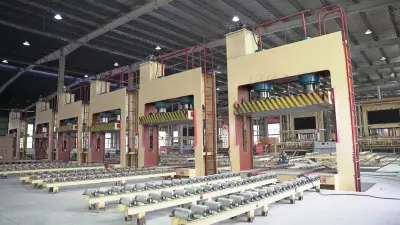
في تصنيع الخشب الرقائقي الحديث، يعد تحقيق قوة ربط متسقة واستقرار السطح أمرًا بالغ الأهمية. أ آلة الخشب الرقائقي بالضغط البارد يلعب دورًا أساسيًا في تثبيت طبقات القشرة قبل أو بعد الضغط الساخن، مما يضمن الحفاظ على السلامة الهيكلية للألواح أثناء الإنتاج.
على عكس أنظمة الضغط الحراري، يعتمد الضغط البارد على ضغط متحكم فيه بدون حرارة، مما يسمح للمواد اللاصقة بالاستقرار تدريجيًا. تظهر تقارير الصناعة أن دمج أنظمة الضغط البارد في خطوط إنتاج الخشب الرقائقي يمكن أن يقلل من عيوب التصفيح بنسبة تصل إلى 2540%, ، تحسين جودة المنتج النهائي بشكل ملحوظ.
بالنسبة للمصنعين الذين يستهدفون الخشب الرقائقي وألواح الأثاث والمواد المعمارية المخصصة للتصدير، لم يعد الضغط البارد اختياريًا، بل أصبح معيارًا لضمان الجودة.
ما هي آلة الخشب الرقائقي بالضغط البارد في الإنتاج الصناعي؟
تعريف الهندسة الأساسية
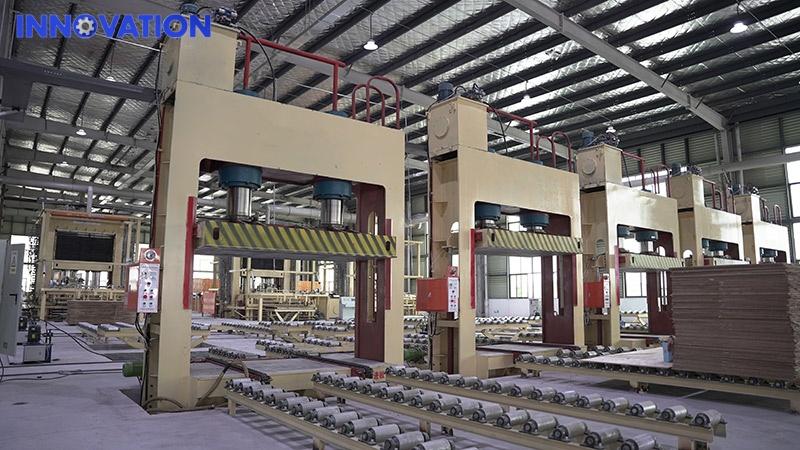
آلة الخشب الرقائقي بالضغط البارد عبارة عن نظام هيدروليكي يطبق ضغطًا ميكانيكيًا موحدًا على قشور الخشب المرتبطة دون استخدام الحرارة.
وتتمثل وظيفتها الأساسية في تثبيت الطبقات اللاصقة قبل أو بعد الضغط الساخن.
مفهوم الدور الصناعي
في خطوط إنتاج الخشب الرقائقي، يتم استخدام الضغط البارد على النحو التالي:
- نظام ما قبل الضغط (قبل الضغط الساخن)
- نظام تثبيت ما بعد الضغط
- إصلاح أو إعادة ضغط النظام لتصحيح الجودة
مبدأ استقرار الضغط
تقوم الآلة بضغط القشرة المكدسة لضمان:
- توزيع الغراء بالتساوي
- القضاء على فقاعة الهواء
- تشكيل قوة الترابط الأولية
كيف آلة الخشب الرقائقي بالضغط البارد يحسن جودة الخشب الرقائقي
تحسين توزيع اللاصق
يضمن الضغط البارد انتشار الغراء بالتساوي عبر طبقات القشرة.
وهذا يمنع مناطق الترابط الضعيفة داخل هيكل اللوحة.
الحد من الإجهاد الداخلي
الضغط المتحكم فيه يقلل من التوتر الداخلي في ألياف الخشب.
وهذا يحسن استقرار الأبعاد بعد المعالجة النهائية.
التحكم في التسطيح السطحي
يضمن الضغط الموحد هندسة اللوحة المسطحة.
وهذا أمر ضروري لإنتاج الخشب الرقائقي من فئة الأثاث.
سير العمل الصناعي لآلة الخشب الرقائقي بالضغط البارد
الخطوة 1: تجميع طبقة القشرة
يتم تكديس القشرة الخشبية في اتجاه الحبوب المتقاطعة.
وهذا يحسن القوة الميكانيكية ويقلل من خطر التزييف.
الخطوة 2: مرحلة تطبيق الغراء
يتم تطبيق المادة اللاصقة بالتساوي في 120.180 جم/م² اعتمادا على نوع المادة.
يعد الانتشار الموحد أمرًا بالغ الأهمية لجودة الترابط.
الخطوة 3: عملية الضغط البارد
تطبق الآلة ضغطًا يتراوح من 0.8 ميجا باسكال إلى 2.0 ميجا باسكال.
يستمر وقت الضغط عادة 10-30 دقيقة اعتمادا على سمك.
الخطوة 4: مرحلة الاستقرار
تُترك الألواح لتستقر قبل الضغط الساخن أو المعالجة النهائية.
وهذا يحسن موثوقية الترابط.
آلة الخشب الرقائقي بالضغط البارد مقابل نظام الضغط الساخن
جدول مقارنة الأداء
| ميزة | نظام الضغط البارد | نظام الضغط الساخن |
|---|---|---|
| درجة حرارة | لا أحد | 120 درجة مئوية160° مئوية |
| سرعة الترابط | استقرار بطيء | علاج سريع |
| نوع لاصق | الغراء المعالج على البارد | الراتنج المنشط بالحرارة |
| استهلاك الطاقة | قليل | عالي |
| جودة السطح | استقرار عالي | سرعة إنتاج عالية |
| الاستخدام الصناعي | المعالجة المسبقة | الإنتاج الضخم |
الاختلافات المفاهيمية
مفهوم الصحافة الباردة
يركز الضغط البارد على الاستقرار والمحاذاة الهيكلية.
يتم استخدامه لتحضير أو تنقية الخشب الرقائقي قبل المعالجة النهائية.
مفهوم الصحافة الساخنة
الضغط الساخن يركز على السرعة وكفاءة الإنتاج الضخم.
يكمل الترابط النهائي في الدورات الصناعية.
المكونات الرئيسية ل آلة الخشب الرقائقي بالضغط البارد
نظام الضغط الهيدروليكي
يوفر قوة ضغط موحدة عبر سطح اللوحة بالكامل.
وهذا يضمن ترابطًا مستقرًا دون تشوه.
هيكل الإطار الفولاذي
تمنع الإطارات شديدة التحمل التشوه تحت أحمال الضغط طويلة المدى.
غالبا ما تتجاوز الأنظمة الصناعية سعة 50.300 طن.
نظام لوحة التحكم
تستخدم الآلات الحديثة الأنظمة الرقمية أو PLC.
يمكن للمشغلين ضبط معلمات الضغط والتوقيت بدقة.
لوحات توزيع الضغط
يضمن تطبيق القوة حتى عبر صفائح الخشب الرقائقي الكبيرة.
وهذا يحسن اتساق السطح.
نظرة عامة على المواصفات الفنية لآلة الخشب الرقائقي بالضغط البارد
| المعلمة | النطاق الصناعي | وظيفة |
|---|---|---|
| قدرة الضغط | 50300 طن | ضغط اللوحة |
| منطقة العمل | 4×8 قدم/5×10 قدم | حجم الخشب الرقائقي القياسي |
| اضغط الوقت | 10-30 دقيقة | استقرار لاصق |
| نطاق الضغط | 0.8 2.0 ميجا باسكال | قوة الترابط |
| نظام التحكم | دليل / PLC | التحكم في العمليات |
| نوع الإطار | الفولاذ الملحوم | الاستقرار الهيكلي |
التطبيقات الصناعية لآلة الخشب الرقائقي بالضغط البارد
صناعة الأثاث
تستخدم لألواح الخزانات وخزائن الملابس وأنظمة الأثاث المعيارية.
يضمن الاستقرار قبل المعالجة النهائية.
مصانع إنتاج الخشب الرقائقي
يعمل كنظام ما قبل الطباعة في خطوط الإنتاج واسعة النطاق.
يقلل العيوب قبل مرحلة الضغط الساخن.
تصنيع الألواح الزخرفية
تستخدم لإعداد تشطيب السطح عالي الجودة.
يحسن دقة محاذاة القشرة.
تطبيقات الإصلاح وإعادة الضغط
يستخدم لإصلاح ألواح الخشب الرقائقي المصفحة أو المعيبة.
يستعيد السلامة الهيكلية.
آلة الخشب الرقائقي بالضغط البارد مفاهيم مراقبة الجودة
سلامة خط الغراء
يضمن انتشار المادة اللاصقة بالتساوي بين الطبقات.
وهذا يمنع الفراغات الداخلية.
التحكم في توحيد الضغط
توزيع الضغط المتساوي يتجنب تشوه اللوحة.
وهذا يحسن دقة الأبعاد.
توازن ثبات الرطوبة
يتحكم في حركة الرطوبة أثناء الضغط.
وهذا يمنع التزييف بعد الإنتاج.
دليل الاختيار لآلة الخشب الرقائقي بالضغط البارد
على أساس مقياس المصنع
تستخدم الورش الصغيرة الأنظمة الهيدروليكية اليدوية.
تتطلب المصانع الكبيرة آلات آلية يتم التحكم فيها بواسطة PLC.
على أساس حجم الإنتاج
تحتاج المصانع عالية الإنتاج إلى أنظمة متعددة الفتحات.
يمكن للإنتاج منخفض الحجم استخدام نماذج ذات فتحة واحدة.
على أساس حجم اللوحة
تتضمن التكوينات القياسية ما يلي:
- 1220 × 2440 ملم
- 1300 × 2500 ملم
- الأشكال الصناعية المخصصة
على أساس تخطيط الميزانية
توفر الأنظمة اليدوية تكلفة استثمارية أقل.
توفر الأنظمة الآلية عائد استثمار أعلى على المدى الطويل.
دليل الصيانة لآلة الخشب الرقائقي بالضغط البارد
صيانة النظام الهيدروليكي
تحقق من مستويات الزيت واستقرار الضغط بانتظام.
استبدال الزيت الهيدروليكي كل 2000 ساعة تشغيل.
فحص الإطار
ضمان السلامة الهيكلية تحت الحمل المستمر.
التحقق من التشوه أو الشقوق.
معايرة نظام التحكم
الحفاظ على دقة إعدادات الضغط والتوقيت.
منع الانجراف التشغيلي.
اتجاهات الصناعة وتطور السوق
تشير التقارير الأخيرة لآلات النجارة إلى ما يلي:
- زيادة الطلب على خطوط إنتاج الضغط الهجين البارد + الساخن
- النمو في صناعة تصنيع الخشب الرقائقي في منطقة آسيا والمحيط الهادئ
- ارتفاع اعتماد الأنظمة الهيدروليكية التي يتم التحكم فيها بواسطة PLC
- التركيز على أنظمة الإنتاج الموفرة للطاقة
- معدل نمو السوق السنوي 4.5 · 6.2% عالميًا
يتم دمج الضغط البارد بشكل متزايد في أنظمة التصنيع الذكية لتحسين مراقبة الجودة.
خاتمة
أ آلة الخشب الرقائقي بالضغط البارد يعد عنصرًا حاسمًا في أنظمة إنتاج الخشب الرقائقي الحديثة، مما يضمن الاستقرار الهيكلي وتوحيد المادة اللاصقة ودقة الأبعاد. على الرغم من أنه لا يحل محل الضغط الساخن، إلا أنه يعزز بشكل كبير جودة المنتج الإجمالية ويقلل من معدلات العيوب.
مع استمرار تطور تصنيع الخشب الرقائقي نحو الأتمتة والهندسة الدقيقة، ستظل تكنولوجيا الضغط البارد أساسًا رئيسيًا لتحقيق إنتاج صناعي عالي الجودة.
التعليمات
ما هو آلة الخشب الرقائقي بالضغط البارد تستخدم ل؟
يتم استخدامه للضغط على قشرة الخشب الرقائقي لتثبيت الترابط قبل أو بعد الضغط الساخن.
هل الضغط البارد أفضل من الضغط الساخن؟
تعمل المكبس البارد على تحسين الاستقرار، بينما تعمل المكبس الساخن على تحسين سرعة الإنتاج. كلاهما يستخدم معًا في المصانع الحديثة.
كم من الوقت يستغرق الضغط البارد؟
عادة ما بين 10 إلى 30 دقيقة حسب سمك المادة ونوع المادة اللاصقة.
ما هي الصناعات التي تستخدم آلات الخشب الرقائقي بالضغط البارد؟
تستخدمها صناعات الأثاث وإنتاج الخشب الرقائقي وصناعات الألواح الزخرفية على نطاق واسع.
هل الضغط البارد يزيد من قوة الخشب الرقائقي؟
نعم، فهو يحسن استقرار الترابط ويقلل من العيوب الداخلية.
ما هو نطاق الضغط لآلات الضغط البارد؟
تعمل معظم الآلات الصناعية بين 0.8 ميجا باسكال و 2.0 ميجا باسكال.
 Arabic
  English
  Vietnamese