
أخبار
لماذا تحتاج كل ورشة عمل إلى آلة توزيع المعجون المصنوعة من الخشب الرقائقي
مرحباً بكم في مدونتي!
يسعدني جدًا وجودك هنا. قبل أن نتعمق في المحتوى، يسعدني التواصل معك عبر هذه الصفحة. أشارك بانتظام رؤىً حول الصناعة، وتحديثاتٍ حول المنتجات، ولحظاتٍ من وراء الكواليس على حساباتي على مواقع التواصل الاجتماعي، كما أنها منصةٌ رائعةٌ للتواصل!
تابعونا على الفيسبوك: شركة شاندونغ تشوانغشين لمعدات الأتمتة المحدودة
لننمو معًا ونبقى على تواصل. والآن، لننتقل إلى المدونة - آمل أن تجدوا محتواها غنيًا بالمعلومات، وجذابًا، وقيّمًا حقًا.
جدول المحتويات
مقدمة
في صناعة الخشب الرقائقي الحديثة، لم تعد المنافسة محددة فقط من خلال جودة المواد الخام أو تكنولوجيا الضغط. والفرق الحقيقي هو اتساق تشطيب السطح. سواء كان المصنع ينتج خشبًا رقائقيًا من فئة الأثاث، أو ألواح بناء، أو ألواح زخرفية، فحتى العيوب السطحية الطفيفة يمكن أن تؤدي إلى الرفض أو تخفيض الأسعار أو إعادة العمل.
وتظهر تقارير الصناعة الصادرة عن الدراسات الاستقصائية لمعدات النجارة في آسيا وأوروبا ذلك باستمرار يمثل التشطيب السطحي ما يصل إلى 18% و25% من إجمالي تكلفة العمالة في خطوط إنتاج الخشب الرقائقي. والأهم من ذلك، أن تطبيق المعجون غير المتسق هو أحد الأسباب الثلاثة الأولى لرفض السطح في عمليات التصفيح النهائية.
هذا هو المكان آلة نشر معجون الخشب الرقائقي يصبح أصل إنتاج استراتيجي وليس مجرد معدات مساعدة. وهو مصمم لتوحيد عملية ملء الأسطح، وتقليل الاعتماد على العمل اليدوي، وضمان جودة إنتاج مستقرة عبر بيئات الإنتاج واسعة النطاق.
الدور الصناعي لتعبئة الأسطح في صناعة الخشب الرقائقي
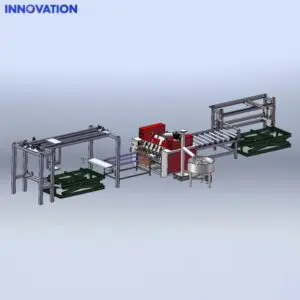
تعويض العيوب السطحية في اللوحات الحديثة
تحتوي صفائح الخشب الرقائقي بشكل طبيعي على فراغات دقيقة، وفجوات راتنجية، وعدم انتظام القشرة. وبدون التعبئة المناسبة، تصبح هذه العيوب مرئية بعد الصنفرة أو الطلاء.
مرحلة نشر المعجون هي المسؤولة عن:
- ملء الشقوق والمسام الدقيقة السطحية
- تسوية التناقضات القشرة
- تحضير الركيزة للالتصاق الطلاء
- تحسين التوحيد الجمالي النهائي
أ آلة نشر معجون الخشب الرقائقي يضمن التحكم في هذه العمليات وتكرارها بدلاً من الاعتماد على المشغل.
معايير الجودة أتمتة القيادة
يتم تقييم جودة الخشب الرقائقي العالمية بشكل شائع وفقًا لمعايير مثل:
- EN 13986 (معيار الألواح الخشبية الأوروبية)
- ISO 12460 (تصنيف انبعاثات الفورمالديهايد)
- CARB المرحلة الثانية (امتثال مجلس موارد الهواء في كاليفورنيا)
- نظام تصنيف الخشب الرقائقي الهيكلي JAS (المعايير الزراعية اليابانية)
في حين أن هذه المعايير تحدد في المقام الأول الانبعاثات والأداء الهيكلي، فإن تصنيف جودة السطح في أسواق تصنيع المعدات الأصلية والأثاث يعتمد بشكل متزايد على توحيد الطلاء، والذي يرتبط بشكل مباشر باتساق تطبيق المعجون.
الهيكل الهندسي خلف آلة توزيع المعجون من الخشب الرقائقي
تصميم نظام الأسطوانة عالي الدقة
جوهر الآلة هو تجميع الأسطوانة. تستخدم النماذج الصناعية عادة:
- بكرات فولاذية مطلية بالكروم
- نطاق القطر: 150، 250 ملم
- تحمل الصلابة: HRC 55 or60
تضمن هذه البكرات توزيعًا متساويًا للمعجون تحت ضغط متحكم فيه، مما يمنع الإفراط في التطبيق والمجاعة السطحية.
نظام ذكي للتحكم في السماكة
تدمج الأنظمة الحديثة منطق التحكم القائم على PLC والذي ينظم:
- سرعة التغذية (10.30 م/دقيقة)
- انتشار الضغط
- سمك طبقة المعجون (نطاق 0.1 بوصة 2.0 مم)
يتيح ذلك للمصنعين ضبط الإخراج وفقًا لدرجة اللوحة ومتطلبات التشطيب النهائية.
استقرار الإطار الهيكلي
يتم تصنيع الآلات الصناعية باستخدام إطارات فولاذية ملحومة معززة مصممة لتقليل الاهتزاز. يعد هذا أمرًا بالغ الأهمية لأنه حتى التذبذبات الصغيرة يمكن أن تسبب سمك طلاء غير متساوٍ عبر الألواح العريضة مثل صفائح 4 أقدام و8 أقدام.
تحسين تدفق العملية في النشر الآلي للمعجون
نظام التغذية المستمرة
يتم نقل الألواح عبر سيور ناقلة متزامنة. تضمن أنظمة المحاذاة البصرية أو الميكانيكية دخول اللوحة إلى الماكينة دون انحراف.
الكشف عن السطح والمعايرة
تتضمن النماذج المتقدمة أجهزة استشعار التسوية التي تكتشف:
- اختلاف سمك اللوحة
- انحراف محاذاة الحافة
- ميل السطح أو انحناءه
وهذا يضمن ضغط طلاء ثابت عبر الأسطح غير المنتظمة.
القدرة على المعالجة على السطح المزدوج
تدعم التكوينات عالية السعة الطلاء العلوي والسفلي المتزامن. وهذا يقلل من دورات الإنتاج بما يقرب من 40% في العمليات واسعة النطاق.
التسوية والإزالة الزائدة
بعد التطبيق، تقوم وحدات الكاشطة بإزالة المواد الزائدة، مما يضمن:
- سمك طلاء موحد
- تقليل عبء عمل الصنفرة
- انخفاض نسبة نفايات المواد (عادةً ما يتم تقليلها بمقدار 12%/18%)
مقارنة الأداء: الأنظمة اليدوية مقابل الأنظمة الآلية
| مؤشر الأداء | تطبيق يدوي | آلة آلية |
|---|---|---|
| متطلبات العمل | عالية (3.5 عامل لكل خط) | منخفض (مشغل واحد) |
| اتساق الإخراج | يعتمد المشغل | توحيد الدرجة الصناعية |
| سرعة الإنتاج | ما يعادل 5 · 10 م/دقيقة | 10.30 م/دقيقة متواصلة |
| النفايات المادية | تقلب عالي | السيطرة عليها وتقليلها |
| معدل الخلل | 6% natch12% نموذجي | <3% في الخطوط المحسنة |
| قابلية التوسع | محدود | التحجيم الصناعي بكميات كبيرة |
توضح هذه المقارنة سبب تحول العديد من الشركات المصنعة للخشب الرقائقي المتوسط والكبير نحو الأتمتة.
معيار المواصفات الفنية (المرجع الصناعي)
التكوين النموذجي من الدرجة الصناعية:
- عرض العمل: 1220 ملم/2440 ملم
- سمك اللوحة: 3.30 ملم
- نطاق الطاقة: 7.55 كيلو واط
- ضغط الهواء: 0.6.0.8 ميجا باسكال
- وزن الماكينة: 2500.4500 كجم
- عمر الإطار: 8-12 سنة تحت الصيانة القياسية
تتوافق هذه المعايير مع معايير إنتاج الأعمال الخشبية المتوسطة إلى المتطورة في آسيا وأوروبا.
دراسة حالة الصناعة: ترقية الإنتاج في جنوب شرق آسيا
تمت ترقية مصنع للخشب الرقائقي متوسط الحجم في فيتنام من تطبيق المعجون اليدوي إلى نظام نشر آلي في عام 2024.
قبل الترقية:
- 6 عمال في كل نوبة عمل
- تباين كبير في جودة تشطيب السطح
- معدل إعادة العمل حوالي 9.2%
- إنتاج محدود: ~ 800 لوحة/يوم
بعد تركيب آلة توزيع معجون الخشب الرقائقي:
- تم تخفيض العمالة إلى مشغلين اثنين
- انخفض معدل إعادة العمل إلى 2.8%
- زاد الإنتاج إلى ~ 1300 لوحة/يوم
- تم تقليل نفايات المواد بحوالي 15%
بلغت فترة الاسترداد التي أبلغ عنها المصنع حوالي 14 شهرًا، ويرجع ذلك أساسًا إلى توفير العمالة وانخفاض معدلات الرفض.
أبحاث الصناعة واتجاهات السوق
وفقًا لتقارير صناعة آلات النجارة المنشورة بين عامي 2023 و2025:
- يستمر إنتاج الخشب الرقائقي العالمي في النمو عند ~4.1% CAGR
- يتزايد اعتماد الأتمتة في عمليات التشطيب بشكل أسرع منه في مراحل الضغط أو القطع
- نما الطلب على آلات المعالجة السطحية بحوالي 18% سنويًا في مناطق آسيا والمحيط الهادئ
ويسلط التقرير الضوء على أتمتة تشطيب الأسطح، بما في ذلك أنظمة مثل آلة نشر معجون الخشب الرقائقي, لقد أصبح مجالاً استثماريًا ذا أولوية بالنسبة للمصنعين الذين يستهدفون الامتثال لدرجات التصدير.
الانهيار المفاهيمي: لماذا يعتبر الاتساق أكثر أهمية من السرعة
توحيد السطح كمحرك للقيمة
يؤثر تشطيب السطح المتسق بشكل مباشر على:
- جودة التصاق الطلاء
- قوة الترابط التصفيح
- معدلات رفض العملاء
- مستويات تسعير المنتج النهائي
حتى التناقضات الطفيفة يمكن أن تقلل من تصنيف الألواح من درجة الأثاث إلى درجة البناء.
الأتمتة مقابل الاعتماد على مهارات المشغل
تعتمد العمليات اليدوية بشكل كبير على خبرة المشغل. تعمل الأنظمة الآلية على إزالة التباين عن طريق التنفيذ:
- معلمات الضغط الثابتة
- إعدادات السرعة الموحدة
- التحكم في تدفق المواد
وهذا يقلل من مخاطر الإنتاج بشكل كبير.
استراتيجية الصيانة لتحقيق الاستقرار على المدى الطويل
ممارسات الصيانة اليومية
- تنظيف الأسطح الأسطوانية بعد كل نوبة عمل
- التحقق من محاذاة مكشطة
- فحص قنوات تدفق المعجون
مهام الصيانة الأسبوعية
- تشحيم مكونات النقل
- فحص معايرة نظام PLC
- تعديل شد الحزام الناقل
توصيات الإصلاح السنوية
- إعادة تسطيح الأسطوانة إذا تجاوز التآكل التسامح
- فحص النظام الكهربائي
- تحمل دورات الاستبدال
يمكن للصيانة المناسبة أن تطيل عمر الماكينة إلى ما بعد 10 سنوات في البيئات الصناعية.
التحديات والحلول التشغيلية المشتركة
توزيع المعجون غير المتساوي
عادة ما يكون سببها تآكل الأسطوانة أو معايرة الضغط غير المناسبة. الحل: إعادة معايرة نظام الضغط وفحص سلامة سطح الأسطوانة.
انسداد المواد
يحدث عندما تكون لزوجة المعجون عالية جدًا. الحل: اضبط التركيبة أو نظام التسخين إذا كان متاحًا.
اختلال الناقل
يمكن أن يؤدي إلى عيوب الحافة. الحل: إعادة تنظيم قضبان توجيه التغذية وإعادة معايرة أجهزة الاستشعار.
تحليل عائد الاستثمار للاستثمار في التصنيع
نموذج عائد مبسط لخط إنتاج متوسط:
- الاستثمار في المعدات: نطاق التكلفة الصناعية الأساسية
- توفير العمالة: تخفيض 40% إلى 60%
- توفير المواد: تخفيض 10% particle18%
- تقليل العيوب: تحسين يصل إلى 70%
متوسط دورة عائد الاستثمار: 12 شهرًا و24 شهرًا حسب حجم الإنتاج.
خاتمة
إن التحول نحو الأتمتة في الأعمال الخشبية لم يعد اختياريًا بعد الآن، بل أصبح تحولًا هيكليًا في الصناعة. ال آلة نشر معجون الخشب الرقائقي يلعب دورًا حاسمًا في سد متطلبات كفاءة الإنتاج وجودة السطح.
تكتسب المصانع التي تتبنى هذه التكنولوجيا مزايا قابلة للقياس في التحكم في التكلفة، واتساق المنتج، وقابلية التوسع. مع استمرار ارتفاع الطلب العالمي على الخشب الرقائقي عالي الجودة، ستظل أتمتة تشطيب الأسطح أحد أهم العوامل التنافسية في الصناعة.
وفي هذا السياق، فإن الاستثمار في أنظمة التشطيب المتقدمة ليس مجرد ترقية للمعدات، بل هو استراتيجية تصنيع طويلة المدى.
التعليمات
هل هذه الآلة مناسبة لورش العمل الصغيرة؟
نعم، تتوفر نماذج مدمجة، ولكن عائد الاستثمار أعلى في بيئات الإنتاج المتوسطة والكبيرة الحجم.
هل يمكنها التعامل مع أنواع مختلفة من مواد المعجون؟
تدعم معظم الآلات الصناعية معجون الخشب القياسي، والحشوات القائمة على الراتنج، ومركبات البوليمر المعدلة.
ما هو العمر النموذجي للآلة؟
مع الصيانة المناسبة، 8 سنوات و12 سنة أمر شائع في بيئات الإنتاج المستمر.
هل يتطلب الأمر مشغلين ذوي مهارات عالية؟
رقم التدريب الأساسي على PLC يكفي للتشغيل اليومي.
كيف يتم تحسين جودة الخشب الرقائقي النهائي؟
فهو يضمن تسوية موحدة للسطح، ويقلل من عيوب الصنفرة، ويحسن اتساق التصاق الطلاء.
 Arabic
  English
  Vietnamese