
أخبار
أفضل دليل لآلة الضغط على الخشب البارد للتصنيع الصناعي
مرحباً بكم في مدونتي!
يسعدني جدًا وجودك هنا. قبل أن نتعمق في المحتوى، يسعدني التواصل معك عبر هذه الصفحة. أشارك بانتظام رؤىً حول الصناعة، وتحديثاتٍ حول المنتجات، ولحظاتٍ من وراء الكواليس على حساباتي على مواقع التواصل الاجتماعي، كما أنها منصةٌ رائعةٌ للتواصل!
تابعونا على الفيسبوك: شركة شاندونغ تشوانغشين لمعدات الأتمتة المحدودة
لننمو معًا ونبقى على تواصل. والآن، لننتقل إلى المدونة - آمل أن تجدوا محتواها غنيًا بالمعلومات، وجذابًا، وقيّمًا حقًا.
جدول المحتويات
مقدمة
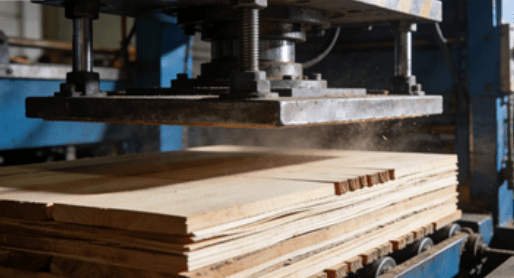
في صناعة الأخشاب الهندسية اليوم، لم تعد المنافسة مدفوعة فقط بتكلفة المواد الخام أو قدرة الضغط الساخن. تأتي فجوة الأداء الحقيقية بين المصانع بشكل متزايد من استقرار الضغط المسبق والتحكم في اتساق الترابط. هذا هو بالضبط المكان آلة ضغط الخشب البارد يصبح أصل إنتاج حاسم وليس أداة داعمة.
بيانات تصنيع الألواح الخشبية العالمية من المنظمات الصناعية مثل الاتحاد الأوروبي للألواح (EPF) وتظهر تقارير منظمة الأغذية والزراعة عن الغابات باستمرار أن الأمر انتهى 65% part75% من عيوب جودة الخشب الرقائقي (التصفيح، وتكوين الفقاعات، والسمك غير المتساوي، والتشقق الناتج عن الإجهاد الداخلي) ترتبط بعدم كفاية تثبيت ما قبل الضغط بدلاً من أخطاء الضغط الساخن النهائية.
ولذلك تتعامل مصانع الخشب الرقائقي الحديثة مع الضغط البارد باعتباره بوابة جودة العملية, ، وليس مجرد خطوة مساعدة. تعمل آلة الضغط على البارد الخشبية المصممة جيدًا على تحسين ما يلي
- كفاءة اختراق الغراء
- دقة محاذاة القشرة
- معدل العائد الصحافة الساخنة
- الاستقرار الميكانيكي للوحة النهائية
في بيئات الإنتاج ذات الحجم الكبير، يمكن لهذه المرحلة وحدها زيادة إجمالي إنتاج المصنع بنسبة 8% prehinc20% حسب مستوى تحسين العملية.
الوجبات الرئيسية لهذه المادة
- شرح هندسي عميق لأنظمة آلات الضغط البارد الخشبية
- الدور الصناعي في الخشب الرقائقي وخطوط إنتاج الأخشاب الهندسية
- الهيكل الفني الكامل وتحليل النظام الهيدروليكي
- المعايير العالمية والشهادات ومتطلبات الامتثال
- معايير كفاءة الإنتاج ونموذج تقييم عائد الاستثمار
- دراسات حالة المصنع الحقيقي وأمثلة تحول الصناعة
- إطار قرار المشتري التفصيلي للاستثمار الصناعي
ما هي آلة ضغط الخشب البارد؟
التعريف الصناعي ووضع الإنتاج
أ آلة ضغط الخشب البارد هو نظام ضغط هيدروليكي يستخدم في تصنيع الخشب الرقائقي والألواح الخشبية لتطبيق ضغط متحكم فيه على أكوام القشرة الملصقة عند درجة الحرارة المحيطة. يعمل على تثبيت هيكل الطبقات قبل المعالجة الحرارية في أنظمة الضغط الساخن.
على عكس الضغط الساخن، فهو لا يعالج المواد اللاصقة كيميائيًا ولكنه يضمن:
- المحاذاة الهيكلية
- القضاء على الفجوة الجوية
- توحيد توزيع الغراء
- تشكيل قوة ما قبل الرابطة
انهيار الوظيفة الهندسية
استقرار الضغط الهيكلي
يطبق النظام قوة موحدة عبر ألواح الضغط الكبيرة لإزالة الفراغات الداخلية وعدم المحاذاة بين طبقات القشرة.
تحسين تدفق اللاصق
يجبر الضغط الغراء على اختراق ألياف الخشب بشكل متساوٍ، مما يحسن كفاءة الترابط النهائية في مرحلة الضغط الساخن.
آلية التحكم في الأبعاد
يقلل الضغط البارد من تأثير الزنبرك الخلفي ويضمن تحملًا ثابتًا للسمك عبر دفعات الإنتاج.
مبدأ عمل آلة الضغط البارد على الخشب (تدفق العمليات الصناعية العميقة)
سلسلة منطق التصنيع الكاملة
تعمل آلة الضغط على الخشب البارد كآلة نظام تثبيت الضغط الساخن مسبقًا في خطوط إنتاج الخشب الرقائقي.
تدفق العملية القياسية
- تجفيف القشرة وتكييفها (الرطوبة: 8%/12%)
- تطبيق لاصق (أنظمة راتنجات UF أو PF أو MDI)
- تكديس الطبقة ومحاذاة
- الضغط البارد تحت الضغط الهيدروليكي
- مرحلة الاحتفاظ بالضغط لتثبيت المادة اللاصقة
- التفريغ والنقل إلى نظام الضغط الساخن
- مرحلة المعالجة الحرارية النهائية
الميكانيكا الهندسية للضغط البارد
نظام توزيع القوة الهيدروليكية
تعمل الآلات الصناعية عادة داخل ضغط عمل 1 بوصة 5 ميجا باسكال للضغط المسبق للخشب الرقائقي, ، في حين يمكن تصنيف الأنظمة الهيدروليكية الهيكلية بما يصل إلى سعة 20 بوصة 25 ميجا باسكال.
آلية معادلة الإجهاد
يعمل توزيع الضغط الموحد على التخلص من مناطق الضغط الموضعية التي تسبب التصفيح أو التشقق الداخلي في الألواح النهائية.
نظام الهندسة الإنشائية لآلة الضغط البارد على الخشب
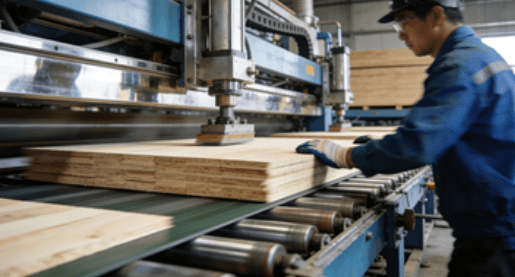
بنية النظام الرئيسي
| مكون | وظيفة | الأهمية الصناعية |
|---|---|---|
| هيكل الإطار الفولاذي | هيكل الحاملة | حرجة |
| نظام الاسطوانة الهيدروليكية | توليد الضغط | حرجة |
| ألواح الضغط | نقل القوة | حرجة |
| نظام التحكم PLC | منطق الأتمتة | عالي |
| محطة الطاقة الهيدروليكية | إمدادات الطاقة | عالي |
| نظام قفل الأمان | الحماية التشغيلية | عالي |
معايير هندسة الإطار
تصميم الهيكل الفولاذي الصناعي
تستخدم معظم الآلات الصناعية إطارات فولاذية Q235B أو Q345B, ، بسمك يتراوح من 30 ملم إلى 50 ملم حسب فئة الحمولة.
التحكم في التشوه الهيكلي
تحافظ الأنظمة المتطورة على تشوه الإطار أدناه 0.3 0.8 ملم في ظل ظروف التحميل الكامل, ، ضمان توزيع موحد للضغط.
آلة ضغط الخشب على البارد المواصفات الفنية (النموذج المعياري الصناعي)
نظام الضغط البارد الصناعي من النوع السفلي 400 طن
| المعلمة | مواصفة |
|---|---|
| الضغط الكلي | 400 طن |
| سمك الإطار الفولاذي | 30 ملم |
| افتتاح النهار | 1800 ملم |
| ضغط النظام الهيدروليكي | 26 ميجا باسكال |
| حجم الاسطوانة | 320 × 900 ملم |
| قوة المحرك | 7.5 كيلو واط/5.5 كيلو واط |
| نظام التحكم | Plc أوتوماتيكي بالكامل |
| المكونات الكهربائية | شنايدر |
| نظام الصمام الهيدروليكي | تايوان جيو قانغ |
التفسير الهندسي
أهمية قدرة الضغط
تم تحسين أنظمة 400T لإنتاج الخشب الرقائقي على نطاق متوسط، وموازنة الإنتاجية واستقرار الترابط.
أهمية الدقة الهيدروليكية
تؤثر دقة نظام الصمام بشكل مباشر على توحيد الضغط، مما يؤثر على معدلات الخلل في اللوحات النهائية.
نظام سير العمل المتقدم لآلة الضغط على الخشب البارد
تسلسل الإنتاج الصناعي
الخطوة 1: نظام تطبيق الغراء
تضمن موزعات الغراء الآلية تجانس التغطية اللاصقة عبر أسطح القشرة.
الخطوة 2: التحكم في تجميع القشرة
تعمل أنظمة محاذاة الطبقات على تقليل الأخطاء البشرية وتحسين الدقة الهندسية.
الخطوة 3: عملية الضغط الهيدروليكي
يتم تطبيق الضغط تدريجياً لتجنب صدمة الإجهاد المفاجئة في ألياف الخشب.
الخطوة 4: تثبيت مرحلة التثبيت
يتراوح وقت الانتظار النموذجي من من 3 إلى 10 دقائق للخشب الرقائقي القياسي, و ما يصل إلى 15.30 دقيقة للألواح المصفحة السميكة.
الخطوة 5: تحرير الضغط ونقله
يتم تحرير الألواح بعناية ونقلها إلى أنظمة الضغط الساخن للمعالجة النهائية.
أنواع أنظمة آلات الضغط البارد الخشبية
نظام الضغط البارد اليدوي
الدور الصناعي
تستخدم في ورش العمل الصغيرة وبيئات الإنتاج ذات الحجم المنخفض.
خصائص
- استثمار منخفض التكلفة
- التحكم في الضغط المحدود
- ارتفاع الاعتماد على العمالة
آلة الضغط البارد الهيدروليكية
الدور الصناعي
النظام القياسي لمصانع الخشب الرقائقي المتوسطة والكبيرة.
خصائص
- إخراج الضغط المستقر
- دورات الضغط القابلة للتعديل
- مناسبة للإنتاج المستمر
نظام التحكم PLC التلقائي بالكامل
الدور الصناعي
نظام إنتاج متقدم للمصانع الصناعية واسعة النطاق.
خصائص
- مراقبة الضغط في الوقت الحقيقي
- التحميل/التفريغ الآلي
- مخرجات عالية الاتساق
- انخفاض تكلفة العمالة
جدول مقارنة النظام
| ميزة | نظام يدوي | النظام الهيدروليكي | النظام التلقائي |
|---|---|---|---|
| كفاءة | قليل | واسطة | عالي |
| استقرار الضغط | قليل | عالي | مرتفع جداً |
| الأتمتة | لا أحد | جزئي | ممتلئ |
| تكلفة الصيانة | قليل | واسطة | عالي |
| اتساق الإخراج | قليل | عالي | مرتفع جداً |
آلة الضغط البارد على الخشب مقابل آلة الضغط الساخن (مقارنة الهندسة الصناعية)
مصفوفة وظيفية
| ميزة | آلة الضغط البارد | آلة الضغط الساخن |
|---|---|---|
| تطبيق الحرارة | لا | نعم |
| دور الوظيفة | الاستقرار المسبق | المعالجة النهائية |
| نطاق الضغط | 1-5 ميجا باسكال | 10.25 ميجا باسكال |
| مرحلة الإنتاج | عملية مسبقة | العملية النهائية |
| تفاعل لاصق | الاستقرار الجسدي | المعالجة الكيميائية |
منطق النظام الهندسي
وظيفة الضغط البارد
يحسن ثبات القشرة، ويقلل فجوات الهواء، ويضمن توزيع الغراء قبل التفاعل الحراري.
وظيفة الضغط الساخن
ينشط معالجة الراتنج ويربط الطبقات بشكل دائم في ألواح الخشب الرقائقي النهائية.
معايير الصناعة وإطار الامتثال
المعايير الفنية العالمية
EN 314 (المعيار الأوروبي)
يحدد متطلبات قوة الترابط لتطبيقات الخشب الرقائقي الهيكلي.
ايزو 12466-2
يوفر منهجية اختبار لأداء ربط لاصق الخشب الرقائقي.
CARB المرحلة الثانية (لائحة الولايات المتحدة الأمريكية)
يتحكم في مستويات انبعاث الفورمالديهايد في المنتجات الخشبية الهندسية.
اتجاهات الامتثال البيئي
انتقال لاصق منخفض الانبعاثات
تتحول الشركات المصنعة العالمية من أنظمة راتنجات UF إلى المواد اللاصقة القائمة على MDI بسبب لوائح الانبعاثات الأكثر صرامة.
تأثير سياسة الاستدامة
تتطلب سياسات مواد البناء في الاتحاد الأوروبي بشكل متزايد أنظمة إنتاج معتمدة من الخشب الرقائقي منخفض الكربون.
اتجاهات السوق ورؤى تطوير الصناعة
تحليل نمو الطلب العالمي
ووفقا لمنظمة الأغذية والزراعة وتقارير توقعات الصناعة، من المتوقع أن ينمو الطلب العالمي على الخشب الرقائقي بمعدل 3.5% Chain5% CAGR حتى عام 2030, ، مدفوعًا بـ:
- التوسع السكني الحضري
- أنظمة البناء الجاهزة
- نمو تصنيع الأثاث
- الطلب على التصميم الداخلي المعياري
اتجاه ترقية التكنولوجيا
اتجاه التكامل الآلي
المصانع الحديثة تتبنى:
- أنظمة الضغط التي يتم التحكم فيها بواسطة PLC
- أجهزة استشعار المراقبة في الوقت الحقيقي
- أنظمة الصيانة التنبؤية
- وحدات تحسين الطاقة
دراسة حالة صناعية حقيقية (مثال على تحويل المصنع)
الحالة: الشركة المصنعة للخشب الرقائقي متوسط الحجم في جنوب شرق آسيا
تمت ترقية مصنع الخشب الرقائقي من نظام الضغط اليدوي إلى تكامل آلة الضغط البارد للخشب الهيدروليكي.
قبل الترقية
- معدل الخلل: 11.8%
- التبعية العمالية: عالية
- عدم اتساق الإخراج: متكرر
بعد الترقية
- تم تخفيض معدل الخلل إلى: 4.6%
- زيادة كفاءة الإنتاج بمقدار: 32%
- تم تخفيض تكلفة العمالة بمقدار: 38%
- تم تخفيض معدل رفض الضغط الساخن بمقدار: 27%
وهذا يدل على أن الضغط البارد يؤثر بشكل مباشر على اقتصاديات الإنتاج النهائية.
هيكل التكلفة ونموذج تحليل عائد الاستثمار
انهيار الاستثمار
| فئات التكلفة | نسبة مئوية |
|---|---|
| تكلفة المعدات | 45% |
| تثبيت | 15% |
| إعداد المصنع | 20% |
| احتياطي الصيانة | 10% |
| التدريب والتشغيل | 10% |
تقدير الجدول الزمني لعائد الاستثمار
- المصنع الصغير: 12-18 شهرًا
- المصنع المتوسط: 18-30 شهرًا
- المصنع الكبير: 24-36 شهرًا
استراتيجية استهلاك الطاقة وتحسينها
نموذج توزيع الطاقة
- النظام الهيدروليكي: 55 CHRISTMENT65%
- نظام التحكم: 10 necreat15%
- الأنظمة المساعدة: 20 stores30%
تحسينات كفاءة الطاقة
- أنظمة المضخات ذات التردد المتغير
- منطق التحكم التكيفي للضغط
- تخفيض طاقة الدورة الخاملة
- أنظمة إعادة تدوير الزيوت الهيدروليكية
إطار قرار المشتري (منطق المشتريات الصناعية)
أبعاد التقييم الرئيسية
مطابقة الطاقة الإنتاجية
تأكد من أن الحمولة تتماشى مع متطلبات إنتاج الخشب الرقائقي اليومية.
جودة النظام الهيدروليكي
تؤثر دقة الصمام بشكل مباشر على الاستقرار ومعدل الخلل على المدى الطويل.
اختيار مستوى الأتمتة
اختر بناءً على هيكل تكلفة العمالة وحجم المصنع.
أسئلة موجهة نحو بحث المشتري
“هل آلة الضغط البارد ضرورية لإنتاج الخشب الرقائقي؟”
نعم، فهو يحسن الاستقرار بشكل كبير ويقلل العيوب في مرحلة الضغط الساخن.
“ما هو مستوى الضغط المطلوب؟”
تعمل الأنظمة الصناعية عادةً عند ضغط عمل يبلغ 1.5 ميجا باسكال.
“كم من الوقت دورة واحدة؟”
عادة 3 دقائق و10 دقائق حسب نوع الغراء وسمك اللوحة.
خاتمة
أ آلة ضغط الخشب البارد هو نظام أساسي في تصنيع الخشب الرقائقي الحديث. فهو يحسن الاستقرار الهيكلي، ويقلل من عيوب الإنتاج، ويعزز أداء المادة اللاصقة قبل الضغط الساخن النهائي.
في أسواق الألواح الخشبية العالمية شديدة التنافسية، لم يعد دمج نظام الضغط البارد الأمثل أمرًا اختياريًا، بل أصبح متطلبًا أساسيًا لتحقيق جودة متسقة وتكاليف إنتاج أقل وإنتاج صناعي قابل للتطوير.
التعليمات
ما هو آلة ضغط الخشب البارد تستخدم ل؟
يتم استخدامه لتثبيت طبقات القشرة الملصقة قبل الضغط الساخن في تصنيع الخشب الرقائقي.
هل يؤدي الضغط البارد إلى تحسين قوة الخشب الرقائقي؟
نعم، بشكل غير مباشر عن طريق تحسين توزيع المادة اللاصقة ومحاذاة الطبقة.
ما هي الصناعات التي تستخدم آلات الضغط البارد؟
صناعة الأثاث، وإنتاج الخشب الرقائقي، ومواد البناء، وصناعات ألواح الأبواب.
ما الفرق بين الضغط البارد والساخن؟
يعمل الضغط البارد على تثبيت البنية، بينما يكمل الضغط الساخن الروابط الكيميائية.
هل يمكن أن يحل الضغط البارد محل الضغط الساخن؟
لا، إنه نظام معالجة مسبقة ويجب أن يعمل بالضغط الساخن.
 Arabic
  English
  Vietnamese