
أخبار
دليل آلة مؤلف القشرة من أجل ربط أفضل للقشرة الأساسية
جدول المحتويات حسب الرتبة الرياضيات
- تساعد آلة تركيب القشرة على ربط صفائح القشرة الأساسية الضيقة أو غير المنتظمة بمواد لوحة أكثر قابلية للاستخدام.
- يعتمد الاختيار الأفضل على حجم القشرة وحالة الرطوبة وطريقة الغراء وسرعة الخط ودرجة الخشب الرقائقي المستهدفة.
- يمكن أن يؤدي التركيب التلقائي إلى تقليل أعمال المطابقة اليدوية وتحسين اتساق الطبقة الأساسية قبل الضغط.
- يجب على المصانع مقارنة استقرار المفاصل ودقة التغذية واحتياجات العمالة والوصول إلى الصيانة قبل اختيار النموذج.
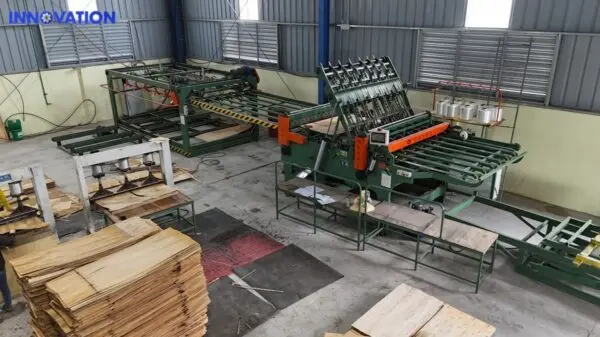
مقدمة لتطبيقات آلة مؤلف القشرة
يتم استخدام آلة تركيب القشرة في إنتاج الخشب الرقائقي لتوصيل قطع القشرة الصغيرة أو المكسورة أو الضيقة في ورقة أساسية أكثر اكتمالاً. بدلاً من معالجة كل قشرة غير منتظمة كنفايات، تساعد الآلة المصانع على تحويل الشرائط القابلة للاستخدام إلى مادة أساسية مستقرة لوضعها والضغط عليها لاحقًا.
بالنسبة للمشترين الذين يبحثون عبر الإنترنت، غالبًا ما يكون السؤال الحقيقي عمليًا: “كيف أجعل القشرة الأساسية أكثر فائدة دون إبطاء خط الخشب الرقائقي؟” يشرح هذا الدليل المفاهيم الرئيسية ونقاط المقارنة وأفكار الاختيار بطريقة بسيطة حتى يتمكن القراء من الحكم على ما إذا كانت المعدات تناسب احتياجاتهم الإنتاجية.
ما هي آلة ملحن القشرة؟
آلة مؤلف القشرة عبارة عن نظام ربط يقوم بمحاذاة قطع القشرة وربطها في ورقة أوسع أو أطول. تُستخدم الورقة المرتبطة بشكل شائع كقشرة أساسية في الخشب الرقائقي والألواح الخشبية وألواح الأثاث ومنتجات الألواح الخشبية الأخرى.
مفهوم الانضمام إلى القشرة الأساسية
إن ربط القشرة الأساسية يعني تحويل شرائح القشرة المنفصلة إلى ورقة واحدة يمكن التحكم فيها. الهدف ليس فقط توصيل الحواف، ولكن أيضًا الحفاظ على الورقة مسطحة بدرجة كافية لنشر الغراء لاحقًا، ووضع الكرة، والضغط البارد، والضغط الساخن.
عندما يكون المفصل متساويًا، يكون من الأسهل التحكم في قلب اللوحة. يمكن أن يؤدي ذلك إلى تقليل الفجوات المرئية والتداخلات غير المستقرة وفقدان التشذيب غير الضروري في خطوات الإنتاج اللاحقة.
سير عمل آلة مؤلف القشرة الأوتوماتيكية
يتضمن النظام التلقائي عادةً التغذية، ومحاذاة الحواف، وتطبيق الغراء أو الخيط، والتسخين أو الضغط، والقطع، والتكديس. يعتمد الهيكل الدقيق على نوع الماكينة وحجم القشرة التي يتعامل معها المصنع.
يكون سير العمل هذا مفيدًا عندما يريد مصنع الخشب الرقائقي حجمًا متكررًا للصفائح وقرارات يدوية أقل. كما أنه يساعد المشغلين على الحفاظ على وتيرة أكثر ثباتًا أثناء الإنتاج المستمر.

الأجزاء الرئيسية لآلة مؤلف القشرة
قسم التغذية والمحاذاة
يقوم قسم التغذية بتوجيه قطع القشرة إلى الماكينة ويبقيها تتحرك في الاتجاه الصحيح. تعتبر التغذية المستقرة مهمة لأن القشرة الرقيقة يمكن أن تتجعد أو تتحرك أو تتداخل إذا لم يتم ضبط الخط جيدًا.
تعمل المحاذاة الجيدة على تحسين الورقة الأساسية النهائية. فهو يساعد على تقليل فجوات الحواف ويجعل التعامل مع الورقة النهائية أسهل قبل العملية التالية.
قسم الربط والترابط
يقوم قسم الوصلات بتوصيل حواف القشرة بالغراء أو الخيط أو الشريط أو طريقة الربط ذات الصلة. تعتمد الطريقة الصحيحة على أنواع القشرة ومستوى الرطوبة والسمك ومعيار اللوحة الذي يطلبه المشتري.
يساعد المفصل المستقر الطبقة الأساسية على البقاء معًا أثناء النقل والضغط. كما أنه يدعم مظهرًا أفضل للوحة بعد التشذيب والصنفرة.
لماذا تعتبر الجودة المشتركة مهمة
تؤثر جودة المفاصل على معالجة الإنتاج واستقرار اللوحة النهائية. إذا تم فتح المفاصل بسهولة شديدة، فقد يحتاج المشغلون إلى أعمال إصلاح إضافية، مما يزيد من العمالة ويبطئ الخط.
لماذا يهم اتساق الورقة
تجعل الصفائح الأساسية المتسقة عملية وضع الكرة أكثر قابلية للتنبؤ بها. يمكن أن يساعد ذلك المصانع في التحكم في اختلاف السُمك وتقليل التصحيح غير الضروري بعد الضغط.
مقارنة آلة مؤلف القشرة لاختيار المصنع
يقارن العديد من المشترين آلة تأليف القشرة بالتأليف اليدوي أو طاولات الإصلاح البسيطة أو غيرها من المعدات المساعدة. يقدم الجدول أدناه طريقة سريعة لفهم الاختلافات قبل طلب عرض الأسعار.
| خيار | الأفضل لـ | الميزة الرئيسية | ملاحظة التحديد |
|---|---|---|---|
| ربط القشرة يدويًا | ورش صغيرة أو إصلاح منخفض الحجم | تكلفة أولية منخفضة | يمكن أن تختلف جودة العمل حسب المشغل |
| ملحن نصف آلي | خطوط الخشب الرقائقي المتوسطة | التكلفة المتوازنة والكفاءة | يحتاج إلى تغذية وفرز مدربين |
| الملحن التلقائي | الإنتاج المستمر للخشب الرقائقي | إنتاج أعلى واتساق أفضل | يتطلب إعداد القشرة المتطابقة |
| خط ملحن اللوحة الأساسية | المصانع التي تستخدم العديد من الشرائط الضيقة | يحسن استخدام القشرة | تحقق من عرض الورقة ونطاق السُمك وسرعة الإخراج |
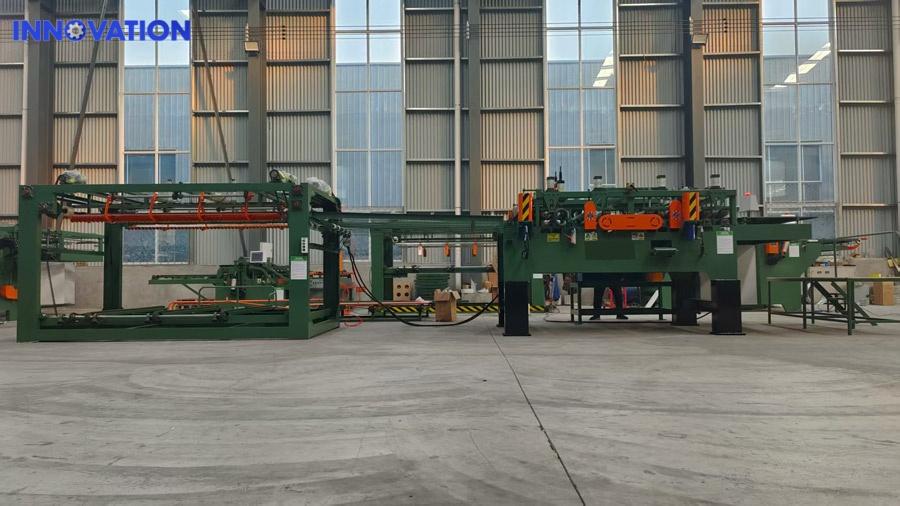
كيفية اختيار آلة مؤلف القشرة لإنتاج الخشب الرقائقي
ما حجم القشرة التي يمكن للآلة التعامل معها؟
غالبًا ما يسأل المشترون ذلك لأن طول القشرة وعرضها وسمكها يقرر ما إذا كانت الآلة يمكن أن تناسب مادة الإنتاج الحقيقية. قبل الاختيار، يجب على المصانع إدراج أبعاد القشرة الشائعة وحجم الورقة المكونة المستهدفة.
إذا كانت قشرة الإدخال تختلف كثيرًا، فاسأل عما إذا كان من الممكن تعديل الأدلة وإعدادات الضغط وأجهزة التشذيب. يعد الضبط المرن أكثر قيمة من السرعة العالية التي تعمل فقط مع مادة مثالية.
هل تؤثر رطوبة القشرة على جودة التأليف؟
نعم. القشرة الرطبة جدًا، أو الجافة جدًا، أو المجففة بشكل غير متساوٍ قد تتجعد أو تتشقق أثناء الانضمام. تساعد عملية التجفيف المستقرة قبل التركيب الماكينة على إنشاء صفائح أساسية أكثر انبساطًا وموثوقية.
ولهذا السبب تفكر العديد من مصانع الخشب الرقائقي في التركيب مع معدات تجفيف القشرة ونشر الغراء والضغط والصنفرة. يمكنك أيضًا مراجعة ما يتعلق بذلك المعدات المساعدة للخشب الرقائقي عند التخطيط لخط كامل.
هل التأليف التلقائي أفضل من الإصلاح اليدوي؟
عادةً ما يكون التركيب التلقائي أفضل عندما يحتاج المصنع إلى مخرجات مستقرة وحجم ورقة قابل للتكرار واعتماد أقل على المهارة اليدوية. لا يزال من الممكن أن يكون الإصلاح اليدوي مفيدًا للدفعات الصغيرة أو القطع الخاصة أو تصحيح الجودة.
يعتمد الاختيار الأفضل على معدل النفايات، وتكلفة العمالة، وإنتاج الخشب الرقائقي اليومي. تصبح آلة تركيب القشرة أكثر قيمة عندما يقوم المصنع بمعالجة كميات كبيرة من القشرة الأساسية القابلة للاسترداد.
أسئلة عملية للشراء يطرحها المستخدمون على Google
هل يمكن لآلة تركيب القشرة أن تقلل من نفايات إنتاج الخشب الرقائقي؟
يمكن أن يساعد في تقليل النفايات عندما يحتوي المصنع على العديد من قطع القشرة الضيقة أو القصيرة أو غير الكاملة التي لا تزال قابلة للاستخدام من الناحية الهيكلية. ومن خلال تركيبها في صفائح أساسية، يمكن أن يدخل المزيد من المواد الخام إلى عملية إنتاج الألواح بدلاً من التخلص منها.
ما الذي يجب أن أتحقق منه قبل شراء واحدة؟
تحقق من نطاق سمك القشرة وحجم الإخراج وطريقة الربط ونظام التدفئة واستقرار التغذية والوصول إلى الصيانة والمساحة الأرضية المتاحة. ومن المفيد أيضًا مقارنة الماكينة بطريقة الإصلاح الأساسية الحالية.
للحصول على مرجع خاص بالمنتج، قم بزيارة ملحن القشرة الصفحة أو اتصل بالمورد للحصول على تفاصيل عينة القشرة. إذا كنت تخطط لخط لوحة كامل، فإن صفحة الاتصال هي أبسط طريقة لتقاسم متطلبات القدرات.
كيف تؤثر جودة القشرة على لوحة الخشب الرقائقي النهائية؟
تؤثر جودة القشرة الأساسية على الترابط وتوازن السُمك والهيكل الداخلي للوحة. للحصول على خلفية أوسع للألواح الخشبية، يوفر مختبر منتجات الغابات التابع لوزارة الزراعة الأمريكية ميزة مفيدة دليل الخشب تغطية مفاهيم المواد الخشبية وعوامل الأداء.
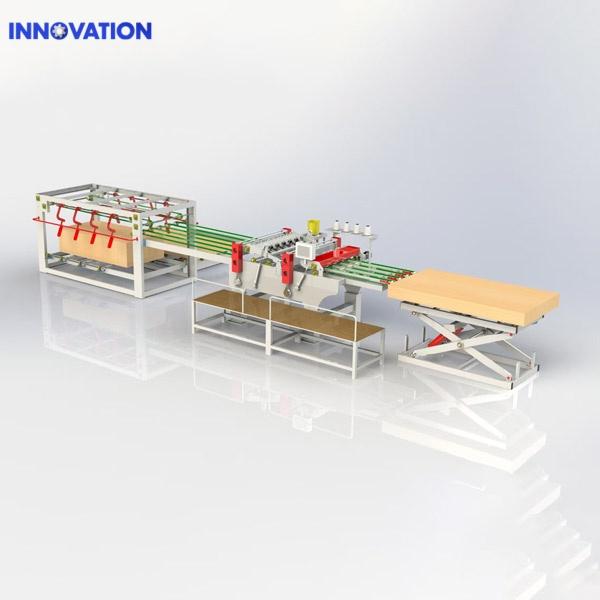
الأسئلة الشائعة حول اختيار آلة مؤلف القشرة
ما هي آلة مؤلف القشرة المستخدمة؟
يتم استخدامه لربط قطع القشرة في لوح أساسي أكثر اكتمالاً للخشب الرقائقي وإنتاج الألواح ذات الصلة. والغرض من ذلك هو تحسين استخدام المواد ومعالجة الألواح واتساق الإنتاج.
هل أحتاج إلى واحدة إذا كان مصنعي لديه بالفعل عمال يدويون؟
قد تظل بحاجة إلى واحدة إذا كان الإصلاح اليدوي بطيئًا جدًا أو غير متسق أو مكلفًا. يمكن للآلة أن تجعل عملية التأليف أكثر قابلية للتكرار، خاصة عندما يكون حجم القشرة اليومي مرتفعًا.
ما هو سمك القشرة المناسب؟
يعتمد النطاق المناسب على الطراز المحدد وطريقة الانضمام. يجب على المشترين تأكيد الحد الأدنى والحد الأقصى للسمك مع المورد قبل الطلب.
هل يمكن للآلة أن تعمل في خط إنتاج كامل للخشب الرقائقي؟
نعم، غالبًا ما يتم استخدامه قبل وضع الكرة والضغط كجزء من إعداد المواد الأساسية. يجب أن يأخذ تخطيط الخط في الاعتبار فرز القشرة واتجاه التغذية وتكديس الإخراج ومسافة النقل.
الخلاصة: عندما تكون هذه الآلة منطقية
تكون آلة تركيب القشرة أكثر منطقية عندما يرغب مصنع الخشب الرقائقي في تحسين استخدام القشرة الأساسية، وتقليل الإصلاح اليدوي غير المنتظم، وإنشاء صفائح أكثر اتساقًا للضغط لاحقًا. إنها ليست مجرد عملية شراء لآلة واحدة، ولكنها أيضًا طريقة لتنظيم تحضير القشرة بشكل أكثر وضوحًا.
قبل الشراء، قارن حجم القشرة وحالة الرطوبة وتكلفة العمالة وهدف الإخراج ومتطلبات جودة اللوحة. مع التطابق الصحيح، يمكن للآلة دعم ربط القلب الأنظف وتخطيط إنتاج الخشب الرقائقي بشكل أكثر سلاسة.
 Arabic
  English
  Vietnamese