
أخبار
دليل كامل لتطبيقات تغليف الضغط البارد
مرحباً بكم في مدونتي!
يسعدني جدًا وجودك هنا. قبل أن نتعمق في المحتوى، يسعدني التواصل معك عبر هذه الصفحة. أشارك بانتظام رؤىً حول الصناعة، وتحديثاتٍ حول المنتجات، ولحظاتٍ من وراء الكواليس على حساباتي على مواقع التواصل الاجتماعي، كما أنها منصةٌ رائعةٌ للتواصل!
تابعونا على الفيسبوك: شركة شاندونغ تشوانغشين لمعدات الأتمتة المحدودة
لننمو معًا ونبقى على تواصل. والآن، لننتقل إلى المدونة - آمل أن تجدوا محتواها غنيًا بالمعلومات، وجذابًا، وقيّمًا حقًا.
جدول المحتويات
الوجبات الرئيسية لهذه المادة
- كيف أ تغليف الضغط البارد يحسن جودة الألواح الخشبية واتساقها
- مبادئ العمل الأساسية لتكنولوجيا الضغط البارد في الأعمال الخشبية
- الاختلافات بين أنظمة الضغط البارد وأنظمة الضغط الساخن
- الهيكل الفني والمواصفات الرئيسية للآلات الصناعية
- تطبيقات العالم الحقيقي في إنتاج الخشب الرقائقي، MDF، والقشرة
- معايير الاختيار لاختيار المعدات المناسبة
- أفضل الممارسات التشغيلية وإرشادات الصيانة
- الأسئلة الشائعة حول الصناعة بناءً على نية البحث الحقيقية عن المشتري
مقدمة
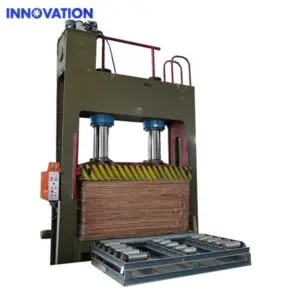
في تصنيع الألواح الخشبية الحديثة، يعد تحقيق ترابط سطحي مستقر ودقة الأبعاد أمرًا بالغ الأهمية للقدرة التنافسية للمنتج. أ تغليف الضغط البارد يلعب دورًا مركزيًا في هذه العملية من خلال تطبيق ضغط هيدروليكي متحكم فيه على القشرة والصفائح والأسطح الزخرفية على ركائز مثل الخشب الرقائقي وMDF والألواح الحبيبية دون استخدام الحرارة.
على عكس أنظمة الضغط الحراري، يتجنب الضغط البارد التشوه المرتبط بدرجة الحرارة، وعدم استقرار المادة اللاصقة، وتغير لون السطح. وفقًا لبيانات إنتاج الصناعة الصادرة عن الشركات المصنعة للأخشاب الهندسية، فإن اعتماد آلة تغليف الضغط البارد يمكن أن يقلل من معدلات عيوب السطح عن طريق 25 تش35% مع تحسين اتساق الأبعاد عبر الدفعات.
وهذا يجعل تقنية الضغط البارد حلاً مفضلاً للأثاث المتطور وألواح الديكور الداخلي والتطبيقات الخشبية الدقيقة حيث تعد جودة السطح عامل شراء رئيسي.
مبدأ عمل آلة تغليف الضغط البارد في إنتاج الألواح الخشبية
آلية ربط الضغط الهيدروليكي
يستخدم جهاز تغليف الضغط البارد نظامًا هيدروليكيًا لتطبيق ضغط موحد عبر سطح اللوحة بالكامل.
وهذا يضمن انتشار المواد اللاصقة بالتساوي وتشكيل رابطة ميكانيكية قوية بين الطبقات.
تفعيل المادة اللاصقة في درجة حرارة الغرفة
يعتمد الضغط البارد على المواد اللاصقة التي يتم علاجها في درجة الحرارة المحيطة.
وهذا يزيل الإجهاد الحراري ويقلل من خطر الفقاعات أو التصفيح أثناء المعالجة.
نظام توزيع الضغط الموحد
تم تصميم ألواح الضغط داخل الماكينة للحفاظ على قوة ثابتة عبر الأسطح الكبيرة.
وهذا يمنع التزييف ويضمن حصول كل قسم من اللوحة على قوة ربط متطابقة.
تطبيقات آلة تغليف الضغط البارد في صناعة الألواح الخشبية
تصفيح قشرة الخشب الرقائقي
تُستخدم أنظمة الضغط البارد على نطاق واسع لربط القشرة الزخرفية على قلوب الخشب الرقائقي.
يؤدي ذلك إلى تحسين نعومة السطح وتعزيز الجودة الجمالية للمنتجات المخصصة للأثاث.
MDF وتصفيح الألواح الحبيبية
تتطلب الألواح الخشبية المصممة تصفيحًا ثابتًا للسطح من أجل المتانة والمظهر.
تضمن تقنية الضغط البارد التصاقًا دقيقًا دون الإضرار بهيكل اللوحة.
تصنيع الألواح السطحية المزخرفة
تستفيد الألواح عالية اللمعان والمزخرفة بشكل كبير من الضغط البارد.
غياب الحرارة يمنع تشويه السطح ويحافظ على الوضوح البصري.
آلة تغليف الضغط البارد مقابل أنظمة الضغط الساخن
نظرة عامة على المقارنة الفنية
| ميزة | تغليف الضغط البارد | نظام الضغط الساخن |
|---|---|---|
| استخدام درجة الحرارة | لا أحد | ما يصل إلى 160 درجة مئوية200° مئوية |
| استهلاك الطاقة | قليل | عالي |
| جودة السطح | اتساق عالي | خطر الفقاعات |
| نوع لاصق | المواد اللاصقة المعالجة على البارد | الراتنجات المنشطة بالحرارة |
| سرعة الإنتاج | واسطة | عالي |
| الإجهاد المادي | الحد الأدنى | ارتفاع الضغط الحراري |
شرح الفرق المفاهيمي
فلسفة نظام الصحافة الباردة
يركز الضغط البارد على الاستقرار والدقة بدلاً من السرعة.
إنه مصمم للمنتجات التي يكون فيها المظهر وسلامة السطح أكثر أهمية من المعالجة السريعة.
فلسفة نظام الصحافة الساخنة
الضغط الساخن يعطي الأولوية للسرعة وكفاءة الإنتاج الضخم.
يتم استخدامه على نطاق واسع في إنتاج الخشب الرقائقي الهيكلي والألواح الصناعية.
الهيكل الأساسي للصناعة تغليف الضغط البارد
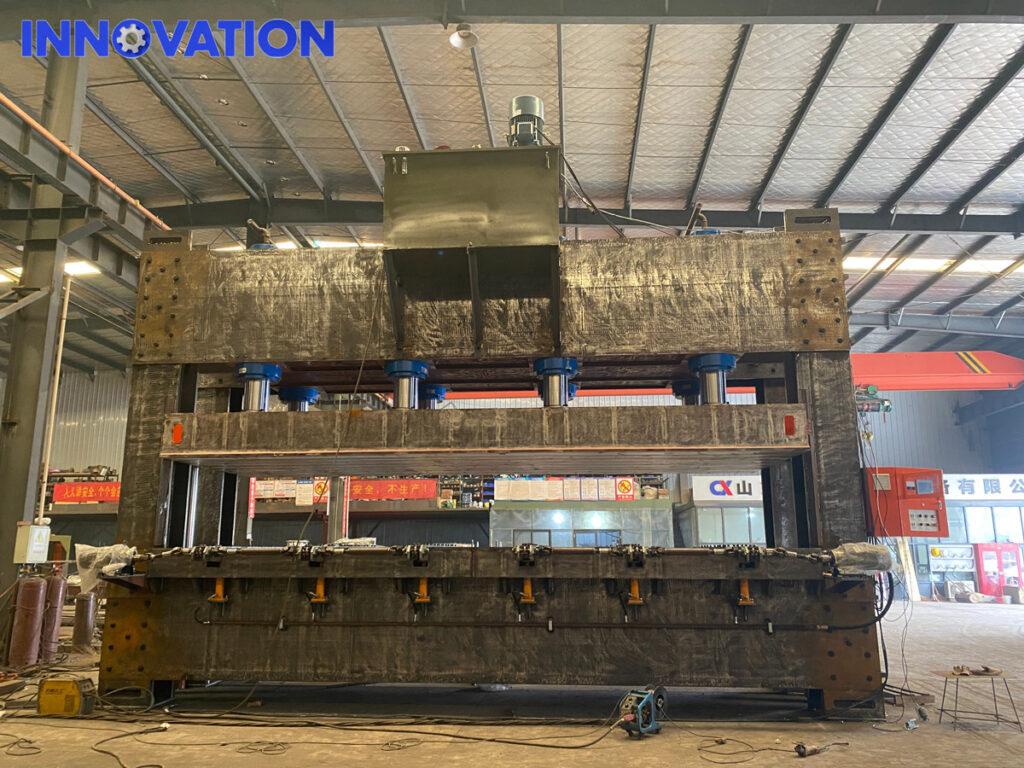
وحدة الطاقة الهيدروليكية
يولد النظام الهيدروليكي ضغطًا متحكمًا يتراوح من من 0 إلى 10 ميجا باسكال.
وهذا يضمن التوافق مع سماكات اللوحة المختلفة وأنواع المواد اللاصقة.
مجموعة لوحة الضغط
تقوم ألواح الضغط المصنوعة من الفولاذ أو السبائك بتوزيع القوة بالتساوي عبر سطح اللوحة.
تعمل الألواح عالية الجودة على تقليل مخاطر التشوه وإطالة عمر المعدات.
نظام التحكم PLC
تستخدم آلات تغليف الضغط البارد الحديثة أنظمة تحكم تعتمد على PLC.
يمكن للمشغلين ضبط معلمات الضغط والتوقيت والدورة رقميًا من أجل التكرار.
نظام التغذية وتحديد المواقع
تقوم البكرات الآلية أو أنظمة تحديد المواقع اليدوية بمحاذاة الألواح قبل الضغط عليها.
وهذا يضمن تحديد الموضع بدقة ويقلل الخطأ البشري أثناء التشغيل.
جدول المواصفات الفنية لجهاز تغليف الضغط البارد
| مكون | المواصفات النموذجية | وظيفة |
|---|---|---|
| الطاقة الهيدروليكية | 7.5 بوصة15 كيلو واط | توليد الضغط |
| نطاق الضغط | 0 reach10 ميجا باسكال | قوة الترابط القابلة للتعديل |
| حجم اللوحة السعة | ما يصل إلى 25003000 ملم | توافق اللوحة الكبيرة |
| وقت الضغط | 5.30 دقيقة | دعم المعالجة اللاصقة |
| نظام التحكم | شاشة تعمل باللمس PLC + HMI | التحكم الرقمي في التشغيل |
| هيكل الإطار | الفولاذ الملحوم عالي التحمل | الاستقرار الهيكلي |
المزايا الرئيسية لجهاز تغليف الضغط البارد للألواح الخشبية
مخرجات ذات جودة عالية للسطح
يضمن الضغط البارد تشطيبًا سلسًا للسطح دون حدوث ضرر حراري.
يعد هذا أمرًا ضروريًا لألواح الأثاث المزخرفة والتطبيقات الداخلية المرئية.
انخفاض استهلاك الطاقة
بدون عناصر التسخين، يكون استخدام الطاقة أقل بكثير مقارنة بأنظمة الضغط الساخن.
يمكن للمصانع تقليل تكاليف التشغيل مع الحفاظ على إنتاج مستقر.
تحسين استقرار الأبعاد
يمنع الضغط الهيدروليكي الموحد الالتواء والسمك غير المتساوي.
وهذا يزيد من موثوقية المنتج في عمليات التجميع النهائية.
متطلبات صيانة أقل
انخفاض مكونات التسخين يعني انخفاض التآكل الميكانيكي.
يؤدي ذلك إلى تحسين متانة المعدات على المدى الطويل وتقليل وقت التوقف عن العمل.
كيفية اختيار الحق تغليف الضغط البارد
متطلبات مقياس الإنتاج
تتطلب ورش العمل الصغيرة عادةً آلات مدمجة ذات سعة حمولة أقل.
تحتاج المنشآت الصناعية إلى أنظمة ضغط عالي قادرة على التشغيل المستمر.
توافق نوع اللوحة
تتطلب المواد المختلفة مثل MDF أو الخشب الرقائقي أو القشرة ضغوط ضغط مختلفة.
يضمن تحديد التكوين الصحيح نتائج الترابط المثالية.
اختيار مستوى الأتمتة
الأنظمة شبه الأوتوماتيكية مناسبة لبيئات الإنتاج المرنة.
تعمل الأنظمة الآلية بالكامل على تحسين الكفاءة في التصنيع على نطاق واسع.
مطابقة النظام اللاصق
يعد التوافق مع المواد اللاصقة PVAc وPU والإيبوكسي أمرًا ضروريًا.
قد تؤدي المطابقة غير الصحيحة إلى ضعف الترابط أو فشل السطح.
المفاهيم التشغيلية لآلة تغليف الضغط البارد
دورة الضغط القابضة
تحافظ الآلة على ضغط ثابت أثناء وقت المعالجة.
وهذا يضمن أن تشكل الجزيئات اللاصقة هياكل ترابط مستقرة.
معالجة لوحة متعددة الطبقات
يمكن تكديس لوحات متعددة والضغط عليها في وقت واحد.
وهذا يزيد من كفاءة الإنتاج دون المساس بالجودة.
آلية الإطلاق الخاضعة للرقابة
تحرير الضغط التدريجي يمنع الإجهاد الهيكلي المفاجئ.
وهذا يساعد في الحفاظ على سلامة اللوحة بعد الضغط.
إرشادات الصيانة لجهاز تغليف الضغط البارد
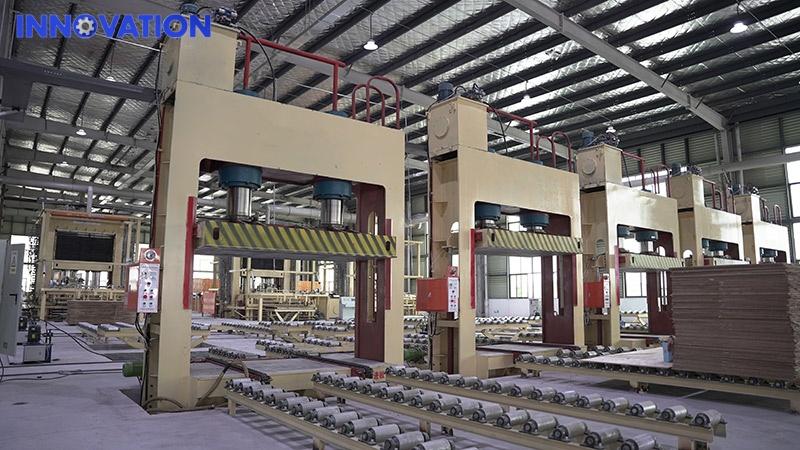
فحص النظام الهيدروليكي
الفحص المنتظم يضمن إخراج ضغط مستقر.
يجب فحص مستويات الزيت والأختام لمنع التسرب.
تنظيف لوحة الضغط
تمنع أسطح الضغط النظيفة تراكم بقايا المادة اللاصقة.
وهذا يضمن جودة سطح متسقة عبر دورات الإنتاج.
فحوصات المحاذاة الميكانيكية
المحاذاة الصحيحة تضمن توزيع الضغط بشكل متساوٍ.
قد يؤدي عدم المحاذاة إلى ترابط غير متساوٍ أو عيوب في اللوحة.
اتجاهات الصناعة والتطور التكنولوجي
تستمر تقنية تغليف الضغط البارد في التطور مع الأتمتة واتجاهات التصنيع الذكية. تشير تقارير الصناعة إلى:
- زيادة اعتماد أنظمة مراقبة PLC + إنترنت الأشياء في معدات النجارة
- الطلب المتزايد على مكابس هيدروليكية موفرة للطاقة مع انخفاض الاستهلاك بما يصل إلى 20%
- توسيع تطبيقات الصحافة الباردة في أسواق الأثاث والديكور الداخلي المتميزة
- التحول نحو أنظمة الضغط المعيارية لتكامل خطوط الإنتاج المرنة
تشير هذه الاتجاهات إلى أن الضغط البارد لم يعد عملية متخصصة ولكنه حل رئيسي في تصنيع الألواح الخشبية عالية الجودة.
التعليمات
ما هي استخدامات آلة تغليف الضغط البارد؟
يتم استخدامه لربط القشرة والصفائح والأسطح الزخرفية على الألواح الخشبية باستخدام الضغط الهيدروليكي بدون حرارة.
كم من الوقت تستغرق دورة الضغط البارد؟
اعتمادًا على نوع المادة اللاصقة وسمك اللوحة، تتراوح الدورات عادةً من 5 إلى 30 دقيقة.
هل الضغط البارد أفضل من الضغط الساخن؟
يوفر الضغط البارد جودة سطح أفضل واستهلاكًا أقل للطاقة، بينما يوفر الضغط الساخن سرعة إنتاج أسرع.
هل يمكن استخدامه لـ MDF والخشب الرقائقي؟
نعم، تُستخدم آلات تغليف الضغط البارد على نطاق واسع في تصفيح سطح MDF والخشب الرقائقي والألواح الحبيبية.
ما هو نطاق الضغط النموذجي؟
تعمل الآلات الصناعية عادةً بين 0 و10 ميجا باسكال حسب متطلبات التطبيق.
كم مرة يجب إجراء الصيانة؟
يجب فحص الأنظمة الهيدروليكية والميكانيكية أسبوعيًا، مع إجراء فحوصات الصيانة الكاملة شهريًا.
خاتمة
أ تغليف الضغط البارد هي قطعة مهمة من المعدات في تصنيع الألواح الخشبية الحديثة، حيث توفر دقة عالية وكفاءة في استخدام الطاقة وجودة سطح ممتازة. يتم استخدامه على نطاق واسع في إنتاج الخشب الرقائقي وMDF والألواح الزخرفية حيث يكون الاتساق والمظهر ضروريين.
من خلال اختيار التكوين الصحيح للنظام، والحفاظ على إجراءات التشغيل المناسبة، ومحاذاة أنظمة اللصق بشكل صحيح، يمكن للمصنعين تحسين الإنتاجية بشكل كبير، وتقليل العيوب، وتعزيز القدرة التنافسية الشاملة للمنتج في صناعة النجارة العالمية.
 Arabic
  English
  Vietnamese