
أخبار
شرح آلة الضغط البارد للخشب الرقائقي وحلول ضغط الخشب الرقائقي
مرحباً بكم في مدونتي!
يسعدني جدًا وجودك هنا. قبل أن نتعمق في المحتوى، يسعدني التواصل معك عبر هذه الصفحة. أشارك بانتظام رؤىً حول الصناعة، وتحديثاتٍ حول المنتجات، ولحظاتٍ من وراء الكواليس على حساباتي على مواقع التواصل الاجتماعي، كما أنها منصةٌ رائعةٌ للتواصل!
تابعونا على الفيسبوك: شركة شاندونغ تشوانغشين لمعدات الأتمتة المحدودة
لننمو معًا ونبقى على تواصل. والآن، لننتقل إلى المدونة - آمل أن تجدوا محتواها غنيًا بالمعلومات، وجذابًا، وقيّمًا حقًا.
جدول المحتويات
أبرز النقاط في هذه المقالة
- فهم عميق لحلول ضغط الخشب الرقائقي الحديثة وسير العمل الصناعي
- المبادئ الهندسية وراء أ آلة الضغط البارد للخشب الرقائقي
- معايير تصنيع الخشب الرقائقي العالمية ومتطلبات الامتثال
- أنواع الآلات والأنظمة الهيدروليكية وتقنيات الأتمتة
- دراسة حالة الإنتاج في العالم الحقيقي وتحليل عائد الاستثمار
- الصيانة واستكشاف الأخطاء وإصلاحها وأفضل الممارسات التشغيلية
- الأسئلة الشائعة حول الصناعة بناءً على سلوك البحث الحقيقي ونية المشتري
مقدمة
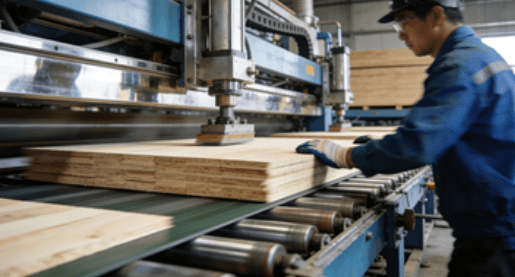
في صناعة معالجة الأخشاب التنافسية اليوم، يتعرض المصنعون لضغوط لتقديم ألواح أقوى، وكفاءة إنتاج أعلى، وتكاليف تشغيل أقل. يستخدم الخشب الرقائقي على نطاق واسع في الأثاث والبناء والتعبئة والديكور الداخلي، وتعتمد جودته بشكل كبير على مرحلة الضغط.
من بين جميع معدات الإنتاج، آلة الضغط البارد للخشب الرقائقي يلعب دورًا حاسمًا في تثبيت طبقات القشرة قبل الضغط الساخن النهائي. بدون الضغط المسبق المناسب، من المرجح أن تعاني ألواح الخشب الرقائقي من التصفيح والفجوات الهوائية والتشوه الهيكلي.
تتبنى المصانع الحديثة بشكل متزايد حلول ضغط الخشب الرقائقي الآلية لتلبية المعايير العالمية مثل CARB Phase II، وEPA TSCA Title VI، وEN 13986، ومتطلبات أداء الربط ISO.
نظرة عامة على صناعة الخشب الرقائقي العالمية وطلب السوق
تزايد الطلب على المنتجات الخشبية الهندسية
يستمر سوق الخشب الرقائقي العالمي في التوسع بسبب التحضر وتطوير البنية التحتية. تشير تقارير الصناعة إلى نمو مطرد مدفوع بمنطقة آسيا والمحيط الهادئ وأمريكا الشمالية وأوروبا.
تشمل برامج التشغيل الرئيسية ما يلي:
- زيادة الطلب على مواد البناء المستدامة
- ارتفاع إنتاج تصنيع الأثاث
- النمو في أنظمة الإسكان الجاهزة
- التحول من الخشب الصلب إلى الألواح الهندسية
ضغط الجودة في أسواق التصدير
يجب على الشركات المصنعة الموجهة للتصدير الالتزام بلوائح الجودة الصارمة. وهذا يزيد من الحاجة إلى أنظمة ضغط مسبق مستقرة مثل آلات الضغط البارد.
آلة الضغط البارد للخشب الرقائقي شرح مبدأ العمل
مفهوم هندسة الضغط الهيدروليكي
تعمل الآلة عن طريق تطبيق ضغط هيدروليكي متحكم فيه عبر طبقات القشرة المكدسة. يضمن هذا الضغط اختراق المادة اللاصقة والترابط الموحد.
نطاق الضغط الصناعي النموذجي:
- 1 ميجا باسكال إلى 5 ميجا باسكال لتطبيقات الضغط المسبق
- قدرة نظام هيدروليكي تصل إلى 26 ميجا باسكال في الآلات الثقيلة
آلية تثبيت اللاصق
يتطلب الغراء المستخدم في إنتاج الخشب الرقائقي (UF أو MUF أو الراتنج الفينولي) ضغطًا متحكمًا لتنشيط الترابط. يضمن الضغط البارد:
- توزيع الغراء بالتساوي
- انخفاض إزاحة الراتنج
- مرحلة المعالجة الأولية مستقرة
السلوك الهيكلي قبل الضغط
عند الضغط، يتم التخلص من جيوب الهواء بين طبقات القشرة. يؤدي ذلك إلى تحسين اتساق الكثافة ومنع التصفيح أثناء الضغط الساخن.
الهندسة المعمارية الفنية لآلة الضغط البارد للخشب الرقائقي
تصميم نظام الإطارات للخدمة الشاقة
تستخدم الآلات الصناعية إطارات فولاذية ملحومة ذات صلابة عالية.
المواصفات المشتركة:
- سمك اللوحة الفولاذية: 25.40 ملم
- أعمدة رأسية معززة لمقاومة الحمل
- التصنيع الدقيق لمحاذاة اللوح المتوازي
تكوين النظام الهيدروليكي
يعد النظام الهيدروليكي المستقر ضروريًا للضغط الموحد.
تشمل المكونات الأساسية ما يلي:
- مضخة المكبس الضغط العالي
- الصمامات الهيدروليكية (الدرجة الصناعية، على سبيل المثال، تايوان أو الأنظمة الأوروبية)
- نظام ترشيح الزيت
- تصميم مزامنة ثنائي الاسطوانة
نظام التحكم الآلي PLC
تدمج حلول ضغط الخشب الرقائقي الحديثة التحكم PLC من أجل:
- تعديل الضغط
- التحكم بالوقت
- تشغيل الدورة التلقائية
- أقفال السلامة
وهذا يقلل من الخطأ البشري ويحسن اتساق الإنتاج.
سير العمل آلة الضغط البارد للخشب الرقائقي خط الإنتاج
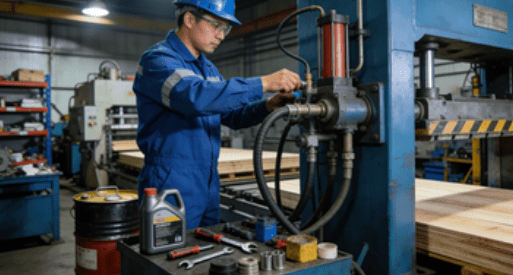
مرحلة تحضير القشرة
يتم تجفيف قشور الخشب ومعالجتها بمحتوى رطوبة مثالي (عادةً 6% resent12%).
يعد التحكم المناسب في الرطوبة أمرًا بالغ الأهمية لأداء الربط اللاصق.
عملية تطبيق الغراء
يتم تطبيق الراتنج بالتساوي باستخدام نظام توزيع الغراء.
سمك الطلاء الموحد يضمن قوة ربط مستقرة.
عملية تجميع الطبقة
يتم تكديس القشرة في اتجاه الحبوب المتقاطعة.
وهذا يحسن استقرار الأبعاد ويقلل من خطر التزييف.
مرحلة الضغط والاستقرار
تطبق الآلة الضغط لمدة 3 دقائق و10 دقائق حسب:
- سمك اللوحة
- نوع الراتنج
- متطلبات سرعة الإنتاج
نقل إلى الضغط الساخن
بعد التثبيت، تنتقل الألواح إلى آلات الضغط الساخن للمعالجة النهائية.
آلة الضغط البارد لأنواع وتكوينات الخشب الرقائقي
آلة الضغط البارد من النوع السفلي
- مناسبة للإنتاج على نطاق متوسط
- سهولة التحميل والصيانة
- انخفاض تكلفة الاستثمار الأولي
نظام الضغط الهيدروليكي متعدد الطبقات
- مخرجات إنتاجية عالية
- يدعم دورات الضغط المستمر
- تستخدم في مصانع الخشب الرقائقي الصناعية
خط إنتاج أوتوماتيكي بالكامل
- أنظمة النقل المتكاملة
- عملية تسيطر عليها PLC
- الحد الأدنى من متطلبات العمل
معايير الصناعة ومتطلبات الامتثال
معايير الجودة الدولية
يجب أن تستوفي منتجات الخشب الرقائقي العديد من المعايير العالمية:
- إن 13986 (أوروبا) 5 ألواح خشبية للبناء
- ايزو 16978/ايزو 12460 art اختبار قوة الترابط وانبعاث الفورمالديهايد
- CARB المرحلة الثانية/EPA TSCA العنوان السادس 2 التحكم في انبعاثات الفورمالديهايد (الولايات المتحدة الأمريكية)
معايير أداء اللاصق
يتطلب اختبار قوة السندات عادةً ما يلي:
- قوة القص ≥ الحد الأدنى للصناعة
- لا يوجد تصفيح مرئي بعد دورات اختبار الغليان
- استقرار مقاومة الرطوبة
معايرة بشكل صحيح آلة الضغط البارد للخشب الرقائقي يساعد الشركات المصنعة على تلبية هذه المتطلبات باستمرار.
التحليل المقارن: أنظمة الضغط البارد مقابل أنظمة الضغط الساخن
| ميزة | نظام الضغط البارد | نظام الضغط الساخن |
|---|---|---|
| استخدام الحرارة | لا أحد | مطلوب |
| استهلاك الطاقة | قليل | عالي |
| وظيفة | استقرار ما قبل السندات | المعالجة النهائية |
| وقت الدورة | 3-10 دقائق | 5 – 15 دقيقة |
| دور الإخراج | المحاذاة الهيكلية | القوة النهائية |
| السيطرة على الخلل | عالية (إزالة الهواء) | عالية (علاج السندات) |
الضغط البارد ليس بديلاً عن الضغط الساخن ولكنه مرحلة تكميلية في سلسلة الإنتاج.
كفاءة الإنتاج وتحليل عائد الاستثمار
عوامل تحسين الإنتاجية
تقرير المصانع التي تستخدم حلول ضغط الخشب الرقائقي المتقدمة:
- 15% prict30% تقليل الألواح المعيبة
- 20% part40% تحسين استقرار الإنتاج
- تقليل النفايات اللاصقة بسبب التحكم الأفضل في الضغط
مثال لحساب عائد الاستثمار
افترض مصنعًا متوسطًا ينتج 5000 لوح/يوم:
- تقليل العيوب يوفر 200 لوحة/يوم
- متوسط قيمة اللوحة: $5
- التوفير اليومي: $1000
- التوفير الشهري: $30،000
غالبًا ما يمكن استرداد الاستثمار في نظام الضغط البارد خلال 8 إلى 18 شهرًا اعتمادًا على حجم الإنتاج.
دراسة حالة في العالم الحقيقي: ترقية مصنع تصنيع الأثاث
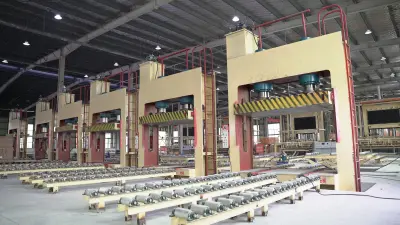
قامت إحدى شركات تصنيع الأثاث في جنوب شرق آسيا بتحديث خط إنتاجها بآلية آلة الضغط البارد للخشب الرقائقي نظام.
قبل الترقية:
- ارتفاع معدل الخلل (12%)
- قضايا التصفيح المتكررة
- تناقضات الضغط اليدوي
بعد الترقية:
- تم تخفيض معدل الخلل إلى 4%
- استقرت دورة الإنتاج
- تم تخفيض متطلبات العمل بمقدار 30%
النتيجة الرئيسية:
قامت الشركة بزيادة القدرة التصديرية بمقدار 25% خلال عام واحد بسبب تحسين اتساق جودة اللوحة.
أفضل ممارسات الصيانة والتشغيل
صيانة النظام الهيدروليكي
- استبدل الزيت الهيدروليكي كل 6 إلى 12 شهرًا
- تنظيف المرشحات بانتظام
- التحقق من معايرة الضغط أسبوعيا
الفحص الميكانيكي
- فحص محاذاة اللوحة شهريا
- التحقق من سلامة لحام الإطار
- تشحيم المكونات المتحركة
الأخطاء التشغيلية الشائعة
- التحميل الزائد على الألواح بما يتجاوز السعة
- سمك تطبيق الغراء غير صحيح
- تجاهل محتوى الرطوبة في القشرة
استكشاف المشكلات الشائعة وإصلاحها
توزيع الضغط غير المتساوي
ناجم عن عدم التوازن الهيدروليكي أو اختلال محاذاة اللوح.
الحل: إعادة معايرة النظام الهيدروليكي وفحص الأسطوانات.
التصفيح بعد الضغط الساخن
غالبًا ما يكون ذلك بسبب عدم كفاية وقت الضغط المسبق أو فشل الغراء.
الحل: ضبط دورة الضغط ونسبة اللصق.
دورة الإنتاج البطيئة
قد يكون نتيجة للمضخات الهيدروليكية القديمة.
الحل: الترقية إلى نظام مضخة المكبس عالي الكفاءة.
معايير السلامة في حلول ضغط الخشب الرقائقي
تتبع المعدات الحديثة لوائح صارمة للسلامة الصناعية:
- أنظمة التوقف في حالات الطوارئ
- حماية الضغط الزائد
- أجهزة استشعار إيقاف التشغيل التلقائي
- حراس سلامة المشغل
تضمن هذه الميزات التشغيل الآمن في بيئات الضغط العالي.
رؤى الورق الأبيض للصناعة (ملخص)
تسلط التحليلات الأخيرة لصناعة معالجة الأخشاب الضوء على ما يلي:
- تزايد الطلب على خطوط إنتاج الخشب الرقائقي الآلية
- زيادة اعتماد أنظمة الضغط المسبق الهيدروليكية
- التحول نحو معدات التصنيع الموفرة للطاقة
- التركيز القوي على الأنظمة اللاصقة المتوافقة مع الانبعاثات
يتفوق المصنعون الذين يستثمرون في الأتمتة باستمرار على الأنظمة اليدوية التقليدية في الإنتاجية واتساق المنتج.
خاتمة
يعتمد إنتاج الخشب الرقائقي الفعال على الدقة والثبات والتحكم في العملية. أ آلة الضغط البارد للخشب الرقائقي يعد عنصرًا أساسيًا في حلول ضغط الخشب الرقائقي الحديثة، مما يضمن محاذاة القشرة وتحسين جودة الترابط وتقليل عيوب الإنتاج.
مع استمرار ارتفاع الطلب العالمي على المنتجات الخشبية الهندسية، يكتسب المصنعون الذين يستثمرون في أنظمة الضغط المتقدمة ميزة تنافسية كبيرة في الجودة والكفاءة والامتثال.
التعليمات
ما هو آلة الضغط البارد للخشب الرقائقي تستخدم ل؟
يعمل على تثبيت طبقات القشرة قبل الضغط الساخن عن طريق تطبيق ضغط هيدروليكي موحد.
هل الضغط البارد ضروري في تصنيع الخشب الرقائقي؟
نعم، فهو يحسن بشكل كبير استقرار الترابط ويقلل من عيوب الإنتاج.
كم من الوقت هي دورة الضغط؟
عادة ما بين 3 و 10 دقائق حسب سمك المادة ونوع الغراء.
ما هو الضغط المستخدم في الضغط البارد؟
تعمل الأنظمة الصناعية عادةً بين 1.5 ميجا باسكال أثناء الضغط المسبق.
هل يحل الضغط البارد محل الضغط الساخن؟
لا، إنها خطوة معالجة مسبقة تعمل جنبًا إلى جنب مع الضغط الساخن.
ما هي الصناعات التي تستخدم حلول ضغط الخشب الرقائقي؟
صناعات الأثاث والبناء والتصميم الداخلي والتعبئة والتغليف والإسكان المعياري.
ما هو عمر آلة الضغط البارد؟
مع الصيانة المناسبة، يمكن للآلات الصناعية أن تعمل بشكل موثوق لمدة 10 سنوات ونصف.
 Arabic
  English
  Vietnamese