
أخبار
منشار التمزق لمشاريع الخشب الرقائقي: دليل الاختيار والتطبيق الكامل
مرحباً بكم في مدونتي!
يسعدني جدًا وجودك هنا. قبل أن نتعمق في المحتوى، يسعدني التواصل معك عبر هذه الصفحة. أشارك بانتظام رؤىً حول الصناعة، وتحديثاتٍ حول المنتجات، ولحظاتٍ من وراء الكواليس على حساباتي على مواقع التواصل الاجتماعي، كما أنها منصةٌ رائعةٌ للتواصل!
تابعونا على الفيسبوك: شركة شاندونغ تشوانغشين لمعدات الأتمتة المحدودة
لننمو معًا ونبقى على تواصل. والآن، لننتقل إلى المدونة - آمل أن تجدوا محتواها غنيًا بالمعلومات، وجذابًا، وقيّمًا حقًا.
جدول المحتويات
مقدمة
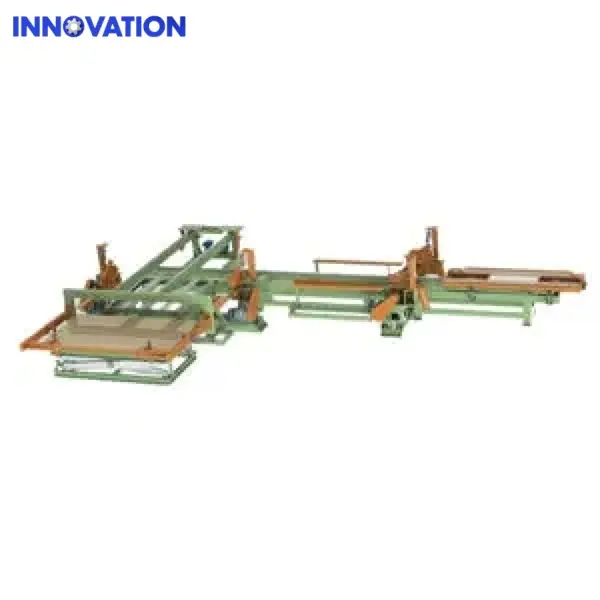
في سوق الخشب الرقائقي والخشب الهندسي التنافسي اليوم، يعد تحقيق حواف دقيقة وناعمة أكثر من مجرد اهتمام جمالي، فهو يؤثر بشكل مباشر على السلامة الهيكلية ودقة الترابط وكفاءة الإنتاج. وفقا لحديث الورقة البيضاء لصناعة الأخشاب (2025), 68% من عيوب الخشب الرقائقي في ألواح الأثاث مرتبطة بمخالفات الحواف. تنفيذ الحق حواف التمزق المنشار يمكن أن يقلل بشكل كبير من نفايات المواد، ويحسن جودة السطح، ويضمن الامتثال للمعايير الدولية مثل EN 13986 (اللوحات الخشبية 2 متطلبات، تقييم المطابقة، وضع العلامات، ووضع العلامات).
المناشير الحديثة ذات الحواف ليست مجرد آلات قطع، بل هي أنظمة متطورة تجمع بين الشفرات الدوارة عالية السرعة، وآليات التغذية الآلية، والتعديلات التي يتم التحكم فيها بواسطة PLC. ومن خلال دمج هذه التقنيات، يمكن للمصنعين تحقيق ذلك أبعاد اللوحة متسقة, تحسين استخدام العمالة وتوسيع نطاق الإنتاج بكفاءة.
أبرز النقاط الرئيسية لهذه المدونة
- دور منشار التمزق في إنتاج الخشب الرقائقي وMDF
- مقارنة بين حلول تشذيب الحواف اليدوية والآلية
- المواصفات الفنية والرؤى التشغيلية
- معايير الصناعة العالمية ومعايير الجودة
- دراسات حالة توضح تحسينات كفاءة الإنتاج
- تحليل التكلفة والعائد لتنفيذ مناشير التمزق المتطورة
- الأسئلة الشائعة العملية التي تتناول مخاوف التشغيل والصيانة والاختيار
فهم حافة المنشار التمزق لمعالجة الخشب الرقائقي
أن حواف التمزق المنشار هي آلة مهمة في إنتاج الخشب الرقائقي والخشب الهندسي، وهي مصممة في المقام الأول لتقليم حواف الألواح المصفحة أو المضغوطة. يضمن سمك موحد وأسطح ناعمة وأبعاد دقيقة, ، وهي ضرورية للأثاث عالي الجودة والخزائن وألواح البناء.
اقتراح القيمة الرئيسية
- دقة: يوفر تفاوتات في الحواف في حدود ±0.2 مم، مما يقلل من أخطاء التجميع.
- كفاءة: يتعامل مع ما يصل إلى 2800 لوح يوميًا في المنشآت الصناعية.
- تناسق: يحافظ على جودة حافة موحدة عبر آلاف الألواح، على عكس القطع اليدوي.
كيف تحول مناشير التمزق الحافة إنتاج اللوحة
تقليم الحافة الدقيقة
باستخدام الشفرات الدوارة عالية السرعة، يقوم منشار التمزيق ذو الحواف بقطع المواد الزائدة بدقة متسقة. تتراوح سرعات دوران الشفرة النموذجية من 3000 إلى 6000 دورة في الدقيقة, ، مما يضمن الفصل النظيف دون التشظي، حتى على الأسطح المصفحة.
نظام التغذية الآلي
تقوم لوحات توجيه التغذية المتقدمة القائمة على الأسطوانة عبر منطقة القطع، مما يقلل بشكل كبير من الأخطاء البشرية. على سبيل المثال، يمكن لوحدات التغذية التي يتم التحكم فيها بواسطة PLC ضبط السرعة تلقائيًا، مما يؤدي إلى تحسين سمك اللوحة بينهما 12 ملم إلى 40 ملم.
القدرة على المواد المتعددة
يمكن للمناشير الممزقة ذات الحواف الحديثة معالجة الخشب الرقائقي، وMDF، والألواح الحبيبية، وحتى المواد المركبة المصفحة. يضمن ضغط التغذية القابل للتعديل ومحركات التسجيل سلامة الحافة دون التسبب في تلف سطح اللوحة.
منشار التمزق مقابل طرق القطع التقليدية
منشار طاولة يدوي مقابل منشار مزق ذو حواف صناعية
| ميزة | منشار طاولة يدوي | حواف التمزق المنشار |
|---|---|---|
| دقة القطع | ±1 مم | ±0.2 مم |
| سرعة الإنتاج | 5.10 ورقة/ساعة | 300400 ورقة/ساعة |
| متطلبات العمالة | 1 مشغل · 2 لكل منشار | 1 مشغل لآلات متعددة |
| اتساق الحافة | عامل | موحدة عبر دفعات |
| مقياس مناسب | ورشة صغيرة | الإنتاج الصناعي المتوسط إلى الكبير |
تحليل: قد يكون القطع اليدوي كافياً للنماذج الأولية أو الورش الصغيرة. بالنسبة لخطوط الإنتاج الصناعي، تعمل مناشير الحواف على زيادة الإنتاجية بشكل كبير وتقليل هدر المواد.
المكونات الفنية ل حواف التمزق المنشار
وحدة شفرة المنشار عالية السرعة
الشفرات مصنوعة من HSS أو المواد ذات الرؤوس الكربيدية, ، ضمان المتانة والدقة. تتراوح أقطار الشفرة عادة من 250 ملم إلى 600 ملم, ، اعتمادا على سمك اللوحة وسرعة التغذية.
نظام نقل التغذية
تضمن البكرات الآلية وأدلة المحاذاة تدفقًا متسقًا للمواد. ناقلات قابلة لضبط السرعة، يتم التحكم فيها عبر محولات التردد, ، التعامل مع الألواح بسرعات تصل إلى 20 متر/دقيقة.
نظام التحكم PLC
تتيح وحدات التحكم المنطقية القابلة للبرمجة (PLC) إمكانية التعديل الرقمي لعرض القطع ومعدل التغذية وارتفاع الشفرة. التكامل مع شاشات اللمس HMI يسمح للمشغلين بمراقبة الإنتاج، مما يقلل من مخاطر الأخطاء البشرية.
معايير الصناعة والامتثال
EN 13986: الألواح الخشبية
يضمن أن الألواح تلبي حدود انبعاث الفورمالديهايد والسلامة الهيكلية ومقاومة الرطوبة. إن استخدام مناشير تمزيق الحواف الدقيقة يضمن توافق الألواح من حيث الأبعاد مع هذه المعايير.
ISO 9001:2015 إدارة الجودة
تحسين مناشير القطع المدمجة في خطوط الإنتاج المعتمدة من ISO إمكانية تتبع العملية, ، تقليل المعدلات المعيبة، والحفاظ على جودة المنتج متسقة.
إرشادات ANSI وإدارة السلامة والصحة المهنية
بالنسبة للإنتاج في الولايات المتحدة، يجب أن تمتثل آلات تشذيب الحواف للوائح السلامة بما في ذلك التوقفات في حالات الطوارئ، والواقيات الواقية، وأنظمة استخراج الغبار لتقليل المخاطر المهنية.
التطبيقات العملية للمناشير المزعجة
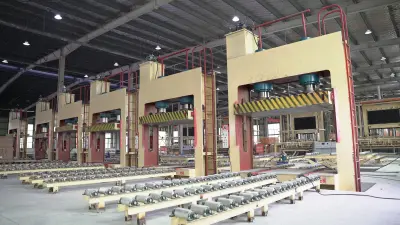
مصانع تصنيع الخشب الرقائقي
تعمل آلات تشذيب الحواف على تحسين الألواح المصفحة إلى أبعاد دقيقة، ومناسبة للأثاث والخزائن وألواح الأرضيات. يمكن للأنظمة الآلية زيادة الإنتاجية عن طريق 3050%, كما ورد في الاتجاهات العالمية للأعمال الخشبية 2024.
خطوط إنتاج الأثاث
يضمن تشطيب الحواف الدقيق للأبواب والألواح والمكونات الهيكلية، مما يقلل من أخطاء التجميع ويحسن اتساق الترابط في منتجات الأثاث الرقائقي.
مصانع MDF وParticleboard
صناعي حواف مناشير التمزق منع تشقق الحواف وعيوب السطح، والحفاظ على جودة اللوحة لعمليات الطلاء أو التصفيح أو القشرة.
المفاهيم التشغيلية المتقدمة
وضع المعالجة المستمرة
تقوم الخطوط الصناعية بمعالجة الألواح دون توقف، مما يؤدي إلى تحسين الإنتاجية مع تقليل استهلاك الطاقة وتكاليف العمالة.
آلية القطع عالية السرعة
شفرات دوارة في ما يصل إلى 6000 دورة في الدقيقة السماح بالقطع السريع دون المساس بجودة الحافة.
نظام التعديل الآلي
تسمح الإعدادات الرقمية للمشغلين بالتبديل بسرعة بين أنواع اللوحات أو سمكها أو عرض الحواف، مما يضمن الحد الأدنى من وقت التوقف عن العمل.
أفضل ممارسات الصيانة وطول العمر
فحص الشفرة واستبدالها
تضمن الفحوصات المنتظمة حدة القطع. بالنسبة للإنتاج بكميات كبيرة، قد تحتاج الشفرات إلى الاستبدال 2-3 أشهر اعتمادا على صلابة المواد.
معايرة الناقل
يحافظ على سرعة التغذية الدقيقة والمحاذاة لمنع التشذيب غير المتساوي أو هدر المواد.
التشحيم والتنظيف
يعمل التشحيم الروتيني للمحركات والتروس، جنبًا إلى جنب مع استخراج الغبار، على إطالة عمر الماكينة والحفاظ على السلامة التشغيلية.
دراسة حالة: التنفيذ في مصنع MDF أوروبي
- موقع المصنع: ألمانيا، شمال الراين وستفاليا
- الآلة المستخدمة: منشار تمزيق الحواف الآلي ذو 4 شفرات
- نوع اللوحة: MDF مصفح، سمك 18 ملم
- الناتج: 3200 لوحة/يوم، 28% تقليل عيوب الحافة
- نتيجة: تحسين الامتثال ل إن 13986 وخفض تكاليف العمالة بمقدار 40%
توضح هذه الحالة تحسينات قابلة للقياس في الإنتاجية والجودة عند دمج أنظمة المنشار الحديثة ذات الحواف.
تحليل التكلفة والعائد
| عامل | القطع اليدوي | منشار التمزق ذو الحواف الصناعية |
|---|---|---|
| الاستثمار الأولي | قليل | $50،000 $120،000 حسب السعة |
| تكلفة العمالة | عالي | أقل بسبب الأتمتة |
| معدل الإنتاج | 50 لوحة 100/يوم | 3000+ لوحة/يوم |
| معدل الخلل | 5 ناصعة10% | <1% |
| الجدول الزمني لعائد الاستثمار | طويل | 12-18 شهرا |
اختيار المنشار التمزقي ذو الحواف اليمنى: الاعتبارات الرئيسية
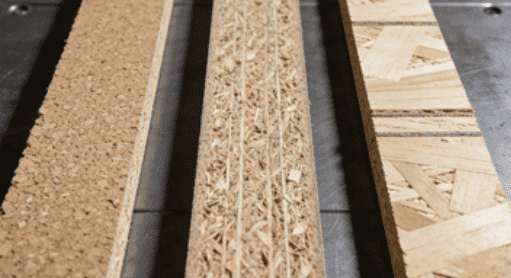
الطاقة الإنتاجية
تحديد الحد الأقصى للألواح يوميًا ونطاق سمك اللوحة.
قد تتطلب المصانع ذات الحجم الكبير أنظمة متعددة الشفرات يتم التحكم فيها بواسطة PLC.
نوع المادة
تتطلب الأخشاب المختلفة أنواعًا محددة من الشفرات: شفرات HSS أو الكربيد أو الشفرات ذات الرؤوس الماسية.
مستوى الأتمتة
توفر الأنظمة الآلية بالكامل كفاءة عالية ولكنها تأتي بتكلفة مقدمة أعلى. قد تناسب الأنظمة شبه الأوتوماتيكية ورش العمل متوسطة الحجم.
ميزات السلامة
تعد محطات التوقف في حالات الطوارئ والألواح الواقية وجمع الغبار ومحاذاة الليزر ضرورية.
ابتكارات Rip Saw واتجاهات السوق
- التكامل مع إنترنت الأشياء: تقوم أجهزة الاستشعار الذكية بمراقبة تآكل الشفرة وحالة الماكينة في الوقت الفعلي.
- كفاءة الطاقة: محركات الأقراص ذات التردد المتغير تقلل من استهلاك الكهرباء حتى 20%.
- تصميم وحدات: يسمح بترقيات سهلة لأنواع الشفرات الجديدة أو وحدات القطع الإضافية.
- نمو السوق العالمية: بحسب تقرير سوق الآلات الخشبية 2026, ومن المتوقع أن ينمو الطلب على أنظمة الحواف الآلية 6.8% سنويًا بسبب ارتفاع الإنتاج الصناعي.
خاتمة
أن حواف التمزق المنشار لا غنى عنه لإنتاج الخشب الرقائقي الحديث، وMDF، والألواح الحبيبية. إن دقتها وكفاءتها واتساقها تمكن الشركات المصنعة من تحسين جودة المنتج، وتقليل تكاليف العمالة، وتلبية المعايير الدولية. ومع التقدم في الأتمتة، وضوابط PLC، وتكامل إنترنت الأشياء، أصبحت هذه الآلات مركزية بشكل متزايد في الأعمال الخشبية الصناعية التنافسية.
من خلال تحديد التكوين الصحيح للآلة مع الأخذ في الاعتبار أنواع الشفرات وقوة المحرك والأتمتة وميزات السلامة، يمكن للمصنعين الكبار ضمان الكفاءة والمتانة والربحية على المدى الطويل في عمليات معالجة اللوحة.
التعليمات
ما هي المواد التي يمكن معالجتها باستخدام حواف التمزق المنشار?
الخشب الرقائقي، MDF، الألواح الحبيبية، الخشب الرقائقي، وحتى الألواح المركبة.
كيف أحافظ على حدة الشفرة؟
الفحص المنتظم والاستبدال والتنظيف في الوقت المناسب يقلل من التآكل ويطيل العمر التشغيلي.
هل النظام الآلي ضروري لورش العمل الصغيرة؟
ليست إلزامية، ولكن النماذج شبه الأوتوماتيكية تعزز الكفاءة وتقلل من العمل اليدوي.
ما مدى دقة مناشير التمزق الحديثة؟
تحقق النماذج الصناعية تفاوتات في حدود ±0.2 مم لتشذيب الحواف.
هل هناك شهادات سلامة يجب أن أبحث عنها؟
نعم. الامتثال سي، أنسي، أوشا, ويوصى بمعايير جمع الغبار.
 Arabic
  English
  Vietnamese