
أخبار
آلة الضغط الهيدروليكي البارد للإنتاج على نطاق واسع
مرحباً بكم في مدونتي!
يسعدني جدًا وجودك هنا. قبل أن نتعمق في المحتوى، يسعدني التواصل معك عبر هذه الصفحة. أشارك بانتظام رؤىً حول الصناعة، وتحديثاتٍ حول المنتجات، ولحظاتٍ من وراء الكواليس على حساباتي على مواقع التواصل الاجتماعي، كما أنها منصةٌ رائعةٌ للتواصل!
تابعونا على الفيسبوك: شركة شاندونغ تشوانغشين لمعدات الأتمتة المحدودة
لننمو معًا ونبقى على تواصل. والآن، لننتقل إلى المدونة - آمل أن تجدوا محتواها غنيًا بالمعلومات، وجذابًا، وقيّمًا حقًا.
جدول المحتويات
الوجبات الرئيسية لهذه المقالة
- التعريف والدور الصناعي لآلات الضغط البارد الهيدروليكي
- كيف تعمل على تحسين الكفاءة والجودة في إنتاج الخشب الرقائقي والألواح على نطاق واسع
- المكونات الرئيسية والمواصفات وسير العمل لآلة الضغط البارد الهيدروليكي
- الفوائد التشغيلية بما في ذلك كفاءة الطاقة والترابط القوي والبساطة
- المقارنة مع المكابس الساخنة وتقنيات الضغط البديلة الأخرى
- الامتثال للمعايير والشهادات الدولية
- الصيانة واستكشاف الأخطاء وإصلاحها وإدارة دورة الحياة
- دراسات حالة واتجاهات الصناعة والأخبار حول تقنية الضغط البارد الهيدروليكي
- الأسئلة الشائعة التي تتناول مخاوف المستخدم ونصائح الاستخدام العملي
مقدمة
في صناعة الأثاث الحديث والألواح الخشبية،, السرعة والدقة والكفاءة تعتبر حاسمة للحفاظ على القدرة التنافسية. يجب أن تلبي المصانع حصص إنتاج أعلى مع الحفاظ على جودة المنتج وخفض تكاليف التشغيل.
ال آلة الضغط البارد الهيدروليكية هي تقنية أساسية لخطوط الإنتاج واسعة النطاق. فهو يوفر ضغطًا هيدروليكيًا موحدًا للقشرة والألواح المصفحة دون استخدام الحرارة، مما يضمن التصاقًا مستقرًا وأسطح مسطحة وتقليل العيوب. ومن خلال دمج الأتمتة والتحكم الهيدروليكي الدقيق والتصميم المريح، تعمل هذه الآلات على تعزيز كفاءة الإنتاج بشكل كبير.
تقارير الصناعة الأخيرة، مثل 2023 ورقة بيضاء من الجمعية الدولية لآلات النجارة (IWMA), ، تشير إلى أن تنفيذ أنظمة الضغط البارد الهيدروليكي في إنتاج الألواح على نطاق واسع يمكن أن:
- زيادة كفاءة الضغط المسبق عن طريق 3545%
- تقليل عيوب اللوحة مثل فقاعات الهواء أو عدم المحاذاة عن طريق 20 تش30%
- خفض استهلاك الطاقة في مراحل ما قبل الطباعة ما يصل إلى 50%
في هذه المقالة، نستكشف جميع جوانب آلات الضغط البارد الهيدروليكي بدءًا من المواصفات الفنية وحتى سير العمل والتطبيقات الصناعية والامتثال للمعايير ودراسات الحالة الواقعية التي تساعد الشركات المصنعة على اتخاذ قرارات استثمارية مستنيرة.
ما هي آلة الضغط البارد الهيدروليكية؟
التعريف والمفهوم الأساسي
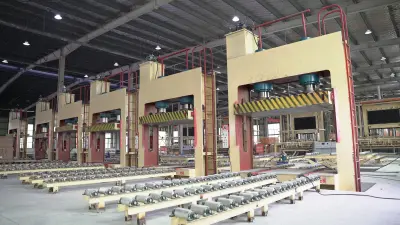
أ آلة الضغط البارد الهيدروليكية هي مكبس ميكانيكي ينطبق ضغط موحد للقشرة الملصقة أو الشرائح أو الخشب الرقائقي متعدد الطبقات بدون تسخين. الغرض الرئيسي منه هو قم بتثبيت الطبقات وإزالة فقاعات الهواء ومحاذاة المواد قبل مرحلة الضغط الساخن.
- يوفر التصاق متسق والتسطيح السطحي
- يعمل كفاءة الطاقة, ، حيث لا يتم استخدام الحرارة
- مناسب ل الخشب الرقائقي، والصفائح، وMDF، والألواح الزخرفية
دور في الإنتاج على نطاق واسع
تعتبر آلات الضغط البارد الهيدروليكية ذات قيمة خاصة للمصانع التي تنتج آلاف الألواح يوميًا. وتشمل الفوائد الرئيسية ما يلي
- التشغيل المستمر لإنتاجية عالية
- تحسن محاذاة الطبقة وتقليل العيوب
- انخفاض الاعتماد على العمالة بسبب تكامل الأتمتة
المكونات الرئيسية لآلة الضغط البارد الهيدروليكي
الإطار والتصميم الهيكلي
- إطار فولاذي ملحوم: يضمن الاستقرار والدقة تحت الضغط العالي
- أبعاد الشعاع: العوارض العلوية والسفلية 900 ملم؛ شعاع الأوسط 400 ملم
- التخطيط السطحي: جميع الأسطح مُصممة بدقة لضمان التسطيح
- سعة التحميل: يمكن لطرازات 400T الضغط مسبقًا على الألواح الكبيرة بكفاءة
النظام الهيدروليكي
- الاسطوانات الرئيسية: الفولاذ المصبوب، مكبس من السبائك، مقاوم للتآكل، مقاوم للخدش
- الضغط المقدر: ما يصل إلى 26 ميجا باسكال
- الصمامات الهيدروليكية: خالية من التلوث، ويمكن التحكم فيها بدقة
- نظام المضخة: مضخات سريعة وعالية الضغط تعمل بمحركات موفرة للطاقة
نظام التحكم
- تلقائي بالكامل عبر PLC وواجهة تعمل باللمس
- مراقبة الضغط في الوقت الحقيقي وتتبع الدورة
- معلمات قابلة للتعديل لسماكات وأنواع مختلفة من اللوحة
أنظمة التحميل والتفريغ
- فتحات ألواح متوافقة مع الرافعة الشوكية لسهولة وضع اللوحة
- رفع الألواح تلقائيًا وإزالة الألواح لسير العمل المستمر
سير عمل آلة الضغط البارد الهيدروليكي
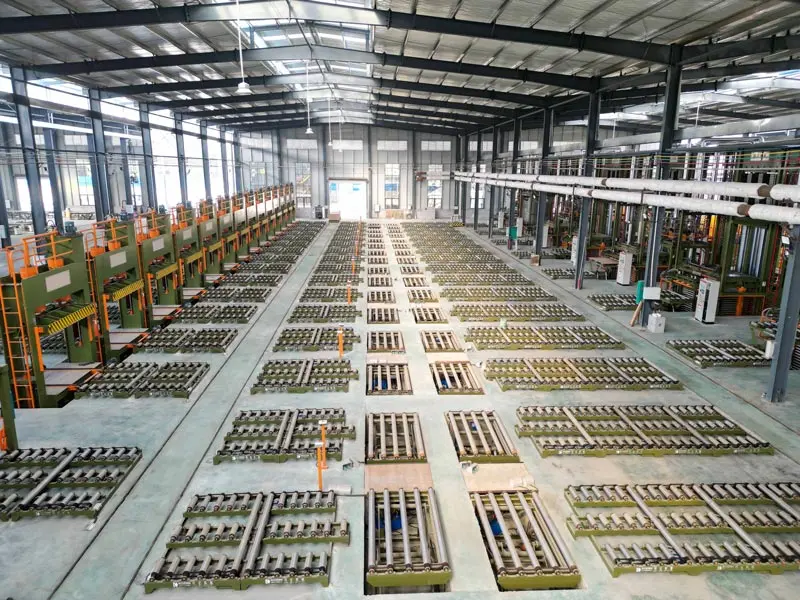
الخطوة 1: تطبيق الغراء
يتم طلاء القشرة باستخدام أ موزع الغراء لضمان توزيع المادة اللاصقة بشكل متساوٍ. يمكن أن يؤدي تطبيق الغراء غير المتساوي إلى ضعف الترابط وعيوب في اللوحة النهائية.
الخطوة 2: تجميع القشرة
يتم تكديس القشرة الملصقة إما يدويًا أو تلقائيًا في سمك اللوحة المطلوب. يقلل التراص الدقيق من مخاطر اختلال المحاذاة.
الخطوة 3: تحميل اللوحة
يتم وضع اللوحة المكدسة على منصة الضغط باستخدام نظام الرفع الهيدروليكي أو الناقل الميكانيكي.
الخطوة 4: عملية الضغط
يقوم النظام الهيدروليكي بخفض اللوح العلوي لتطبيق ضغط موحد عادةً 1-5 ميجا باسكال, ، اعتمادا على نوع المادة وسمكها.
الخطوة 5: عقد الوقت
يتم عقد اللوحات ل 3-10 دقائق لضبط الغراء وتثبيت الطبقات جزئيًا.
الخطوة 6: إطلاق الصوانى
يرتفع اللوح العلوي تلقائيًا بمجرد اكتمال وقت الانتظار، مما يؤدي إلى إعداد الألواح للإزالة.
الخطوة 7: تفريغ اللوحة
يتم نقل الألواح المضغوطة مسبقًا إلى مرحلة الضغط الساخن للمعالجة النهائية.
الخطوة 8: استمرار الدورة
يتم تحميل الدفعة التالية من القشرة، مما يسمح بذلك التشغيل المستمر وإنتاجية عالية.
| خطوة | وصف | الضغط (ميغا باسكال) | المدة (دقائق) |
|---|---|---|---|
| تطبيق الغراء | القشرة مغلفة بمادة لاصقة | – | 0.5 1 |
| تجميع القشرة | تكديس الطبقة | – | 1 (2 |
| تحميل اللوحة | مكان على منصة الصحافة | – | 0.5 |
| الضغط | تطبيق الضغط الهيدروليكي الموحد | 1 5 | 3 (10) |
| الافراج عن الصوانى | يرتفع الصفيحة العلوية | – | 0.5 |
| تفريغ اللوحة | نقل إلى الصحافة الساخنة | – | 0.5 |
مزايا آلات الضغط البارد الهيدروليكية
كفاءة الطاقة
- لا حاجة للحرارة يقلل من استهلاك الكهرباء ما يصل إلى 50%
- يقلل من تكاليف تشغيل المصنع
الترابط القوي والموحد
- يتم توزيع الضغط الهيدروليكي بالتساوي عبر اللوحة
- يقلل من العيوب مثل الجيوب الهوائية والفقاعات وعدم المحاذاة
سهولة التشغيل والصيانة
- تعمل الأنظمة التي يتم التحكم فيها بواسطة PLC على تبسيط التشغيل
- تتطلب المكونات الهيدروليكية المتينة الحد الأدنى من الصيانة
- يؤدي استكشاف الأخطاء وإصلاحها بسرعة إلى تقليل وقت التوقف عن العمل
قابلية التوسع للإنتاج على نطاق واسع
- إمكانية الضغط على لوحات متعددة
- يدعم سير العمل المستمر المصانع ذات الحجم الكبير
آلة الضغط البارد الهيدروليكية مقابل آلات الضغط الساخن
| ميزة | آلة الضغط البارد الهيدروليكية | آلة الضغط الساخن |
|---|---|---|
| استخدام الطاقة | منخفضة، لا حاجة للحرارة | عالية، تستخدم ألواح ساخنة |
| جودة الالتصاق | قوية وموحدة | قوي ولكن خطر ارتفاع درجة حرارة الطبقات الرقيقة |
| دور ما قبل الصحافة | ضروري لتحقيق الاستقرار | اختياري للضغط المسبق |
| صيانة | قليل | أعلى بسبب عناصر التسخين |
| مرونة الإنتاج | يدعم لوحات كبيرة ومتعددة الطبقات | محدودة بدورات التدفئة |
ملاحظة: لا غنى عن آلات الضغط البارد للضغط المسبق، بينما تعمل المكابس الساخنة على إنهاء عملية الربط. يضمن الجمع أقصى جودة للمنتج.
معايير الصناعة والامتثال
غالبًا ما تتوافق آلات الضغط البارد الهيدروليكية المخصصة للإنتاج على نطاق واسع مع ما يلي
- إن 314-2: معايير جودة ربط الخشب الرقائقي
- ISO 9001:2015: شهادة إدارة الجودة
- ايزو 14001:2015: الامتثال للإدارة البيئية
- شهادة CE: الامتثال للسلامة في الأسواق الدولية
يضمن اتباع هذه المعايير أن الشركات المصنعة يمكنها توفير اجتماعات اللوحات معايير الجودة العالمية.
تطبيقات العالم الحقيقي ودراسات الحالة
دراسة حالة 1 (مصنع شاندونغ الكبير للخشب الرقائقي
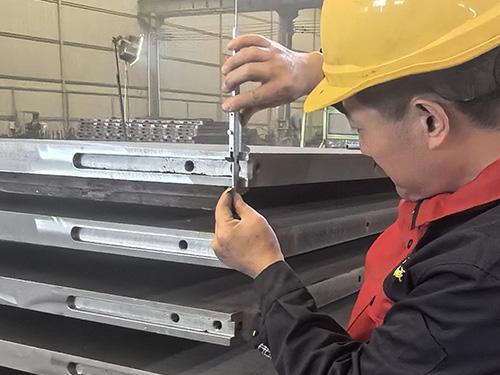
- مثبتة أ مكبس بارد من النوع السفلي 400 طن
- زاد الإنتاج بنسبة 30.35% يوميا
- العيوب خفضت بواسطة 25%, ، بما في ذلك اختلال المحاذاة وفقاعات الهواء
دراسة الحالة 2 ألواح زخرفية متعددة الطبقات
- مكبس بارد مستعمل للألواح ذات 10 طبقات
- يسمح بالتشغيل المستمر وطبقات القشرة المستقرة
- توفير الطاقة 18% لكل 1000 لوحة
دراسة الحالة 3 rec الأخبار الدولية انسايت
- أبرز تقرير الصناعة لعام 2024 ذلك الضغط الهيدروليكي المسبق يقلل من هدر الإنتاج بمقدار 15 بوصة 20%
- تعتمد شركات تصنيع الأثاث الأوروبية الكبرى الآن آلات الضغط البارد الهيدروليكي كممارسة قياسية
الصيانة وأفضل الممارسات
النظام الهيدروليكي
- التحقق من مستويات الزيت والضغط شهريا
- استبدل الأختام أو الخراطيم أو الصمامات البالية على الفور
الصوانى والإطار
- تنظيف بقايا لاصقة يوميا
- فحص أسطح الصوانى للتسطيح والخدوش
PLC وأجهزة الاستشعار
- تحديث البرامج الثابتة كل ثلاثة أشهر
- معايرة الضغط وأجهزة الاستشعار للحفاظ على الدقة
تدريب المشغل
- مشغلو القطارات في إجراءات التوقف في حالات الطوارئ
- ضمان بروتوكولات السلامة لعمليات الضغط العالي
الابتكارات واتجاهات الصناعة
- الضغط بمساعدة الذكاء الاصطناعي: يعمل تعديل الضغط التنبؤي على تحسين تجانس الترابط
- تكامل إنترنت الأشياء: تعمل المراقبة والتشخيص عن بعد على تحسين وقت التشغيل
- المواد المستدامة: متوافق مع MDF المعاد تدويره، وقشرة صديقة للبيئة
- توسيع الأتمتة: تكامل متعدد الخطوط لمصانع الخشب الرقائقي المؤتمتة بالكامل
مرجع الكتاب الأبيض: “التقدم في تكنولوجيا الضغط البارد الهيدروليكي لإنتاج الخشب الرقائقي”, ، IWMA، 2023 onze يسلط الضوء على عائد الاستثمار للمصانع المتوسطة عادة 12-18 شهرا, توفير الطاقة وتحسين الجودة.
اعتبارات السلامة
توقفات الطوارئ
- جميع الآلات مجهزة أزرار التوقف في حالات الطوارئ لسلامة المشغل.
سلامة الضغط
- تمنع صمامات أمان الضغط الهيدروليكي حوادث الضغط الزائد.
التدريب ومعدات الوقاية الشخصية
- يجب على المشغلين ارتداء القفازات والنظارات الواقية.
- تضمن برامج التدريب التعامل السليم مع آلات الضغط العالي.
الأثر البيئي والاستدامة
كفاءة الطاقة والبصمة الكربونية
آلات الضغط البارد الهيدروليكية هي صديق للبيئة, ، لأنها تعمل بدون عناصر تسخين. الضغط المسبق بدون حرارة يقلل بشكل كبير انبعاثات الكربون والاستهلاك الإجمالي للطاقة في خطوط إنتاج الألواح. بحسب تقرير 2022 الصادر عن منتدى استدامة المنتجات الخشبية, ، المصانع التي تعتمد المكابس الهيدروليكية الباردة منشار تخفيض 30.45% في استخدام الطاقة قبل الضغط, ، وهو ما يترجم إلى وفورات كبيرة في انبعاثات الغازات الدفيئة سنويا.
الحد من النفايات وتحسين المواد
من خلال ضمان التصاق موحد وإزالة جيوب الهواء أثناء الضغط المسبق، يتم تقليل المكابس الهيدروليكية الباردة هدر المواد. من غير المرجح أن تتفكك طبقات القشرة المثبتة مسبقًا أثناء الضغط الساخن، مما يؤدي إلى تحسين معدلات الإنتاج. لإنتاج الخشب الرقائقي متعدد الطبقات، يمكن أن يوفر ذلك ما يصل إلى 20% من المواد الخام سنويا.
إمكانية إعادة التدوير والتصميم الصديق للبيئة
يتم تصنيع العديد من آلات الضغط البارد الهيدروليكي باستخدام إطارات فولاذية عالية الجودة ومكونات معيارية, ، والتي يمكن إعادة تدويرها في نهاية دورة حياة المعدات. ويمكن أيضًا تصفية الزيت الهيدروليكي وإعادة استخدامه، مما يقلل من التأثير البيئي. المصنعون يعتمدون بشكل متزايد السوائل الهيدروليكية الصديقة للبيئة مع انخفاض السمية، مزيد من تحسين الامتثال للاستدامة.
اعتبارات الشراء لآلات الضغط البارد الهيدروليكي
القدرة الإنتاجية وحجم اللوحة
- تقييم الخاص بك حجم الإنتاج اليومي. تتراوح الآلات من مكابس صغيرة الحجم 100 طن إلى وحدات كبيرة 400 طن أو 600 طن.
- يعتبر أبعاد اللوحة: يجب أن يستوعب فتح ضوء النهار وحجم اللوح أكبر الألواح التي تنوي إنتاجها.
الضغط ووقت الدورة
- توفر آلات الضغط العالي التصاق أفضل ولكنها تتطلب أنظمة هيدروليكية أكثر قوة.
- يتراوح وقت الضغط النموذجي من من 3 إلى 10 دقائق; ؛ تعمل الدورات الأسرع على تحسين الإنتاجية ولكن يجب أن توازن جودة الالتصاق.
ميزات الأتمتة
- تعمل الآلات المؤتمتة بالكامل والتي يتم التحكم فيها بواسطة PLC على تقليل تكاليف العمالة وتحسين الدقة.
- ميزات مثل التحميل والتفريغ والتكديس التلقائي يمكن زيادة كفاءة الإنتاج بمقدار 25 بوصة35%.
الصيانة والدعم
- تحقق ل توافر قطع الغيار, ، صيانة المضخة الهيدروليكية، ودعم الخدمة المحلية.
- تعمل الآلات ذات المكونات المعيارية على تبسيط عملية الإصلاح وتقليل وقت التوقف عن العمل.
تحليل التكلفة والعائد
| اعتبار | تفاصيل | التأثير على عائد الاستثمار |
|---|---|---|
| تكلفة الآلة | يتراوح الاستثمار الأولي من $50،000 إلى $300،000 حسب السعة | يتم تحقيق عائد الاستثمار عادةً خلال 12 إلى 24 شهرًا للمصانع المتوسطة والكبيرة |
| توفير الطاقة | لا توجد حاجة للحرارة تقلل الكهرباء بما يصل إلى 50% | تخفيض كبير في التكاليف على مدى 5 سنوات |
| تخفيض العمالة | الأتمتة تقلل من احتياجات المشغل | 15 tor30% وفورات في التكاليف التشغيلية |
| التوفير المادي | تثبيت ما قبل الضغط يقلل من الخردة | 10.50% توفير تكاليف المواد الخام |
اتجاهات الصناعة والابتكارات
الذكاء الاصطناعي وتكامل التعلم الآلي
تتميز الآن بعض آلات الضغط البارد الهيدروليكية الحديثة الضغط بمساعدة الذكاء الاصطناعي, ، الذي يضبط الضغط بناءً على سمك اللوحة ونوع الغراء ومستويات الرطوبة. ينتج عن هذا جودة متسقة ويقلل العيوب.
مراقبة إنترنت الأشياء
تسمح المراقبة عن بعد من خلال إنترنت الأشياء للمديرين بذلك تتبع أداء الماكينة والضغط الهيدروليكي وأوقات الدورة ورموز الخطأ في الوقت الحقيقي. يعمل الاكتشاف المبكر للأخطاء على تقليل وقت التوقف عن العمل وإطالة عمر المعدات.
التكامل مع خطوط الإنتاج الرقمي
يتم دمج آلات الضغط البارد الهيدروليكية بشكل متزايد مع مغذيات القشرة الآلية، وأنظمة التراص الآلية، والمكابس الساخنة الذكية, تشكيل خطوط إنتاج الخشب الرقائقي المؤتمتة بالكامل والقادرة على ذلك عملية 24/7.
ممارسات الإنتاج المستدام
الطلب العالمي على الألواح الصديقة للبيئة آخذ في الارتفاع. دعم آلات الضغط البارد Mdf المعاد تدويره والصفائح البيئية, ، التوافق مع الشهادات مثل FSC (مجلس رعاية الغابات) و PEFC لمصادر الأخشاب المسؤولة.
تحليل التكلفة والعائد على الاستثمار (ROI)
الاستثمار في آلة الضغط البارد الهيدروليكي هو أ القرار الاستراتيجي لمصنعي اللوحات واسعة النطاق. تشمل الاعتبارات المالية الرئيسية ما يلي
- تكلفة الآلة الأولية: $50،000 ter$300،000 حسب الحجم والأتمتة
- توفير الطاقة: تقليل ما يصل إلى 50% في استخدام الطاقة قبل الضغط
- توفير العمالة: يمكن للأتمتة أن تقلل من احتياجات العمالة بمقدار 15 بوصة30%
- التوفير المادي: يؤدي تقليل هدر القشرة إلى تحسين الإنتاجية بمقدار 10 بوصة 20%
دراسة حالة عن عائد الاستثمار في مصنع للخشب الرقائقي المتوسط:
- تم تركيب آلة الضغط البارد الهيدروليكي 400T في عام 2023
- زاد الإنتاج اليومي بمقدار 35%
- توفير الطاقة السنوي: $30،000
- عائد الاستثمار الذي تم تحقيقه داخل 14 شهرا
التحديات والحلول المشتركة
توزيع الضغط غير المتساوي
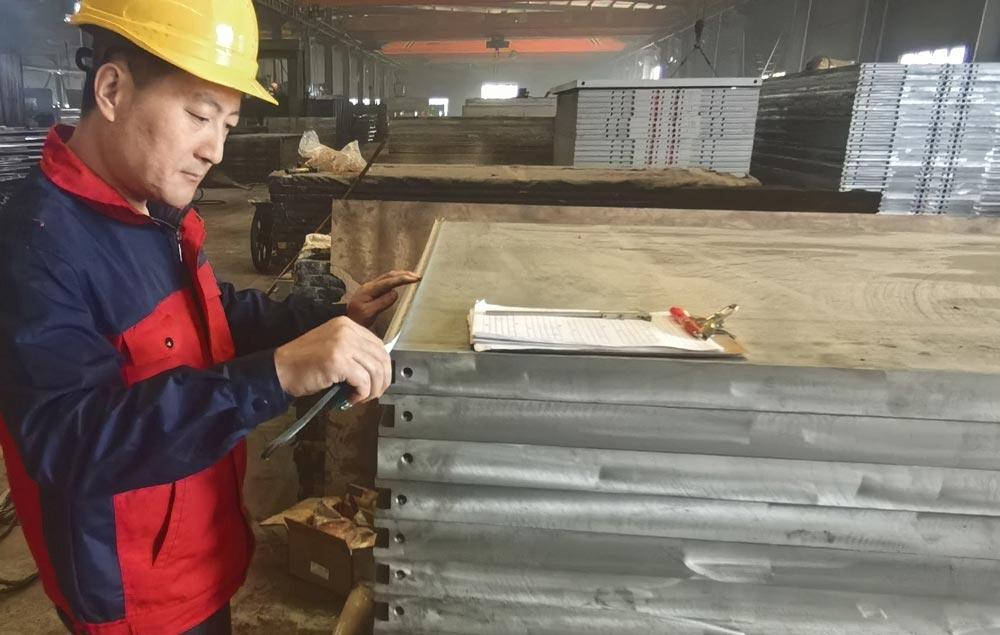
- سبب: الأختام الأسطوانية البالية أو اللوح المنحرف
- حل: تضمن الصيانة والمعايرة المنتظمة الضغط الهيدروليكي المتساوي عبر الألواح
قضايا إعداد اللاصق
- سبب: تطبيق غراء غير صحيح أو وقت احتجاز قصير جدًا
- حل: تأكد من نشر الغراء بشكل موحد وضبط وقت الضغط وفقًا لسمك اللوحة
الأعطال الميكانيكية
- سبب: المضخات الهيدروليكية المحملة بشكل زائد أو الصيانة المهملة
- حل: اتبع جدول الصيانة الخاص بالشركة المصنعة واستخدم زيتًا هيدروليكيًا عالي الجودة
أخطاء المشغل
- سبب: نقص التدريب على أنظمة الأتمتة
- حل: تنفيذ برامج تدريب المشغلين المنظمة
دراسات حالة من العالم الحقيقي
دراسة حالة 1 (مصنع شاندونغ الكبير للخشب الرقائقي
- مثبتة أ مكبس بارد هيدروليكي من النوع السفلي 400 طن
- زاد الإنتاج اليومي بنسبة 30.35%
- العيوب خفضت بواسطة 25%, ، بما في ذلك اختلال المحاذاة وفقاعات الهواء
- انخفض استهلاك الطاقة بمقدار 18%
دراسة الحالة 2 ألواح زخرفية متعددة الطبقات
- الضغط المسبق على ألواح مكونة من 10 طبقات يثبت القشرة قبل الضغط الساخن
- مسموح عملية مستمرة على مدار 24 ساعة
- توفير المواد تصل إلى 20%
دراسة الحالة 3 rec رؤية السوق الأوروبية
- اعتمد مصنعو الأثاث الأوروبيون مكابس التبريد الهيدروليكية للالتقاء معايير ISO 9001 وFSC
- تم الإبلاغ عن انخفاض في معدلات الخردة وتحسين جودة السطح للألواح المصفحة
خاتمة
بالنسبة لمصنعي الخشب الرقائقي والألواح على نطاق واسع، أ آلة الضغط البارد الهيدروليكية لا غنى عنه. وتشمل فوائده ما يلي:
- كفاءة الطاقة: الضغط المسبق بدون حرارة يقلل من استهلاك الكهرباء
- ترابط عالي الجودة: يضمن الضغط الموحد التصاقًا قويًا وأسطح ناعمة
- البساطة التشغيلية: تعمل الأنظمة التي يتم التحكم فيها بواسطة PLC على تقليل العمالة وتحسين سير العمل
- قابلية التوسع: مناسبة لإنتاج الألواح كبيرة الحجم ومتعددة الطبقات
- الاستدامة: يدعم المواد الصديقة للبيئة والمعاد تدويرها
ومن خلال دمج المكابس الهيدروليكية الباردة في خطوط الإنتاج، يمكن للمصنعين تحقيق ذلك كفاءة أعلى وتكاليف أقل وجودة منتج فائقة, ، البقاء قادرًا على المنافسة في سوق عالمية متطلبة.
المراجع:
- الورقة البيضاء لـ IWMA: التقدم في تكنولوجيا الضغط البارد الهيدروليكي، 2023
- معايير FSC وPEFC للمصادر المسؤولة للأخشاب
- EN 314-2 معايير جودة ربط الخشب الرقائقي
- إرشادات شهادة إدارة الجودة ISO 9001:2015
التعليمات
يستطيع آلات الضغط البارد الهيدروليكية التعامل مع الألواح الكبيرة؟
نعم، يمكن لآلات مثل طراز 400T معالجة اللوحات حتى فتحة في وضح النهار 1800 ملم, مثالية للإنتاج على نطاق واسع.
كم من الوقت يجب أن يستمر الضغط المسبق؟
عادة 3-10 دقائق اعتمادا على سمك اللوحة ونوع اللاصق.
هل المكابس الباردة موفرة للطاقة؟
نعم، لا حاجة للتدفئة يحفظ طاقة تصل إلى 50% في مراحل ما قبل الطباعة.
كيف تعمل المكابس الهيدروليكية الباردة على تحسين جودة اللوحة النهائية؟
إنها تعمل على تثبيت القشرة وتقليل فقاعات الهواء والتأكد من ذلك التصاق موحد, ، مما يؤدي إلى ألواح أكثر سلاسة وقوة.
ما هي الصيانة المطلوبة؟
تضمن الفحوصات الهيدروليكية المنتظمة وتنظيف اللوحة ومعايرة PLC الأداء على المدى الطويل.
كيف يمكن مقارنتها بالمكابس الساخنة؟
تعتبر المكابس الباردة ضرورية للضغط المسبق على الألواح متعددة الطبقات، بينما تعمل المكابس الساخنة على إنهاء عملية الربط. مجتمعة، فإنها تزيد من الكفاءة والجودة.
هل يمكن للأتمتة تقليل تكاليف العمالة؟
نعم، يمكن للمكابس الهيدروليكية الباردة المؤتمتة بالكامل تقليل عمل المشغل عن طريق 15 تش30%, ، تحسين كفاءة الإنتاج الشاملة.
 Arabic
  English
  Vietnamese