
أخبار
Maximizing Output with Hydraulic Hot Press for Plywood: A 2026 Guide
مرحباً بكم في مدونتي!
يسعدني جدًا وجودك هنا. قبل أن نتعمق في المحتوى، يسعدني التواصل معك عبر هذه الصفحة. أشارك بانتظام رؤىً حول الصناعة، وتحديثاتٍ حول المنتجات، ولحظاتٍ من وراء الكواليس على حساباتي على مواقع التواصل الاجتماعي، كما أنها منصةٌ رائعةٌ للتواصل!
تابعونا على الفيسبوك: شركة شاندونغ تشوانغشين لمعدات الأتمتة المحدودة
لننمو معًا ونبقى على تواصل. والآن، لننتقل إلى المدونة - آمل أن تجدوا محتواها غنيًا بالمعلومات، وجذابًا، وقيّمًا حقًا.
جدول المحتويات
الوجبات السريعة الرئيسية من هذه المقالة
- Learn why a hydraulic hot press for plywood is essential for modern plywood production.
- Explore technical specifications, operational benefits, and maintenance practices.
- Understand temperature, pressure, and automation control to maximize output.
- Compare hydraulic hot presses with traditional presses for efficiency and quality.
- Examine real-world case studies and industry-standard compliance.
- Review FAQs reflecting current Google user search habits and AI-assisted queries.
مقدمة
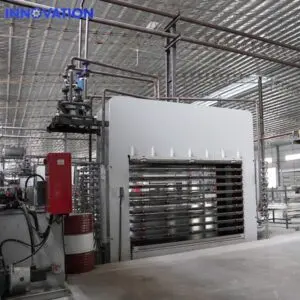
In 2026, the plywood manufacturing landscape has shifted dramatically. Rising demand for high-quality panels, sustainability concerns, and automation advancements have made conventional mechanical presses insufficient for competitive production. Modern plywood plants require machines that deliver consistent bonding, precise heat and pressure control, and high throughput, and that’s exactly where the hydraulic hot press for plywood comes into play.
Unlike traditional presses, hydraulic systems can apply uniform pressure across multiple platens, process thick and multi-layered boards, and integrate seamlessly with automated loading/unloading systems. The result? Increased productivity, better surface finish, stronger adhesive bonds, and significant labor savings.
Understanding the Hydraulic Hot Press for Plywood
What Is a Hydraulic Hot Press?
A hydraulic hot press uses pressurized hydraulic cylinders to apply force evenly across a heated platen, bonding veneer layers into plywood panels. Heat and pressure are controlled digitally through PLC systems, ensuring repeatable results with minimal defects.
Key Concepts:
- Platen Pressure Control – Ensures uniform bonding strength across large panels.
- Thermal Distribution – Maintains consistent temperature, preventing delamination.
- Automation Capabilities – PLC-controlled cycles reduce human error and optimize throughput.
المكونات الأساسية
نظام التدفئة: Modern presses support thermal oil, steam, or electric heating. Thermal oil systems are preferred in high-volume plants for stable temperature control and energy efficiency.
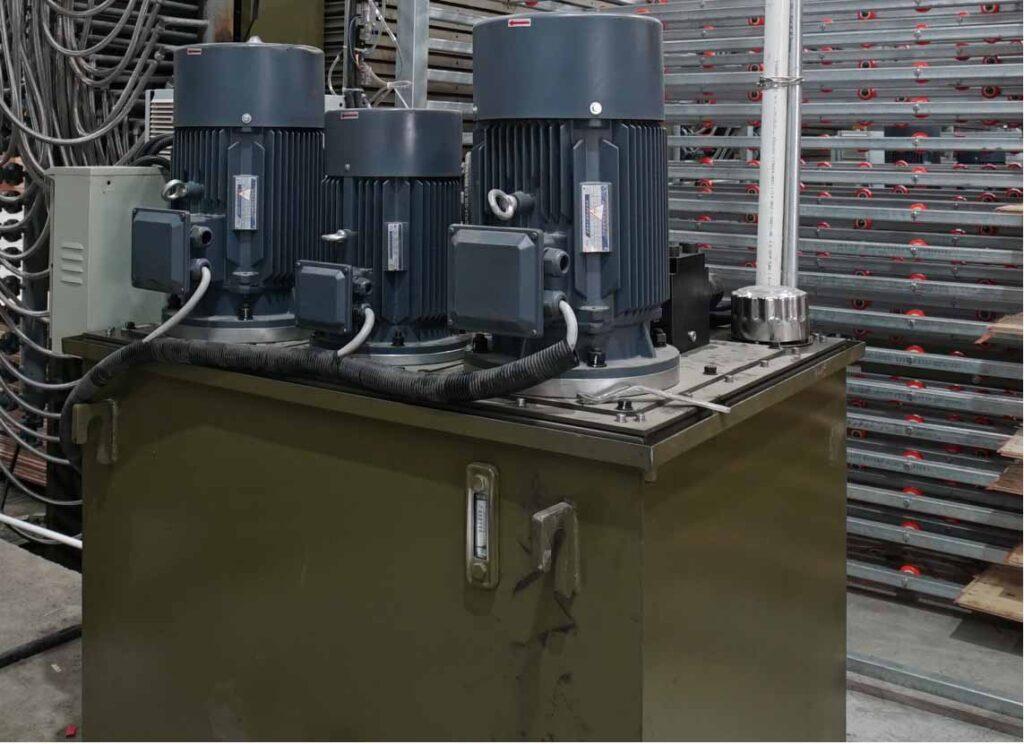
Hydraulic Cylinders: Cast steel cylinders with alloy plungers deliver precise force. A single industrial press may have 6–12 main cylinders, rated up to 26 ميجا باسكال, capable of pressing thick multi-layer panels.
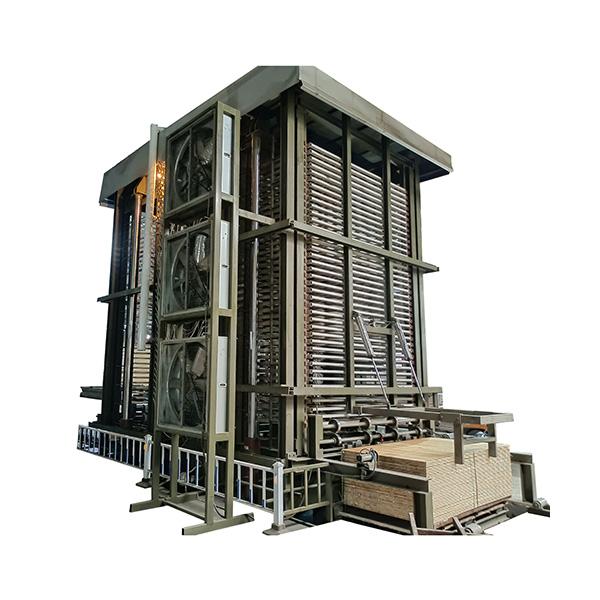
Platen Configuration: Multi-platen designs, such as 11 platens for 10-layer boards, allow simultaneous processing of multiple panels, reducing cycle times and improving efficiency.
نظام التحكم: PLC systems with multi-stage pressure reduction and moisture discharge regulate pressing parameters, ensuring each panel meets quality standards without manual intervention.
Technical Advantages

Consistent Quality and Adhesion
Hydraulic presses guarantee uniform pressure distribution. A comparative study by the Wood-Based Panel Research Institute (WBPRI, 2025) showed that hydraulic-pressed plywood had bonding strength up to 15% higher than mechanical presses, and surface smoothness improved by 12%.
كفاءة إنتاجية عالية
Hydraulic presses can handle multiple panels simultaneously. For example, an 11-platen 10-layer press can produce up to 110 panels per day under optimal conditions, compared with 60–70 panels on conventional mechanical presses.
كفاءة الطاقة والاستدامة
Hydraulic hot presses with thermal oil heating consume 20–30% less energy than equivalent mechanical presses. The absence of exhaust emissions and lower noise levels makes them environmentally friendly, aligning with modern industrial sustainability standards such as ISO 14001.
Industry Standards and Compliance
Hydraulic hot presses for plywood are expected to comply with multiple international standards to ensure safety, quality, and environmental responsibility:
- EN 315: Plywood bonding strength and dimensional stability.
- ISO 12466-1: Bond quality test for plywood.
- GB/T 9846 (China): Plywood pressing quality and process control.
- ISO 14001: Environmental management compliance for energy-efficient operations.
Compliance ensures that panels meet industry demands for furniture, construction, and flooring, while also guaranteeing worker safety and environmental protection.
Comparing Hydraulic and Mechanical Hot Presses
| ميزة | Hydraulic Hot Press | Mechanical Press |
|---|---|---|
| Pressure Uniformity | PLC-controlled, highly precise | Operator-dependent, inconsistent |
| Cycle Speed | Fast, multi-layer capable | Slower, one layer at a time |
| استهلاك الطاقة | 20–30% lower | Higher, mechanical losses |
| الأتمتة | PLC, conveyors, remote monitoring | Minimal automation |
| تشطيب السطح | Smooth, defect-free | Uneven surfaces common |
| صيانة | Regular hydraulic checks | Lower, but high wear on moving parts |
| أمان | Emergency stop, pressure sensors | Limited, operator-dependent |
The data illustrates why modern plywood plants prefer hydraulic presses for both high output and consistent quality.
Optimizing Output: Best Practices
Temperature Management
Maintaining proper platen temperature is critical. Recommended ranges by adhesive type:
- Urea Formaldehyde (UF): 110–120°C
- Phenol Formaldehyde (PF): 130–150°C
PLC systems allow dynamic adjustment to prevent overheating and under-curing.
Pressure Settings
Pressure should match panel thickness and adhesive type:
- 12–15 mm panels: 2.5–3.0 MPa per layer
- Thicker panels: Up to 4.0 MPa
Loading and Unloading
Automated systems reduce misalignment and labor. Conveyor-fed loading, combined with stacking robots, optimizes throughput and ensures consistent quality.
Case Study: Shandong Chuangxin Automation Equipment
- Plant Location: Shandong, China
- Machine: 600T 11-Platen 10-Layer Hydraulic Hot Press
- Daily Output: 80–100 panels × 11 layers
- Defect Rate: <1%
- تخفيض العمالة: 25% vs mechanical press
- Energy Savings: 22% lower consumption compared to older models
This case demonstrates how high-quality hydraulic hot presses maximize efficiency and maintain consistent output.
Advanced Features in 2026 Machines
Remote Monitoring and IoT Integration
Modern presses support LAN and cloud-based monitoring, enabling operators to:
- Track temperature, pressure, and cycle completion in real time.
- Detect anomalies and prevent equipment downtime.
- Integrate with MES (Manufacturing Execution Systems) for production planning.
Reverse Energy Recovery
Some hydraulic presses convert excess hydraulic energy during platen release into electrical energy, improving overall energy efficiency by 5–7%.
Customizable Automation
Platen numbers, layer capacity, and heating methods can be tailored to production requirements, offering flexible solutions for plants with variable product lines.
Maintenance and Safety Guidelines
العناية بالنظام الهيدروليكي
- Change oil every 1,500–2,000 hours
- Inspect cylinders and valves for wear or leakage
- Clean filters and monitor pump performance
Safety Precautions
- Emergency stop and overload protection
- Thermal insulation on hot platens
- Operator training and protective equipment
Predictive Maintenance
- Use sensor-based monitoring to predict failures
- Schedule preventive maintenance to minimize downtime
- Reduce operational costs by 10–15% with smart maintenance
تطبيقات العالم الحقيقي

Hydraulic hot presses are widely used in:
- Furniture production: MDF and plywood panels for cabinets
- Flooring industry: High-density plywood for durable floors
- Construction-grade plywood: Panels that meet EN 314 bonding standards
- Veneer laminates: Multi-layer panels for decorative surfaces
In news reports from Wood Technology Daily (2025), leading plywood plants in Southeast Asia reported 20–25% increased output after retrofitting older mechanical presses with hydraulic hot presses.
Energy Consumption and Cost Analysis
| مواصفة | مكبس هيدروليكي | Mechanical Press |
|---|---|---|
| الطاقة المركبة | 29.5 كيلو واط × 4 | 35 kW × 4 |
| Energy Cost/Month | $1,800 | $2,400 |
| Cycle Time (10-layer panel) | 15–18 min | 25–30 min |
| متطلبات العمالة | 3 operators | 5 operators |
Hydraulic presses not only save energy but also reduce labor costs and cycle time significantly.
التعليمات
Q: How do I select the right press for my plant size?
A: Consider maximum panel size, number of layers per press, and daily production targets. Multi-platen presses are ideal for high-output plants.
Q: Can hydraulic presses handle exotic veneers?
A: Yes, adjustable pressure and heating prevent damage to softwoods, hardwoods, and composite layers.
Q: How often should maintenance be performed?
A: Every 1,500–2,000 hours, including oil changes, cylinder inspection, and valve checks.
Q: Are there energy-efficient heating options?
A: Thermal oil and electric heating systems reduce energy use while maintaining consistent heat distribution.
Q: What is the expected lifespan of a hydraulic press?
A: With proper maintenance, presses can last 15–20 years, delivering reliable output for decades.
خاتمة
أ hydraulic hot press for plywood is critical for modern plywood plants aiming for high output, consistent quality, and operational efficiency. Combining automation, advanced hydraulic control, and flexible heating options, these presses outperform traditional mechanical systems. By adopting hydraulic hot presses, manufacturers can reduce labor, cut energy costs, and ensure environmentally responsible production, securing their competitive edge in 2026 and beyond.
Investing in a modern hydraulic hot press is an investment in quality, efficiency, and sustainability for any plywood manufacturer.
 Arabic
  English
  Vietnamese