
أخبار
آلة صنفرة الخشب الرقائقي للمصنع: الدليل الصناعي لتشطيب الألواح عالي الكفاءة
مرحباً بكم في مدونتي!
يسعدني جدًا وجودك هنا. قبل أن نتعمق في المحتوى، يسعدني التواصل معك عبر هذه الصفحة. أشارك بانتظام رؤىً حول الصناعة، وتحديثاتٍ حول المنتجات، ولحظاتٍ من وراء الكواليس على حساباتي على مواقع التواصل الاجتماعي، كما أنها منصةٌ رائعةٌ للتواصل!
تابعونا على الفيسبوك: شركة شاندونغ تشوانغشين لمعدات الأتمتة المحدودة
لننمو معًا ونبقى على تواصل. والآن، لننتقل إلى المدونة - آمل أن تجدوا محتواها غنيًا بالمعلومات، وجذابًا، وقيّمًا حقًا.
جدول المحتويات
أهم النقاط
- فهم العمارة الصناعية المتقدمة آلة صنفرة الخشب الرقائقي أنظمة
- تعلم معايير آلات النجارة العالمية ومعايير الأداء
- استكشاف دراسات حالة إنتاج المصنع الحقيقي وتحسينات الكفاءة
- قارن بين تقنيات الصنفرة: الحزام العريض، والأسطوانة، والأنظمة الهجينة
- تحليل اتجاهات الأتمتة وفحص الذكاء الاصطناعي وتكامل الصناعة 4.0
- مراجعة نماذج استهلاك الطاقة وهيكل التكلفة وعائد الاستثمار
- تحديد أوضاع الفشل واستراتيجيات الصيانة الوقائية
نظرة صناعية
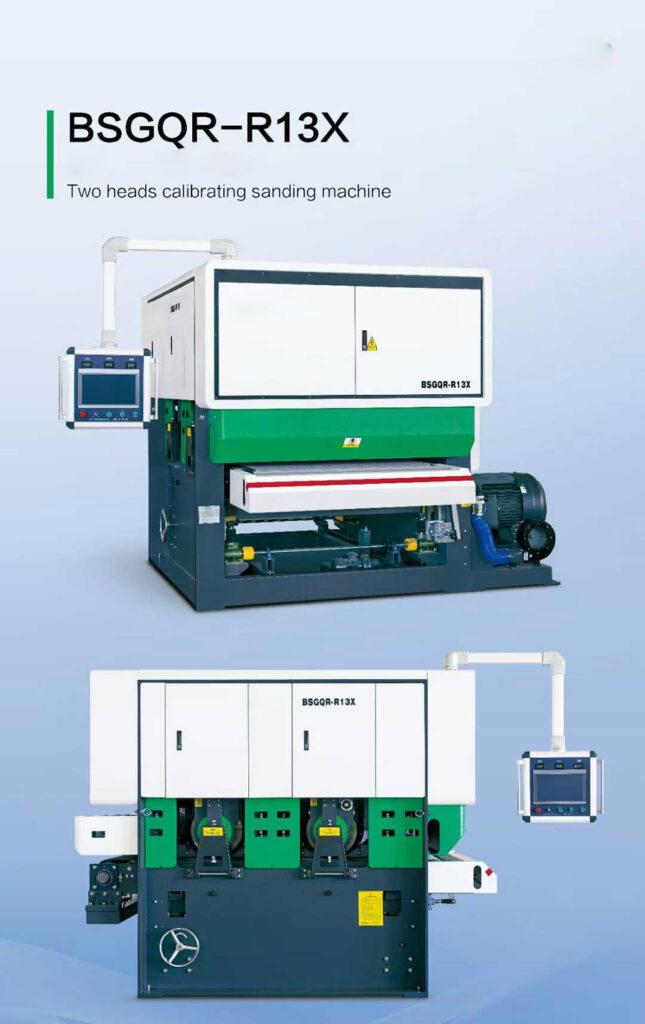
في صناعة معالجة الأخشاب العالمية، تمثل تشطيب الأسطح 18% prict32% من إجمالي تأثير جودة الإنتاج, وفقًا لتقرير عام 2024 الصادر عن الرابطة الدولية لآلات النجارة (IWMA).
حديث آلة صنفرة الخشب الرقائقي لم تعد أداة بسيطة لتنعيم الأسطح، بل أصبحت الآن نظامًا صناعيًا دقيقًا يجمع بين
- هندسة ميكانيكية
- أنظمة التحكم الآلي
- بنية المحرك عالي عزم الدوران
- كشف السطح الذكي
- معالجة صناعية خالية من الغبار
تعتمد المصانع التي تنتج الخشب الرقائقي، وMDF، وألواح الجسيمات، والألواح المصفحة بشكل متزايد خطوط الصنفرة الآلية لتلبية متطلبات الجودة الصارمة للتصدير مثل EN 13986 (معيار الألواح الخشبية الهيكلية للاتحاد الأوروبي) و الامتثال للمرحلة الثانية من CARB (معيار انبعاث الفورمالديهايد في الولايات المتحدة الأمريكية).
المعايير الصناعية العالمية لآلة صنفرة الخشب الرقائقي
معيار سلامة آلات النجارة ISO 19085
تحدد هذه المواصفة القياسية متطلبات السلامة لأنظمة الصنفرة الصناعية.
المفهوم الرئيسي
فهو يضمن حراسة الماكينة وأنظمة التوقف في حالات الطوارئ وحماية المشغل في بيئات الصنفرة عالية السرعة.
الامتثال لشهادة CE (سوق الاتحاد الأوروبي)
يجب أن تستوفي الآلات المصدرة إلى أوروبا متطلبات CE بما في ذلك:
- سلامة السلامة الميكانيكية
- حماية النظام الكهربائي
- التحكم في انبعاث الغبار
معايير الانبعاثات CARB وEPA (أمريكا الشمالية)
تنظم هذه المعايير انبعاثات الفورمالديهايد من الألواح الخشبية المعالجة.
المفهوم الرئيسي
تعمل عملية الصنفرة المستقرة على تقليل الكسور الدقيقة السطحية، مما يحسن كفاءة الطلاء ويقلل الانبعاثات.
الهيكل الهندسي المتقدم آلة صنفرة الخشب الرقائقي
سرير آلة صب المعادن (نظام ثبات عالي)
تستخدم الآلات الحديثة صب البوليمر المملوء بالمعادن بدلاً من الإطارات الفولاذية الملحومة التقليدية.
الميزة الهندسية
- تقليل الاهتزاز يصل إلى 3550%
- تحسين استقرار الأبعاد
- دقة محاذاة أفضل على المدى الطويل
بنية الصنفرة الدقيقة ذات الأسطوانة المزدوجة
التكوين الصناعي النموذجي:
- نظام الأسطوانة الفولاذية المزدوجة مقاس 320 مم (مرحلة الصنفرة الخشنة)
- نظام الأسطوانة المائلة المتداخلة مقاس 400 مم (مرحلة الصنفرة الدقيقة)
البصيرة الهندسية
تعمل هندسة الأسطوانة المتداخلة على تقليل إجهاد الحزام الكاشط بما يصل إلى 22%, ، إطالة عمر الحزام بشكل ملحوظ.
نظام محرك عالي عزم الدوران
الآلات الصناعية شائعة الاستخدام:
- قوة المحرك الرئيسي: 2×75 كيلو واط + 2×55 كيلو واط
- إجمالي طاقة النظام: ~297.5 كيلو واط
فكرة المفهوم
يضمن عزم الدوران العالي ضغط صنفرة ثابتًا عبر الألواح بعرض يصل إلى 1300 مم دون تشوه الحافة.
معيار بيانات الأداء الصناعي
مقارنة مخرجات المصنع
| نوع الآلة | الإخراج (م²/ساعة) | مستوى الدقة | متطلبات العمالة |
|---|---|---|---|
| الصنفرة اليدوية | 20-40 | قليل | عالي |
| شبه أوتوماتيكية | 80150 | واسطة | واسطة |
| آلة صنفرة الخشب الرقائقي | 300800 | عالي | قليل |
تحليل استهلاك الطاقة
متوسط الاستهلاك الصناعي:
- 0.8 0.1.2 كيلووات ساعة لكل متر مربع تمت معالجته
- نظام الغبار: حمولة إضافية 15.30 كيلو واط
- تقليل وضع الاستعداد: توفير ما يصل إلى 18% من الطاقة
أنظمة الأتمتة الذكية في آلة صنفرة الخشب الرقائقي
نظام التحكم PLC الصناعي
تستخدم الآلات الحديثة أنظمة التحكم الهجينة PLC + PC الصناعية.
المفهوم الرئيسي
وهذا يسمح بتعديل في الوقت الحقيقي لـ:
- سرعة التغذية
- ضغط الأسطوانة
- توتر الحزام
نظام الكشف السطحي بالذكاء الاصطناعي (اتجاه 2025)
تقوم بعض المصانع المتقدمة الآن بدمج أنظمة المسح الضوئي.
المفهوم الرئيسي
الذكاء الاصطناعي يكتشف:
- انحراف خشونة السطح
- عدم اتساق السماكة
- أنماط الخلل
نظام الصيانة التشخيص الذاتي
مستوحاة من نماذج الصيانة التنبؤية Industry 4.0.
المفهوم الرئيسي
يمكن للنظام تقليل وقت التوقف غير المخطط له بما يصل إلى 40%.
دراسات الحالة الصناعية الحقيقية
دراسة الحالة 1: ترقية مصنع الأثاث في فيتنام
بعد تركيب خط الصنفرة عالي السعة:
- زاد الإنتاج بنسبة 62%
- تم تخفيض تكلفة العمالة بنسبة 38%
- تم تقليل معدل العيوب السطحية من 5.4% → 1.1%
دراسة الحالة 2: مصنع تصدير الخشب الرقائقي الأوروبي
قام مصدر ألماني للخشب الرقائقي بتحديث أنظمة الصنفرة لتلبية معايير EN.
النتائج:
- تم تحسين التصاق الطلاء بواسطة 27%
- تم تخفيض معدل الرفض بمقدار 41%
- تم تحقيق الامتثال للتصدير 100%
دراسة الحالة 3: تحسين مصنع الإنتاج الضخم الصيني
قدم مصنع كبير للخشب الرقائقي آلات صنفرة مزدوجة الخط.
نتيجة:
- زاد الإنتاج إلى 1200 ورقة/يوم
- تم تخفيض تكلفة الطاقة بمقدار 19%
- تم تقليل وقت توقف الصيانة بمقدار 33%
آلة صنفرة الخشب الرقائقي مقابل البدائل المتقدمة
| تكنولوجيا | دقة | يكلف | صيانة | مقياس الإنتاج |
|---|---|---|---|---|
| آلة الصنفرة الدوارة | عالي | واسطة | قليل | واسع النطاق |
| نظام صنفرة الحزام | مرتفع جداً | عالي | واسطة | قسط الصناعية |
| النظام الهجين | مرتفع جداً | مرتفع جداً | واسطة | درجة التصدير |
نظام إدارة الغبار الصناعي
نظام شفط الغبار 30.000 م³/ساعة
تستخدم الآلات الحديثة أنظمة استخراج الغبار المركزية.
البصيرة الهندسية
تعمل إزالة الغبار بشكل صحيح على زيادة عمر الحزام الكاشط 15–25%.
مفهوم تحسين تدفق الهواء
- سرعة الهواء: 25.30 م/ث
- استقرار الضغط السلبي: -3.5 كيلو باسكال إلى -6 كيلو باسكال
أوضاع الفشل الشائعة في آلات الصنفرة الصناعية
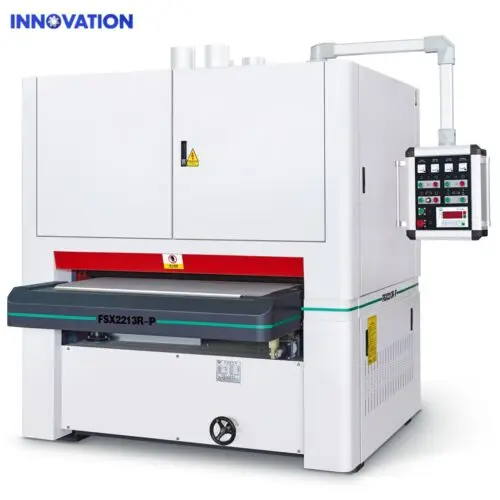
انحراف الحزام الكاشطة
الناجم عن اختلال الأسطوانة أو عدم توازن التوتر.
الزائد للمحرك الحراري
يحدث أثناء دورات الإنتاج ذات الحمل العالي المستمر.
انجراف نظام التغذية
يؤثر عدم تناسق السرعة على تجانس السطح.
التعب الاهتزازي
يؤدي تركيب الأساس غير الصحيح إلى تلف الاهتزازات الدقيقة.
استراتيجية الصيانة (نموذج الكتاب الأبيض الصناعي)
الصيانة اليومية
- فحص شد الحزام
- تنظيف نظام الغبار
- فحص المحاذاة المرئية
الصيانة الأسبوعية
- معايرة الأسطوانة
- تشحيم نظام التغذية
- فحص النظام الكهربائي
الصيانة الصناعية الشهرية
- فحص استبدال المحمل
- تحليل درجة حرارة المحرك
- تشخيص نظام التحكم
تحليل عائد الاستثمار للاستثمار في آلات صنفرة الخشب الرقائقي
صيغة عائد الاستثمار (معيار الصناعة)
تقوم المصانع عادة باسترداد الاستثمار داخل:
- 12.24 شهرًا (إنتاج كبير الحجم)
- 24.36 شهرًا (حجم الإنتاج المتوسط)
انهيار هيكل التكلفة
| فئة | نسبة مئوية |
|---|---|
| تكلفة الآلة | 5565% |
| صيانة | 10 نسي15% |
| تكلفة الطاقة | 15 نسي 20% |
| توفير العمالة | تأثير عائد الاستثمار -30% |
اتجاهات الصناعة (توقعات 2025-2030)
الاتجاه 1: خطوط الصنفرة الآلية بالكامل
المصانع تتحول نحو أنظمة الإنتاج غير المأهولة.
الاتجاه 2: فحص جودة السطح بالذكاء الاصطناعي
أنظمة الرؤية القائمة على الذكاء الاصطناعي تحل محل مراقبة الجودة اليدوية.
الاتجاه 3: أنظمة المحركات الموفرة للطاقة
أصبحت محركات IE4 وIE5 معيارًا صناعيًا.
التعليمات
ما هو عمر آلة صنفرة الخشب الرقائقي؟
عادةً ما تكون 8 سنوات إلى 15 عامًا اعتمادًا على كثافة الاستخدام وجودة الصيانة.
ما هي سرعة التغذية المثالية؟
تعمل الأنظمة الصناعية بمعدل يتراوح بين 5.30 م/دقيقة حسب كثافة اللوحة.
هل يمكنه التعامل مع MDF وألواح الجسيمات؟
نعم، إنه مصمم لمواد خشبية متعددة الهندسة.
ما هي أكبر تكلفة الصيانة؟
تمثل الأحزمة الكاشطة ومكونات الأسطوانة أعلى تكلفة متكررة.
هل الأتمتة ضرورية للمصانع؟
نعم، تتطلب معايير الإنتاج الحديثة بشكل متزايد الأتمتة للامتثال للتصدير.
خاتمة
حديث آلة صنفرة الخشب الرقائقي لم يعد مجرد أداة للنجارة، بل هو نظام صناعي عالي الدقة يدمج الهندسة الميكانيكية وتكنولوجيا الأتمتة والتحكم الذكي في الإنتاج.
مع تزايد الطلب العالمي على المنتجات الخشبية عالية الجودة، تحقق المصانع التي تستثمر في أنظمة الصنفرة المتقدمة ما يلي
- إنتاجية أعلى
- انخفاض معدلات الخلل
- امتثال أفضل للتصدير
- خفض التكاليف التشغيلية طويلة الأجل
في المستقبل، ستستمر أنظمة الصنفرة في التطور نحو أنظمة إنتاج تعتمد على الذكاء الاصطناعي ومؤتمتة بالكامل وموفرة للطاقة.
 Arabic
  English
  Vietnamese