
News
Choosing the Right Heat Press for Your Factory
Welcome to My Blog!
I’m so glad you’re here. Before we dive into the content, I’d love to connect with you beyond this page. On my social media, I regularly share industry insights, product updates, and behind-the-scenes moments — plus, it’s a great place for us to interact!
Follow us on Facebook: Shandong Chuangxin Automation Equipment Co., Ltd
Let’s grow together and stay connected. Now, let’s jump into the blog — I hope you find the content informative, engaging, and truly valuable.
Table of Contents
Key Takeaways for This Article
- Understanding industrial heat presses and their applications
- Key factors to consider when selecting a heat press for mass production
- Differences between single-layer, multi-layer, and high-pressure heat presses
- Cost, efficiency, and sustainability comparisons
- Industry standards and certifications for heat presses
- Tips for optimizing factory workflow with the right heat press
- FAQ addressing common concerns from manufacturers
Introduction
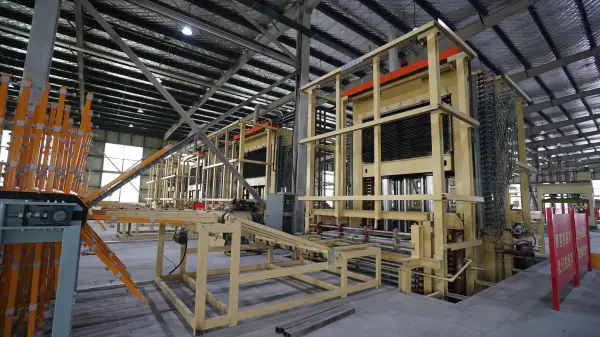
Selecting the right heat press is critical for factories aiming to improve productivity, product quality, and operational efficiency. Industrial heat presses apply controlled heat and pressure to bond materials such as wood panels, laminates, and composites. Choosing the right machine affects production speed, labor costs, and the durability of finished products.
In large-scale operations, the wrong heat press can lead to inconsistent bonding, surface defects, or excessive energy consumption. This guide helps factory managers, production engineers, and buyers understand the essential factors for selecting a high-performance, reliable heat press.
Understanding Industrial Heat Presses
What Are Heat Presses?
Industrial heat presses are machines designed to apply high temperature and pressure to materials for bonding, laminating, or compressing. They are widely used in:
- Plywood and veneer panel production
- Laminated flooring manufacturing
- Composite material fabrication
These machines ensure uniform adhesion, smooth surfaces, and consistent product quality across large production volumes.
Types of Heat Presses
- Single-Layer Presses: Press one panel at a time; suitable for smaller factories or custom orders.
- Multi-Layer Presses: Press multiple panels simultaneously; ideal for high-volume plywood production.
- High-Pressure Heat Presses: Apply stronger pressure for dense materials, improving bonding strength and durability.
Key Factors When Choosing a Heat Press
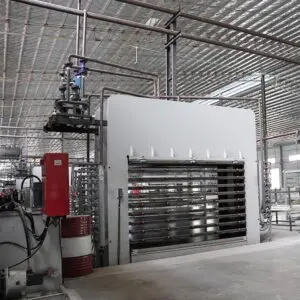
Production Capacity and Layer Count
The number of layers a heat press can handle determines throughput. Multi-layer presses can press 10–20+ panels at once, reducing cycle times.
Pressure and Temperature Control
Uniform pressure and accurate temperature control are critical for high-quality bonding. Look for machines with:
- Digital temperature sensors
- Hydraulic or mechanical pressure regulation
- Even heat distribution across all platens
Automation and Workflow Integration
Automated loading and unloading systems reduce labor intensity and increase efficiency. Factory managers should consider:
- PLC-controlled operation
- Integration with conveyors or stackers
- Safety mechanisms for operators
Durability and Maintenance
A robust frame and high-quality hydraulic components extend machine life and minimize downtime. Choose presses with:
- Welded or combined steel frames
- Wear-resistant cylinders and platens
- Easy access for maintenance
Comparing Heat Press Types
| Feature | Single-Layer Press | Multi-Layer Press | High-Pressure Press |
|---|---|---|---|
| Panels per Cycle | 1 | 10–20+ | 1–5 |
| Production Speed | Moderate | High | Moderate–High |
| Pressure Range | Up to 20 MPa | Up to 26 MPa | Up to 40 MPa |
| Best For | Custom orders | Large-scale plywood | Dense or laminated materials |
| Cost | Low–Moderate | High | High |
| Labor Required | Medium | Low | Medium |
Observation: Multi-layer presses are best for factories with large-scale operations, while high-pressure presses are essential for dense or composite boards. Single-layer presses suit small batch production or specialty projects.
Sustainability and Energy Efficiency
Reducing Energy Consumption
Modern heat presses optimize thermal oil or steam circulation to reduce energy usage while maintaining consistent heat.
Eco-Friendly Materials
Heat presses for laminated or composite panels allow the use of low-VOC adhesives and recycled wood products, reducing environmental impact.
Lifecycle and Durability
Investing in a durable heat press reduces waste from machine replacements and supports sustainable production practices.
Case Study: Multi-Layer Heat Press in Action
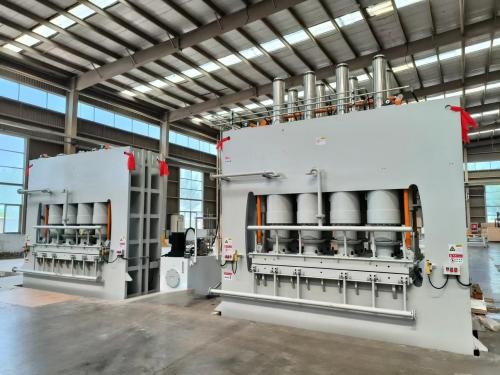
A furniture factory upgraded to a 500T 20-layer heat press to increase plywood production. Results included:
- 35% higher output per shift
- Uniform bonding quality across all layers
- Reduced manual handling, lowering labor costs by 20%
- Energy savings due to optimized thermal oil circulation
Practical Tips for Factory Implementation
Workflow Optimization
- Arrange panels and veneers near the press to minimize transport time
- Use stackers or conveyors for efficient loading/unloading
- Schedule regular maintenance to prevent downtime
Training and Safety
- Train operators on PLC control and emergency shutdown procedures
- Ensure safety guards and sensors are active
- Maintain clear SOPs for high-temperature operations
Cost vs Benefit Analysis
- Consider initial investment, energy consumption, labor savings, and product quality improvements
- Multi-layer presses often offer the best ROI for large-scale production
Conclusion
Choosing the right heat press for your factory is a strategic decision that directly affects production efficiency, product quality, and operational costs. Multi-layer and high-pressure presses provide consistent bonding, smooth surfaces, and faster throughput, while automation reduces labor and workflow errors.
Energy-efficient designs help lower operational costs, and compliance with standards like ISO 12460 and CARB Phase 2 ensures your products meet international regulations. Investing in the right heat press enhances long-term reliability, sustainability, and ROI, making it a cornerstone of modern industrial production.
A careful evaluation of production volume, material type, and factory layout will help you select a machine that balances performance, efficiency, and cost, ensuring your factory remains competitive and sustainable.
FAQ
How do I know which heat press suits my factory?
Assess your production volume, material types, and budget. Multi-layer presses suit high-volume plywood, while single-layer presses fit custom orders.
What maintenance is required for industrial heat presses?
Regular lubrication, hydraulic system checks, platen surface inspections, and PLC system updates are essential.
Can heat presses handle different board thicknesses?
Yes, adjustable hydraulic pressure and platen spacing allow processing of various thicknesses.
Are high-pressure presses better than multi-layer presses?
It depends on your material density. High-pressure presses are ideal for dense or laminated panels, while multi-layer presses maximize throughput for standard boards.
What energy efficiency options exist for heat presses?
Look for thermal oil or steam systems with optimized circulation, insulated platens, and digital controls to minimize energy consumption.
 English
  Vietnamese
  Arabic