
News
Compressed Plywood Solutions for High-Output Manufacturing
Introduction
In today’s high-output manufacturing environment, efficiency, durability, and sustainability are the new benchmarks for success. One material that consistently meets these standards is compressed plywood — an engineered wood product designed to deliver superior strength and stability.
If you’re a plywood manufacturer, furniture producer, or construction materials supplier, understanding how compressed plywood performs — and how to optimize its production — can directly impact your cost efficiency and output quality. In this post, we’ll explore the best applications, benefits, and production technologies behind compressed plywood, with a special focus on how advanced hydraulic press systems help you scale faster and smarter.
Welcome to My Blog!
Before we dive into the content, if you’re interested in our products or have any questions, please feel free to visit our Contact Us page on the website. Our team is ready to assist you with inquiries, orders, or any support you may need.
Now, let’s get started on our journey together. I hope you find the content here insightful, engaging, and valuable.

Key Topics We’ll Cover
Here are 10 of the most relevant and practical topics we’ll explore in depth:
- What is compressed plywood and how it’s made
- Key advantages over conventional plywood
- Role of hydraulic press machines in high-output manufacturing
- Selecting the right cold press and hot press equipment
- Moisture control and bonding in plywood production
- Quality parameters that define top-grade compressed plywood
- Applications in furniture, construction, and packaging
- Energy efficiency and waste reduction in production lines
- Maintenance and operational optimization
- Market trends and sustainability outlook
1. What Is Compressed Plywood?
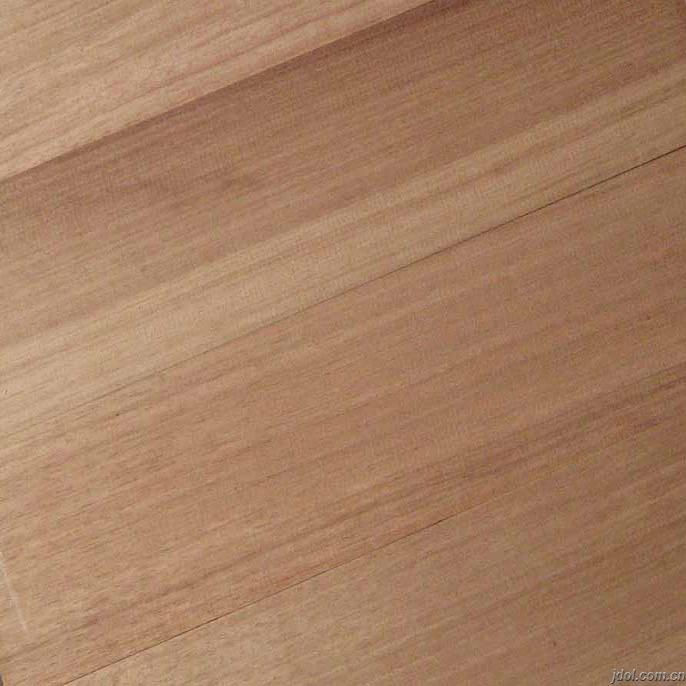
Compressed plywood is a high-density engineered board produced by pressing multiple veneer layers under heat and pressure. The compression process eliminates voids and ensures consistent bonding across layers.
Unlike standard plywood, compressed plywood features tighter fiber structure, higher mechanical strength, and improved dimensional stability — making it ideal for heavy-duty applications.
2. Key Advantages Over Conventional Plywood
- Higher Density: Typically 750–850 kg/m³ compared to 600–700 kg/m³ for standard plywood.
- Better Load Resistance: Suitable for flooring, furniture, and industrial fixtures.
- Improved Surface Finish: Uniform and smooth for lamination or coating.
- Extended Lifespan: Resistant to warping, moisture, and deformation.
- Eco-Efficiency: Lower material waste due to consistent sheet integrity.
3. The Role of Hydraulic Press Machines
At the heart of compressed plywood production lies the hydraulic press system — both cold press and hot press. These machines control the pressure, temperature, and cycle time to ensure stable bonding between veneer layers.
- Cold Press Machine: Used for pre-pressing after gluing to remove air pockets.
- Hot Press Machine: Applies high temperature and uniform pressure to cure adhesive and harden the sheet.
For high-output plants, modern presses integrate PLC automation, energy-saving hydraulic systems, and precision temperature control, dramatically improving throughput and quality consistency.
4. Choosing the Right Equipment
When scaling up production, selecting the correct machine capacity is crucial.
Below is a simplified comparison to guide you:
| Machine Type | Pressure Range (Ton) | Cycle Time (min) | Ideal Use | Output Level |
|---|---|---|---|---|
| Cold Press | 200–400 | 5–10 | Pre-pressing, air removal | Medium |
| Hot Press (Single Layer) | 500–600 | 6–8 | General plywood | Medium–High |
| Hot Press (Multi-Layer) | 600–800 | 4–6 | Compressed plywood, large-scale lines | High |
| Automatic Hydraulic Press | 800–1000+ | 3–5 | Continuous production | Ultra-High |
💡 Tip: For plants targeting daily output above 300 sheets, investing in an automatic or multi-layer hot press significantly improves cost per unit and reduces downtime.
5. Moisture Control and Adhesive Bonding
The durability of compressed plywood depends heavily on veneer moisture and adhesive quality. Maintaining moisture content between 8–12% ensures proper bonding under high pressure.
Advanced adhesive systems like phenol formaldehyde or melamine urea formaldehyde are ideal for structural and exterior-grade plywood, enhancing resistance to heat and humidity.
6. Quality Parameters for Premium Compressed Plywood
Top manufacturers focus on the following metrics to ensure consistent quality:
- Density: ≥750 kg/m³
- Moisture Content: 8–12%
- Bending Strength: ≥40 MPa
- Surface Smoothness: ≤0.2 mm variation
- Delamination Resistance: Passes 72-hour boiling test
These parameters not only affect mechanical performance but also define your product’s acceptance in export markets such as the Middle East, Africa, and Southeast Asia.
7. Industrial Applications
Compressed plywood’s versatility makes it suitable across multiple industries:
- Furniture manufacturing: Tabletops, cabinets, chairs, office furniture.
- Building materials: Wall panels, doors, flooring substrates.
- Packaging: Heavy-duty crates and pallets.
- Automotive interiors: Panels, flooring, and structural supports.
For clients looking for long-term reliability and uniform performance, compressed plywood consistently delivers.
8. Energy Efficiency and Waste Reduction
Modern production lines using automated hot press machines and optimized pressing cycles can reduce energy consumption by up to 25%.
Recycling veneer offcuts, reusing heat from exhaust systems, and adopting glue-mixing automation further minimize waste and improve the sustainability profile of your factory.
9. Maintenance and Operation Optimization
A well-maintained hydraulic press system is key to consistent output:
- Regularly inspect hydraulic oil and filters.
- Calibrate temperature sensors quarterly.
- Replace worn press plates to maintain even pressure.
- Use PLC logs to track and adjust pressing cycles.
These steps reduce downtime, extend machine life, and ensure every compressed plywood sheet meets the same high standard.
10. Market Trends and Sustainability
The global demand for engineered wood is growing due to green construction policies and cost efficiency. Compressed plywood’s durability and recyclability position it as a strong alternative to solid wood.
Manufacturers who integrate energy-efficient press systems and eco-friendly adhesives are gaining an edge in both domestic and export markets — especially in Asia-Pacific and the Middle East.
Conclusion
Compressed plywood is no longer just an alternative material — it’s the new standard for high-output, high-performance manufacturing. By pairing it with the right hydraulic press technology, you can scale efficiently, reduce waste, and deliver superior products to your customers.
If your business aims to stay competitive in a fast-evolving market, upgrading your plywood line with advanced compression systems isn’t just a smart choice — it’s a strategic one.
FAQ
Q1: What makes compressed plywood stronger than regular plywood?
The high-pressure, high-temperature pressing process increases density and eliminates internal voids, resulting in higher strength and stability.
Q2: Which press machine is best for compressed plywood?
A multi-layer hot press or fully automatic hydraulic press ensures even pressure and faster curing cycles, ideal for mass production.
Q3: How can I improve the bonding quality?
Control veneer moisture to 8–12% and use high-quality phenolic resin adhesives with precise temperature regulation during pressing.
Q4: Is compressed plywood suitable for outdoor use?
Yes, when produced with waterproof adhesives and treated veneers, it performs well in humid and exterior environments.
Q5: How do I make production more sustainable?
Use recycled veneer materials, energy-efficient hydraulic systems, and adhesive systems with lower formaldehyde emissions.
 English
  Vietnamese
  Arabic