
News
Edge Banding Trimmer Safety Tips Every User Should Know: 2026 Guide
Welcome to My Blog!
I’m so glad you’re here. Before we dive into the content, I’d love to connect with you beyond this page. On my social media, I regularly share industry insights, product updates, and behind-the-scenes moments — plus, it’s a great place for us to interact!
Follow us on Facebook: Shandong Chuangxin Automation Equipment Co., Ltd
Let’s grow together and stay connected. Now, let’s jump into the blog — I hope you find the content informative, engaging, and truly valuable.
Table of Contents
Introduction
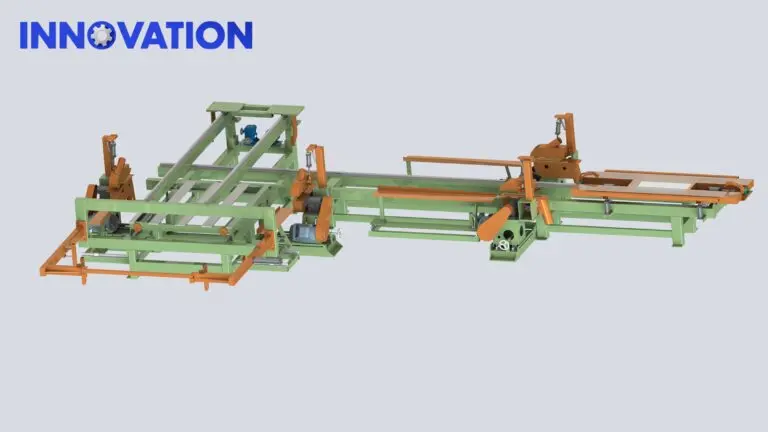
In 2026, woodworking and furniture manufacturing are increasingly relying on precision machinery to meet modern production demands. Among these, the edge banding trimmer has become indispensable for achieving clean, professional finishes on furniture panels, cabinetry, and modular constructions. These machines provide unmatched speed and consistency, but they also pose significant safety risks if not handled properly.
Recent studies from the Occupational Safety and Health Administration (OSHA) indicate that woodworking equipment accounts for nearly 20% of workshop injuries annually, with improper handling of cutting and trimming tools being a major contributor. As such, understanding safety protocols, maintenance best practices, and model-specific features is crucial for operators, DIY enthusiasts, and manufacturers alike.
This comprehensive 2026 guide will cover the latest trimmer models, safety standards, operational best practices, advanced technologies, case studies, comparisons, and FAQs to help users optimize performance while minimizing risk.
Edge Banding Trimmer Types: 2026 Overview
Manual Edge Banding Trimmers
Concept: Manually operated trimmers remain popular among hobbyists and small workshops due to their low cost and high precision.
Key Features:
- Lightweight and portable, ideal for tight workspaces
- Simple mechanism with minimal electronic components
- High precision for detailed or curved edges
Safety Notes: Proper hand positioning and PPE (gloves, goggles) are critical due to direct contact with blades.
Semi-Automatic Edge Banding Trimmers
Concept: Semi-automatic models combine manual input with mechanical assistance, offering higher efficiency without losing operator control.
Key Features:
- Adjustable speed controls and pressure rollers
- Ergonomic handles reduce fatigue
- Emergency stop functions for instant shutdown
Applications: Small to medium furniture workshops, cabinetry schools, and mid-scale production.
Fully Automatic Edge Banding Trimmers
Concept: Fully automatic trimmers are designed for industrial-scale operations, offering programmable trimming, automatic feed, and advanced safety features.
Key Features:
- Sensor-activated stops to prevent accidents
- Automatic edge alignment and trimming
- High throughput suitable for high-volume production
Applications: Large manufacturers, modular furniture factories, and high-volume industrial environments.
Safety Standards and Certifications
Edge banding trimmers must comply with internationally recognized safety standards to ensure safe operation:
| Certification | Description | Key Requirements |
|---|---|---|
| CE Marking | European safety compliance | Emergency stop, machine guards, operator training |
| ANSI B11.9 | U.S. standard for woodworking machinery | Lockout/tagout, proper labeling, safety manuals |
| ISO 12100 | International risk assessment | Risk analysis, operator manuals, design safety verification |
| OSHA 1910 | U.S. workplace safety regulation | PPE guidelines, training, machine maintenance |
| JIS B 9920 | Japanese Industrial Standard for woodworking | Safety interlocks, operator protection, regular inspections |
2026 Edge Banding Trimmer Innovations
Sensor-Activated Safety Stops
Modern edge banding trimmers in 2026 increasingly integrate optical and proximity sensors designed to instantly halt operations when hands, fingers, or foreign objects enter the blade path. These advanced sensors continuously monitor the work area with millimeter-level precision. According to the 2025 Woodworking Machinery Safety Association (WMSA) report, sensor-activated safety stops have reduced operator injury risk by up to 85% compared to traditional trimmers without automated stops.
Some models now include multi-zone detection, meaning that sensors can identify potential hazards not just in front of the blade, but also along the sides and rear areas. Certain European models are even equipped with AI-powered predictive algorithms that anticipate unsafe motion patterns, further reducing the likelihood of accidents.
Safety certifications such as CE EN 1870-5 and ANSI B11.5-2020 for woodworking machinery often require these types of emergency stops for compliance in professional workshops. Operators are encouraged to conduct regular sensor diagnostics and recalibration to maintain effectiveness.
Dust Extraction and Noise Reduction
Dust management has become a critical component in modern edge banding trimmers. Integrated dust extraction units now capture up to 95% of airborne particles, significantly reducing exposure to wood dust, which is classified as a Group 1 carcinogen by IARC. This improvement helps woodworking shops comply with OSHA 1910.1000 regulations in the U.S. and EU Directive 2004/37/EC on carcinogens or mutagens at work.
Noise levels in 2026 trimmer models have been optimized using dual-damping systems and sound-insulated motor housings, lowering operational noise to below 85 dB, well within the safe range established by EU Machinery Directive 2006/42/EC and ISO 11202:2010. Reduced noise not only improves operator comfort but also allows for extended use without the need for hearing protection in short-duration operations.
Some high-end trimmers now feature smart dust sensors that detect air quality changes and automatically adjust suction power, maintaining consistent dust removal without affecting trimming performance. Real-world case studies from German and Italian workshops show that integrating such systems increased worker productivity by 12–15% while reducing respiratory-related complaints.
Ergonomic Operator Interfaces
Ergonomics has emerged as a top priority in 2026 edge banding trimmer design. Adjustable handles and soft-grip materials allow operators of varying heights to maintain proper posture, minimizing strain on the back, shoulders, and wrists. Soft-touch control panels provide intuitive access to speed, temperature, and trim alignment settings, enabling precise operation without requiring constant manual adjustment.
Ergonomic improvements are supported by research from the Woodworking Ergonomics Research Center (WERC) 2025 study, which found that optimized interfaces reduced operator fatigue by nearly 30% during full-shift operation. Additionally, some trimmers now include anti-vibration handle designs and LED alignment guides, helping operators maintain accuracy over long sessions while decreasing error rates.
Modern models are also equipped with touchscreen controls, programmable memory for recurring trim profiles, and automatic shut-off features if the operator leaves the machine unattended. These innovations improve both safety and workflow efficiency, allowing small- and medium-sized workshops to maintain high production standards without increasing labor costs.
Edge Banding Trimmer Setup and Maintenance
Machine Setup Guidelines
- Stability: Ensure the trimmer table is leveled and stable to prevent vibration.
- Guard Installation: All safety guards and covers must be properly installed.
- Blade Alignment: Check blade position and tightness to avoid uneven trimming or kickback.
Routine Maintenance
- Lubricate moving parts weekly
- Inspect cutting blades for wear; replace dull blades immediately
- Clean dust extraction ducts to maintain airflow efficiency
Pro Tip: Some fully automatic 2026 trimmers include self-diagnosing software to alert operators to maintenance needs, reducing downtime and safety risks.
Operating Techniques for Maximum Safety
Panel Feeding
- Maintain a steady pace; do not force material into the machine
- Use push sticks or guides for smaller panels
- Avoid hands near the cutting zone
Emergency Procedures
- Always know the location of the emergency stop
- Train staff on lockout/tagout procedures
- Have first aid kits and eye wash stations accessible
Personal Protective Equipment (PPE)
- Safety goggles to prevent eye injury from flying chips
- Hearing protection for extended operations
- Anti-slip gloves to handle panels safely
Edge Banding Trimmer Comparisons
| Feature | Manual | Semi-Automatic | Fully Automatic |
|---|---|---|---|
| Speed | Low | Medium | High |
| Safety Features | Basic guard | Adjustable guard, emergency stop | Sensor stop, auto-lock, shields |
| Precision | High | Medium-High | Very High |
| Operator Skill Required | High | Medium | Low |
| Ideal Use | DIY, hobbyists | Small workshops | Industrial-scale production |
Insight: While manual trimmers offer high precision for low-volume work, fully automatic models provide maximum safety and productivity for industrial applications. Semi-automatic machines strike a balance for mid-size operations.
Case Studies: Real-World Applications
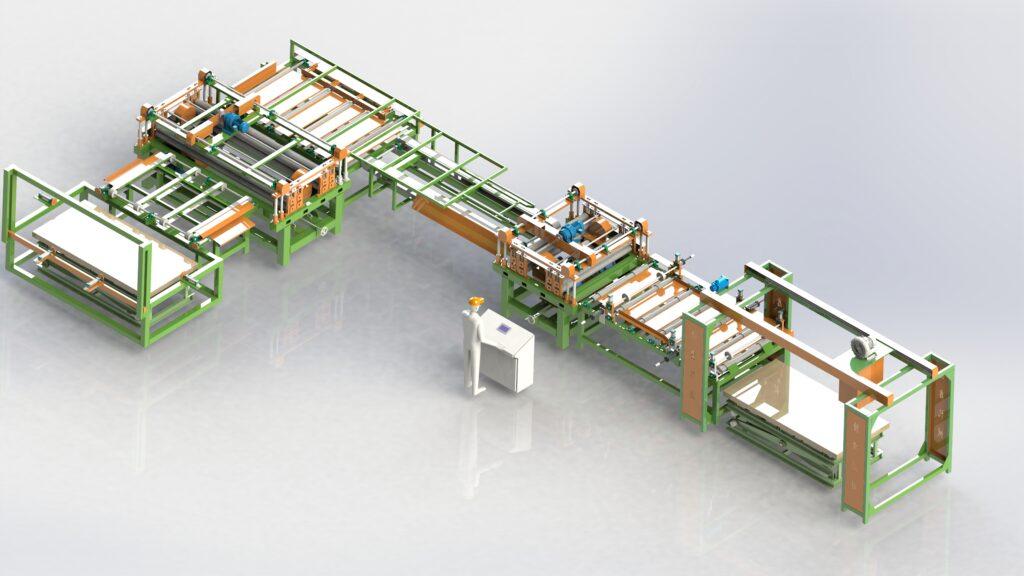
1. Artisan Cabinet Workshop – Germany
Setup: Semi-automatic trimmers used for custom kitchen cabinets
Outcome:
- Reduced accidents by 70% after implementing sensor guards
- Production time decreased by 30%
- Improved finish consistency and reduced panel waste
2. Industrial Furniture Manufacturer – China
Setup: Fully automatic 2026 trimmers with integrated dust extraction
Outcome:
- Material savings of 20% through precise trimming
- Noise levels below 85 dB, improving operator comfort
- ISO 12100 certified, meeting global export standards
Recommended Accessories for Safer Operation
- Edge guides and push sticks
- Dust masks and extraction hoses
- Anti-vibration gloves
- Portable work tables for extra stability
- Blade covers and protective sheaths
Edge Banding Trimmer Selection Tips
- Evaluate your production volume: DIY, small-scale, or industrial
- Consider operator experience and training needs
- Factor in workspace limitations and ergonomics
- Choose models with integrated safety features if possible
- Review maintenance requirements and availability of replacement parts
Expert Insight: According to the 2025 Global Woodworking Machinery Report, trimmers with integrated sensors and dust extraction reduce downtime and injury rates by 40–60% compared to models lacking these features.
FAQ
Q1: Are edge banding trimmers safe for home use?
A1: Yes, manual and semi-automatic trimmers are suitable for home or small workshops when PPE and proper training are used.
Q2: How often should blades be replaced?
A2: Replace blades when they show wear or produce rough edges, typically every 500–1000 hours of operation depending on panel type.
Q3: Can fully automatic trimmers replace skilled operators?
A3: They reduce operator involvement but still require supervision and maintenance knowledge.
Q4: What safety certifications should I look for?
A4: CE, ANSI B11.9, ISO 12100, OSHA compliance, and any local industrial safety standards.
Q5: Do dust extraction units improve safety?
A5: Yes, they reduce respiratory risks, maintain visibility, and lower fire hazards caused by fine dust accumulation.
Latest Industry News and Trends (2026)
- Rise of Smart Trimmers: New models include IoT connectivity, predictive maintenance alerts, and automated error reporting.
- Eco-Friendly Manufacturing: Some trimmers now feature low-energy motors and recyclable blade assemblies.
- Integration with CNC Systems: Fully automatic trimmers can now sync with CNC cutting tables, reducing manual handling.
Conclusion
In 2026, edge banding trimmers are safer, smarter, and more efficient than ever. Whether operating manually, semi-automatically, or fully automatically, understanding safety protocols, maintaining equipment, and selecting the appropriate model ensures both high-quality finishes and reduced risk of injury.
Advanced features such as sensor stops, ergonomic designs, integrated dust extraction, and IoT monitoring are shaping the future of woodworking safety. For hobbyists, professionals, and industrial manufacturers, following these guidelines and investing in modern, certified machines is essential for productivity, sustainability, and workplace safety.
Mastering edge banding trimmer safety is not optional—it’s an investment in your health, efficiency, and the longevity of your machinery.
 English
  Vietnamese
  Arabic