
News
Heat Press Machine Guide for Laminated Wood Boards
Table of Contents by Rank Math
- This guide explains how a heat press machine supports more predictable board quality.
- It covers core concepts, comparison points, buyer questions, and practical selection notes.
- Readers can compare simple and advanced choices before contacting a machinery supplier.
- The article includes a table, FAQ, internal resources, and one external reference for broader context.
Introduction
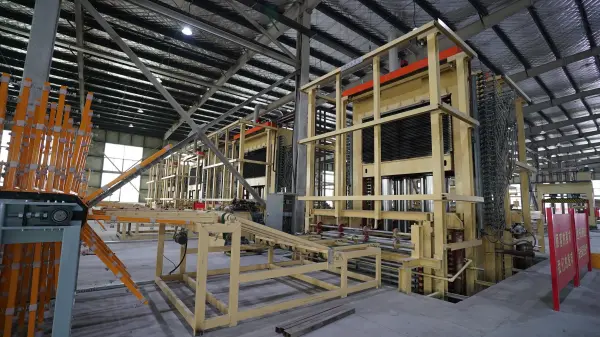
A heat press machine is part of the wider wood panel production system, and its value is usually measured by how clearly it solves a factory problem. Buyers often want equipment that improves output, reduces avoidable manual work, and keeps panel quality easier to control.
This article introduces the heat press machine from a practical purchasing angle. It uses simple concepts and short comparisons so a factory team can judge whether the machine fits its material, capacity, and finished board requirements.
What Is a heat press machine?
A heat press machine is equipment used to support one or more steps in plywood, veneer, laminated board, or furniture panel production. The exact role changes by model, but the core purpose is to make the process more consistent and easier to manage.
heat press machine Working Concept
The working concept starts with controlled material movement. When sheets, veneer, boards, or adhesive pass through a stable process, operators can reduce random errors and keep production closer to the target specification.
For many factories, the heat press machine is not only a machine but also a way to standardize work. It helps turn repeated manual judgment into a clearer production routine.
heat press machine and Factory Efficiency
Efficiency does not only mean higher speed. It also includes fewer stops, better use of raw material, and a lower chance that operators need to repair the same problem again later.
When the equipment is matched to the real production flow, a this equipment can support smoother planning from raw material preparation to final board handling.
Key Structures and Process Ideas for the machine
Material Feeding and Positioning
Feeding and positioning decide whether the material enters the machine in a stable way. Thin veneer, heavy panels, or coated boards may all need different guide settings and support points.
Before choosing a the system, buyers should confirm the common material size, thickness range, and surface condition. These details often matter more than a simple maximum speed number.
Pressure, Heat, Glue, or Cutting Control
Different machines control different process variables. Some focus on pressure and heating, some on glue application, and others on cutting, trimming, turning, or surface finishing.
The best this production equipment should make the important variable easier to repeat. That is why clear adjustment, stable components, and practical operator access are valuable.
Concept: Repeatability
Repeatability means the same input can produce a similar result again and again. It is important because panel factories usually need steady output rather than one perfect sample.
Concept: Line Matching
Line matching means the machine fits the speed and layout of nearby equipment. A fast machine can still create bottlenecks if feeding, stacking, or transfer is not planned.
the selected model Comparison Table for Buyers
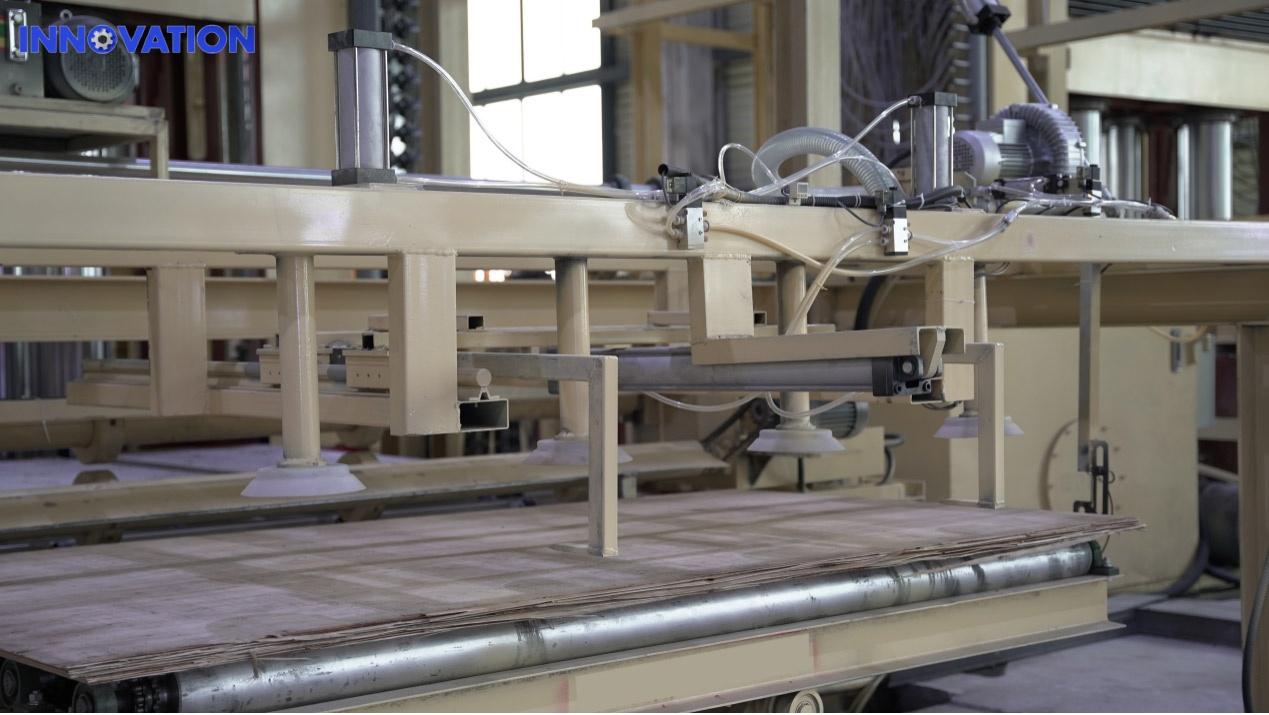
The table below helps readers compare a this setup with simpler or more advanced choices. It is designed for practical factory discussions rather than only technical specifications.
| Comparison Point | Basic Option | Advanced Option | Buyer Note |
|---|---|---|---|
| Production volume | Suitable for small batches | Better for continuous factory output | Match the this equipment to daily capacity |
| Control method | Manual settings and operator checks | More automatic adjustment and repeatability | Automation helps when material changes often |
| Panel quality goal | Acceptable for general board use | Useful for tighter surface and bonding standards | Choose based on final product grade |
| Maintenance access | Simple structure and easy checks | More parts but stronger process control | Ask about spare parts and service support |
How to Choose a the machine for Real Production
What capacity should a the system match?
The machine should match daily production rather than only peak demand. If the selected model is too small, it becomes a bottleneck; if it is too large, investment and space may be wasted.
Buyers can compare the planned material sorting, glue control, pressure setting, transfer, and inspection. This makes it easier to see whether the this production equipment belongs in the main line or as auxiliary equipment.
Which material details affect the selected model performance?
Material thickness, moisture level, surface flatness, glue type, panel size, and edge condition can all influence performance. A good supplier should ask these questions before recommending a configuration.
For related equipment planning, readers can review 7 Powerful Glue Spreader Techniques for Woodworking and compare how it connects with the target process.
What questions do buyers ask before ordering?
Common questions include: How much space does the machine need? How many workers are required? What board size can it handle? How often should wearing parts be checked?
If the project involves a complete line, the Products page is useful for understanding surrounding equipment. Buyers can also use the Contact us page to share capacity and material details.
Practical Search Questions About this setup
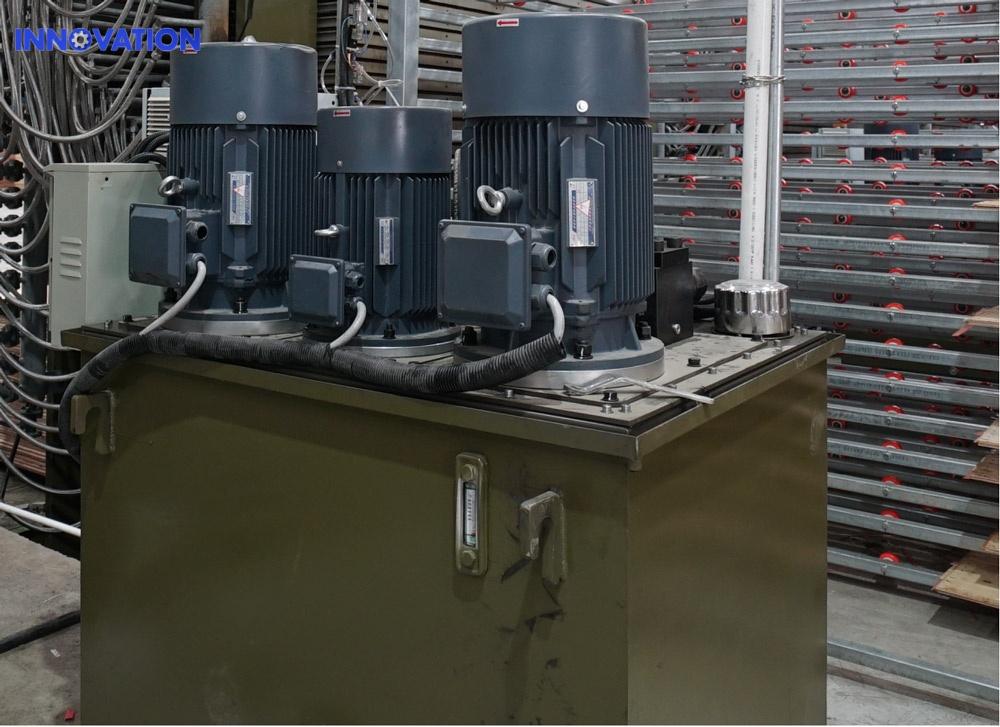
Is a this equipment worth buying for a small plywood factory?
It can be worth buying if the machine solves a clear pain point such as slow manual work, unstable quality, high material loss, or difficult handling. For very small batches, a simpler machine may be enough.
How do I compare two the machine quotations?
Compare more than price. Check capacity, material range, machine structure, electrical parts, service support, spare parts, and whether the supplier understands your real production process.
What information should I send to a the system supplier?
Send material size, thickness, target output, factory voltage, board type, photos of current production, and the problem you want to solve. Clear information usually leads to a better recommendation.
For broader wood panel material background, FAO wood-based panels guide offers a useful reference: FAO wood-based panels guide.
Practical heat press machine Evaluation Checklist
This short checklist helps buyers review the heat press machine before comparing quotations. It focuses on real production questions rather than only catalog specifications.
- Confirm whether the heat press machine matches the normal material size used in the factory.
- Check if the heat press machine can support the expected daily output without creating a bottleneck.
- Ask whether the heat press machine settings are easy for operators to adjust and repeat.
- Review how the heat press machine connects with nearby equipment in the production line.
- Compare the heat press machine maintenance points, spare parts, and supplier service response.
- Make sure the heat press machine supports the final board quality required by customers.
Conclusion
A this production equipment should be selected according to real factory conditions, not only a catalog picture. The best choice is the one that matches material, output, layout, labor, and the quality standard required by customers.
Before ordering, compare your current process with the expected improvement. A clear match between machine function and production problem is the safest starting point for a good investment.
FAQ
What is the main purpose of a the selected model?
The main purpose is to make a specific production step more consistent, efficient, and easier to control. In wood panel factories, that usually means better handling, bonding, pressing, trimming, or finishing.
Can a this setup improve final board quality?
Yes, if it is correctly matched to the material and process. Stable preparation and controlled operation often reduce defects that appear later in pressing, trimming, sanding, or lamination.
Does a this equipment need skilled operators?
Operators still need training, especially for settings, inspection, and maintenance. However, a well-designed machine can reduce dependence on manual judgment for repeated tasks.
How should I maintain a the machine?
Maintenance should include cleaning, lubrication, checking wearing parts, confirming sensors or guides, and keeping the working area free from glue, dust, and loose material.
 English
  Vietnamese
  Arabic