
News
High Efficiency Hydraulic Press Machines for Plywood Manufacturing
Welcome to My Blog!
I’m so glad you’re here. Before we dive into the content, I’d love to connect with you beyond this page. On my social media, I regularly share industry insights, product updates, and behind-the-scenes moments — plus, it’s a great place for us to interact!
Follow us on Facebook: Shandong Chuangxin Automation Equipment Co., Ltd
Let’s grow together and stay connected. Now, let’s jump into the blog — I hope you find the content informative, engaging, and truly valuable.
Table of Contents
Key Highlights of This Article
- Understand how hydraulic press machines improve plywood production efficiency
- Learn core working principles in simple technical terms
- Compare different press machine types for industrial use
- Explore key features that impact output quality and cost
- Review buying considerations for factory applications
- Find answers to common user questions about plywood pressing systems
Introduction
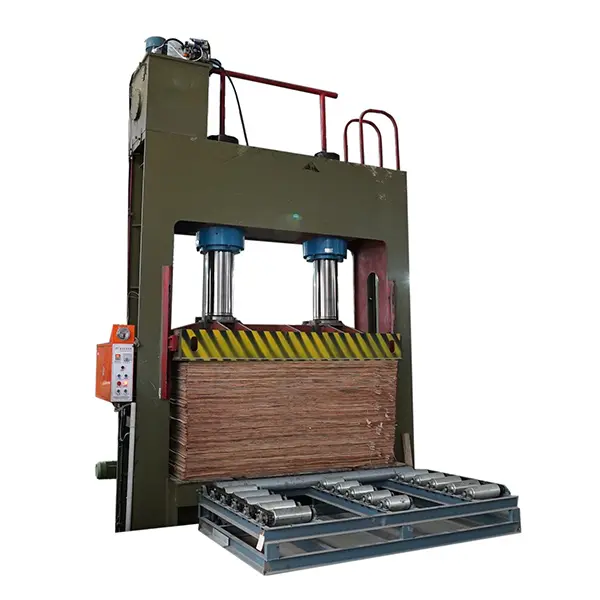
Hydraulic press machines play a critical role in modern plywood manufacturing by applying controlled pressure and heat to bond veneer layers into strong panels. These systems are widely used in wood-based panel industries due to their stability, precision, and scalability.
In industrial production environments, hydraulic press machines are not only about pressure generation but also about ensuring uniform thickness, structural integrity, and consistent surface quality.
Working Principle of Hydraulic Press Machines in Wood Processing
Pressure Transmission System
Hydraulic press machines operate using fluid-driven pressure systems that convert hydraulic energy into mechanical force. This allows even force distribution across large plywood sheets.
Heat and Pressure Combination
In plywood manufacturing, heat plates are integrated into the press system. This ensures resin curing while pressure bonds veneer layers tightly.
Controlled Automation Process
Modern hydraulic press machines are equipped with programmable controllers that regulate pressure, temperature, and timing for consistent production quality.
Types of Hydraulic Press Machines for Plywood Manufacturing
Multi-Layer Hydraulic Press Machines
These machines are designed for high-volume production lines. They allow multiple plywood layers to be pressed simultaneously, improving output efficiency.
Single Opening Hydraulic Press Machines
These systems are suitable for smaller factories or customized production needs. They provide higher flexibility but lower throughput.
Continuous Hydraulic Press Machines
Continuous systems are used in large industrial plants where uninterrupted production is required. They deliver maximum efficiency for mass manufacturing.
Key Features of High Efficiency Hydraulic Press Machines
Pressure Stability System
Stable pressure ensures uniform bonding of plywood layers. This reduces defects such as delamination or uneven thickness.
Temperature Control Accuracy
Precise temperature control is essential for resin activation. Poor temperature control can affect product durability.
Automation Level
Higher automation reduces manual labor and improves production consistency, especially in large-scale factories.
Energy Efficiency Design
Modern hydraulic press machines are designed to reduce energy consumption while maintaining high output performance.
Hydraulic Press Machines Comparison Table
| Feature | Multi-Layer Press | Single Opening Press | Continuous Press |
|---|---|---|---|
| Production Capacity | Very High | Low to Medium | Extremely High |
| Automation Level | High | Medium | Very High |
| Investment Cost | High | Low | Very High |
| Maintenance Requirement | Medium | Low | High |
| Best Application | Mass plywood factories | Small workshops | Industrial production lines |
Concept-Based Understanding of Hydraulic Press Machines
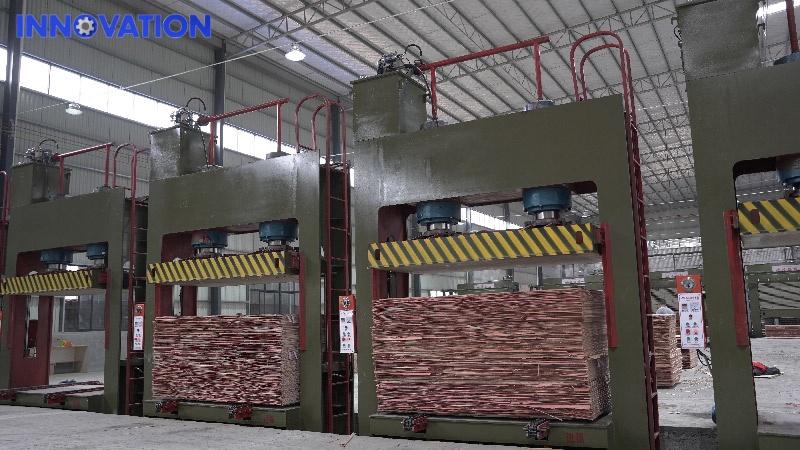
Pressure Uniformity Concept
Uniform pressure distribution ensures that every part of the plywood sheet receives equal force. This improves bonding strength and reduces product defects.
Cycle Time Efficiency Concept
Cycle time refers to how quickly one pressing operation is completed. Shorter cycles increase overall production output.
Structural Integrity Concept
Structural integrity ensures that plywood maintains strength under load. This is directly influenced by pressing force and temperature accuracy.
Hydraulic Press Machines vs Mechanical Press Machines
Hydraulic Press Machines
Hydraulic systems provide smooth, adjustable pressure and are ideal for precision plywood production.
Mechanical Press Machines
Mechanical systems rely on fixed motion and are generally faster but less flexible in pressure control.
Key Difference Summary
Hydraulic press machines are preferred in plywood manufacturing because they offer better control over pressure and temperature consistency.
Buying Guide for Hydraulic Press Machines
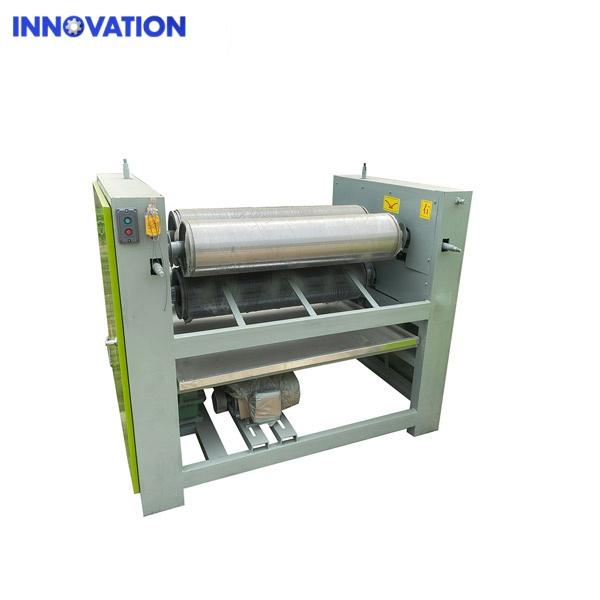
Production Requirement Analysis
Before selecting a machine, manufacturers should evaluate daily output targets and material thickness requirements.
Factory Space Consideration
Different hydraulic press machines require different installation spaces, especially multi-layer systems.
Automation Needs
Factories with higher labor costs benefit more from fully automated hydraulic press machines.
Maintenance and Spare Parts Availability
Choosing machines with accessible spare parts ensures long-term operational stability.
FAQ
What are hydraulic press machines used for in plywood production?
Hydraulic press machines are used to bond veneer layers under heat and pressure, forming strong and durable plywood panels.
How do hydraulic press machines improve efficiency?
They automate pressure control and reduce production cycle time, which increases overall output in manufacturing lines.
Which type of hydraulic press machine is best for large factories?
Multi-layer and continuous hydraulic press machines are best suited for high-volume industrial production.
What factors affect plywood quality in hydraulic press machines?
Pressure uniformity, temperature accuracy, and pressing time all directly impact plywood quality.
Are hydraulic press machines energy efficient?
Modern hydraulic press machines are designed with energy-saving systems that reduce power consumption while maintaining performance.
Conclusion
Hydraulic press machines are essential equipment in plywood manufacturing, offering precision, efficiency, and scalability. By selecting the right system type and focusing on key technical features such as pressure stability and automation level, manufacturers can significantly improve production performance and product quality.
Understanding the differences between machine types and evaluating factory requirements helps ensure a more cost-effective and productive investment decision.
 English
  Vietnamese
  Arabic