
News
Hot Press for Sheet Lamination Machine vs Cold Press Sheets
Welcome to My Blog!
I’m so glad you’re here. Before we dive into the content, I’d love to connect with you beyond this page. On my social media, I regularly share industry insights, product updates, and behind-the-scenes moments — plus, it’s a great place for us to interact!
Follow us on Facebook: Shandong Chuangxin Automation Equipment Co., Ltd
Let’s grow together and stay connected. Now, let’s jump into the blog — I hope you find the content informative, engaging, and truly valuable.
Table of Contents
Key Takeaways
- Clear comparison between hot press and cold press lamination methods
- How sheet lamination technology impacts product strength and durability
- Industrial applications in plywood, MDF, and laminated board production
- Working principles of modern hot press systems
- Cost, efficiency, and quality differences between both methods
- Practical selection guide for manufacturers and buyers
- Real-world use cases and production scenarios
- FAQ section answering common industry questions
Introduction
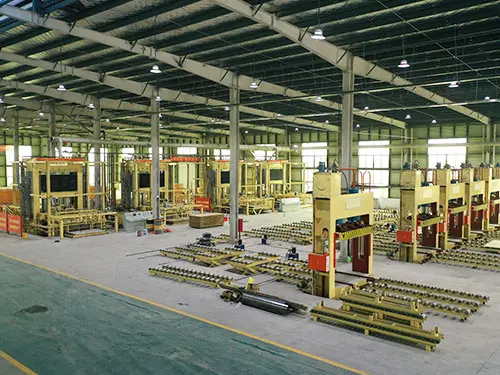
In modern wood-based panel production, lamination technology directly determines product strength, surface quality, and long-term durability. The debate between hot press and cold press methods is not just technical—it defines production efficiency, cost structure, and end-use performance.
Today, industries such as furniture manufacturing, construction materials, and engineered wood production heavily rely on hot press for sheet lamination machine systems to achieve high-density bonding and industrial-scale output.
Understanding the difference between hot press and cold press sheets helps manufacturers optimize production lines and select the right equipment for specific applications.
What is a Hot Press for Sheet Lamination Machine?
Core Working Principle
A hot press for sheet lamination machine uses controlled heat and hydraulic pressure to bond multiple layers of wood veneer, MDF, or composite sheets into a single solid structure.
Heat activates adhesive resins, while pressure ensures uniform bonding across the entire surface.
Industrial Role in Production Lines
This machine is widely used in:
- Plywood manufacturing
- MDF and particle board production
- Decorative laminated panels
- Flooring substrate manufacturing
Key Concept: Heat + Pressure Synergy
The combination of heat and pressure significantly accelerates curing time, allowing high-volume continuous production with stable quality output.
Understanding Cold Press Sheet Lamination
Low-Temperature Bonding Process
Cold pressing relies purely on mechanical pressure without heat. Adhesives cure naturally over time under compression.
Typical Applications
- Small-scale furniture workshops
- Pre-pressing before hot lamination
- Temporary bonding for shaping panels
Limitations of Cold Press
- Longer curing time
- Lower bonding strength
- Limited suitability for industrial-scale production
Hot Press vs Cold Press Sheets: Core Differences
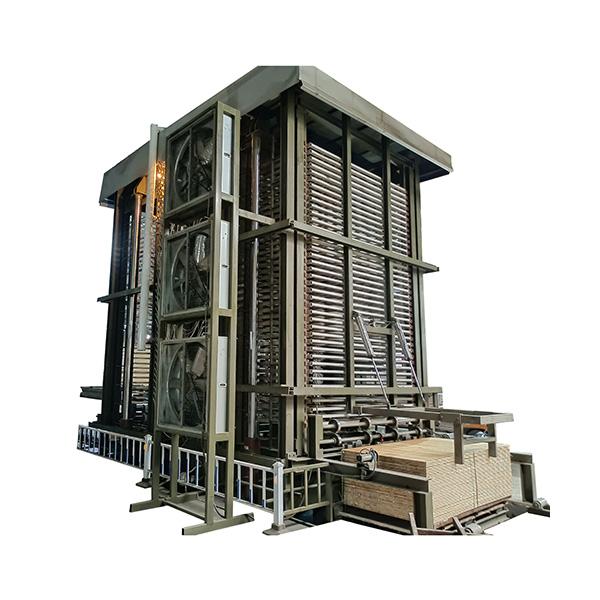
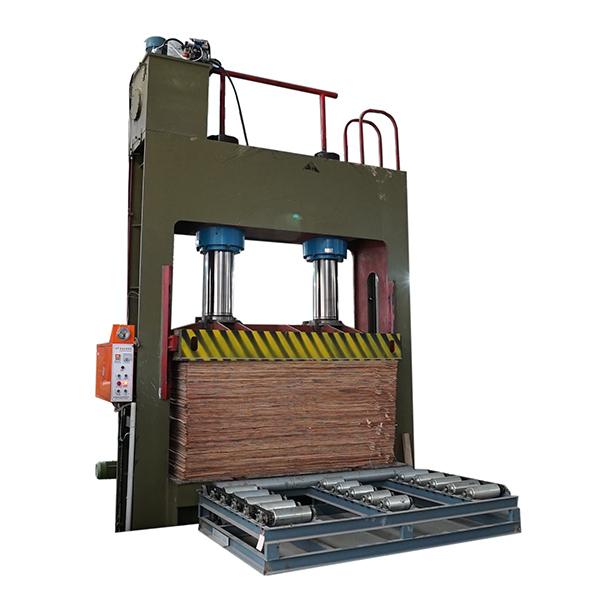
Performance Comparison Concept
The key distinction lies in energy input, production speed, and final material strength.
Table: Industrial Comparison Overview
| Feature | Hot Press Sheets | Cold Press Sheets |
|---|---|---|
| Bonding Speed | Fast (minutes) | Slow (hours to days) |
| Strength Level | High-density bonding | Medium bonding |
| Energy Use | High | Low |
| Production Scale | Industrial mass production | Small batch production |
| Adhesive Activation | Heat + pressure | Pressure only |
| Surface Quality | Smooth and stable | Less uniform |
How a Hot Press for Sheet Lamination Machine Works
Step 1: Material Preparation
Wood veneers or composite layers are dried and treated to optimal moisture levels (6–12%).
Step 2: Glue Application System
Automated rollers apply resin evenly across each layer, ensuring consistent adhesive distribution.
Step 3: Layer Stacking Process
Sheets are stacked in precise alignment to avoid internal stress and deformation.
Step 4: Hot Pressing Cycle
The hot press for sheet lamination machine applies:
- Temperature: 120°C – 200°C
- Pressure: 2 – 5 MPa
- Time: 3 – 15 minutes
Step 5: Cooling and Stabilization
Panels are cooled gradually to lock internal structure and prevent warping.
Key Technical Parameters of Hot Press Systems
Pressure Control System
Hydraulic systems ensure uniform pressure distribution across all layers.
Temperature Regulation
Multi-zone heating plates maintain consistent thermal balance.
PLC Automation Control
Modern systems include:
- Real-time pressure monitoring
- Digital temperature control
- Automatic cycle adjustment
Structural Stability Design
Heavy-duty steel frames reduce vibration and ensure long-term operational stability.
Advantages of Hot Press for Sheet Lamination Machine
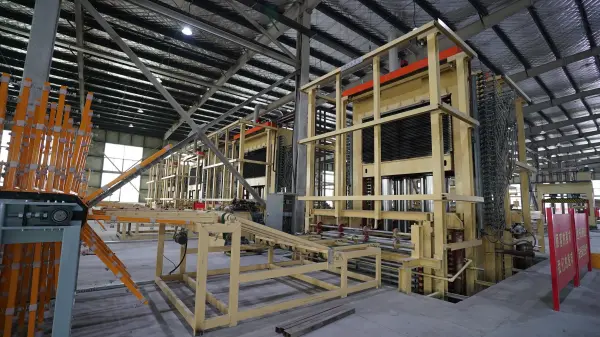
High Production Efficiency
Cycle times are significantly reduced compared to cold pressing systems.
Stronger Material Bonding
Heat activation improves resin penetration and adhesion strength.
Industrial Scalability
Suitable for continuous mass production lines.
Energy Optimization in Modern Systems
New-generation machines recycle heat energy, reducing operational cost by up to 15–25%.
Limitations of Cold Press Technology
Slower Production Cycle
Cold pressing requires long curing times, limiting throughput.
Lower Structural Strength
Bonding strength is dependent on ambient curing conditions.
Environmental Sensitivity
Humidity and temperature fluctuations can affect quality consistency.
Industrial Application Scenarios
Furniture Manufacturing Industry
Hot pressing ensures smooth surfaces and strong structural integrity for cabinet and panel production.
Construction Material Sector
Used for wall panels, flooring substrates, and structural board production.
Packaging and Industrial Boards
Provides durable laminated sheets for heavy-duty packaging systems.
Hot Press vs Cold Press: Selection Guide
When to Choose Hot Press Systems
- High-volume production
- High-strength structural requirements
- Export-grade laminated boards
When to Choose Cold Press Systems
- Small workshops
- Low-cost production environments
- Pre-forming or shaping processes
Decision Concept: Cost vs Performance Balance
Manufacturers must evaluate:
- Initial equipment cost
- Production speed
- Long-term operational efficiency
Real-World Industry Example
Case Study: High-Capacity Plywood Plant
A manufacturing facility using a hot press for sheet lamination machine achieved:
- 40% increase in output efficiency
- 30% reduction in defective boards
- Improved bonding consistency across 20-layer pressing cycles
This demonstrates the industrial advantage of heat-based lamination systems.
Emerging Trends in Sheet Lamination Technology
Smart Manufacturing Integration
AI-based monitoring systems now optimize pressure and temperature in real time.
Eco-Friendly Adhesive Systems
Low-formaldehyde and bio-based resins are increasingly used in modern lamination.
Energy-Efficient Hot Press Design
New hydraulic systems reduce energy consumption while maintaining output quality.
FAQ
What is the main difference between hot press and cold press sheets?
Hot press uses heat and pressure for fast bonding, while cold press relies only on pressure and natural curing.
Is a hot press for sheet lamination machine better for mass production?
Yes, it is significantly more efficient and suitable for industrial-scale manufacturing.
Can cold press replace hot press in plywood production?
Not in large-scale production, as cold pressing is slower and less consistent.
What temperature is used in hot press lamination?
Typically between 120°C and 200°C depending on material and resin type.
Which method is more cost-effective long term?
Hot press systems offer better ROI due to higher productivity and lower defect rates.
Conclusion
The comparison between hot press and cold press sheet lamination clearly shows that industrial production increasingly depends on hot press for sheet lamination machine systems. They deliver higher efficiency, stronger bonding, and better scalability for modern manufacturing demands.
While cold pressing still has niche applications, hot pressing remains the dominant solution for high-performance laminated board production across global industries.
 English
  Vietnamese
  Arabic