
News
Melamine Paper Hot Press for Chipboard: Melamine Insights
Welcome to My Blog!
I’m so glad you’re here. Before we dive into the content, I’d love to connect with you beyond this page. On my social media, I regularly share industry insights, product updates, and behind-the-scenes moments — plus, it’s a great place for us to interact!
Follow us on Facebook: Shandong Chuangxin Automation Equipment Co., Ltd
Let’s grow together and stay connected. Now, let’s jump into the blog — I hope you find the content informative, engaging, and truly valuable.
Table of Contents
Key Takeaways
- Melamine paper hot press for chipboard enables fast and durable surface lamination
- Short cycle lamination improves efficiency and reduces production time
- Stable pressure and temperature ensure consistent panel quality
- Automation systems minimize labor and increase output
- Ideal for furniture boards, decorative panels, and flooring applications
Understanding Melamine Paper Hot Press for Chipboard
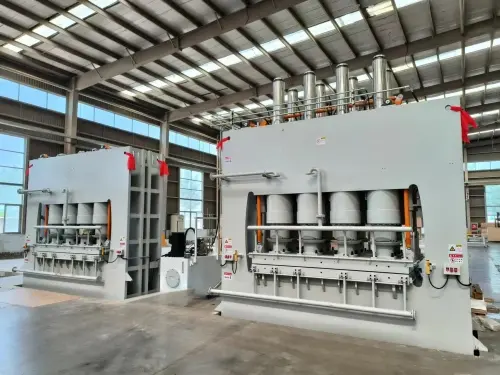
What is a Melamine Paper Hot Press?
A melamine paper hot press for chipboard is a specialized machine used to laminate melamine-impregnated paper onto particleboard surfaces. It combines high temperature and pressure to create a durable decorative layer. This process enhances both aesthetics and performance of the board.
Why Chipboard Needs Melamine Lamination
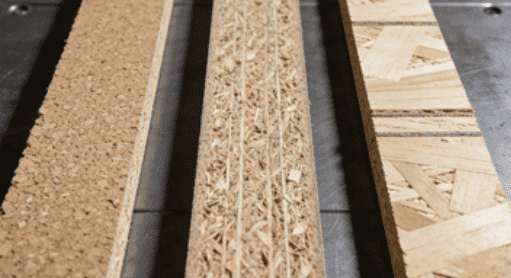
Chipboard alone lacks surface durability and visual appeal. By applying melamine paper, manufacturers can improve scratch resistance, moisture protection, and decorative flexibility. This makes chipboard suitable for furniture and interior applications.
Key Concepts in Melamine Paper Hot Press Technology
Short Cycle Lamination
Short cycle lamination refers to a fast pressing process that bonds melamine paper to chipboard within seconds. It significantly improves production efficiency. This method is widely used in modern panel manufacturing lines.
Heat and Pressure Control
Temperature and pressure are critical factors in achieving strong adhesion. Proper control ensures uniform bonding and prevents defects. Advanced systems allow precise parameter adjustments.
Surface Finish Quality
The final appearance depends on pressing consistency. Smooth, bubble-free surfaces are achieved through stable machine operation. This directly impacts product value in the market.
Core Components of a Melamine Paper Hot Press for Chipboard
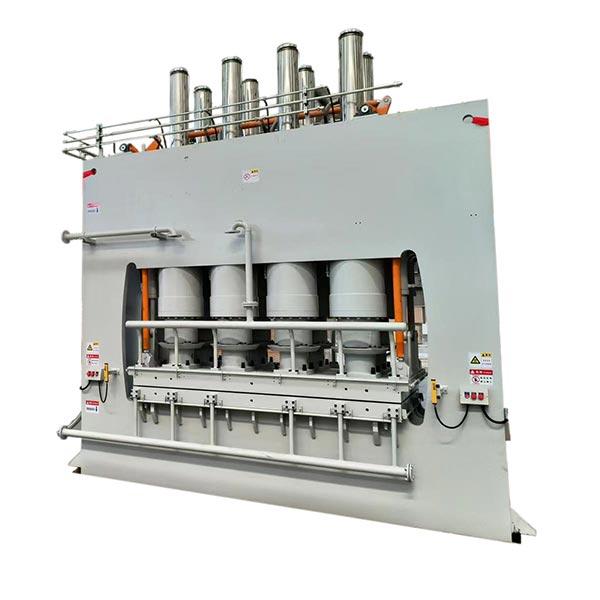
Loading System
The loading system feeds chipboard panels into the machine automatically. It ensures continuous production flow. This reduces manual handling and increases efficiency.
Paper Feeding Unit
This unit aligns and positions melamine paper accurately on the board. Proper alignment prevents defects. It is essential for maintaining product consistency.
Hydraulic Press System
The hydraulic system applies controlled pressure during lamination. It ensures even bonding across the surface. This is key to achieving high-quality panels.
PLC Control System
Modern machines use PLC systems for automation. Operators can monitor and adjust parameters in real time. This improves precision and reduces human error.
Workflow of Melamine Paper Hot Press for Chipboard
| Step | Process Stage | Description |
|---|---|---|
| 1 | Raw Board Feeding | Chipboard panels are cleaned and loaded automatically |
| 2 | Paper Positioning | Melamine paper is aligned on the board surface |
| 3 | Layer Alignment | Ensures accurate placement before pressing |
| 4 | Press Loading | Materials are transferred into the hot press |
| 5 | Heating & Pressing | Heat (150–220°C) and pressure bond layers |
| 6 | Cooling Phase | Stabilizes the laminated surface |
| 7 | Unloading | Finished boards are removed automatically |
| 8 | Inspection/Stacking | Panels are checked or stacked for further use |
Advantages of Using Melamine Paper Hot Press for Chipboard
High Efficiency Production
Short pressing cycles significantly reduce production time. Manufacturers can produce more panels in less time. This improves overall factory output.
Consistent Product Quality
Uniform heat and pressure ensure reliable results. Each panel maintains the same standard. This is essential for large-scale manufacturing.
Automation and Labor Saving
Automated systems handle loading, pressing, and unloading. This reduces labor costs and human errors. It also improves workflow efficiency.
Melamine Hot Press vs Traditional Lamination Methods
Melamine Hot Press
- Fast processing cycles
- High automation level
- Consistent surface quality
- Suitable for mass production
Traditional Lamination
- Longer processing time
- More manual operation
- Higher risk of inconsistency
- Limited scalability
This comparison shows why modern factories prefer melamine paper hot press for chipboard systems.
Application Areas of Chipboard Lamination
Furniture Manufacturing
Laminated chipboard is widely used in cabinets, wardrobes, and desks. It provides durability and decorative finishes. This makes it cost-effective for mass furniture production.
Decorative Panels
Melamine surfaces allow a wide range of textures and colors. These panels are used in interior design. They enhance aesthetic appeal in modern spaces.
Flooring and Wall Panels
Laminated boards are also used in flooring and wall systems. They offer resistance to wear and moisture. This improves product lifespan.
Buying Considerations for Melamine Paper Hot Press for Chipboard
Production Capacity
Choose a machine based on output requirements. High-capacity lines are ideal for large factories. Smaller units suit medium-scale production.
Automation Level
Fully automated systems improve efficiency. They reduce manual labor and errors. This is important for long-term cost savings.
Customization Options
Some machines allow layout and parameter customization. This helps match factory needs. Flexibility is a key advantage in competitive markets.
FAQ
What is a melamine paper hot press for chipboard used for?
It is used to laminate melamine-impregnated paper onto chipboard surfaces, creating durable and decorative panels. This process improves surface strength and appearance. It is widely used in furniture and interior applications.
How fast is the lamination process?
Most systems operate with short cycles ranging from 8 to 30 seconds. This allows high-speed production. It is ideal for large-scale manufacturing environments.
What temperature is required for pressing?
Typical pressing temperatures range from 150°C to 220°C. The exact value depends on material and design requirements. Proper control ensures strong bonding.
Is automation necessary in modern systems?
Automation is highly recommended for efficiency and consistency. PLC systems help monitor and adjust parameters. This reduces human error and improves productivity.
How do I choose the right machine?
Consider production capacity, automation level, and customization options. Matching the machine to your factory needs is crucial. A well-chosen system improves long-term performance and ROI.
Conclusion
The melamine paper hot press for chipboard plays a vital role in modern panel manufacturing. With advanced automation, precise control, and high efficiency, it enables manufacturers to produce durable and visually appealing boards. As demand for high-quality decorative panels grows, investing in the right hot press system becomes essential for staying competitive in the market.
 English
  Vietnamese
  Arabic