
News
Top Recommended Heat Press Machine for Quality Results
Introduction
In the plywood and panel manufacturing industry, the quality of finished boards depends greatly on the press you use. A recommended heat press machine not only speeds up production but also ensures stronger bonding, smoother finishes, and reliable performance. With many models on the market, understanding which features matter most will help you invest wisely.
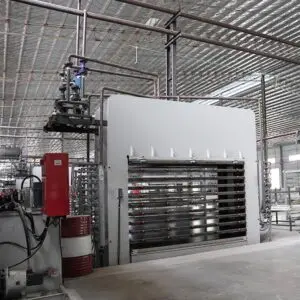
Why Temperature Uniformity Matters
Uneven heating is a common cause of weak bonding and surface defects. A well-designed hot press distributes heat evenly across the platen, giving every section of the panel equal treatment. This is especially important when laminating decorative veneers or melamine, where even small imperfections can affect the final look.
Pressure Capacity for Different Applications
The right pressure depends on your materials. Thin veneers need less force, while multi-layer plywood or door skins require 100 to 200 tons. Machines with adjustable hydraulic systems provide flexibility, making them suitable for different product lines without overloading the system.
Cycle Time and Production Efficiency
Production efficiency is strongly linked to cycle time. Advanced machines optimize dwell time—the period heat and pressure are applied—so you can achieve faster output without sacrificing quality. Shorter cycle times mean more boards produced per shift, directly improving profitability.
Energy Efficiency and Cost Savings
Energy use is a major operating cost. Modern hot presses with insulated platens, automatic shutdown, and smart heating systems can reduce power consumption significantly. Lower energy bills combined with consistent output make these machines a cost-effective long-term investment.
Automation Levels
Automation is becoming increasingly important. Manual presses may suit small workshops, but growing factories often prefer semi-automatic or fully automated options. Automation reduces human error, improves consistency, and lowers labor requirements, all of which translate into smoother operations.
Maintenance and Reliability
Downtime is expensive. Recommended presses are designed with automatic lubrication, hydraulic monitoring, and safety interlocks. These features reduce the risk of breakdowns and extend the machine’s lifespan. Routine maintenance—cleaning, oil checks, and inspections—further ensures stable operation.
Applications Beyond Plywood
Although widely used for plywood, hot press machines are also suitable for MDF, HPL, melamine boards, and decorative veneers. Choosing a versatile machine allows manufacturers to expand product lines without additional major investments.
ROI: Looking Beyond Price
The real value of a machine lies in its total cost of ownership. A press that is slightly more expensive upfront but lasts longer and reduces defects often pays for itself quickly. Evaluating energy use, maintenance costs, and efficiency will give you a clearer picture of return on investment.
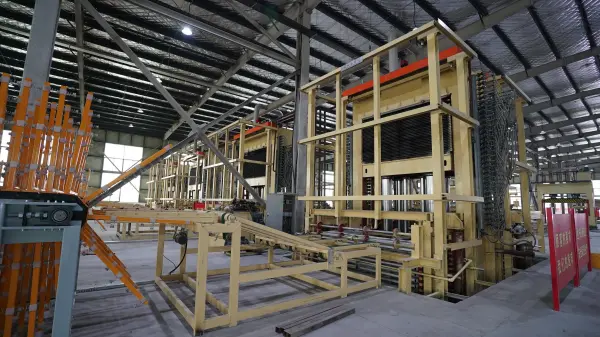
Comparison of Hot Press Options
| Feature | Entry-Level Press | Mid-Range Press | Advanced Industrial Press |
|---|---|---|---|
| Pressure Capacity | 50–80 tons | 100–150 tons | 200+ tons |
| Temperature Control | Manual | Digital PLC | Smart automation |
| Cycle Time | 8–10 min | 5–7 min | 3–5 min |
| Energy Efficiency | Low | Medium | High |
| Best For | Small workshops | Growing plants | Large-scale production |
| ROI Timeline | 3–5 years | 2–3 years | 1–2 years |
Why Manufacturer Choice Matters
Even the best specifications mean little without reliable support. A recommended heat press machine should come from a manufacturer with proven experience, customization options, and responsive after-sales service. Companies like Chuangxin supply presses built for plywood, MDF, and decorative applications, supported by technical expertise and long-term reliability.
Conclusion
Choosing the top recommended heat press machine for quality results is about more than just initial cost. Temperature uniformity, pressure capacity, cycle time, energy efficiency, and reliable service all play a role in producing high-quality panels. By considering these factors, you can make a confident investment that supports consistent production and business growth.
FAQ
Q1: What pressure capacity should I choose for plywood?
Standard plywood requires 80–120 tons, while thicker boards or doors may need 150–200 tons.
Q2: How often should a hot press be maintained?
Basic cleaning is daily; oil checks and hydraulic inspections should be done monthly.
Q3: Can one machine handle both plywood and MDF?
Yes, provided the press allows adjustable temperature and pressure.
Q4: Is automation worth the investment?
For production above 50–100 panels daily, semi-automatic or automated presses usually pay for themselves quickly.
Q5: How long is the typical ROI?
Most manufacturers achieve ROI within one to three years, depending on scale and machine features.
Q6: What makes a recommended heat press machine stand out for plywood production?
A recommended heat press machine offers even temperature distribution, high pressure capacity, and reliable cycle times, ensuring strong bonding and smooth panel finishes.
Q7: How do I choose the right recommended heat press machine for my factory?
When selecting a recommended heat press machine, consider pressure range, heating efficiency, automation level, and energy savings to match your production scale and materials.
 English
  Vietnamese
  Arabic