
News
Top Veneer Trends for 2025: What Designers, Architects & Manufacturers Need to Know
Welcome to My Blog!
I’m so glad you’re here. Before we dive into the content, I’d love to connect with you beyond this page. On my social media, I regularly share industry insights, product updates, and behind-the-scenes moments — plus, it’s a great place for us to interact!
Follow us on Facebook: Shandong Chuangxin Automation Equipment Co., Ltd
Let’s grow together and stay connected. Now, let’s jump into the blog — I hope you find the content informative, engaging, and truly valuable.
Table of Contents
Key Takeaways
- A complete breakdown of the leading veneer trends shaping 2025
- Detailed insights into natural veneer, engineered veneer, and specialty species like Bintangor and Birch
- Concept-based learning sections (material science, grain structures, cutting methods, sustainability metrics)
- Professional-grade comparison charts and explanations
- Insights from designers, manufacturers, and industry organizations
- A dedicated FAQ section aligned with conversational, AI-driven search habits
- Practical guidance for choosing veneer for furniture, interiors, cabinetry, and architectural projects
Top Veneer Trends for 2025
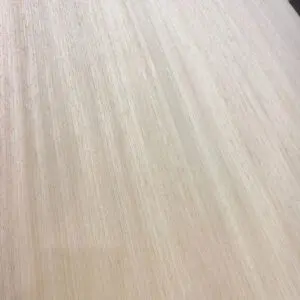
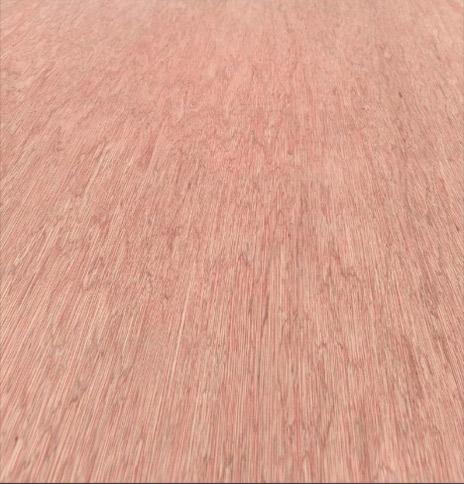
As 2025 unfolds, the veneer market is undergoing one of its most significant shifts in a decade. Designers are gravitating toward warmer tones, sustainable materials, customizable engineered patterns, and large-format architectural panels that save time during installation. This year’s trends also reflect broader consumer preferences: natural textures, environmentally friendly materials, and surface designs that balance luxury with practicality.
Below is a full breakdown of the most influential veneer trends that will define 2025 across architecture, furniture manufacturing, interior design, and commercial construction.
The Rise of Natural Warm-Toned Veneer
Warm Color Trends in 2025
One of the defining shifts in veneer design for 2025 is a return to warm, organic color tones. From reddish-brown Bintangor to creamy Birch, tones that evoke comfort and natural landscapes are replacing the cold greys of the 2010s and the pale minimalism of early 2020s.
Why Warm Veneers Are Dominating
- Consumers are prioritizing interiors that support mental well-being, comfort, and calmness.
- Global design reports, including the 2024 Material Design Forecast by WSGD, indicate a +27% increase in demand for warm, earth-toned surfacing materials in commercial and residential projects.
- Warm veneers pair easily with natural stone, fabric textures, and matte metals.
Bintangor Veneer: A Resurgent Favorite in 2025
Bintangor veneer, sourced from tropical hardwoods of the Calophyllum genus, is gaining notable momentum in 2025 thanks to its balanced pricing, warm aesthetic, and flexible workability. Designers are increasingly specifying Bintangor for cabinetry, wall panels, doors, and furniture due to its ability to complement both modern and traditional interiors.
Color & Grain Characteristics
The color of Bintangor ranges from:
- pale pink-brown
- light reddish-brown
- soft tones with yellow or orange undertones
Understanding Grain Structure
Bintangor typically features a:
- straight to slightly interlocked grain
- moderately coarse texture
- natural luster that enhances finishing options
These characteristics allow Bintangor to perform consistently across various cutting methods.
Cutting Styles & Visual Outcomes
Rotary Cut
Produces wide, flowing grain ideal for large wall panels or continuous surfaces.
Flat Cut
Creates cathedral grain, adding strong visual interest and warmth.
Quarter Cut
Provides clean, linear results—popular for minimalistic interior styles.
Advantages Behind Its Popularity
- Easy to glue, finish, stain
- More cost-effective than many tropical hardwood veneers
- Excellent dimensional stability
- Suitable for both high-volume manufacturing and custom millwork
Professional Insight
According to interior architect Maya R. Lin,
“Bintangor is one of the most underrated veneers in Southeast Asian design. Its warmth and stability make it incredibly useful for designers who want the look of premium hardwood but at a more accessible cost.”
Birch Veneer Trends: Scandinavian Influence Grows
Birch veneer continues to expand in popularity as Scandinavian and Japandi styles evolve in 2025. Its light, creamy tone supports clean, minimal, and modern interior environments.
Key Visual Features
- creamy white to pale brown hues
- occasional pinkish undertones
- fine, smooth texture
Why Birch Works Well in Modern Interiors
Its neutral tone makes it a perfect backdrop for black fixtures, warm textiles, or accent woods.
Applications Expanding in 2025
- modern kitchen cabinetry
- children’s furniture
- curved plywood forms
- contemporary retail environments
Birch veneer is especially valued for its consistent surface appearance, making it ideal for large, visible installations.
Engineered Veneer: The Fastest-Growing Trend of 2025
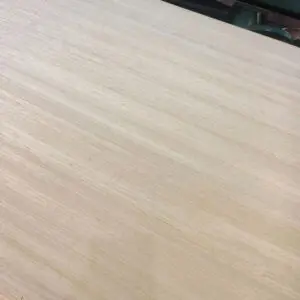
Engineered veneer—also known as reconstituted veneer—is predicted to see a market growth of 12–15% in 2025, according to Asia-Pacific Wood Materials Research Group (AMWRG). This growth is driven by sustainability standards, cost savings, and architectural demand for consistent visual patterns.
Why Engineered Veneer Is Dominating
- perfect pattern repeatability
- sustainable sourcing (fast-growing species)
- unlimited color & grain customization
- lower cost compared with exotic natural veneers
Production Concept: How Engineered Veneer Is Made
Material Selection
Uses fast-growing woods such as poplar or ayous.
Color Transformation
Sheets are dyed to achieve uniformity or mimic rare species.
Re-Lamination Process
Thin layers are assembled into blocks and re-sliced to produce clean, predictable sheets.
Customization Trends for 2025
- ultra-straight linear grains
- charcoal grey and deep walnut tones
- exotic replications (ebony, zebrawood, teak)
- geometric and wave-pattern veneers
- brushed-metal-effect dyed veneers
Industry Expert Insight
According to James Holloway, Senior Designer at StudioForm,
“Engineered veneer is transforming the way architects approach large-scale interior projects. The ability to specify exact grain direction and color uniformity gives us more creative control than ever before.”
Sustainability: The Core Driver of Veneer Choices in 2025
Sustainable veneer production continues to shape buyer behavior, especially for commercial projects subject to environmental certification.
Key Sustainability Metrics
Fast-Growing Resource Cycles
Poplar and ayous grow significantly faster compared to traditional hardwood species—reducing environmental pressure.
Reduced Waste
Engineered veneer production minimizes unused wood by optimizing layer slicing.
Carbon Footprint Data
According to the Global Wood Circularity Report 2024, engineered veneer production produces 18–35% lower CO₂ emissions compared to harvesting old-growth hardwoods.
Comparison Guide: Natural Veneer vs. Engineered Veneer
Below is a professional-level comparison to help buyers choose the right material for 2025 projects.
Visual Consistency
- Natural Veneer: high variation
- Engineered Veneer: uniform and repeatable
Cost & Efficiency
- natural veneer pricing fluctuates based on species availability
- engineered veneer remains stable and economical
Sustainability
- natural veneer: varies by species and region
- engineered veneer: generally more environmentally friendly
Best Use Cases
- Natural: luxury furniture, feature walls, premium projects
- Engineered: large-scale interiors, office spaces, commercial fit-outs
Understanding Veneer Backings in 2025
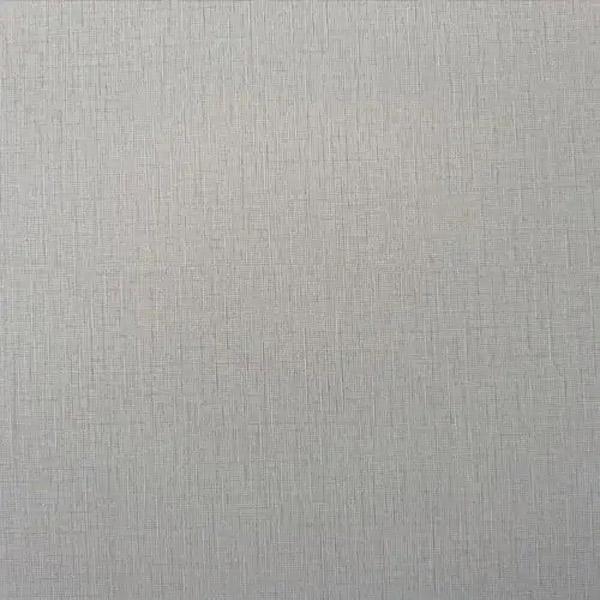
Backings enhance stability and streamline installation. In 2025’s market, the following are dominant:
Paper-Backed Veneer
Provides flexibility and easy handling.
Bubble Free Veneer
Prevents air pockets—ideal for large flat panels.
PSA Backing
Peel-and-stick adhesive backing eliminates traditional glue.
Applications Expanding Across Industries
2025 is witnessing veneer applications expanding into previously uncommon categories due to improved durability and backing technologies.
Architectural Interiors
- wall panels
- ceilings
- column wraps
Furniture Manufacturing
- tables, bookcases, desks
- hotel casework
- restaurant fixtures
Automotive, Marine & Specialty Vehicles
- yacht interiors
- RV façades
- luxury van conversions
Reinvented Plywood & Composite Panels
High-end plywood with Bintangor or engineered veneer faces is increasingly replacing solid wood.
Conceptual Knowledge Hub (New Section)
To support designers seeking deeper understanding, the following conceptual mini-sections explain the science and terminology behind veneer.
What Is Grain Density?
Grain density refers to the visual “tightness” or spacing of the wood fibers.
Higher density = more refined, uniform appearance.
What Influences Veneer Color Variation?
Factors include species genetics, soil composition, climate, cutting angle, and finishing treatments.
What Is Rift Cut Veneer?
Rift cutting slices the log at precise angles to produce ultra-straight grain patterns. Popular in engineered oak recreations.
How Moisture Content Affects Veneer Stability?
Moisture content ideally ranges between 6–12% to prevent warping, cracking, or expansion.
Emerging Veneer Technologies in 2025
Laser-Treated Veneer
Laser etching enhances surface detail without damaging structural integrity.
Anti-Fingerprint Matte Finishes
A major trend in kitchen cabinetry and high-touch furniture.
Thermo-Stabilized Veneer
High-temperature treatment increases stability, darkens color, and improves resistance.
Top 2025 Veneer Color Palettes
Designers are increasingly specifying:
Cinnamon Brown & Reddish Tones
Inspired by Bintangor and mahogany-style veneers.
Soft Honey & Natural Maple Tones
Ideal for creating warm, welcoming spaces.
Dark, Modern Walnut Replications
A dominant engineered veneer trend.
Light Scandinavian Whites
Incl. Birch, white oak, and bleached engineered veneers.
How to Select the Right Veneer for Your 2025 Project
Professionals typically evaluate:
Aesthetic Requirements
Color consistency, pattern repeatability, desired grain style.
Budget
Engineered veneer typically reduces overall cost by 15–40%.
Sustainability Standards
Engineered veneer supports LEED, FSC, and other certifications.
Durability Expectations
High-traffic areas benefit from engineered veneer or thermo-stabilized natural veneer.
Conclusion
The veneer industry is entering a transformative period in 2025. From warm natural tones like Bintangor to hyper-consistent engineered veneers designed for architectural precision, the market is becoming more diverse, more eco-conscious, and more design-forward. Whether you are working on luxury interiors, commercial fit-outs, furniture collections, or sustainable projects, today’s veneer technologies offer unmatched versatility.
Veneer in 2025 is no longer just a decorative surfacing material—it is a critical design element that shapes the identity and emotional impact of a space. By understanding these trends and concepts, designers and manufacturers can deliver projects that feel both modern and timeless.
FAQ
What’s the difference between veneer and laminate?
Veneer is real wood; laminate is printed paper on a substrate. Veneer offers natural texture and premium aesthetics.
Is engineered veneer durable enough for kitchens?
Yes—when paired with PU coating or UV-cured finishes, engineered veneer is stable and resilient.
Which veneer is best for modern interior design?
Engineered straight-grain veneers, light Birch, and quarter-cut Bintangor are popular for 2025.
How do I choose between natural veneer and engineered veneer?
Choose natural for variation and luxury. Choose engineered for uniformity, sustainability, and cost efficiency.
Does veneer peel over time?
Proper installation and moisture control prevent peeling. PSA and BFV backings improve reliability.
 English
  Vietnamese
  Arabic