
News
Upgrade Your Workshop with a Wood Edge Trimmer
Welcome to My Blog!
I’m so glad you’re here. Before we dive into the content, I’d love to connect with you beyond this page. On my social media, I regularly share industry insights, product updates, and behind-the-scenes moments — plus, it’s a great place for us to interact!
Follow us on Facebook: Shandong Chuangxin Automation Equipment Co., Ltd
Let’s grow together and stay connected. Now, let’s jump into the blog — I hope you find the content informative, engaging, and truly valuable.
Table of Contents
Key Takeaways
- How a wood edge trimmer improves panel quality, consistency, and productivity
- Latest automation and digital control features in modern wood edge trimmers
- Real-world case studies of workshops upgrading with edge trimming machines
- Comparisons between wood edge trimmers, routers, and manual trimming
- Maintenance protocols, operational guidelines, and safety standards
- Industry standards, certifications, and long-term performance metrics
Introduction
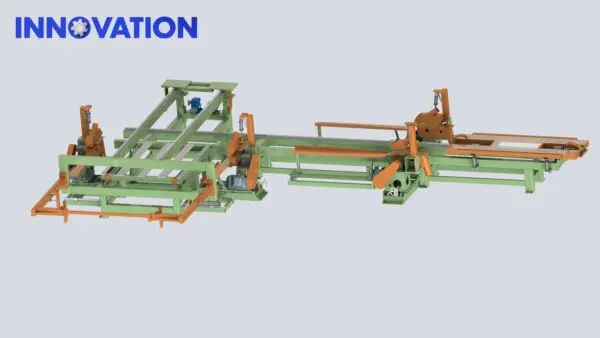
Modern woodworking workshops face increasing demands for higher precision, speed, and consistency. Whether producing plywood, MDF, or laminated panels, the finishing of edges directly impacts the overall quality, aesthetic appeal, and durability of the final product.
A wood edge trimmer provides a solution to these challenges. By automating edge trimming with high-speed rotary blades and precise feed rollers, it ensures consistent results, reduces labor costs, and increases workshop productivity.
Why upgrade now?
- Labor shortages and rising wages make automation necessary
- Consistent edge trimming meets international quality standards (ISO 9001:2015, CE certification)
- Large-scale production requires high-speed, repeatable operations
- Modern workshops must reduce material waste and improve ROI
With the right wood edge trimmer, even mid-sized workshops can achieve industrial-grade precision and efficiency without hiring additional staff.
Understanding Wood Edge Trimmers
Core Concept
A wood edge trimmer is designed for precise trimming of panel edges after lamination, pressing, or veneering. It uses:
- High-speed rotary blades for smooth, clean cuts
- Automated feed rollers to maintain panel alignment
- Digital control systems for adjustment of cutting width, speed, and feed
This combination ensures:
- High repeatability across multiple panels
- Minimal human error
- Consistent panel dimensions
How Wood Edge Trimmers Work
Automatic Feeding
Panels are fed consistently through rollers that maintain alignment. This reduces edge deviations and improves safety.
High-Speed Rotary Blades
Sharp blades rotate at high speed, trimming the panel edges evenly. This reduces tear-out, splintering, and rework.
Digital Control Interface
PLC-based systems allow operators to:
- Set cutting width and depth
- Adjust feed speed according to panel size
- Monitor machine performance in real-time
Features of Modern Wood Edge Trimmers
Precision Cutting Mechanism
Guided systems and high-speed saws ensure cuts with a tolerance of ±0.2mm. This level of accuracy is critical for panels used in furniture, cabinetry, and flooring.
Adjustable Settings
Modern edge trimmers handle a variety of board thicknesses (6–25mm) and widths (1220–2500mm), making them adaptable to different production needs.
Automation for Efficiency
Automation reduces manual labor and fatigue. High-speed machines can trim up to 2800 panels daily, depending on size and thickness.
Safety Features
- Emergency stop buttons
- Protective covers over blades
- Sensors to detect misalignment or obstruction
Technical Specifications Example
| Specification | Details |
|---|---|
| Frame Dimensions | 100x200x5mm rectangular tube, welded, detachable |
| Adjustment Method | Lateral electric adjustment |
| Adjustment Range | 1220–1240mm, 2300–2500mm |
| Weight | 5.6T |
| Daily Output | 2800 pcs |
| Control Method | PLC system, frequency converter, digital display |
| Main Saw Motors | 10 kW × 4 |
| Scoring Motors | 1.1 kW × 4 |
| Lifting Platform Motor | 3 kW × 1 |
| Conveyor Motors | 1.5 kW × 2 |
| Operating Temperature | 0–50°C |
| Maintenance Interval | 500–800 operational hours |
Insight: Machines with these specifications allow high-volume production with minimal downtime while ensuring compliance with international quality standards.
Industry Standards and Certifications
- ISO 9001:2015: Ensures quality management systems are followed
- CE Certification: Confirms compliance with European safety, health, and environmental protection standards
- GB/T Standards (China): Specifies requirements for woodworking machinery, including precision and operational safety
- Noise and Vibration Compliance: Reduces operator fatigue and long-term exposure hazards
Meeting these standards is crucial for workshops that supply high-end furniture, cabinetry, or export-quality panels.
Case Study: Tanyi Town Workshop Upgrade
Shandong Chuangxin Automation Equipment Co., Ltd. supplied a wood edge trimmer to a plywood workshop in Tanyi town:
Project Highlights:
- Panel types: Plywood and MDF, 18–25mm thick
- Daily output requirement: 2500–2800 panels
- Objective: Reduce labor by 40%, improve edge consistency, comply with ISO 9001:2015
Results After Installation:
- Edge trimming precision improved from ±0.5mm to ±0.2mm
- Labor reduced by 35%
- Daily production increased by 30%
The workshop also reported higher customer satisfaction due to improved panel finish and reduced rework.
Comparing Wood Edge Trimmers
Wood Edge Trimmer vs Router
| Feature | Wood Edge Trimmer | Router |
|---|---|---|
| Speed | High, automated | Slower, semi-manual |
| Precision | ±0.2mm | ±0.5mm |
| Labor | Low | High |
| Consistency | Excellent | Variable |
| Ideal For | Large-scale panel production | Small or custom projects |
Manual Trimming vs Automated Trimming
- Manual: Slow, labor-intensive, prone to inconsistencies
- Automated: Fast, precise, reduces waste, and improves consistency
Conclusion: Automated wood edge trimmers provide a measurable ROI, especially in high-volume operations.
Step-by-Step Workshop Upgrade
Installation Guidelines
- Verify the machine is leveled and aligned
- Connect all electrical and control systems
- Calibrate blades and safety sensors before first operation
Operation Best Practices
- Feed panels consistently to avoid misalignment
- Monitor cutting results and adjust speed or feed if necessary
- Perform regular lubrication of moving parts
Maintenance Protocols
- Clean blades and feed rollers daily
- Inspect motors and electrical components weekly
- Replace worn blades and parts on schedule
- Conduct a full system inspection every 500 operational hours
Advanced Applications
Edge Trimming for Laminated Panels
Ensures decorative laminates are trimmed without peeling or damage.
Edge Trimming for Plywood
Removes excess glue and uneven edges, improving assembly efficiency in furniture production.
Integration with Smart Production Lines
Edge trimmers can be integrated into automated assembly lines with conveyor systems and robotic handling for fully automated workflows.
FAQ
Q1: Can a wood edge trimmer handle different panel thicknesses?
Yes, adjustable models can handle a wide range of thicknesses efficiently.
Q2: How does it improve productivity?
Automation reduces manual labor, increases speed, and ensures consistent quality.
Q3: How long is the typical lifespan of a wood edge trimmer?
Industrial-grade machines last 10+ years with proper maintenance.
Q4: Is it suitable for small workshops?
Compact models exist, but high-volume operations benefit most from automated trimmers.
Q5: How does it compare with manual trimming?
Manual trimming is slower, less precise, and more labor-intensive compared to automated trimming.
Q6: Can it be integrated into a fully automated production line?
Yes, modern edge trimmers can integrate with conveyors, robots, and PLC systems for fully automated workflows.
Conclusion
Integrating a wood edge trimmer into your workshop is more than a convenience—it is an investment in precision, productivity, and long-term operational efficiency.
Key Takeaways:
- Precision cutting ensures uniform panel edges
- Automation reduces labor costs and improves throughput
- Compliance with industry standards guarantees quality and safety
- Proven case studies show measurable ROI for workshops
- Long-term durability ensures reliable performance for years
By adopting a modern wood edge trimmer, workshops can improve product quality, reduce operational costs, and stay competitive in high-volume woodworking industries.
 English
  Vietnamese
  Arabic