
Tin tức
4 tính năng đột phá của máy sản xuất tấm ván gỗ hiện đại
Chào mừng đến với Blog của tôi!
Tôi rất vui vì bạn đã ghé thăm. Trước khi chúng ta đi sâu vào nội dung, tôi rất muốn được kết nối với bạn ngoài trang này. Trên mạng xã hội, tôi thường xuyên chia sẻ những hiểu biết sâu sắc về ngành, cập nhật sản phẩm và những khoảnh khắc hậu trường — hơn nữa, đây còn là một nơi tuyệt vời để chúng ta tương tác!
Theo dõi chúng tôi trên Facebook: Công ty TNHH Thiết bị tự động hóa Shandong Chuangxin
Hãy cùng nhau phát triển và giữ kết nối. Giờ thì, hãy cùng khám phá blog nhé — tôi hy vọng bạn thấy nội dung này bổ ích, hấp dẫn và thực sự giá trị.
Mục lục
Giới thiệu

The wood panel industry is undergoing a profound transformation, driven by the need for higher efficiency, consistent quality, and sustainable production practices. Traditional panel manufacturing relied heavily on manual labor and single-function machines, often resulting in uneven product quality, high waste, and energy inefficiency. Today, the máy làm ván gỗ has become the cornerstone of modern production, incorporating advanced automation, energy-saving systems, and smart monitoring technologies.
Modern machines allow manufacturers to produce high-quality MDF, particleboard, plywood, and composite panels at scale while minimizing environmental impact and operational costs. Experts like Dr. Michael K. Johnson, a leading wood industry engineer, emphasize that “Investing in a modern wood based panel machine is not just about production speed—it’s about precision, sustainability, and adaptability to diverse materials.”
In this article, we will explore four groundbreaking innovations in wood based panel machines, explain their industrial applications, and provide detailed guidance for manufacturers aiming to maximize efficiency and quality.
1. Advanced Automation Systems in Máy làm tấm gỗ
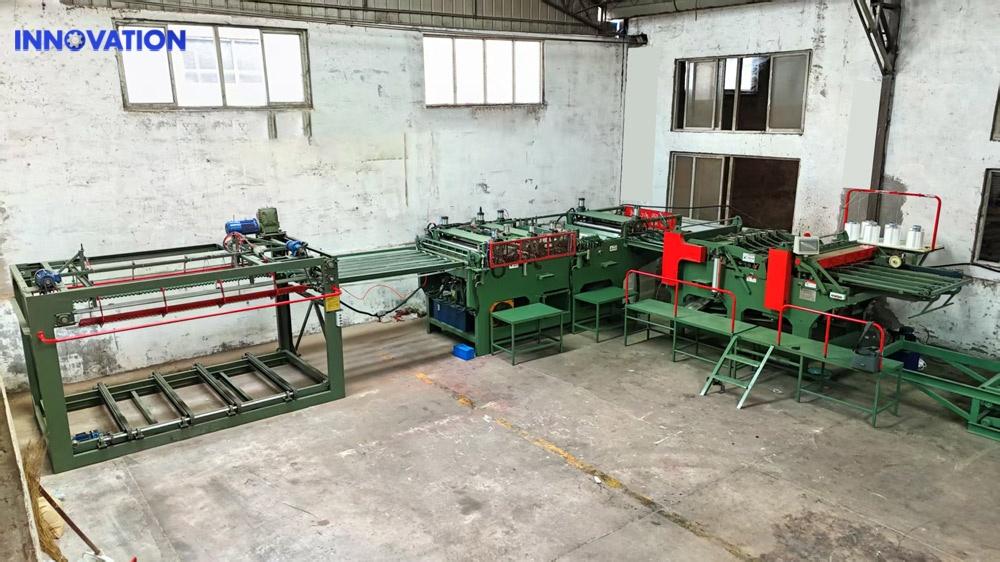
Automation has revolutionized the way panels are produced, integrating PLCs (Programmable Logic Controllers), HMIs (Human-Machine Interfaces), and AI-based predictive maintenance tools. Modern máy làm ván gỗ systems reduce manual intervention, allowing operators to control complex processes with minimal effort.
Key Benefits of Automation:
- Độ chính xác: Uniform panel thickness and density are maintained.
- Reduced Downtime: Predictive maintenance alerts prevent unplanned machine stops.
- Operational Efficiency: One operator can supervise multiple machines simultaneously.
Industry Example: A European MDF plant equipped with a fully automated line reported a 35% increase in throughput while reducing raw material waste by 22%. Automation also enhanced quality consistency, which is crucial for clients in the furniture and construction sectors.
Data Point: According to a 2023 report by the International Wood Products Association, plants using automated wood based panel machines experienced an average ROI improvement of 18–25% within two years due to reduced labor and energy costs.
2. Energy-Efficient Heating and Pressing Technology
Energy efficiency has become a critical factor in modern máy làm ván gỗ design. High energy consumption in traditional machines has historically been one of the largest operational expenses for manufacturers. Modern systems employ advanced heating and pressing technologies to optimize energy use and improve panel quality.
Innovative Heating Features:
- Infrared Heating: Provides uniform temperature distribution, ensuring consistent resin curing.
- Hot-Plate Pressing: Reduces cycle times and increases panel density.
- Energy Recovery Systems: Reuse heat from the press to preheat raw materials, lowering overall energy consumption.
Performance Data:
- Energy savings of up to 30% compared to conventional hot-press systems.
- Average press cycle time reduction from 90 seconds to 65 seconds for a 18mm MDF panel.
- Heat distribution uniformity exceeding 95%, reducing panel defects and improving surface finish.
Expert Insight: Dr. Lisa Martínez, a senior process engineer in sustainable manufacturing, notes: “Energy-efficient heating and pressing not only reduce operational costs but also ensure the mechanical strength and surface quality required for high-end applications.”
3. Integrated Quality Control and Sensors
One of the most transformative innovations in modern máy làm ván gỗ systems is the integration of sensors and real-time quality monitoring. These technologies allow manufacturers to detect defects such as uneven density, moisture irregularities, or surface cracks before panels leave the production line.
Quality Control Innovations:
- Moisture Sensors: Measure water content to prevent delamination.
- Density Scanners: Ensure panels meet mechanical strength requirements.
- Surface Scanners: Detect scratches, dents, or irregular finishes automatically.
Industrial Impact:
- A leading MDF manufacturer in Germany reported a 20% reduction in rejected panels after installing sensor-based monitoring.
- Continuous data logging allows traceability for clients who require certified material quality for furniture or construction projects.
Table: Comparison of Modern Wood Based Panel Machine Features
| Tính năng | Sự miêu tả | Những lợi ích | Typical Applications |
|---|---|---|---|
| Advanced Automation | PLC and HMI systems for precise operation | Consistent panel quality, reduced downtime, labor efficiency | Furniture, flooring, industrial panels |
| Energy-Efficient Heating & Press | Infrared/hot-plate heating with energy recovery | Lower energy use, faster production, better bonding | MDF, particleboard, laminated panels |
| Integrated Sensors & QC | Real-time monitoring of density, moisture, surface finish | Reduced defects, optimized parameters, production tracking | High-end furniture, construction panels |
| Multi-Material Compatibility | Handles particleboard, MDF, plywood, composite materials | Flexible production, reduces need for separate machines | Custom panels, industrial manufacturing |
4. Multi-Material and Flexible Production Capabilities
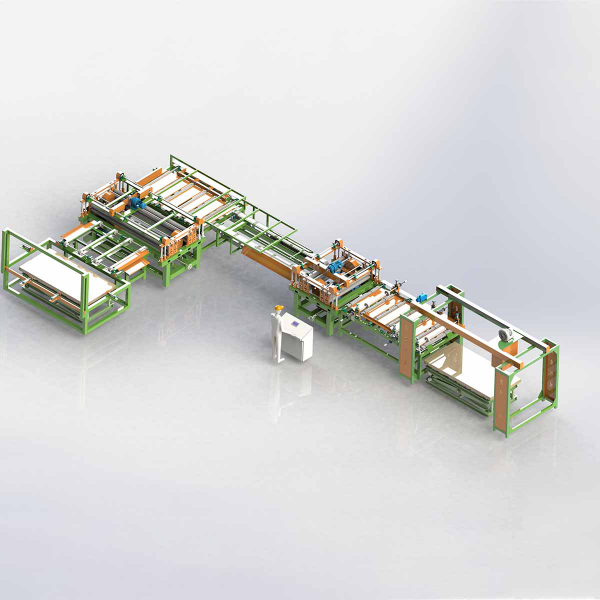
Flexibility is key for modern panel manufacturers who produce a variety of products for different applications. Modern máy làm ván gỗ designs allow processing of multiple materials without extensive reconfiguration.
Innovative Features:
- Adjustable press plates for different panel thicknesses.
- Variable-speed feeders and conveyors to adapt to material type.
- Smart software algorithms to optimize resin distribution and pressing time.
Benefits for Manufacturers:
- Ability to produce MDF, particleboard, plywood, and composite panels using one machine.
- Reduced capital expenditure by consolidating multiple lines into a single, flexible system.
- Quick changeover reduces downtime when switching between products.
Industry Insight: According to the Wood Products Technical Council, companies that utilize multi-material machines reduce setup time by up to 40% and can respond to custom orders faster, giving them a competitive advantage in niche markets.
Environmental Sustainability Features
Hiện đại máy làm ván gỗ technology emphasizes sustainability. Energy-efficient heating, optimized resin use, and minimized waste are critical to meeting environmental regulations and market demands.
Sustainability Innovations:
- Low-emission heating and pressing systems.
- Recycling of scrap and offcuts back into panel production.
- Use of bio-based resins to reduce VOC emissions.
Case Study: A manufacturer in Scandinavia retrofitted its wood based panel machine with energy recovery systems and resin optimization software, reducing carbon emissions by 25% and achieving LEED certification for its plant.
Data Point: Global market analysis indicates that sustainable production technologies in wood panel manufacturing increase market competitiveness and can command a premium price for certified eco-friendly panels.
How to Maintain Your Modern Máy làm tấm gỗ
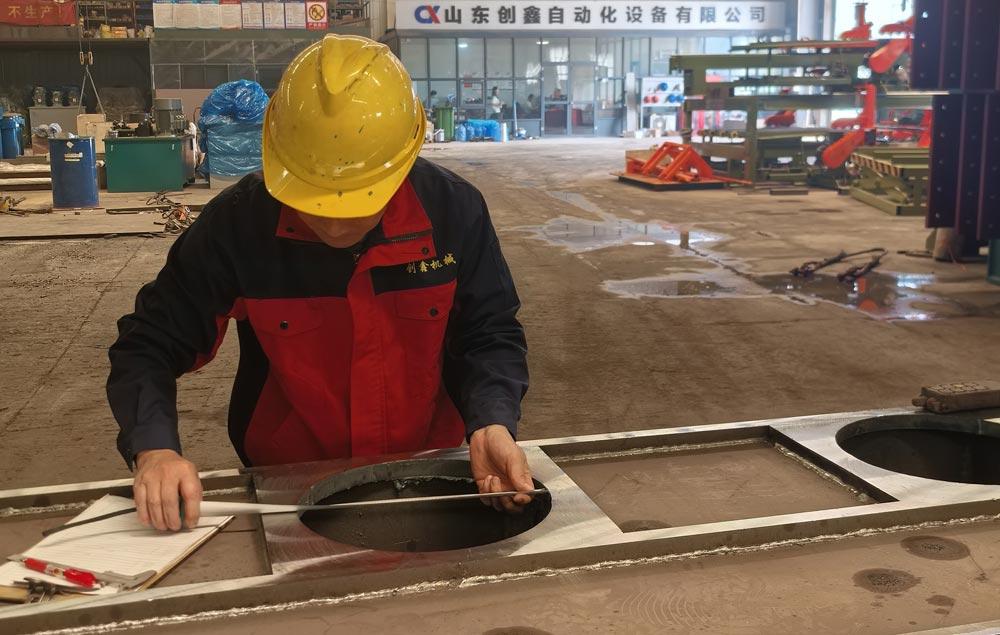
Proper maintenance ensures that a máy làm ván gỗ operates efficiently and produces consistent quality over its lifespan. Key maintenance practices include:
- Regular inspection of press plates, rollers, and feeders.
- Lubrication of moving parts and calibration of sensors.
- Cleaning dust and resin residues to prevent blockages.
- Replacing worn heating elements and control modules promptly.
Preventive maintenance can extend machine lifespan by up to 10 years and reduce unplanned downtime by 30%, according to industrial maintenance reports.
Phần kết luận
Hiện đại máy làm ván gỗ systems are no longer simple mechanical devices—they are complex, intelligent, and environmentally sustainable production centers. Innovations in automation, energy-efficient heating, integrated quality control, multi-material flexibility, and sustainability provide manufacturers with tools to increase output, reduce costs, and meet stringent quality standards.
Investing in modern technology is essential for companies seeking a competitive edge in the furniture, construction, and industrial panel markets. By understanding the innovations outlined in this article and implementing proper maintenance strategies, manufacturers can achieve long-term success and operational excellence.
Câu hỏi thường gặp
Q1: What are the basic components of a hydraulic system?
A1: Modern wood based panel machines are primarily made of press plates, conveyors, heating units, feeders, control systems, and safety mechanisms. Each component works together to ensure smooth, precise panel production.
Q2: What component in a wood based panel machine determines the maximum pressure?
A2: The hydraulic press system or main press cylinder determines the maximum pressing pressure. It controls panel density and bonding strength, which is crucial for quality production.
Q3: How can I maintain a wood based panel machine effectively?
A3: Regular inspection, cleaning, lubrication, and sensor calibration are essential. Following manufacturer-recommended schedules prevents downtime and extends lifespan.
Q4: Can modern machines handle multiple materials?
A4: Yes. Multi-material capabilities allow MDF, plywood, particleboard, and composites to be processed with adjustable plates and variable-speed feeders.
Q5: Why invest in a modern wood based panel machine?
A5: Modern machines improve efficiency, quality, flexibility, and sustainability, reduce costs, and provide a strong ROI for panel manufacturers.
 Vietnamese
  English
  Arabic