
Tin tức
7 Common Problems with Wood Cold Press Machine and Fixes
Chào mừng đến với Blog của tôi!
Tôi rất vui vì bạn đã ghé thăm. Trước khi chúng ta đi sâu vào nội dung, tôi rất muốn được kết nối với bạn ngoài trang này. Trên mạng xã hội, tôi thường xuyên chia sẻ những hiểu biết sâu sắc về ngành, cập nhật sản phẩm và những khoảnh khắc hậu trường — hơn nữa, đây còn là một nơi tuyệt vời để chúng ta tương tác!
Theo dõi chúng tôi trên Facebook: Công ty TNHH Thiết bị tự động hóa Shandong Chuangxin
Hãy cùng nhau phát triển và giữ kết nối. Giờ thì, hãy cùng khám phá blog nhé — tôi hy vọng bạn thấy nội dung này bổ ích, hấp dẫn và thực sự giá trị.
Mục lục
Giới thiệu
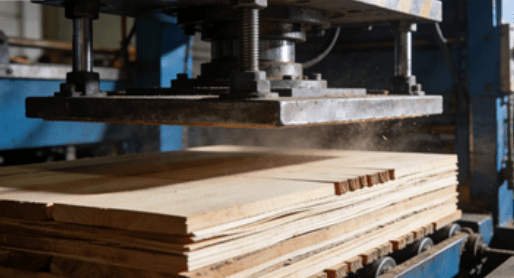
Wood cold press machines are essential tools in the woodworking and furniture manufacturing industry. They allow for precise pressing of wood panels, laminates, veneers, and composite materials without applying heat. Their ability to maintain consistent pressure while avoiding thermal damage makes them preferred equipment for producing high-quality panels. Despite their reliability, these machines can experience issues that reduce efficiency, affect product quality, and increase maintenance costs. Understanding common problems and their solutions is vital for operators, maintenance personnel, and manufacturers to ensure smooth operation.
Problem 1: Uneven Pressure Distribution
One of the most frequent and detrimental issues encountered with a wood cold press machine is uneven pressure distribution. Uneven pressure occurs when certain sections of the press exert more force than others, which can result in warping, delamination, air pockets in laminated surfaces, or inconsistent bonding strength. This not only affects the aesthetic quality of wood panels but also compromises structural integrity, especially for high-density materials such as plywood or MDF.
Causes of Uneven Pressure
Several factors contribute to uneven pressure:
- Worn hydraulic cylinders: Over time, cylinders may lose efficiency, causing uneven force application.
- Misaligned press plates: Improper setup during installation or shifts caused by repeated use can misalign plates.
- Uneven load placement: Panels placed asymmetrically can create pressure imbalance.
- Mechanical deformation: Slight warping or sagging of press plates can amplify uneven pressure.
Fix for Uneven Pressure
- Calibration and alignment: Regularly measure plate flatness and align hydraulic cylinders according to manufacturer specifications.
- Use pressure gauges: Installing digital or analog gauges at multiple points helps monitor real-time pressure distribution.
- Load management: Operators should distribute panels evenly and avoid stacking excessively thick panels beyond machine capacity.
- Preventive inspection: Visual checks for signs of wear or bending in plates and cylinders prevent long-term damage.
Expert Tip
According to a study in the Journal of Wood Science, pressing failures due to uneven pressure account for over 40% of lamination defects in mid-sized panel factories. Using multi-point pressure monitoring can reduce these defects by up to 60%.
Problem 2: Hydraulic System Leaks
Hydraulic leaks are a recurring problem that can severely impact the performance of a wood cold press machine. A leaking hydraulic system reduces pressure, compromises pressing efficiency, and poses environmental and safety hazards due to fluid spillage.
Common Causes
- Worn or degraded seals: Seals deteriorate over time due to friction and fluid degradation.
- Loose fittings and connectors: Improper installation or vibrations can loosen connections.
- Damaged hoses or pipes: Mechanical impacts or chemical reactions with the hydraulic fluid can weaken hoses.
Fix for Hydraulic Leaks
- Regular inspection: Daily or weekly checks of hoses, fittings, and seals ensure early detection of leaks.
- Replacement of components: Worn or damaged hoses and seals should be replaced immediately.
- Fluid quality management: Using high-grade, manufacturer-recommended hydraulic fluids minimizes corrosion and prolongs seal life.
- Hydraulic testing: Pressure tests can identify weak points in the system before failure occurs.
Thông tin chuyên nghiệp
An analysis by the American Society of Mechanical Engineers emphasizes that proactive hydraulic maintenance can extend a machine’s lifespan by 25–30% and prevent sudden production downtime.
Problem 3: Slow Pressing Cycle Time
Slow cycle times can have a direct impact on production efficiency, increasing lead times and operational costs. Several factors may contribute to slower pressing cycles in wood cold press machines.
Causes of Slow Cycle Time
- Inadequate hydraulic pressure: If pumps are malfunctioning or underpowered, plates may take longer to reach desired pressure.
- Mechanical resistance: Friction between moving components, rust, or debris accumulation can slow the press.
- Operator errors: Incorrect loading, uneven panel placement, or improper release procedures can add time.
Fix for Slow Cycle Time
- Pump maintenance: Ensure that hydraulic pumps deliver rated pressure and are lubricated appropriately.
- Mechanical lubrication: Bearings, guides, and sliding surfaces should be lubricated regularly to reduce friction.
- Operator training: Clear guidelines for load placement and cycle procedures reduce delays and machine stress.
- Automation options: Integrating sensors to detect plate contact and hydraulic pressure can optimize cycles automatically.
Real-World Example
In a medium-scale furniture factory in Germany, implementing automated pressure sensors reduced average cycle time from 12 minutes to 8 minutes, a 33% improvement in throughput.
Problem 4: Misalignment of Press Plates
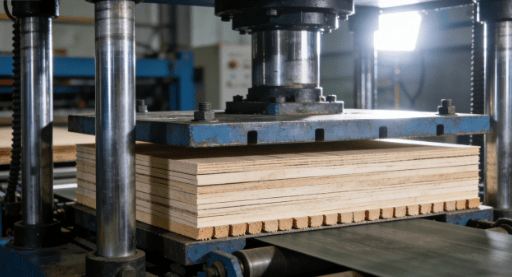
Misaligned press plates can compromise panel quality, resulting in uneven bonding or surface defects. Misalignment is often subtle, making early detection challenging without careful inspection.
Nguyên nhân
- Mechanical wear of plate guides or posts
- Improper assembly or installation
- Accidental shifts during high-load operations
- Thermal expansion and contraction of metal components
Fix for Plate Misalignment
- Calibration tools: Use alignment lasers or mechanical gauges to measure plate parallelism.
- Secure fasteners: Regularly check bolts, pins, and mounting points.
- Adjustable shims: Fine-tuning plates with shims or spacers can restore alignment.
- Scheduled inspection: Monthly inspections are recommended for high-frequency operations.
Expert Recommendation
Dr. Mark Svenson, a mechanical engineer specializing in woodworking equipment, recommends a three-point alignment verification after any major maintenance or plate replacement to prevent cumulative errors.
Problem 5: Excessive Wear on Components
Over time, critical components like press plates, hydraulic cylinders, and bearings may wear, reducing pressing efficiency and increasing maintenance frequency.
Nguyên nhân
- High operational loads
- Insufficient lubrication
- Abrasive materials used in panels
- Poor quality replacement parts
Fix for Component Wear
- Implement a scheduled preventive maintenance program
- Use OEM-quality parts or high-grade equivalents
- Monitor wear with visual inspections or sensors
- Rotate press plates if possible to distribute wear evenly
Industry Insight
A study in Woodworking Machinery International reported that factories replacing hydrau
Problem 6: Electrical Control Failures
Hiện đại wood cold press machines include sophisticated electrical systems for automation, cycle monitoring, and safety interlocks. Electrical failures can cause unexpected stops and costly downtime.
Common Causes
- Damaged wiring or connectors
- Faulty sensors or switches
- Outdated software or firmware
Fix for Electrical Failures
- Conduct routine electrical inspections
- Replace or repair damaged components immediately
- Ensure control software is up to date
- Train operators in basic troubleshooting to prevent prolonged shutdowns
Practical Advice
Integrating redundant sensors and an alarm system can alert operators before a complete system failure occurs, preventing production loss and reducing repair costs.
Problem 7: Overheating of Hydraulic System
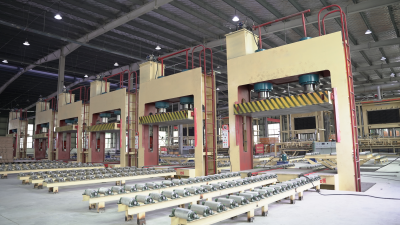
Even though wood cold press machines do not generate heat for pressing, hydraulic components can overheat due to continuous operation, excessive load, or insufficient fluid.
Nguyên nhân
- Continuous high-load cycles
- Low or degraded hydraulic fluid
- Inadequate cooling system or ventilation
Fix for Hydraulic Overheating
- Install temperature sensors to monitor fluid levels in real-time
- Use manufacturer-recommended hydraulic fluid with proper viscosity
- Allow rest periods between cycles under heavy load
- Maintain cooling systems or add external heat exchangers if necessary
Thông tin chuyên nghiệp
According to the International Journal of Manufacturing Technology, overheating accounts for nearly 20% of hydraulic failures in medium-duty wood cold press machines, emphasizing the need for temperature monitoring.
Comparison Table of Common Problems and Fixes
| Vấn đề | Cause | Triệu chứng | Fix | Frequency of Maintenance |
|---|---|---|---|---|
| Uneven Pressure Distribution | Misaligned plates, worn cylinders | Warping, delamination | Align plates, calibrate system | Weekly |
| Hydraulic System Leaks | Worn seals, damaged hoses | Pressure loss, fluid leaks | Replace seals/hose, inspect connections | Monthly |
| Slow Pressing Cycle | Low hydraulic pressure, friction | Delays in production | Lubricate parts, check pressure | Weekly |
| Misalignment of Plates | Mechanical wear, improper setup | Uneven pressing, surface damage | Calibration, tighten bolts | Weekly |
| Excessive Wear on Components | High usage, poor maintenance | Reduced efficiency, poor quality | Replace worn parts | Monthly |
| Electrical Control Failures | Faulty wiring, sensor errors | Machine stops, errors | Inspect and repair electronics | Monthly |
| Hydraulic Overheating | Continuous load, fluid degradation | Reduced pressure, fluid damage | Monitor temp, rest cycles, use proper fluid | Daily |
Preventive Measures for Wood Cold Press Machine
Proper preventive maintenance ensures the longevity and reliability of a wood cold press machine. Key measures include regular inspections, adherence to manufacturer guidelines, proper operator training, and maintaining clean hydraulic fluid and mechanical components. Preventive strategies reduce downtime, improve safety, and maintain consistent product quality.
Enhancing Efficiency with Modern Technology
Hiện đại wood cold press machines often incorporate automation, sensors, and PLC systems to improve accuracy, reduce human error, and enhance production throughput. Automation can optimize hydraulic pressure, monitor cycle times, and detect misalignment in real-time, ensuring higher productivity and safer operations.
Safety Considerations in Operation
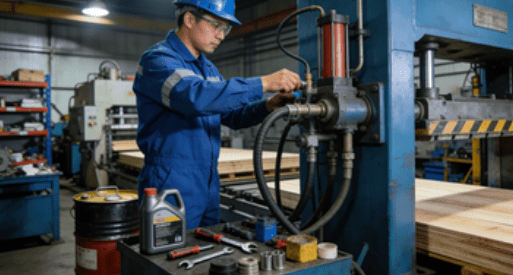
Operators must follow safety guidelines to prevent accidents during wood cold press machine operation. Key safety measures include wearing protective equipment, avoiding overloading, securing materials properly, and regularly inspecting hydraulic and electrical systems. Safety training is essential for all personnel handling these machines.
Phần kết luận
Understanding the common problems of wood cold press machines and their solutions is essential for operators and maintenance teams. Regular maintenance, timely component replacement, operator training, and the adoption of modern technologies ensure long-term reliability, optimal performance, and high-quality production.
Câu hỏi thường gặp
Q1: How often should a wood cold press machine be inspected?
A1: Routine inspections are recommended weekly for mechanical parts and daily for hydraulic fluid levels, depending on usage intensity.
Q2: Can misalignment damage the wood material?
A2: Yes, misalignment can cause warping, surface defects, and uneven bonding.
Q3: What type of hydraulic fluid is best for cold press machines?
A3: Use the fluid recommended by the manufacturer, with proper viscosity and anti-oxidation properties.
Q4: How can automation help reduce common problems?
A4: Automation optimizes pressure, monitors cycles, and detects errors early, reducing wear and operator mistakes.
Q5: Are wood cold press machines suitable for all types of wood?
A5: They are ideal for veneers, plywood, laminates, and composite panels but may require adjustments for extremely hard or thick timber.
 Vietnamese
  English
  Arabic