
Tin tức
Máy ép nguội ván ép: Hướng dẫn khắc phục sự cố
Chào mừng đến với Blog của tôi!
Tôi rất vui vì bạn đã ghé thăm. Trước khi chúng ta đi sâu vào nội dung, tôi rất muốn được kết nối với bạn ngoài trang này. Trên mạng xã hội, tôi thường xuyên chia sẻ những hiểu biết sâu sắc về ngành, cập nhật sản phẩm và những khoảnh khắc hậu trường — hơn nữa, đây còn là một nơi tuyệt vời để chúng ta tương tác!
Theo dõi chúng tôi trên Facebook: Công ty TNHH Thiết bị tự động hóa Shandong Chuangxin
Hãy cùng nhau phát triển và giữ kết nối. Giờ thì, hãy cùng khám phá blog nhé — tôi hy vọng bạn thấy nội dung này bổ ích, hấp dẫn và thực sự giá trị.
Mục lục
Giới thiệu
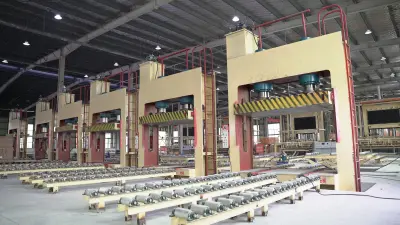
Are you struggling with inconsistent plywood quality, production delays, or equipment failures in your plywood line? A máy ép lạnh cho ván ép plays a foundational role in pre-pressing veneer layers, and getting it right can dramatically improve product quality and operational efficiency. In this ultimate troubleshooting guide, you’ll learn to diagnose, fix, and prevent common problems—backed by data, expert insights, and real production best practices.
Key Takeaways You’ll Get from This Guide
- Understand critical functions of a máy ép lạnh cho ván ép
- Diagnose common issues with symptoms, causes, and step-by-step fixes
- Learn how pressure, glue, and cycle timing influence plywood quality
- Gain insights from industry standards and expert recommendations
- Explore comparisons with hot press machines and other pre-press methods
- Access a troubleshooting table for quick on-line problem diagnosis
- Get proactive maintenance, safety practices, and performance optimization tips
Why the Cold Press Stage Matters More Than You Think
MỘT máy ép lạnh cho ván ép is often treated as a “simple” pre-press step in plywood production—but experts say this is a mistake.
“Cold pressing isn’t a minor step—it determines how well glued veneers enter the hot press. If pre-press fails, hot press remedies are limited.”
— Dr. Lars Meyer, Wood Panel Technology Specialist, European Plywood Association
Modern plywood standards (EN 314, ASTM D2559) emphasize uniform bonding strength and flatness—attributes highly influenced by cold pressing. According to recent industry data, up to 60% of final panel defects originate in the pre-press stage, making this guide essential for plant managers and technicians.
Cold Press Machine for Plywood: Core Functions and Principles
What Cold Pressing Actually Does
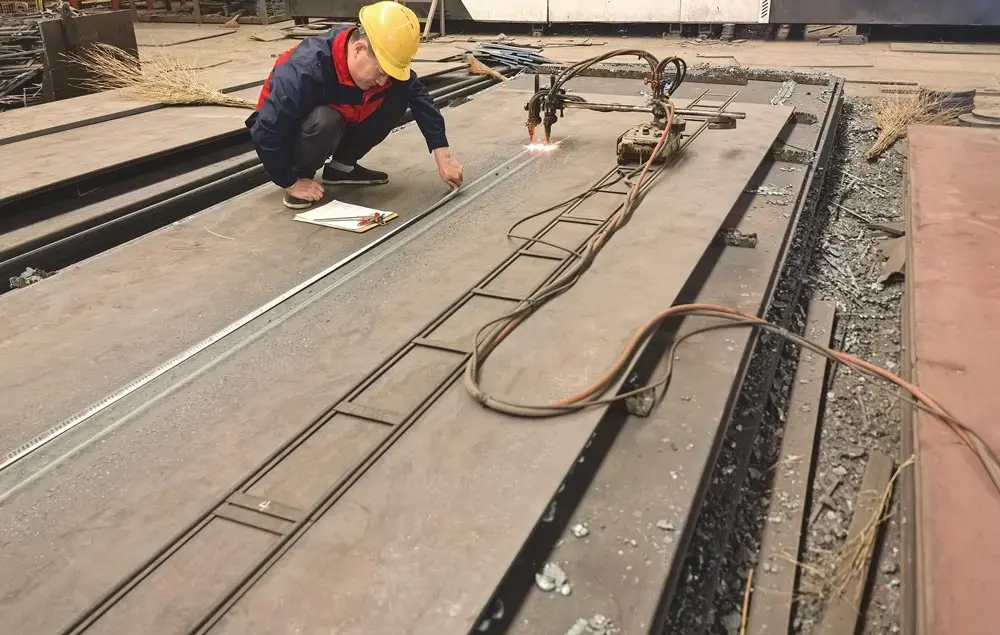
MỘT Cold Press Machine for Plywood is not merely a mechanical step in plywood production—it is the first real quality control checkpoint. During cold pressing, glued veneer stacks are compacted and stabilized so that they can enter the hot press stage with a uniform structure. In this stage, the machine:
- Stabilizes glued veneer stacks, preventing shifting or misalignment
- Partially sets adhesive layers, enabling stronger bonding during hot pressing
- Removes entrapped air and moisture, reducing the risk of bubbles and voids
- Ensures uniform thickness and flatness, which is crucial for surface quality
- Improves overall mechanical strength, especially for load-bearing plywood
Without a properly functioning Cold Press Machine for Plywood, even the best glue or hot press technology cannot fully compensate for poor pre-pressing results. In fact, industry data shows that up to 60% of final plywood defects originate in the pre-press stage, making cold pressing a critical factor for production quality.
Hydraulic Pressure: The Heart of Pre-Pressing
The most critical function of a Cold Press Machine for Plywood is applying uniform hydraulic pressure across the entire veneer stack. Typically, the pressure range is 1–5 MPa, depending on panel thickness, veneer type, and glue formula.
Why does this matter? Because uneven pressure directly causes defects such as:
- Voids and gaps between layers
- Air bubbles that later expand during hot pressing
- Weak glue lines that cause delamination
In practice, pressure variation of even ±0.2 MPa across the platen can lead to significant quality loss. That’s why many modern Cold Press Machine for Plywood systems now include:
- Real-time pressure sensors
- Hydraulic flow balancing systems
- Automatic pressure adjustment
These features help maintain stable pressure and improve consistency across each pressing cycle.
Why Holding Time Is Not Arbitrary
Holding time is another critical parameter in the operation of a Cold Press Machine for Plywood. It determines how long the veneers stay under pressure, which directly affects how the glue begins to cure and bond.
The standard holding time varies based on panel structure:
- Thin panels: 3–5 phút
- Multi-layer panels: 5–10 minutes
But why does timing matter so much?
Bởi vì inconsistent holding time can increase rejects by up to 15%, based on real plant performance analysis. If the holding time is too short, glue layers do not set properly, leading to weak bonding. If it’s too long, the process becomes inefficient and can cause excessive moisture loss or uneven pressure distribution.
Therefore, a high-quality Cold Press Machine for Plywood must ensure:
- Accurate timing control
- Stable pressure during the entire holding period
- Consistent cycle time across production batches
Summary: Cold Pressing Principles in One View
MỘT Cold Press Machine for Plywood must provide:
- Stable, uniform hydraulic pressure
- Accurate holding time control
- Consistent pre-pressing performance
- Reduced air entrapment and improved veneer alignment
When these principles are implemented correctly, cold pressing becomes the foundation for high-quality plywood, lower reject rates, and higher production efficiency.
Common Cold Press Issues and How to Fix Them

Uneven Bonding or Delamination
This often shows up after hot pressing as bubbles or layer separation.
Causes
- Uneven platen pressure
- Uneven glue application
- Inadequate holding time
Solutions
- Calibrate pressure sensors and hydraulic valves
- Ensure glue spreader calibration
- Increase holding time for thicker panels
Pressure Drop During Pressing
Pressure instability is a major reason glue doesn’t set evenly.
Causes
- Oil leakage
- Faulty valves
- Worn seals
Solutions
- Tighten hydraulic lines
- Replace worn seals/cylinders
- Test valves under load before production starts
Panel Warping or Uneven Thickness
Warping often results from pressure imbalance or uneven platen surfaces.
Causes
- Misaligned press platens
- Frame distortion
- Uneven steel plate thickness
Solutions
- Align frame structure
- Re-machine platen surfaces
- Use precision-machined heavy-gauge steel frames
Troubleshooting Table: Quick Problem Diagnosis
| Vấn đề | Symptoms | Likely Cause | Recommended Action |
|---|---|---|---|
| Tách lớp | Layers separate after hot pressing | Uneven pressure or glue | Check hydraulic and glue spreader calibration |
| Pressure Drop | Fluctuating gauge reading | Leakage or faulty valve | Inspect seals and valves |
| Warping | Uneven thickness | Misaligned platen | Align frame and refinish surfaces |
| Slow Cycle | Production bottlenecks | Long holding time or slow pump | Reduce holding time or service pump |
| Hydraulic Noise | Loud operation during press | Cavitation or worn bearings | Check oil condition and bearings |
Detailed Fault Analysis with Production Scenarios
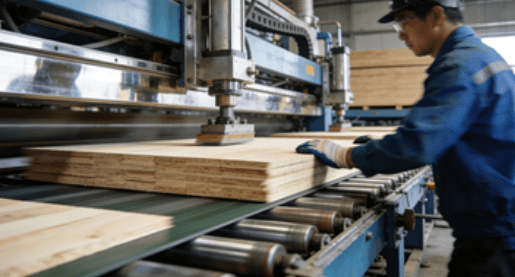
Scenario: High Reject Rate After Hot Pressing
If a plant suddenly sees increased rejects already at the cold press stage:
- First inspect pressure uniformity across multiple press cycles
- Use test panels to check for internal voids before hot pressing
- Validate holding times against product specifications
Scenario: Pressure Fluctuations Mid-Shift
Daily temperature changes can affect hydraulic oil viscosity:
- Refrigerate hydraulic oil tanks in hot weather
- Use oil with stable viscosity index
- Check filters and vents for clogging
Máy ép lạnh Components and How They Impact Performance
Hydraulic System Components
Một đáng tin cậy máy ép lạnh cho ván ép relies on:
- High-quality valves (e.g., Taiwan Jiugang)
- Pollution-free hydraulic station
- Fast and high-pressure pumps
Faults in any of these can cause inconsistent pressure and cycle interruptions.
Frame and Structural Integrity
Industry standard machines like the 400T bottom-type cold pre-press machine feature:
- 30 mm steel plate frame thickness
- Precision-machined beam surfaces
- Welded rigid structure
These design elements maintain alignment under heavy loads, reducing warping.
Cold Press Machine Workflow: Optimizing Every Step
Standard workflow:
- Glue application
- Veneer assembly
- Panel loading
- Hydraulic pressing
- Holding time
- Platen release
- Unloading
Steps to optimize:
- Use automated glue spreaders for consistency
- Train staff on accurate veneer stacking
- Use sensors to monitor pressure and time in real time
Ép lạnh so với Ép nóng: What You Need to Know
| Tính năng | Ép lạnh | Ép nóng |
|---|---|---|
| Purpose | Pre-press and stabilize veneers | Final curing and bonding |
| Nhiệt độ | Môi trường xung quanh | High heat |
| Pressure | Moderate (1–5 MPa) | Higher pressure |
| Timing | Short cycle | Long cycle |
| Impact of Error | Weak pre-bonding | Poor final bond |
Errors in cold pressing are the most common root cause of final product defects—even more than hot pressing issues.
Real World Data: Benchmarking Performance
According to a 2024 industry survey of plywood production lines:
- Plants with real-time pressure monitoring systems saw 30% fewer rejects
- Predictive maintenance reduced downtime by 25%
- Automated glue spread control increased bonding consistency by 18%
Integrating digital sensors with your cold press machine for plywood significantly improves quality.
Expert Tips for Stable Cold Pressing Performance
Regular Calibration Is Essential
Pressure gauges, glue spreaders, and cycle timers must be calibrated monthly.
Use Clean, Quality Hydraulic Oil
Contaminated oil accelerates valve wear and creates pressure instability. Change oil based on machine hours, not calendar dates.
Preventive Maintenance Minimizes Risk
An unexpected breakdown costs time and money. Plan weekly and monthly checks for:
- Oil level and quality
- Hydraulic lines and seals
- Frame alignment
- Pump and valve performance
Safety Best Practices for Cold Press Operations
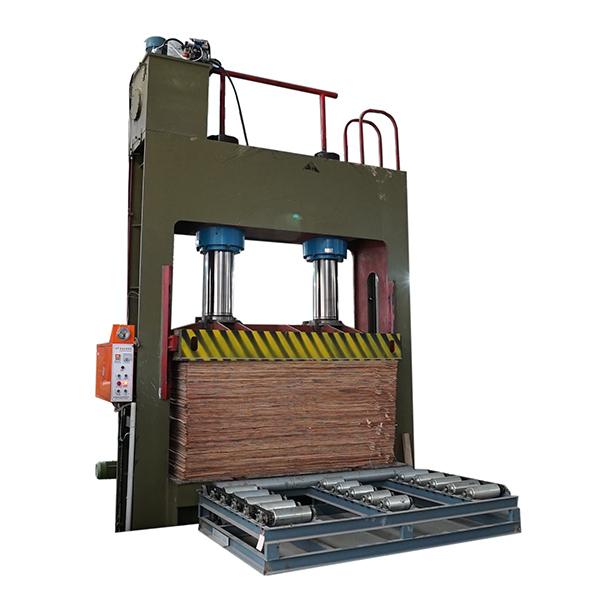
Operator Safety
- Lockout/tagout procedures before maintenance
- Pressure relief valves checked regularly
- Safety shields around moving parts
Equipment Safety
- Keep electrical controls clean and dry
- Ensure emergency stop buttons are functional
- Follow manufacturer guidelines for maximum load
Safety protocols reduce incidents and extend machine lifespan.
ROI and Cost Implications of Efficient Cold Pressing
A well-maintained máy ép lạnh cho ván ép increases yield, reduces rejects, and lowers energy costs. Consider that:
- Reject reduction by 5% can save tens of thousands annually
- Stable pressure reduces adhesive waste
- Digital upgrades pay back within 12–18 months
Investing in maintenance and monitoring yields clear financial benefits.
Cold Press Machine Selection Guide for Plywood Plants
Key Selection Factors
- Maximum pressure capacity
- Hydraulic system reliability
- Ease of operation
- Availability of spare parts
- Automation level
Choosing Between Models
- Entry-Level: Good for small plants with low volume
- Mid-Range: Balanced performance and cost
- High-End: Full automation, sensors, advanced diagnostics
Your choice should match production volume and quality targets.
Final Thoughts: Mastering Cold Press for Plywood Quality
MỘT máy ép lạnh cho ván ép is not just equipment—it’s the foundation of plywood quality, consistency, and production efficiency. By understanding how it works, diagnosing common problems, and applying preventive maintenance, you can drastically improve output quality and reduce costs.
Whether you are commissioning a new press line or optimizing an existing one, this guide gives you the tools, concepts, and actionable steps to succeed.
Câu hỏi thường gặp
Why is my plywood delaminating after hot pressing?
Delamination often stems from cold press pressure inconsistency or glue application errors.
How long should a cold press cycle last?
Tiêu biểu 3–10 phút based on panel thickness and glue type.
Why does machine pressure fluctuate?
Pressure fluctuations usually indicate leaks, worn seals, or hydraulic valve issues.
Can cold press correct warp?
It stabilizes layers but cannot fully correct warp caused by hot press errors.
What is the ideal pressure range?
For most plywood, 1–5 MPa during cold press is recommended.
 Vietnamese
  English
  Arabic