
Tin tức
Giải pháp Spreader keo sáng tạo cho dòng ván ép
Chào mừng đến với Blog của tôi!
Tôi rất vui vì bạn đã ghé thăm. Trước khi chúng ta đi sâu vào nội dung, tôi rất muốn được kết nối với bạn ngoài trang này. Trên mạng xã hội, tôi thường xuyên chia sẻ những hiểu biết sâu sắc về ngành, cập nhật sản phẩm và những khoảnh khắc hậu trường — hơn nữa, đây còn là một nơi tuyệt vời để chúng ta tương tác!
Theo dõi chúng tôi trên Facebook: Công ty TNHH Thiết bị tự động hóa Shandong Chuangxin
Hãy cùng nhau phát triển và giữ kết nối. Giờ thì, hãy cùng khám phá blog nhé — tôi hy vọng bạn thấy nội dung này bổ ích, hấp dẫn và thực sự giá trị.
Mục lục
Những điều quan trọng cần rút ra:
- Overview of Glue Spreader technology in plywood production
- Các loại Máy rải keo and their operational principles
- Precision control for adhesive application and uniformity
- Comparison: Traditional manual spreading vs automated Glue Spreader
- Performance metrics: speed, glue consumption, veneer compatibility
- Industry standards and international certifications
- Case studies: Global plywood factories’ efficiency improvements
- Maintenance, cleaning, and longevity best practices
- Latest trends: AI, IoT, and environmentally friendly adhesive solutions
- FAQ addressing common industry questions
Giới thiệu
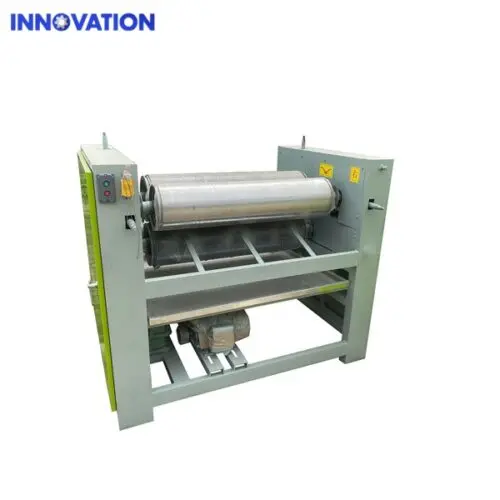
In the highly competitive plywood and engineered wood industry, efficiency, quality, and cost control are key. Glue application is one of the most critical steps. An uneven glue layer can compromise bonding strength, reduce panel durability, and slow down production. The Máy rải keo has emerged as an essential solution, combining precision, automation, and adaptability for plywood, MDF, and panel production lines.
With industrial production moving towards automation and smart manufacturing, modern Glue Spreaders offer adjustable glue control, high-speed operation, and integration with digital monitoring systems, significantly reducing labor and improving product consistency.
Understanding Glue Spreader Technology
What is a Glue Spreader?
MỘT Máy rải keo is a machine designed to evenly distribute adhesive on plywood, MDF, and other panel surfaces. Unlike manual spreading methods, it provides uniform coverage and controlled glue thickness, ensuring optimal bonding strength.
Ưu điểm chính:
- Consistency: Eliminates uneven glue application, improving panel quality
- Speed: Handles high-volume production lines efficiently
- Customization: Adjustable roller and glue control for different veneer types
Components of a Glue Spreader
- Rollers – Distribute glue evenly across the surface
- Frame – Heavy-duty structure for stability during high-speed operation
- Glue Supply System – Adjustable for different adhesive types and viscosity
- Control Panel – Allows fine-tuning of speed, glue volume, and roller pressure
Các Loại Máy Phun Keo
4ft Plywood Glue Spreader
- Width: 1400mm, suitable for small to medium plywood lines
- Features adjustable roller speed (24–90 m/min)
- Ideal for factories focusing on efficiency without excessive floor space requirements
Automatic Multi-Roller Glue Spreader
- Equipped with 4–6 rollers for thicker panels
- Can handle variable veneer thickness from 6mm to 20mm
- Reduces adhesive waste by 10–15% compared to manual spreading
Precision Edge Glue Spreader
- Designed for edge coating and intricate panel designs
- Ensures uniform glue along panel edges, preventing delamination
Performance Metrics: What to Measure
| Metric | Sự miêu tả | Phạm vi điển hình |
|---|---|---|
| Glue Thickness | Uniformity of adhesive layer | 0.1–0.5 mm |
| Tốc độ sản xuất | Speed at which panels pass through rollers | 24–90 m/min |
| Veneer Width Compatibility | Maximum panel width supported | 1400 mm |
| Roller Life | Average operational lifespan | 3–5 năm |
| Glue Consumption Efficiency | Ratio of glue applied vs used | 90–95% efficiency |
Precision Control for Optimal Bonding
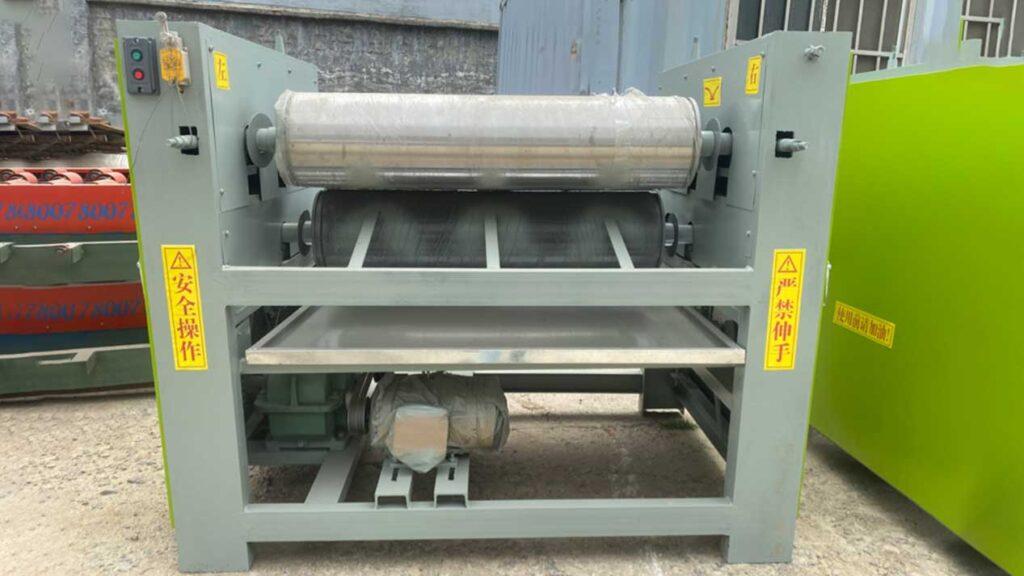
Độ dày keo có thể điều chỉnh
Hiện đại Máy rải keo allow fine-tuning of glue volume to match veneer type, thickness, and panel composition. This ensures strong adhesion without glue overflow.
Roller Pressure Optimization
Pressure adjustments prevent veneer damage while maintaining proper adhesive contact, critical for thin or delicate sheets.
Temperature and Viscosity Compensation
Advanced systems adjust roller speed and glue application according to adhesive viscosity changes caused by temperature fluctuations.
Comparison: Manual vs Automated Glue Spreader
| Tính năng | Manual Spreading | Automated Glue Spreader |
|---|---|---|
| Sự nhất quán | Low, depends on operator | High, machine-controlled |
| Tốc độ sản xuất | 5–10 panels/hour | 30–90 panels/min |
| Yêu cầu lao động | Cao | Thấp |
| Glue Waste | Moderate to high | Tối thiểu |
| BẢO TRÌ | Simple cleaning | Requires periodic calibration |
Automated systems dramatically reduce variability, labor costs, and material waste, making them a key investment for industrial plywood production.
Industry Standards and Certifications
GB/T Standards
- GB/T 9846.1–2015: Adhesive bonding of plywood
- GB/T 15063: Hot pressing parameters for panel production
ISO Standards
- ISO 12466-2: Bonding performance of plywood
- ISO 9001: Quality management systems for equipment manufacturers
AWPA & EN Standards
- Ensures compatibility of adhesives and mechanical performance under varying environmental conditions
These standards help ensure safety, durability, and consistent performance in industrial plywood production lines.
Nghiên cứu điển hình: Ứng dụng trong thế giới thực
Case Study 1: Chinese Plywood Factory
- Installed 4ft multi-roller Máy rải keo
- Result: Production speed increased by 35%, glue consumption reduced by 12%, delamination defects decreased by 80%
Case Study 2: European MDF Plant
- Upgraded to automatic edge Glue Spreader
- Result: Labor costs reduced by 50%, edge bonding uniformity improved, overall output up by 28%
Case Study 3: North American Panel Manufacturer
- Implemented IoT-integrated Glue Spreader
- Result: Real-time monitoring of glue viscosity and roller pressure, predictive maintenance reduced downtime by 15%
Maintenance and Cleaning
Daily Maintenance
- Wipe rollers after each shift to prevent glue buildup
- Check roller alignment and pressure
Weekly Checks
- Inspect motor and reducer
- Verify glue supply system and control panel calibration
Long-Term Maintenance
- Replace rollers every 3–5 years depending on production load
- Lubricate moving parts per manufacturer guidelines
Latest Trends in Glue Spreader Technology
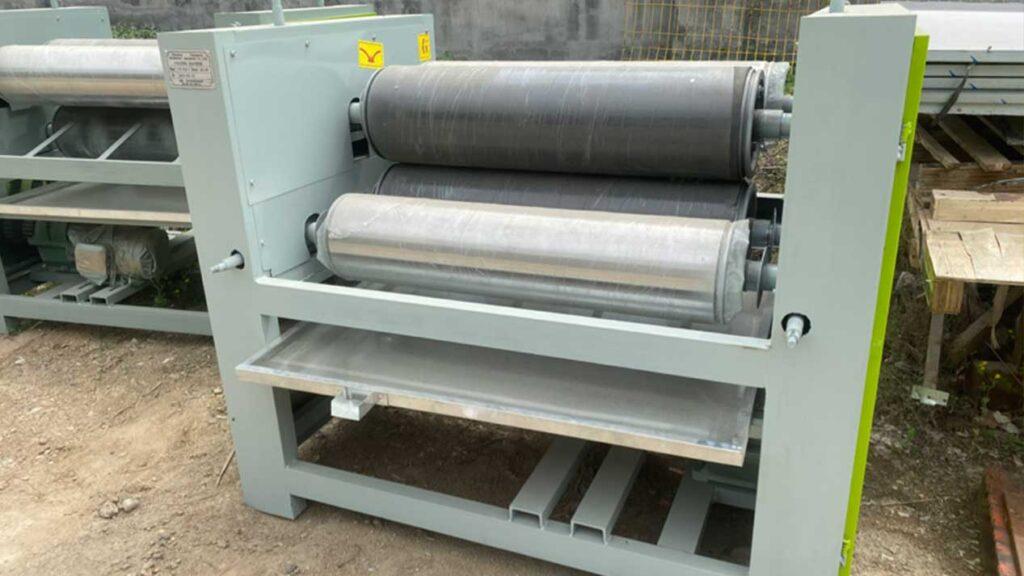
AI and IoT Integration
- Real-time monitoring of adhesive viscosity
- Automatic adjustment of roller speed and pressure based on panel type
Environmentally Friendly Adhesives
- Use of water-based or low-VOC adhesives
- Reduction in environmental impact while maintaining bonding strength
Modular Design
- Quick replacement of rollers and components
- Reduces downtime and simplifies maintenance
Câu hỏi thường gặp
What type of glue works best for plywood lines?
Water-based or urea-formaldehyde adhesives are most common. Modern Máy rải keo accommodate different viscosities.
How do I reduce glue waste?
Adjust roller pressure, fine-tune speed, and ensure adhesive viscosity is appropriate for panel thickness.
Can Glue Spreaders handle multiple veneer thicknesses?
Yes, most modern systems allow adjustment for 6–20 mm panels.
How often should rollers be replaced?
Typically every 3–5 years depending on production load and maintenance practices.
Phần kết luận
MỘT Máy rải keo is no longer optional in modern plywood production. By improving adhesive uniformity, reducing labor costs, and enhancing production efficiency, it directly contributes to higher product quality and profitability. With emerging technologies like AI, IoT, and eco-friendly adhesives, factories adopting advanced Glue Spreaders can maintain a competitive edge in the global market.
 Vietnamese
  English
  Arabic