
News
What Is Pressed Wood? 6 Ultimate Comparisons
Welcome to My Blog!
I’m so glad you’re here. Before we dive into the content, I’d love to connect with you beyond this page. On my social media, I regularly share industry insights, product updates, and behind-the-scenes moments — plus, it’s a great place for us to interact!
Follow us on Facebook: Shandong Chuangxin Automation Equipment Co., Ltd
Let’s grow together and stay connected. Now, let’s jump into the blog — I hope you find the content informative, engaging, and truly valuable.
Table of Contents
Pressed wood is one of the most commonly used engineered wood materials in furniture, construction, packaging, and interior applications. Yet, many people still wonder: what is pressed wood, and why is it widely preferred over traditional wood options? Whether you are a designer, contractor, or DIY enthusiast, understanding pressed wood’s characteristics, comparisons, and production processes is essential for making informed decisions.
In this article, you will learn:
- The definition and types of pressed wood
- 6 ultimate comparisons with solid wood, plywood, MDF, and other materials
- Key performance indicators such as strength, durability, cost, and sustainability
- Common applications and practical selection tips
- The role of hot press machines and cold press machines in manufacturing
- Insights from industry experts and real-world case studies
By the end of this guide, you will have a clear understanding of pressed wood and how it fits in modern material selection.
Understanding Pressed Wood
Definition of Pressed Wood
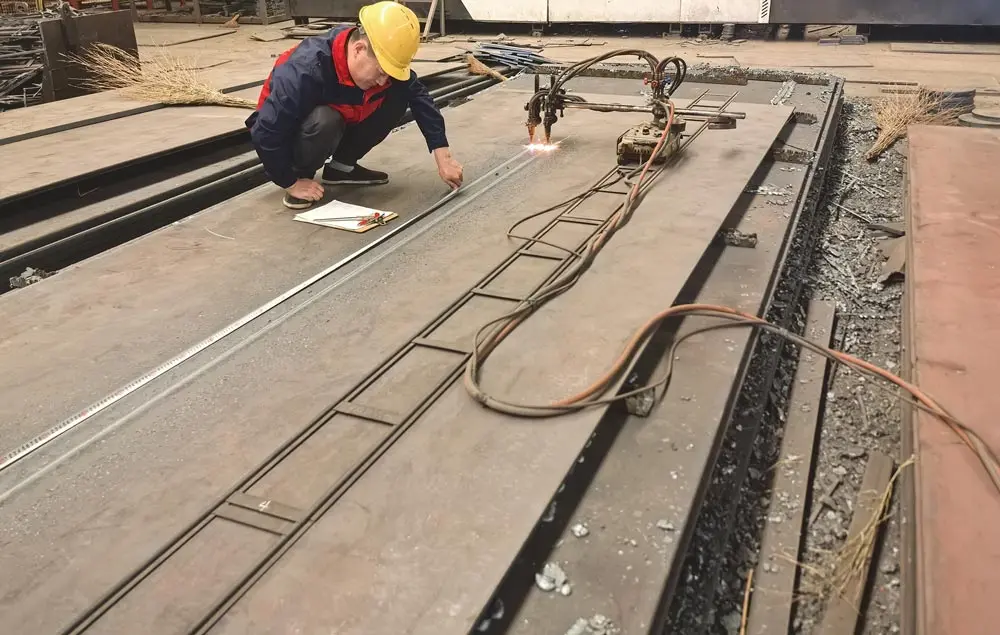
Pressed wood is an engineered wood product created by compressing wood fibers, particles, or veneers using adhesives and pressure. Unlike natural wood, pressed wood has a uniform density and a predictable structure, making it highly suitable for industrial-scale production.
Key facts:
- Composed of sawdust, wood shavings, or recycled fibers
- Uses heat, pressure, and adhesive to form boards or panels
- Includes particleboard, MDF (medium-density fiberboard), HDF (high-density fiberboard), and laminated variants
The Importance of Pressed Wood in Modern Industry
Pressed wood addresses natural wood limitations such as warping, inconsistent grain, and seasonal expansion. According to the Forest Products Laboratory (USDA), engineered wood products like pressed wood reduce raw material consumption by up to 40% while maintaining functional performance for furniture, cabinetry, and construction applications.
Comparison 1: Pressed Wood vs Solid Wood
Structural Consistency
Pressed wood offers homogeneous density across panels, whereas solid wood varies in strength depending on grain direction and knots. This consistency makes pressed wood ideal for precision cuts, drilling, and automated manufacturing.
Cost and Sustainability
Pressed wood is 30–50% cheaper than solid wood, and it uses leftover wood fibers, reducing waste. Solid wood, though visually appealing, has higher environmental impact due to harvesting and transport.
Visual and Functional Differences
Solid wood has a natural aesthetic but requires finishing. Pressed wood can be laminated or veneered for high-end appearance at lower cost.
Comparison 2: Pressed Wood vs Plywood
Manufacturing Method
Plywood is produced by layering thin veneers with alternating grain directions, glued under pressure. Pressed wood is made from particles or fibers bonded into boards.
Strength and Load-Bearing
Plywood is typically stronger for structural use, while pressed wood excels in furniture cores, panels, and interior partitions.
Moisture Resistance
Modern pressed wood panels with moisture-resistant resins (MR or HMR grades) show 50–70% better stability indoors compared to untreated plywood, according to Wood Technology Journal, 2023.
Comparison 3: Pressed Wood vs MDF
Surface Quality
MDF offers a very smooth, uniform surface ideal for painting, CNC routing, and intricate designs. Pressed wood particleboard has coarser edges but performs well under laminates.
Weight and Density
MDF is denser (600–800 kg/m³) than standard particleboard pressed wood (400–700 kg/m³). This affects handling, screw-holding, and transportation.
Application Flexibility
Pressed wood is preferred for shelving, paneling, and low-cost furniture. MDF is used for decorative items, moldings, and doors where edge quality matters.
Comparison 4: Strength vs Weight Trade-Off
Load Distribution
Pressed wood spreads loads evenly, but screw retention on edges is lower than solid wood, requiring reinforcement or edge banding.
Reinforcement Solutions
Adding laminates, plywood backing, or steel brackets improves panel strength for heavier furniture.
Practical Use Cases
Ideal for horizontal panels, cabinets, partitions, and flooring underlayment. Less suitable for vertical load-bearing structures.
Comparison 5: Environmental Impact

Material Efficiency
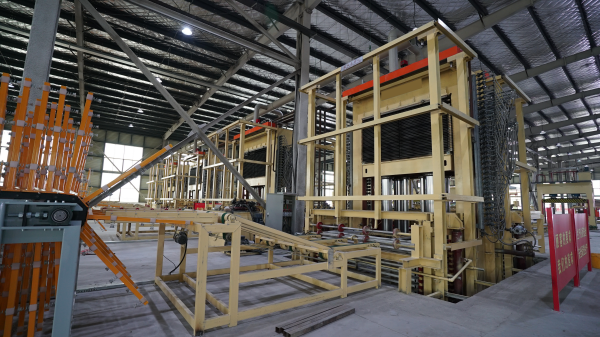
Pressed wood maximizes the use of wood residues and recycled fibers. One cubic meter of particleboard can consume 20–30% less raw wood than solid wood furniture components.
Emission Standards
Modern pressed wood complies with E0/E1 formaldehyde standards, minimizing indoor VOCs and ensuring safety in homes, offices, and schools.
Lifecycle Advantages
Pressed wood is recyclable and supports circular manufacturing models, making it more sustainable than single-species solid wood products.
Comparison 6: Cost Efficiency and Value
Initial Investment
Pressed wood is significantly cheaper upfront, making it a preferred choice for large-scale furniture, cabinetry, and flooring projects.
Maintenance and Durability
With proper sealing and indoor use, pressed wood lasts 10–20 years, depending on application and resin type. Laminated panels offer scratch and moisture protection.
Ideal Buyer Profile
Manufacturers, DIY enthusiasts, and budget-conscious designers benefit most from pressed wood without sacrificing visual or functional quality.
Key Properties Comparison Table
| Property | Pressed Wood | Solid Wood | Plywood | MDF |
|---|---|---|---|---|
| Cost | Low | High | Medium | Medium |
| Density | Medium | Low | Medium | High |
| Surface Smoothness | Medium | Medium | Medium | High |
| Moisture Resistance | Medium | Medium | High | Medium |
| Sustainability | High | Medium | Medium | Medium |
| Edge Screw Holding | Medium | High | Medium | Medium |
Pressed Wood Production Process
Material Preparation
Wood fibers, chips, or recycled sawdust are dried to 6–10% moisture content, ensuring stable pressing.
Adhesive Application
Resins like urea-formaldehyde or phenol-formaldehyde are sprayed onto fibers for bonding.
Pressing Stage
Panels are formed using either hot press machines or cold press machines.
Hot Press Machines
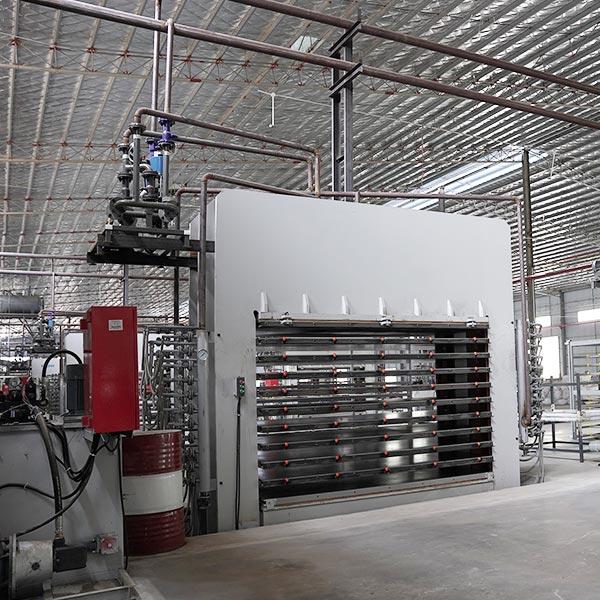
- Apply heat and pressure simultaneously to cure adhesives
- Provide uniform density and faster production
- Essential for high-volume particleboard and MDF
Cold Press Machines
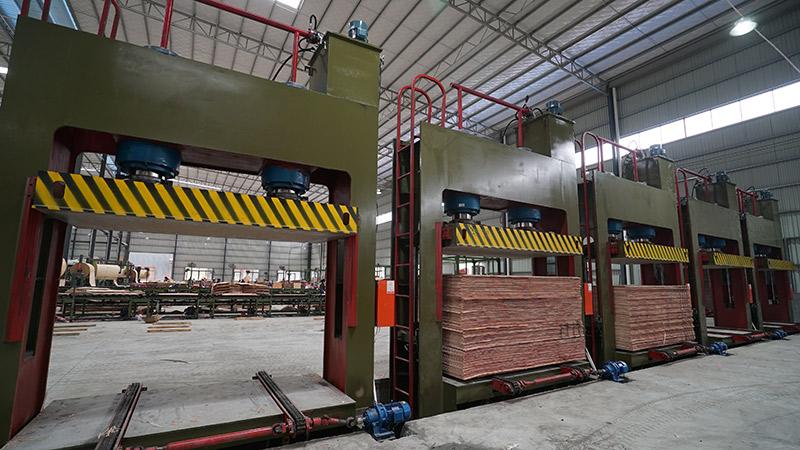
- Apply pressure without heat
- Suitable for laminates, decorative veneers, or small-batch production
- Lower energy consumption and flexible operation
Post-Processing
Edge trimming, sanding, laminating, and quality inspection ensure finished panels meet specifications.
Advanced Applications of Pressed Wood
Furniture Manufacturing
Cabinets, wardrobes, desks, and shelves benefit from the uniformity and ease of machining of pressed wood.
Flooring and Interior Paneling
Pressed wood panels with moisture-resistant coatings are used for underlayment, wall panels, and decorative ceilings.
Industrial and Packaging Solutions
Lightweight pressed wood crates and pallets reduce shipping costs while protecting goods.
Expert Insights
- According to Dr. Michael Johnson, Wood Science Institute, “Pressed wood bridges the gap between cost and performance. Proper resin selection and pressing techniques define long-term stability.”
- European Panel Federation (EPF) reports that the global demand for pressed wood panels grew 6% annually due to industrial furniture and modular construction.
- Case studies show hot pressing improves tensile strength by up to 25% compared to cold pressing for MDF.
Best Practices for Maximizing Pressed Wood Efficiency
Optimal Press Settings
Adjust temperature, pressure, and pressing time based on panel thickness and resin type.
Proper Handling and Storage
Store panels flat in low-humidity areas to prevent warping or delamination.
Combination Use
For high-volume production, use hot press for core panels and cold press for surface laminates, ensuring both speed and quality.
Final Thoughts
Understanding what is pressed wood and comparing it with solid wood, plywood, and MDF allows manufacturers, designers, and DIY enthusiasts to make informed decisions. Pressed wood balances cost, sustainability, and functionality, offering a reliable alternative for modern furniture, interior, and industrial applications.
Advanced manufacturing techniques, especially the use of hot press and cold press machines, ensure high-quality panels that are durable, consistent, and visually appealing. Whether you are producing furniture, cabinetry, or decorative panels, pressed wood is a versatile, cost-effective, and environmentally responsible material choice.
FAQ
Is pressed wood real wood?
Yes. Pressed wood is made from real wood fibers or particles bonded with adhesives under pressure.
Can pressed wood be used outdoors?
Standard pressed wood is not suitable for outdoor use unless treated for moisture and UV resistance.
What is the lifespan of pressed wood furniture?
Properly manufactured and sealed pressed wood panels can last 10–20 years in indoor environments.
Are pressed wood panels safe for homes?
Yes, panels that meet E0/E1 formaldehyde emission standards are safe for indoor use.
What machines are essential to make pressed wood?
Hot press machines and cold press machines are critical for forming, bonding, and finishing pressed wood panels.
 English
  Vietnamese
  Arabic