
Products
Melamine Coated Paper
Product category
Melamine Coated Paper
Definition and Composition
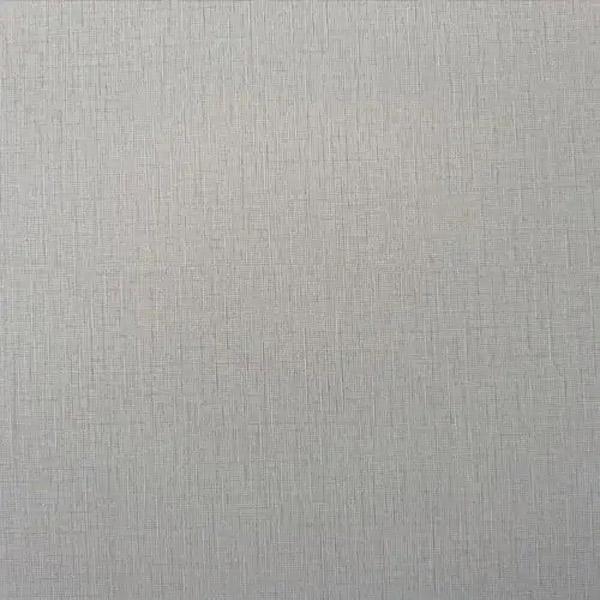
Melamine coated paper is a specially treated decorative paper made by impregnating plain base paper or printed decorative paper with amino resins (mainly melamine-formaldehyde resin and urea-formaldehyde resin), followed by partial drying. This process gives the paper a certain resin content and volatile content. After hot pressing, melamine coated paper can be laminated together or bonded with wood-based panels.
Product Advantages
Aesthetic Value
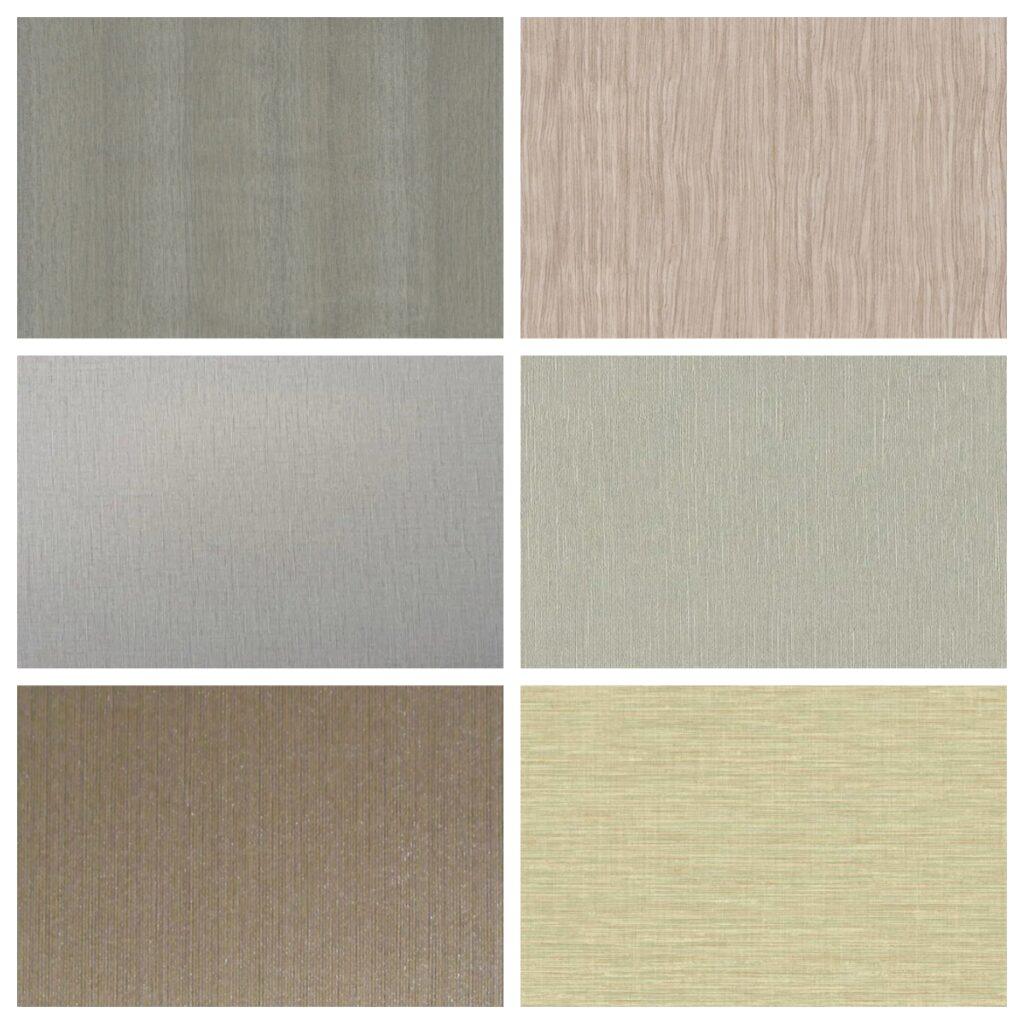
- Melamine coated paper offers a wide variety of decorative effects, such as wood grain, stone texture, and other surface patterns, significantly enhancing the appearance and usability of finished products.
- The use of printed decorative paper allows for great flexibility in colors and designs, meeting diverse and personalized customer needs.
Physical Properties
- After impregnation and drying, melamine coated paper has high resistance to wear, stains, and moisture, which greatly improves the physical performance of the final product.
- These enhanced properties make melamine paper widely applied in wood-based panel industries such as furniture, flooring, and cabinetry.
Value Enhancement of Wood-Based Panels
- By using melamine paper, the overall quality and value of wood-based panels can be significantly improved, making them more suitable for modern home aesthetics and functional requirements.
Simplified Production Process
- As a decorative surface material, melamine paper eliminates the need for traditional finishing steps such as painting or coating, thereby simplifying production processes and increasing manufacturing efficiency.
Manufacturing Process
- Resin Preparation: Synthesize amino resins, mainly melamine-formaldehyde resin and urea-formaldehyde resin.
- Resin Blending: Add curing agents, release agents, penetration agents, and anti-dust agents into the resin to adjust its properties and meet production requirements.
- First Impregnation: Soak plain or printed decorative paper in the mixed resin to ensure full absorption.
- First Drying: Dry the impregnated paper to remove excess resin and volatile substances.
- Second Impregnation: Immerse the dried paper again in melamine-formaldehyde resin to form a wear-resistant surface layer.
- Second Drying: Dry the paper after the second impregnation to stabilize the wear-resistant layer.
- Cooling and Cutting: Cool down the dried paper and cut it into required sizes for packaging and application.
Applications and Development
With the depletion of natural wood resources and the increasing global demand for wood-based products, melamine impregnated paper has become a popular decorative material due to its eco-friendly, efficient, and aesthetic features. It not only enhances the overall quality and value of wood-based panels but also simplifies manufacturing processes and reduces production costs.
Looking ahead, melamine paper will continue to maintain its competitive advantage in the market and expand its applications into more fields.
Conclusion
In summary, melamine paper is a high-performance decorative material with broad application prospects. Although its manufacturing process is complex and meticulous, it produces materials that meet diverse customer needs in both aesthetics and functionality.
 English
  Vietnamese
  Arabic