
أخبار
ما هي آلة الضغط البارد للخشب الرقائقي وكيف تعمل؟
جدول المحتويات
مقدمة
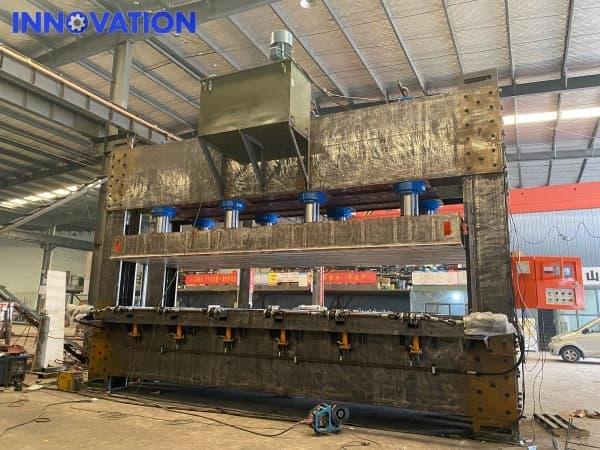
في معالجة الأخشاب الحديثة وتصنيع الأثاث، تلعب جودة الخشب الرقائقي دورًا حاسمًا في تحديد متانة المنتجات النهائية واستقرارها وأدائها. من أهم الآلات المستخدمة في إنتاج الخشب الرقائقي هي آلة الضغط البارد.
تُستخدم آلة الضغط البارد للخشب الرقائقي على نطاق واسع لربط طبقات متعددة من قشرة الخشب معًا باستخدام ضغط هيدروليكي عالي دون تطبيق الحرارة. تضمن هذه العملية سلامة هيكلية قوية وتسطيحًا محسنًا ومعالجة لاصقة مستقرة.
على عكس أنظمة الضغط الساخن، يعتمد الضغط البارد بشكل كامل على الضغط والترابط الذي يتم التحكم فيه بالوقت، مما يجعله مناسبًا بشكل خاص للضغط المسبق والتثبيت الهيكلي قبل المعالجة النهائية.
تشرح هذه المقالة ما هي آلة الضغط البارد للخشب الرقائقي، وكيف تعمل، وبنيتها، وتطبيقاتها، ولماذا تظل جزءًا أساسيًا من أنظمة تصنيع الخشب الرقائقي الحديثة.
ما هي آلة الضغط البارد للخشب الرقائقي؟
آلة الضغط البارد للخشب الرقائقي عبارة عن نظام ضغط هيدروليكي صناعي مصمم لربط طبقات متعددة من صفائح القشرة في لوحة واحدة من الخشب الرقائقي.
يطبق ضغطًا موحدًا عبر طبقات الخشب المكدسة لضمان التصاق قوي بين القشرة المطلية بالغراء أو الراتنج.
يستخدم هذا الجهاز بشكل شائع في:
- مصانع تصنيع الخشب الرقائقي
- خطوط إنتاج الأثاث
- صناعات معالجة الألواح الخشبية
- الضغط المسبق قبل عمليات الضغط الساخن
وتتمثل وظيفتها الأساسية في تثبيت الطبقات الرقائقية قبل المعالجة النهائية، وتحسين الجودة الشاملة للمنتج وتقليل مخاطر التشوه.
كيف تعمل آلة الضغط البارد للخشب الرقائقي؟
يعتمد مبدأ عمل آلة الضغط البارد للخشب الرقائقي على الضغط الهيدروليكي والترابط الذي يتم التحكم فيه بالوقت.
أولاً، يتم طلاء صفائح القشرة بمادة لاصقة وتكديسها في طبقات وفقًا لسمك الخشب الرقائقي المطلوب.
يتم بعد ذلك وضع المادة المكدسة في آلة الضغط البارد بين ألواح الضغط المسطحة.
بعد ذلك، يطبق النظام الهيدروليكي ضغطًا ثابتًا وموحدًا عبر كامل سطح المكدس. يضغط هذا الضغط الطبقات معًا، مما يضمن انتشار المادة اللاصقة بالتساوي وربط القشرة بإحكام.
تستمر عملية الضغط لمدة محددة حسب نوع المادة وخصائص اللصق ومتطلبات الإنتاج.
بعد الضغط، تتم إزالة كومة الخشب الرقائقي ومعالجتها بشكل أكبر أو نقلها إلى مكبس ساخن للربط النهائي، اعتمادًا على عملية الإنتاج.
المكونات الرئيسية لآلة الضغط البارد
تتكون آلة الضغط البارد للخشب الرقائقي من عدة أنظمة أساسية تضمن التشغيل المستقر والفعال.
النظام الهيدروليكي
يوفر النظام الهيدروليكي قوة الضغط اللازمة لضغط طبقات القشرة. الضغط المستقر ضروري لجودة الترابط الموحدة.
هيكل الإطار الصحفي
يدعم الإطار التشغيل بالضغط العالي ويضمن الاستقرار الهيكلي أثناء الاستخدام المستمر.
لوحات الضغط
تقوم الألواح الفولاذية المسطحة بتوزيع الضغط بالتساوي عبر سطح الخشب الرقائقي لتجنب الترابط غير المتساوي.
نظام التحكم
تستخدم الآلات الحديثة أنظمة تعتمد على PLC للتحكم في الضغط والتوقيت ودورات التشغيل بدقة.
نظام السلامة
تضمن وظائف التوقف في حالات الطوارئ وأنظمة الحماية من الحمل الزائد التشغيل الصناعي الآمن.
مزايا استخدام آلة الضغط البارد للخشب الرقائقي
توفر آلات الضغط البارد العديد من الفوائد المهمة في إنتاج الخشب الرقائقي.
تحسين قوة الترابط
يضمن الضغط الهيدروليكي الموحد التصاقًا قويًا ومتسقًا بين طبقات القشرة.
تسطيح أفضل للوحة
يقلل الضغط البارد من الضغط الداخلي، مما يساعد في الحفاظ على أسطح الخشب الرقائقي المسطحة والمستقرة.
كفاءة الطاقة
نظرًا لعدم الحاجة إلى التدفئة، يكون استهلاك الطاقة أقل بكثير مقارنة بأنظمة الضغط الساخن.
تقليل نفايات المواد
التحكم المستقر في الضغط يقلل من العيوب مثل التصفيح والفقاعات والتزييف.
مثالية للضغط المسبق
يقوم الضغط البارد بإعداد أكوام الخشب الرقائقي لمزيد من المعالجة في أنظمة الضغط الساخن، مما يحسن كفاءة الإنتاج الإجمالية.
جدول المقارنة: الصحافة الباردة مقابل الصحافة الساخنة في إنتاج الخشب الرقائقي
| ميزة | آلة الضغط البارد | آلة الضغط الساخن |
|---|---|---|
| استخدام الحرارة | لا تطبق الحرارة | الحرارة + الضغط |
| استهلاك الطاقة | قليل | أعلى |
| سرعة الإنتاج | معتدل | سريع |
| عملية الترابط | الضغط المسبق | المعالجة النهائية |
| الاستقرار السطحي | عالي | عالي |
| أفضل حالة استخدام | ما قبل الضغط/التثبيت | التصفيح النهائي |
توضح هذه المقارنة أن آلات الضغط البارد تلعب دورًا داعمًا ولكنه أساسي في سير عمل إنتاج الخشب الرقائقي عالي الجودة.
التطبيقات الصناعية لآلات الضغط البارد للخشب الرقائقي
تُستخدم آلات الضغط البارد على نطاق واسع في مراحل مختلفة من تصنيع الألواح الخشبية.
تصنيع الخشب الرقائقي
يتم استخدامها للربط الأولي لطبقات القشرة قبل الضغط الساخن.
إنتاج الأثاث
إنها تساعد في إنشاء ألواح مستقرة تستخدم في الخزانات والطاولات ومكونات الأثاث الهيكلي.
معالجة الألواح الخشبية
يتم تطبيقها في MDF وإنتاج الأخشاب الهندسية لتحسين السلامة الهيكلية.
تحضير التصفيح
يضمن الضغط البارد أسطحًا ناعمة ومستقرة قبل عمليات التصفيح الزخرفي.
العوامل المؤثرة على أداء الضغط البارد
هناك عدة عوامل رئيسية تؤثر على كفاءة وجودة آلة الضغط البارد للخشب الرقائقي.
استقرار الضغط الهيدروليكي
الضغط المستمر ضروري للترابط الموحد ومنع العيوب.
جودة لاصقة
تضمن المواد اللاصقة عالية الجودة ترابطًا أقوى وأكثر متانة للخشب الرقائقي.
وقت الضغط
التوقيت غير الصحيح يمكن أن يؤدي إلى ضعف الترابط أو تأخير الإنتاج المفرط.
تحضير المواد
يؤثر تسطيح القشرة ومحتوى الرطوبة وحالة السطح بشكل مباشر على النتائج النهائية.
صيانة الآلة
تضمن الصيانة الدورية الاستقرار على المدى الطويل وتقلل من الأعطال التشغيلية.
المشاكل والحلول الشائعة
قضايا التصفيح
غالبًا ما يكون سببه عدم كفاية الضغط أو سوء توزيع المادة اللاصقة.
سمك اللوحة غير المتساوي
النتائج من التراص غير المتسق أو عدم توازن الضغط.
بطء إنتاج الإنتاج
قد يكون ذلك بسبب عدم كفاءة النظام الهيدروليكي أو إعدادات الدورة غير الصحيحة.
تزييف السطح
عادة ما يكون سببه الضغط غير المتساوي أو إعداد المواد بشكل غير صحيح.
يمكن للتحكم والصيانة المناسبة في العملية أن تمنع هذه المشكلات بشكل فعال.
نصائح الصيانة للأداء على المدى الطويل
لضمان التشغيل الموثوق، الصيانة الدورية ضرورية
- فحص النظام الهيدروليكي بانتظام
- تنظيف لوحات الضغط لضمان الاتصال المسطح
- التحقق من مستويات الزيت وجودة السوائل
- تشحيم المكونات المتحركة
- معايرة أنظمة التحكم في الضغط
تعمل الصيانة المتسقة على تحسين عمر الماكينة واستقرار الإنتاج.
الاتجاهات المستقبلية في تكنولوجيا الصحافة الباردة
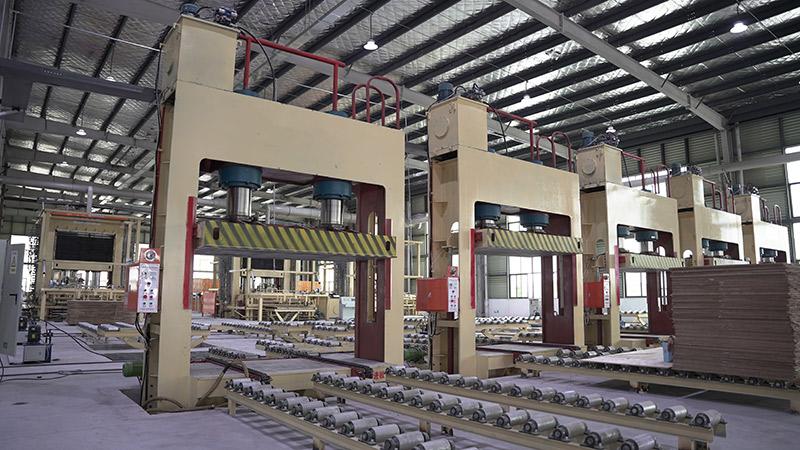
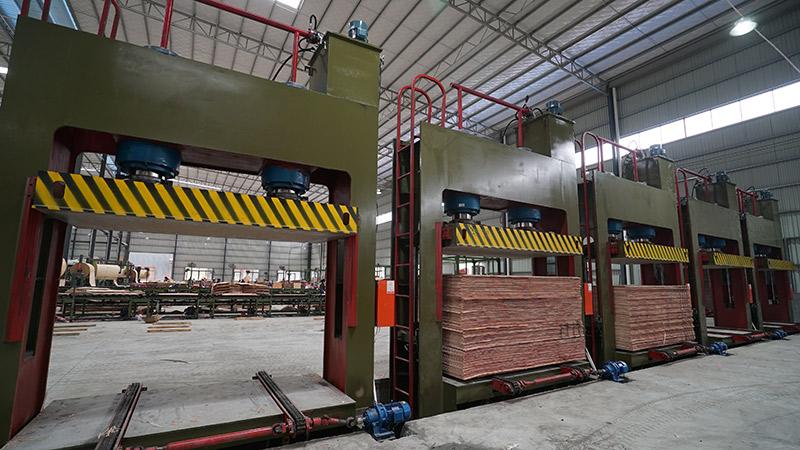
تتطور آلات الضغط البارد مع اتجاهات الأتمتة الصناعية الحديثة.
أنظمة التحكم بالضغط الذكية
تعمل المراقبة الرقمية على تحسين الدقة وتقليل التدخل اليدوي.
تحسين الطاقة
تعمل الأنظمة الهيدروليكية المحسنة على تقليل استهلاك الطاقة وزيادة الكفاءة.
التكامل الآلي
يتم دمج آلات الضغط البارد بشكل متزايد في خطوط الإنتاج الآلية.
التصنيع المبني على البيانات
تتيح المراقبة في الوقت الفعلي الصيانة التنبؤية وتحسين الإنتاج.
خاتمة
تعد آلة الضغط البارد للخشب الرقائقي مكونًا أساسيًا في تصنيع الألواح الخشبية الحديثة. ومن خلال تطبيق ضغط هيدروليكي ثابت بدون حرارة، فإنه يضمن ترابطًا قويًا، وتحسين استقرار اللوحة، وأداء فعال للضغط المسبق.
على الرغم من استخدامه غالبًا مع أنظمة الضغط الساخن، إلا أن دوره في تثبيت طبقات القشرة يجعله ضروريًا لإنتاج الخشب الرقائقي عالي الجودة. يواصل المصنعون الذين يسعون إلى الحصول على مخرجات متسقة وموثوقية هيكلية الاعتماد على تقنية الضغط البارد كجزء أساسي من عملية الإنتاج الخاصة بهم.
التعليمات
ما هو آلة الضغط البارد للخشب الرقائقي تستخدم ل؟
يتم استخدام آلة الضغط البارد للخشب الرقائقي لربط طبقات القشرة المتعددة معًا باستخدام الضغط الهيدروليكي. فهو يحسن ثبات اللوحة، ويضمن التصاقًا قويًا، ويعد الخشب الرقائقي لمزيد من المعالجة أو الضغط الساخن.
كيف تعمل آلة الضغط البارد للخشب الرقائقي؟
وهو يعمل عن طريق تكديس صفائح القشرة الملصقة وتطبيق ضغط هيدروليكي موحد. يضغط الضغط على الطبقات، مما يضمن توزيعًا متساويًا للمواد اللاصقة وربطًا قويًا دون استخدام الحرارة.
ما هي مزايا آلة الضغط البارد للخشب الرقائقي؟
فهو يوفر تسطيحًا أفضل للوحة، وقوة ربط قوية، واستهلاكًا أقل للطاقة، وتقليل عيوب المواد. كما أنه مثالي للضغط المسبق قبل عمليات الضغط الساخن.
ما هي المواد التي يمكن معالجتها باستخدام آلة الضغط البارد للخشب الرقائقي؟
يتم استخدامه بشكل أساسي لقشرة الخشب وطبقات الخشب الرقائقي وألواح MDF والألواح الخشبية الهندسية التي تتطلب ترابطًا ثابتًا قبل المعالجة النهائية أو التصفيح.
كيفية الحفاظ على آلة الضغط البارد للخشب الرقائقي؟
تشمل الصيانة فحص مستويات الزيت الهيدروليكي، وفحص أنظمة الضغط، وتنظيف ألواح الضغط، وتشحيم الأجزاء المتحركة. تضمن الصيانة الدورية أداءً مستقرًا وعمرًا أطول للآلة.
هل تحتاج إلى مساعدة في اختيار آلة الضغط البارد المناسبة للخشب الرقائقي؟
إذا لم تكن متأكدًا من آلة الضغط البارد الأفضل لخط إنتاج الخشب الرقائقي أو نوع المادة أو متطلبات الربط، فإن خبرائنا موجودون هنا للمساعدة. اتصل بنا اليوم للحصول على استشارة شخصية والحصول على حل مخصص يعمل على تحسين استقرار الضغط وقوة الترابط وكفاءة الإنتاج على المدى الطويل. لا تنتظر حتى تؤثر مشكلات الإنتاج على إنتاجك، انسحب الآن لتحسين عملية التصنيع لديك وتعزيز ميزتك التنافسية!
 Arabic
  English
  Vietnamese