
News
What Is a Cold Press Machine for Plywood and How Does It Work?
Table of Contents
Introduction
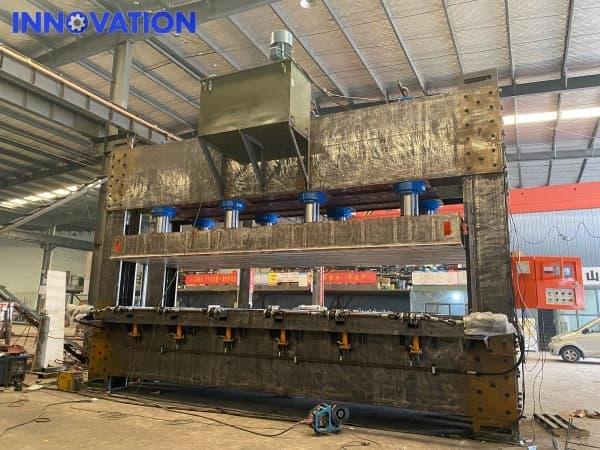
In modern wood processing and furniture manufacturing, plywood quality plays a critical role in determining the durability, stability, and performance of final products. One of the most important machines used in plywood production is the cold press machine.
A cold press machine for plywood is widely used to bond multiple layers of wood veneers together using high hydraulic pressure without applying heat. This process ensures strong structural integrity, improved flatness, and stable adhesive curing.
Unlike hot pressing systems, cold pressing relies entirely on pressure and time-controlled bonding, making it especially suitable for pre-pressing and structural stabilization before final processing.
This article explains what a cold press machine for plywood is, how it works, its structure, applications, and why it remains an essential part of modern plywood manufacturing systems.
What Is a Cold Press Machine for Plywood?
A cold press machine for plywood is an industrial hydraulic pressing system designed to bond multiple layers of veneer sheets into a single plywood panel.
It applies uniform pressure across stacked wood layers to ensure strong adhesion between veneers coated with glue or resin.
This machine is commonly used in:
- Plywood manufacturing plants
- Furniture production lines
- Wood panel processing industries
- Pre-pressing before hot pressing operations
Its primary function is to stabilize laminated layers before final curing, improving overall product quality and reducing deformation risks.
How Does a Cold Press Machine for Plywood Work?
The working principle of a cold press machine for plywood is based on hydraulic pressure and time-controlled bonding.
First, veneer sheets are coated with adhesive and stacked in layers according to the required plywood thickness.
The stacked material is then placed into the cold press machine between flat pressing plates.
Next, the hydraulic system applies consistent and uniform pressure across the entire surface of the stack. This pressure compresses the layers together, ensuring that the adhesive spreads evenly and bonds the veneers tightly.
The pressing process continues for a set duration depending on material type, adhesive properties, and production requirements.
After pressing, the plywood stack is removed and either cured further or transferred to a hot press for final bonding, depending on the production process.
Key Components of a Cold Press Machine
A cold press machine for plywood consists of several essential systems that ensure stable and efficient operation.
Hydraulic System
The hydraulic system provides the pressing force required to compress veneer layers. Stable pressure is essential for uniform bonding quality.
Press Frame Structure
The frame supports high-pressure operation and ensures structural stability during continuous use.
Pressing Plates
Flat steel plates distribute pressure evenly across the plywood surface to avoid uneven bonding.
Control System
Modern machines use PLC-based systems to control pressure, timing, and operational cycles with precision.
Safety System
Emergency stop functions and overload protection systems ensure safe industrial operation.
Advantages of Using a Cold Press Machine for Plywood
Cold press machines offer several important benefits in plywood production.
Improved Bonding Strength
Uniform hydraulic pressure ensures strong and consistent adhesion between veneer layers.
Better Panel Flatness
Cold pressing reduces internal stress, helping maintain flat and stable plywood surfaces.
Energy Efficiency
Since no heating is required, energy consumption is significantly lower compared to hot press systems.
Reduced Material Waste
Stable pressure control reduces defects such as delamination, bubbles, and warping.
Ideal for Pre-Pressing
Cold pressing prepares plywood stacks for further processing in hot press systems, improving overall production efficiency.
Comparison Table: Cold Press vs Hot Press in Plywood Production
| Feature | Cold Press Machine | Hot Press Machine |
|---|---|---|
| Heat Usage | No heat applied | Heat + pressure |
| Energy Consumption | Low | Higher |
| Production Speed | Moderate | Fast |
| Bonding Process | Pre-pressing | Final curing |
| Surface Stability | High | High |
| Best Use Case | Pre-press / stabilization | Final lamination |
This comparison shows that cold press machines play a supporting but essential role in high-quality plywood production workflows.
Industrial Applications of Cold Press Machines for Plywood
Cold press machines are widely used across different stages of wood panel manufacturing.
Plywood Manufacturing
They are used for initial bonding of veneer layers before hot pressing.
Furniture Production
They help create stable panels used in cabinets, tables, and structural furniture components.
Wood Panel Processing
They are applied in MDF and engineered wood production for improved structural integrity.
Lamination Preparation
Cold pressing ensures smooth and stable surfaces before decorative lamination processes.
Factors Affecting Cold Press Performance
Several key factors influence the efficiency and quality of a cold press machine for plywood.
Hydraulic Pressure Stability
Consistent pressure is essential for uniform bonding and defect prevention.
Adhesive Quality
High-quality adhesives ensure stronger and more durable plywood bonding.
Pressing Time
Incorrect timing can lead to weak bonding or excessive production delays.
Material Preparation
Veneer flatness, moisture content, and surface condition directly affect final results.
Machine Maintenance
Regular maintenance ensures long-term stability and reduces operational failures.
Common Problems and Solutions
Delamination Issues
Often caused by insufficient pressure or poor adhesive distribution.
Uneven Panel Thickness
Results from inconsistent stacking or pressure imbalance.
Slow Production Output
May be due to hydraulic system inefficiency or incorrect cycle settings.
Surface Warping
Usually caused by uneven pressure or improper material preparation.
Proper process control and maintenance can effectively prevent these issues.
Maintenance Tips for Long-Term Performance
To ensure reliable operation, regular maintenance is essential:
- Inspect hydraulic system regularly
- Clean pressing plates to ensure flat contact
- Check oil levels and fluid quality
- Lubricate moving components
- Calibrate pressure control systems
Consistent maintenance improves machine lifespan and production stability.
Future Trends in Cold Press Technology
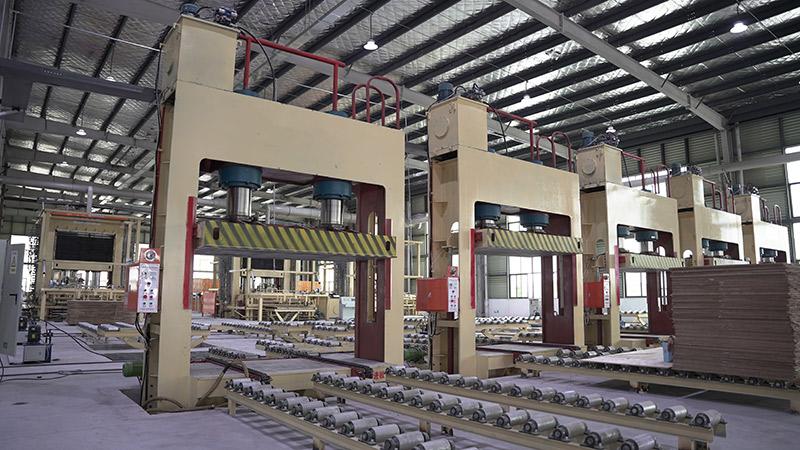
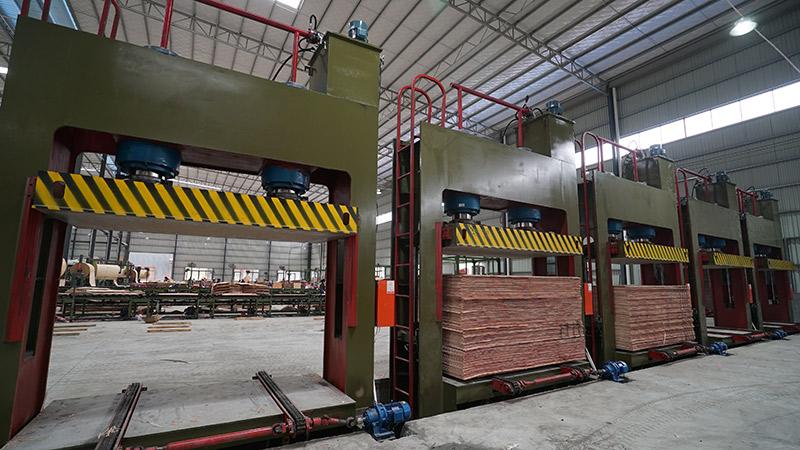
Cold press machines are evolving with modern industrial automation trends.
Smart Pressure Control Systems
Digital monitoring improves precision and reduces manual intervention.
Energy Optimization
Improved hydraulic systems reduce energy consumption and increase efficiency.
Automation Integration
Cold press machines are increasingly integrated into automated production lines.
Data-Driven Manufacturing
Real-time monitoring enables predictive maintenance and production optimization.
Conclusion
A cold press machine for plywood is a fundamental component in modern wood panel manufacturing. By applying consistent hydraulic pressure without heat, it ensures strong bonding, improved panel stability, and efficient pre-pressing performance.
While often used in combination with hot pressing systems, its role in stabilizing veneer layers makes it essential for high-quality plywood production. Manufacturers seeking consistent output and structural reliability continue to rely on cold press technology as a key part of their production process.
FAQ
What is a cold press machine for plywood used for?
A cold press machine for plywood is used to bond multiple veneer layers together using hydraulic pressure. It improves panel stability, ensures strong adhesion, and prepares plywood for further processing or hot pressing.
How does a cold press machine for plywood work?
It works by stacking glued veneer sheets and applying uniform hydraulic pressure. The pressure compresses the layers, ensuring even adhesive distribution and strong bonding without using heat.
What are the advantages of a cold press machine for plywood?
It provides better panel flatness, strong bonding strength, lower energy consumption, and reduced material defects. It is also ideal for pre-pressing before hot pressing processes.
What materials can be processed with a cold press machine for plywood?
It is mainly used for wood veneers, plywood layers, MDF sheets, and engineered wood panels that require stable bonding before final curing or lamination.
How to maintain a cold press machine for plywood?
Maintenance includes checking hydraulic oil levels, inspecting pressure systems, cleaning press plates, and lubricating moving parts. Regular maintenance ensures stable performance and longer machine lifespan.
Need Help Choosing the Right Cold Press Machine for Plywood?
If you’re unsure which cold press machine is best for your plywood production line, material type, or bonding requirements, our experts are here to help. Contact us today for a personalized consultation and get a tailored solution that improves pressing stability, bonding strength, and long-term production efficiency. Don’t wait until production issues affect your output—get in touch now to optimize your manufacturing process and strengthen your competitive advantage!
 English
  Vietnamese
  Arabic