
أخبار
تصنيع ألواح الخشب المضغوط
مرحباً بكم في مدونتي!
يسعدني جدًا وجودك هنا. قبل أن نتعمق في المحتوى، يسعدني التواصل معك عبر هذه الصفحة. أشارك بانتظام رؤىً حول الصناعة، وتحديثاتٍ حول المنتجات، ولحظاتٍ من وراء الكواليس على حساباتي على مواقع التواصل الاجتماعي، كما أنها منصةٌ رائعةٌ للتواصل!
تابعونا على الفيسبوك: شركة شاندونغ تشوانغشين لمعدات الأتمتة المحدودة
لننمو معًا ونبقى على تواصل. والآن، لننتقل إلى المدونة - آمل أن تجدوا محتواها غنيًا بالمعلومات، وجذابًا، وقيّمًا حقًا.
جدول المحتويات
أهم النقاط
- عملية تصنيع صناعية كاملة للألواح الخشبية المضغوطة
- تصميم المواد الخام والراتنجات والنظام الإضافي
- تقنيات الضغط الساخن والضغط البارد والضغط متعدد الطبقات
- معايير الشهادات العالمية (ISO، ASTM، EN، CARB)
- الاختبارات الميكانيكية وأنظمة مراقبة الجودة
- كفاءة التكلفة والاستدامة ومقارنة الأداء
- دراسات حالة الإنتاج في العالم الحقيقي
- اتجاهات الصناعة: الأتمتة، والراتنج البيئي، والمصانع الذكية
مقدمة
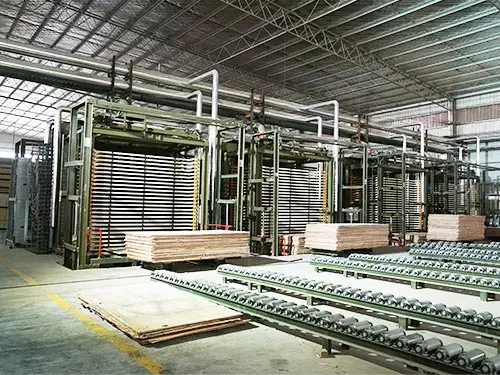
لوح خشبي مضغوط لقد أصبحت مادة هندسية أساسية في البناء العالمي، وتصنيع الأثاث، وأنظمة الأرضيات، والديكور الداخلي. على عكس الأخشاب الطبيعية، تم تصميمها من خلال الضغط المتحكم فيه والحرارة والربط اللاصق، مما يضمن كثافة متسقة وقوة يمكن التنبؤ بها وإنتاج قابل للتطوير.
وفقًا لتقارير صناعة الألواح الخشبية العالمية، يمثل الخشب الهندسي بما في ذلك الألواح الخشبية المضغوطة أكثر من 65% من استهلاك المواد المستخدمة في صناعة الأثاث في جميع أنحاء العالم، مدفوعًا بكفاءة التكلفة وسياسات الاستدامة والطلب على التحضر.
تدمج خطوط الإنتاج الحديثة الآن المكابس الهيدروليكية التي يتم التحكم فيها بواسطة PLC، وأنظمة تشكيل الحصيرة الآلية، ومراقبة الرطوبة في الوقت الفعلي لضمان الاتساق من الدرجة الصناعية.
المواد الخام في تصنيع ألواح الخشب المضغوط
مصادر الألياف الخشبية والقشرة
يستخدم إنتاج الألواح الخشبية المضغوطة مزيجًا من أنواع الخشب الصلب والأخشاب اللينة. تشمل المدخلات الخام الشائعة الصنوبر والأوكالبتوس والبتولا والحور.
يؤثر اختيار الخشب بشكل مباشر على:
- توحيد الكثافة
- نعومة السطح
- القدرة على تحمل الحمولة
تتطلب الألواح عالية الجودة قشرة يمكن التحكم فيها بالعيوب مع مستويات رطوبة تتراوح بين 6% و12%.
أنظمة الراتنج والمواد اللاصقة
المواد اللاصقة هي عنصر الربط الأساسي في تصنيع الألواح الخشبية المضغوطة.
تشمل أنظمة الراتنج الشائعة ما يلي:
- اليوريا فورمالدهايد (UF): تطبيقات منخفضة التكلفة من الدرجة الداخلية
- الفينول فورمالدهايد (PF): مقاومة عالية للماء، استخدام من الدرجة الخارجية
- الميلامين واليوريا والفورمالدهيد (MUF): أداء متوازن للألواح المصفحة
تشير الأوراق البيضاء الصناعية إلى أن تركيبة الراتنج يمكن أن تؤثر على ما يصل إلى 40% من القوة الميكانيكية النهائية للوحة.
الإضافات الوظيفية
المواد المضافة تعزز المتانة والمقاومة البيئية:
- مستحلبات الشمع (مقاومة الرطوبة)
- مركبات البورات (حماية مضادة للنمل الأبيض)
- المواد الكيميائية المقاومة للحريق (الامتثال للبناء)
- مثبتات الأشعة فوق البنفسجية (طول عمر السطح)
تقنيات تصنيع ألواح الخشب المضغوط
تقنية الضغط البارد
الضغط البارد يطبق ضغطًا ميكانيكيًا بدون حرارة. يتم استخدامه بشكل أساسي للترابط المسبق أو الإنتاج على نطاق صغير.
المزايا:
- استهلاك منخفض للطاقة
- عملية بسيطة
- مناسبة لخطوط الإنتاج اليدوية
الحد:
- وقت علاج أطول
- انخفاض كفاءة الإنتاج
تقنية الضغط الساخن
يجمع الضغط الساخن بين الحرارة (120 درجة مئوية 200° مئوية) والضغط الهيدروليكي (2 درجة حرارة 5 ميجا باسكال).
الفوائد الرئيسية:
- معالجة سريعة بالراتنج
- تشكيل مجلس عالي الكثافة
- قدرة الترابط متعدد الطبقات
هذه هي الطريقة الأكثر استخدامًا على نطاق واسع في تصنيع الألواح الخشبية المضغوطة على مستوى العالم.
أنظمة الصحافة المستمرة
يتم استخدام الضغط المستمر في صناعات MDF وألواح الجسيمات.
سمات:
- نظام التغذية المستمرة
- التحكم في سمك مستقر
- خرج عالي السرعة (يصل إلى 120 م/دقيقة في الأنظمة المتقدمة)
أنظمة الضغط الهيدروليكي متعددة الطبقات
يسمح الضغط متعدد الطبقات بمعالجة 10 طبقات من 20 طبقة في وقت واحد.
المزايا الصناعية:
- كفاءة إنتاجية عالية
- انخفاض متطلبات العمالة
- كثافة متسقة عبر الطبقات
سير عمل التصنيع لوح خشب مضغوط
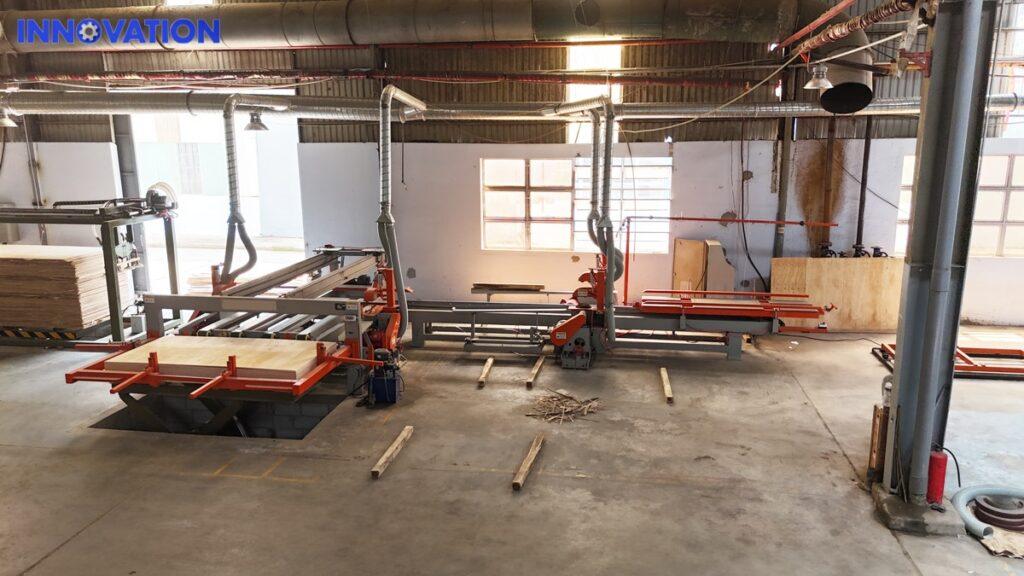
مرحلة تحضير الألياف
يتم نزع قشور جذوع الأشجار الخام وتقطيعها وتنقيتها إلى ألياف أو قشور. يضمن تكييف الرطوبة سلوك ترابط مستقر أثناء الضغط.
خلط وتطبيق المواد اللاصقة
يتم خلط الراتنجات مع المحفزات والمواد المضافة، ثم يتم رشها أو تغليفها بالأسطوانة على جزيئات الخشب باستخدام أنظمة تحكم دقيقة.
تشكيل حصيرة
يتم ترتيب الحصائر ذات الطبقات وفقًا للمتطلبات الهيكلية. يعد التوجيه وتوزيع الكثافة أمرًا بالغ الأهمية للأداء الميكانيكي.
مرحلة الضغط
تطبق الأنظمة الهيدروليكية دورات درجة حرارة وضغط يمكن التحكم فيها. يتراوح وقت الضغط النموذجي من 3 إلى 15 دقيقة حسب سمك اللوحة.
التبريد والاستقرار
بعد الضغط، يتم تبريد الألواح تدريجيًا لمنع تشوه الإجهاد الداخلي.
تشطيب السطح
تشمل العمليات الصنفرة أو الطلاء أو التصفيح أو تشذيب الحواف لسهولة الاستخدام النهائي.
المعايير العالمية والامتثال الصناعي
يجب أن يتوافق تصنيع الألواح الخشبية المضغوطة مع المعايير الدولية
- ISO 9001: أنظمة إدارة الجودة
- ISO 14001: الامتثال البيئي
- ASTM D1037: اختبار الخواص الميكانيكية
- EN 312/EN 319: معايير المجلس الهيكلي الأوروبي
- CARB المرحلة الثانية: تنظيم انبعاثات الفورمالديهايد (الولايات المتحدة الأمريكية)
تصنيف انبعاثات الفورمالديهايد
- درجة E0: ≥0.5 ملغم/لتر (انبعاث منخفض للغاية)
- درجة E1: ≥1.5 ملغم/لتر (متطلبات التصدير القياسية)
- درجة E2: ≥5.0 ملغم/لتر (الاستخدام الصناعي الأساسي)
أصبحت الألواح الخشبية المضغوطة منخفضة الانبعاثات إلزامية الآن في أسواق البناء السكنية في الاتحاد الأوروبي وأمريكا الشمالية.
نظام مراقبة الجودة في لوح خشب مضغوط إنتاج
الاختبارات الميكانيكية
تخضع الألواح لاختبارات قوة الانحناء وقوة الشد ومقاومة تثبيت المسمار.
المعايير الصناعية النموذجية:
- قوة الانحناء ≥18 ميجا باسكال
- الترابط الداخلي ≥0.6 ميجا باسكال
- الاحتفاظ بالمسمار ≥350 ن
التحكم في محتوى الرطوبة
نطاق محتوى الرطوبة المثالي: 6% nain12%.
قد تسبب الانحرافات تزييفًا أو تشققًا أو تصفيحًا.
أنظمة التفتيش الرقمي
يكتشف الفحص البصري القائم على الذكاء الاصطناعي ما يلي:
- الشقوق السطحية
- تناقضات الكثافة
- عيوب التصفيح
مزايا لوح الخشب المضغوط
- تكلفة إنتاج أقل من الخشب الصلب
- أداء ميكانيكي مستقر
- قابلية التوسع العالية للتصنيع الصناعي
- استخدام المواد الصديقة للبيئة
- مناسبة لإنتاج الأثاث بكميات كبيرة
تظهر دراسات الصناعة أن الألواح الخشبية المضغوطة تقلل من استهلاك الأخشاب الخام بما يصل إلى 40% مقارنة بتصنيع الأخشاب الصلبة.
التحليل المقارن: لوح الخشب المضغوط مقابل البدائل
| ميزة | لوح خشب مضغوط | خشب صلب | MDF |
|---|---|---|---|
| يكلف | واسطة | عالي | قليل |
| قوة | موحد | الاختلاف الطبيعي | واسطة |
| مقاومة الرطوبة | معتدل | طبيعي | قليل |
| تشطيب السطح | ناعم | الحبوب الطبيعية | سلس جدا |
| الاستدامة | عالي | واسطة | عالي |
توفر الألواح الخشبية المضغوطة الأداء الأكثر توازناً لإنتاج الأثاث على نطاق صناعي.
دراسات الحالة الصناعية
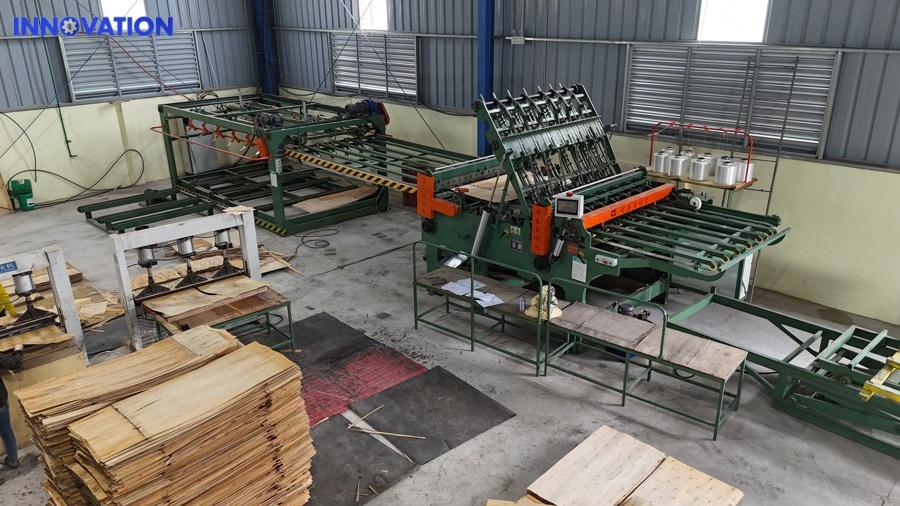
دراسة حالة: مصنع الصحافة عالية الطبقة (آسيا)
- الطاقة الإنتاجية: 500 ورقة/ساعة
- التكنولوجيا: نظام ضغط هيدروليكي 20 طبقة
- تحسين الكفاءة: تكامل الأتمتة +35%
- الامتثال: معيار انبعاث الفورمالديهايد E0
دراسة حالة: مصنع MDF الأوروبي
- الإخراج: 350 ورقة/ساعة
- الشهادة: ISO 9001 + CE
- التكنولوجيا: التحكم في رطوبة PLC في الوقت الحقيقي
- توفير الطاقة: 18% عبر نظام إعادة التدوير الحراري
اتجاهات الصناعة الناشئة
أنظمة التصنيع الذكية
تقوم مستشعرات إنترنت الأشياء الآن بمراقبة الضغط ودرجة الحرارة ودورات المعالجة في الوقت الفعلي.
مواد لاصقة صديقة للبيئة
تعمل الراتنجات الحيوية على تقليل انبعاثات الفورمالديهايد بما يصل إلى 70% في إنتاج ألواح الخشب المضغوط من الجيل التالي.
خطوط الإنتاج الآلية
تعمل أنظمة التحميل/التفريغ الروبوتية على تقليل تكاليف العمالة بمقدار 30 درجة 50%.
المواد الخام المعاد تدويرها
يتم استخدام ألياف النفايات الزراعية (قشر الأرز والقش والخيزران) بشكل متزايد كمدخلات مستدامة.
الصيانة والتحسين التشغيلي
صيانة نظام الصحافة
- استبدال الزيت الهيدروليكي كل 2000 ساعة تشغيل
- تنظيف سطح اللوحة أسبوعيا
- معايرة الضغط شهريا
صيانة النظام اللاصق
- فحص الفوهة لمنع الانسداد
- التحقق من نسبة الخلط لاتساق الراتنج
تحسين خط الإنتاج
- معايرة المستشعر في الوقت الحقيقي
- أنظمة الصيانة التنبؤية للذكاء الاصطناعي
- لوحات معلومات مراقبة استهلاك الطاقة
خاتمة
لوح خشبي مضغوط التصنيع هو عملية صناعية عالية الهندسة تجمع بين علوم المواد والهندسة الميكانيكية والامتثال البيئي. مع تزايد الطلب العالمي على المواد المستدامة، لا تزال الألواح الخشبية المضغوطة تهيمن على صناعات الأثاث والبناء والتصميم الداخلي.
تعمل الأتمتة المتقدمة وتطوير الراتنجات البيئية ومعايير الجودة الصارمة على تشكيل مستقبل هذه الصناعة، مما يجعلها أكثر كفاءة واستدامة وتنافسية عالميًا.
التعليمات
ما هو لوح من الخشب المضغوط مصنوع من؟
وهي مصنوعة من ألياف الخشب أو القشرة أو الجزيئات المرتبطة بالراتنج تحت الحرارة والضغط.
هل الألواح الخشبية المضغوطة أقوى من الخشب الصلب؟
إنه أكثر اتساقًا ولكنه ليس أقوى دائمًا؛ يعتمد الأداء على الكثافة ونوع الراتنج.
هل يمكن استخدام الألواح الخشبية المضغوطة في الهواء الطلق؟
نعم، إذا تم تطبيق راتينج PF والطلاءات المقاومة للماء.
ما هو عمر الأثاث الخشبي المضغوط؟
عادة 10-20 سنة حسب الظروف البيئية.
لماذا يتم استخدام الألواح الخشبية المضغوطة على نطاق واسع؟
لأنها فعالة من حيث التكلفة وقابلة للتطوير ومستدامة بيئيًا.
 Arabic
  English
  Vietnamese