
أخبار
قشرة خشب البتولا للأثاث وحلول تصنيع الأثاث الحديثة
مرحباً بكم في مدونتي!
يسعدني جدًا وجودك هنا. قبل أن نتعمق في المحتوى، يسعدني التواصل معك عبر هذه الصفحة. أشارك بانتظام رؤىً حول الصناعة، وتحديثاتٍ حول المنتجات، ولحظاتٍ من وراء الكواليس على حساباتي على مواقع التواصل الاجتماعي، كما أنها منصةٌ رائعةٌ للتواصل!
تابعونا على الفيسبوك: شركة شاندونغ تشوانغشين لمعدات الأتمتة المحدودة
لننمو معًا ونبقى على تواصل. والآن، لننتقل إلى المدونة - آمل أن تجدوا محتواها غنيًا بالمعلومات، وجذابًا، وقيّمًا حقًا.
جدول المحتويات
الوجبات الرئيسية لهذا الدليل
- فهم ما يجعل قشرة خشب البتولا مادة سطحية للأثاث الفاخر
- لماذا تستخدم قشرة البتولا على نطاق واسع في أنظمة إنتاج الأثاث الحديثة
- شرح طرق القطع والأنسجة ومفاهيم المعالجة الصناعية
- المقارنة مع القشرة والمواد الزخرفية الشائعة الأخرى
- تطبيقات العالم الحقيقي عبر الأثاث والهندسة المعمارية والصناعات الداخلية
- معايير الاختيار بما في ذلك أنواع الدعم وأداء السطح
- قسم الأسئلة الشائعة يعتمد على نية بحث المستخدم الحقيقية وسلوك الشراء
مقدمة
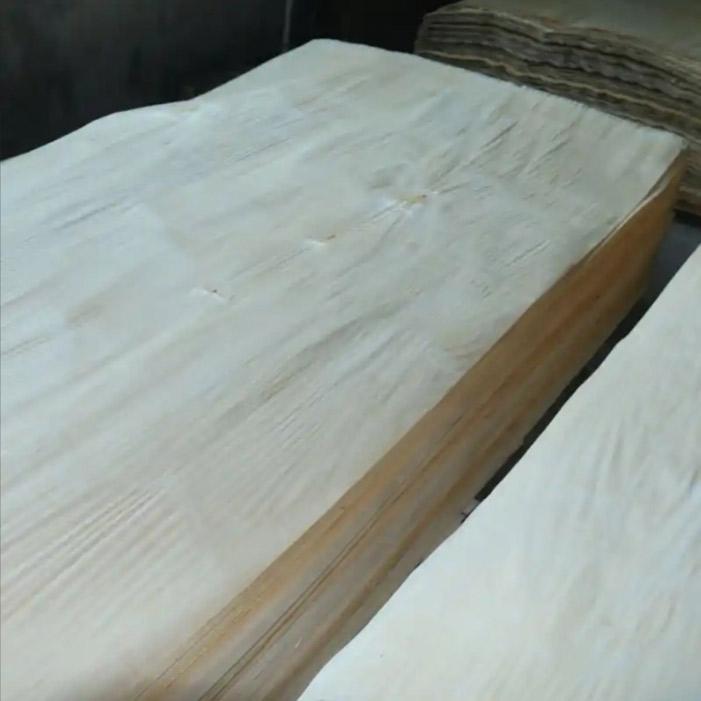
في صناعة الأثاث الحديث، يؤثر اختيار المواد السطحية بشكل مباشر على مظهر المنتج ومتانته وقدرته التنافسية في السوق. من بين مواد الديكور الطبيعية، تُعرف قشرة البتولا على نطاق واسع بنغمتها النظيفة وملمسها الناعم وقدرتها القوية على التكيف مع المعالجة.
قشرة خشب البتولا يتم إنتاجه من جذوع البتولا وتقطيعه إلى صفائح زخرفية رفيعة. يتراوح لونه من الأبيض الكريمي إلى البني الفاتح، وغالبًا ما يكون له تأثير بصري ناعم وموحد. وهذا يجعله مناسبًا بشكل خاص لأنماط تصميم الأثاث البسيطة والإسكندنافية والمعاصرة.
بسبب توازنها بين الجماليات الطبيعية وسهولة الاستخدام الصناعي، أصبحت قشرة البتولا مادة أساسية في إنتاج الأثاث العالمي.
نظرة عامة على قشرة خشب البتولا في تطبيقات الأثاث
ما الذي يجعل قشرة خشب البتولا فريدة من نوعها؟
تتميز قشرة البتولا بسطوعها الطبيعي وبنية سطحها المتسقة.
إنه يوفر مظهرًا راقيًا يناسب الأثاث التجاري والسكني. تعمل حبيباتها الموحدة على تقليل التناقضات البصرية أثناء الإنتاج على نطاق واسع.
لماذا تحظى قشرة البتولا لإنتاج الأثاث بشعبية كبيرة
يختار المصنعون قشرة البتولا لأنها سهلة المعالجة وقابلة للتكيف بدرجة كبيرة.
إنه يعمل بشكل جيد في عمليات اللصق والتلوين والتلميع. وهذا يقلل من صعوبة الإنتاج مع الحفاظ على جودة بصرية عالية.
القيمة الجمالية في التصميمات الداخلية الحديثة
تدعم قشرة البتولا الجماليات الداخلية النظيفة والحديثة.
يتم استخدامه بشكل شائع في أثاث المكاتب ومساحات البيع بالتجزئة والديكورات الداخلية السكنية حيث يفضل البساطة والسطوع.
شرح خصائص مادة قشرة خشب البتولا
مفهوم اللون والمظهر
تتميز قشرة البتولا عادةً بألوان فاتحة تتراوح من الأبيض إلى البني المحمر الفاتح.
تسمح لوحة الألوان المحايدة هذه للمصممين بمطابقتها مع الأنماط الداخلية المختلفة دون تعارض بصري.
مفهوم هيكل الحبوب
حبيبات قشرة البتولا ناعمة ومستقيمة وموزعة بالتساوي.
وهذا يخلق تدفقًا بصريًا سلسًا مثاليًا لأسطح الأثاث الحديثة.
مفهوم قابلية التشغيل
قشرة البتولا قابلة للتطبيق بشكل كبير أثناء عمليات التصنيع.
يمكن قطعها وضغطها وإنهائها دون حدوث تشقق أو تشوه كبير.
طرق قطع قشرة خشب البتولا
مفهوم قشرة البتولا ذات القطع الدوار
ينتج عن القطع الدوار أنماطًا حبيبية واسعة مع تدفق بصري مستمر.
يتم استخدامه بشكل شائع للألواح الكبيرة وإنتاج الأثاث الفعال من حيث التكلفة.
مفهوم قشرة البتولا المسطحة
يسلط القطع المسطح الضوء على أنماط حبيبات الكاتدرائية الناعمة.
غالبًا ما يستخدم في الأثاث المزخرف حيث تكون الجماليات الطبيعية مهمة.
مفهوم قشرة البتولا ربع القطع
ينتج القطع الربعي خطوط حبوب مستقيمة وموحدة.
إنه مفضل في تصميمات الأثاث البسيطة الراقية.
مفهوم قشرة البتولا المجسمة
يتضمن خشب البتولا المُشكل أنماطًا بصرية تشبه اللهب أو الموجة.
يتم استخدامه في الأثاث الفاخر والألواح الزخرفية الفاخرة.
أحجام قشرة خشب البتولا والأشكال الصناعية
مفهوم خيارات الحجم القياسي
تم تصميم أحجام مختلفة لتحقيق الكفاءة الصناعية وتحسين المواد.
| يكتب | مقاس |
|---|---|
| معيار | 4’×8’، 4’×10’، 4’×12’ |
| كبيرة الحجم | 5’×8’، 5’×10’، 5’×12’ |
| الحبوب المتقاطعة | 8’×4’، 10’×4’، 12’×4’ |
| طول خاص | 4’×14’ |
لماذا يهم تنوع الحجم في الإنتاج
تعمل خيارات الأحجام المتعددة على تقليل النفايات أثناء القطع والتجميع.
كما أنها تعمل على تحسين الكفاءة في خطوط إنتاج الأثاث الآلي.
قشرة خشب البتولا مقابل المواد الزخرفية الأخرى

مفهوم قشرة البتولا مقابل قشرة القيقب
قشرة البتولا أكثر دفئًا قليلاً وأكثر طبيعية في اللون.
يعتبر خشب القيقب أكثر تجانسًا، بينما يوفر خشب البتولا مظهرًا عضويًا أكثر ليونة.
مفهوم قشرة البتولا مقابل قشرة البلوط
تتميز قشرة البلوط بأنماط حبوب أقوى وأكثر عدوانية.
يقدم البتولا تأثيرًا بصريًا أنظف وأكثر حداثة.
قشرة البتولا مقابل مفهوم الأسطح الهندسية
توفر المواد الهندسية الاتساق ولكنها تفتقر إلى التنوع الطبيعي.
توفر قشرة البتولا جماليات خشبية أصيلة مع عيوب طبيعية.
جدول المقارنة: قشرة البتولا مقابل المواد الأخرى
| ميزة | قشرة خشب البتولا | قشرة البلوط | لوحة صفح |
|---|---|---|---|
| مظهر | خفيف وطبيعي | حبة قوية | نظرة اصطناعية |
| نسيج | غرامة وسلسة | خشن | موحد |
| قابلية العمل | عالي | واسطة | عالي |
| شعور طبيعي | قوي | قوي | ضعيف |
| استخدام الأثاث | منتصف النهاية العالية | تقليدي | منتجات الميزانية |
شرح أنواع دعم قشرة خشب البتولا
مفهوم دعم الورق
يعمل دعم الورق على تحسين المرونة وسهولة التثبيت.
يتم استخدامه بشكل شائع للألواح الزخرفية المنحنية أو الكبيرة.
مفهوم القشرة الخالية من الفقاعات
يمنع الدعم الخالي من الفقاعات الجيوب الهوائية أثناء التطبيق.
وهذا يضمن تشطيبًا أكثر سلاسة واحترافية للسطح.
مفهوم دعم PSA
يسمح دعم PSA بتثبيت التقشير واللصق.
فهو يقلل من استخدام المواد اللاصقة ويبسط سير عمل الإنتاج.
تطبيقات قشرة البتولا للأثاث
مفهوم تصنيع الأثاث
تُستخدم قشرة البتولا على نطاق واسع في الطاولات والخزائن وأنظمة الرفوف.
يوفر سطحًا نظيفًا ومتسقًا مناسبًا للإنتاج الضخم.
مفهوم أنظمة خزانة المطبخ
يتم تطبيقه بشكل شائع في أبواب الخزانات وواجهات الأدراج.
ثباته يجعله مناسبًا لبيئات المطبخ الرطبة.
مفهوم العمارة الداخلية
تستخدم قشرة البتولا في ألواح الجدران والأقسام الزخرفية.
يعزز الانسجام البصري في التصميمات الداخلية التجارية والسكنية.
مفهوم إنتاج الآلات الموسيقية
كما أنها تستخدم في مكونات القيثارات والطبول والبيانو.
يساهم استقرارها الهيكلي في كل من الجماليات والأداء.
دليل اختيار قشرة خشب البتولا
مفهوم اختيار درجة السطح
توفر القشرة عالية الجودة حبيبات أكثر اتساقًا وعيوبًا أقل.
ويفضل لإنتاج الأثاث الفاخر.
مفهوم اختيار السماكة
توفر القشرة السميكة متانة وقوة سطح أفضل.
توفر القشرة الرقيقة مرونة أعلى للتطبيقات المنحنية.
مفهوم مطابقة التطبيق
تتطلب أنواع الأثاث المختلفة درجات مختلفة من القشرة.
تعمل المطابقة المناسبة على تحسين المتانة والأداء البصري.
دراسة حالة لإنتاج الأثاث في العالم الحقيقي
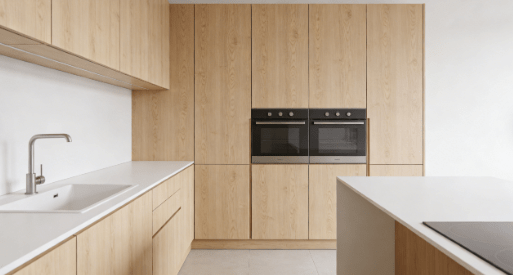
تحولت شركة تصنيع الأثاث إلى قشرة خشب البتولا لخط إنتاج الخزانة الخاص بها.
قبل التحسين:
- جودة سطح غير متسقة
- ارتفاع معدل الخلل أثناء التشطيب
- مرونة تصميم محدودة
بعد التحسين:
- تحسين تجانس السطح
- تقليل نفايات الإنتاج بمقدار 30%
- موقع أقوى في الأسواق المتوسطة إلى الراقية
النتيجة النهائية:
حققت الشركة اتساقًا أفضل للمنتج وتحسين قبول العملاء في الأسواق الدولية.
خاتمة
قشرة خشب البتولا لا تزال مادة مفضلة في تصنيع الأثاث نظرًا لمظهرها الطبيعي وأداء المعالجة المستقر ومرونة التطبيق الواسعة.
بالنسبة للمصنعين الذين يستهدفون أسواق الأثاث الحديثة والعالمية، توفر قشرة البتولا حلاً موثوقًا يجمع بين القيمة الجمالية والكفاءة الصناعية، مما يجعلها خيارًا استراتيجيًا للمواد على المدى الطويل.
التعليمات
ما هي استخدامات قشرة خشب البتولا؟
يتم استخدامه في صناعة الأثاث والخزائن وألواح الجدران والديكور الداخلي.
هل قشرة البتولا جيدة للأثاث؟
نعم، فهو يوفر توازنًا ممتازًا بين الجماليات والمتانة وقابلية التشغيل.
ما هو لون قشرة البتولا؟
ويتراوح لونه من الأبيض الكريمي إلى البني الفاتح مع تنوع طبيعي ناعم.
ما الفرق بين قشرة البتولا وقشرة البلوط؟
البتولا أخف وزنا وأكثر نعومة، في حين أن البلوط لديه حبيبات أقوى وأكثر نسيجا.
هل يمكن تلوين قشرة البتولا أو طلاءها؟
نعم، فهو يمتص التشطيبات بشكل جيد ويدعم المعالجات السطحية المتعددة.
ما هي الصناعات التي تستخدم قشرة البتولا؟
الأثاث والهندسة المعمارية والتصميم الداخلي وتصنيع الآلات الموسيقية.
 Arabic
  English
  Vietnamese